

Making things with kids is a rewarding experience, especially when you can easily combine creativity and fun on a busy afternoon. Perhaps your little ones are clamoring for a last-minute project that promises to be both engaging and captivating. Enter the Glowing Fish Lanterns from Recycled Plastic Eggs, a delightful DIY activity that transforms simple materials into luminous underwater friends using just a few supplies commonly found around the house. This hands-on project not only sparks their imagination but also creates a charming decoration that glows in the dark, providing a sense of accomplishment and joy. You may also find Baking Soda Painted Easter Eggs useful.
Why You’ll Love Making Glowing Fish Lanterns from Recycled Plastic Eggs
This project shines brightly among other DIYs because it is incredibly low-prep and easy to execute. You don’t need elaborate setups or time-consuming processes; it’s a straightforward crafting adventure that fits seamlessly into even the busiest schedule. Plus, the materials are simple and accessible. Using large plastic Easter eggs and vibrant craft foam, children can get creative without much mess. It’s an excellent way to promote self-expression while keeping everything manageable. The reliable steps outlined here ensure that families can achieve delightful results without getting overwhelmed by expectations. You may also find Beautiful Bioplastic Suncatchers Flowers useful.
A Quick Look Before You Begin
Before diving into crafting, it’s helpful to gather everything you need and understand the flow of the project. The good news is that this activity typically takes about 30-45 minutes, making it a perfect afternoon project. The setup requires minimal adult intervention—just a little supervision during the cutting phase to keep those tiny fingers safe. Mess levels are fairly low, as most of the crafting involves gluing and sticking, so you won’t have to spend the entire day cleaning up afterward. You may also find Bioplastic Suncatchers Easy Recipe useful.
Materials You’ll Need
For this exciting DIY adventure, here is a list of the required materials: You may also find Bioplastic Suncatchers Natural Flowers useful.
- 4 large plastic Easter eggs
- 2 sheets colorful craft foam
- 4 battery-operated LED tea lights
- 1 pair basic scissors
- 1 bottle non-toxic craft glue
- 1 black permanent marker
These household items are budget-friendly and readily available. If you have kids at home, you might just find everything you need tucked away in a craft drawer.
Step-by-Step Directions
Now that everything is laid out and ready, it’s time to bring these glowing fish lanterns to life. Follow these simple steps to create your own luminous friends:
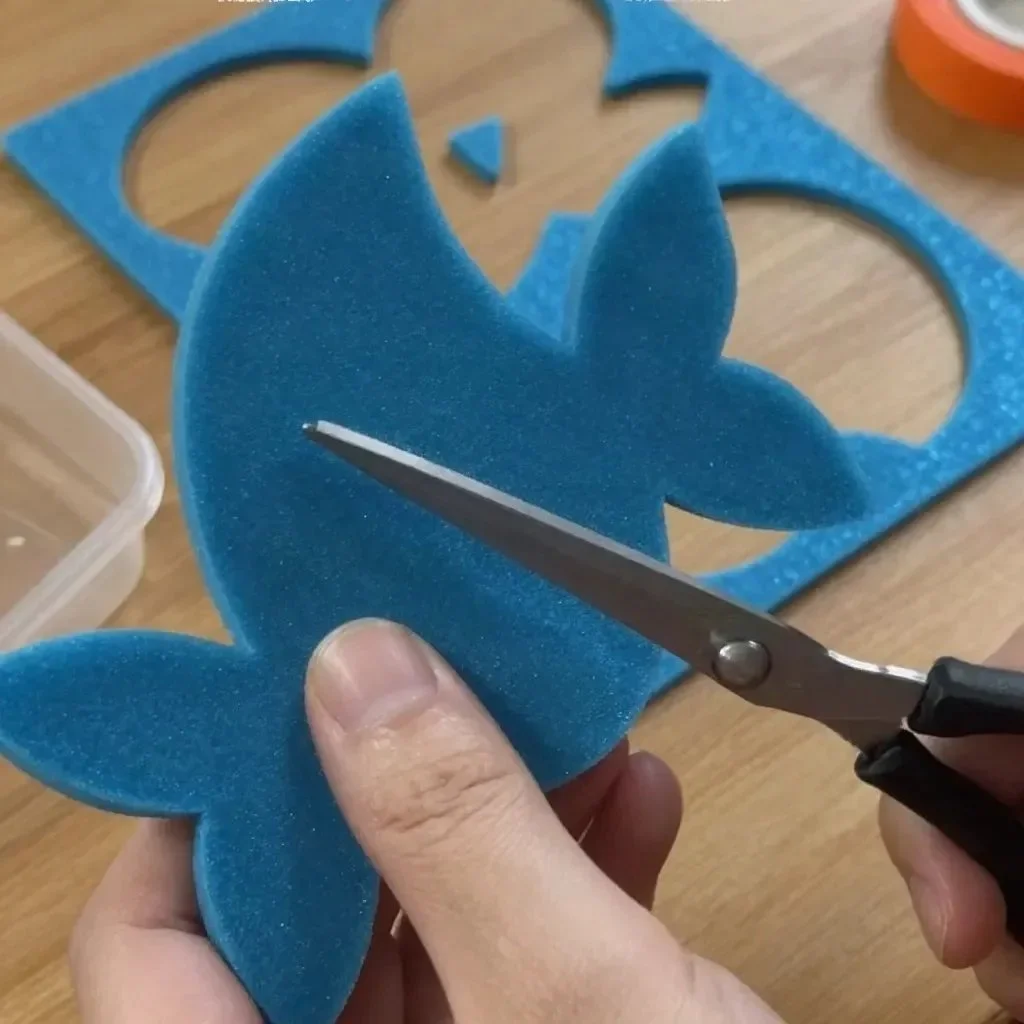
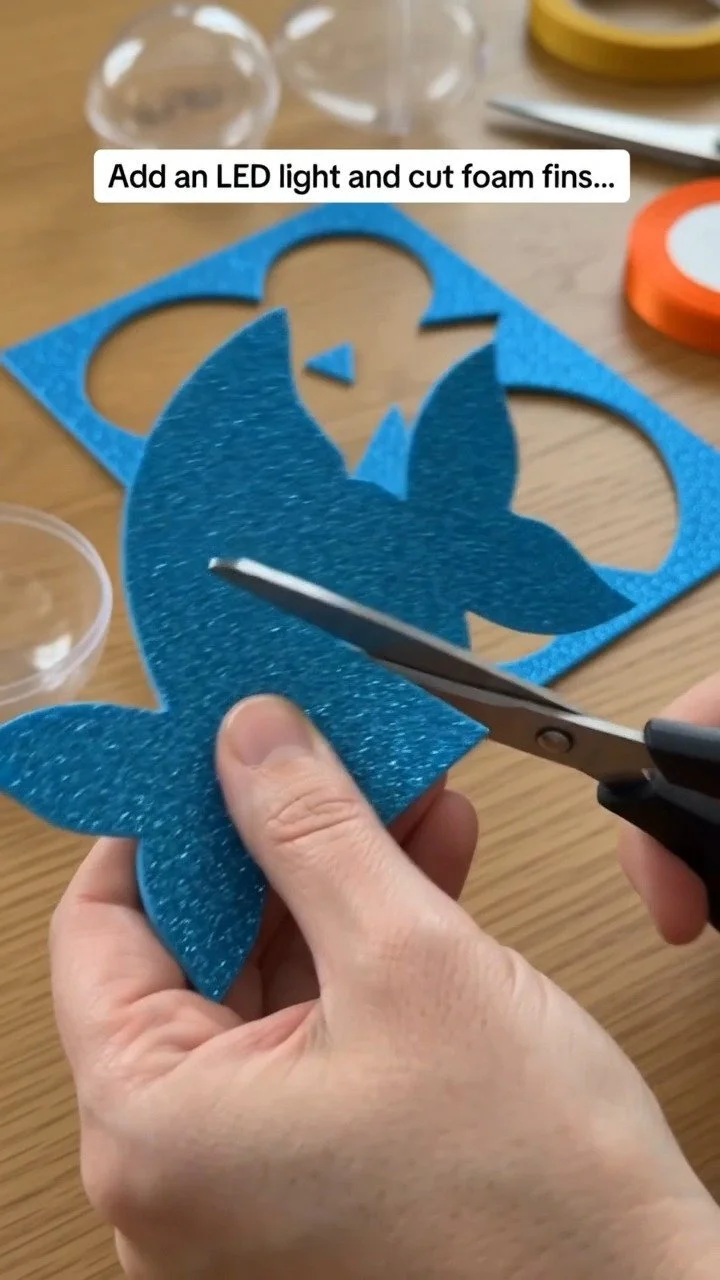
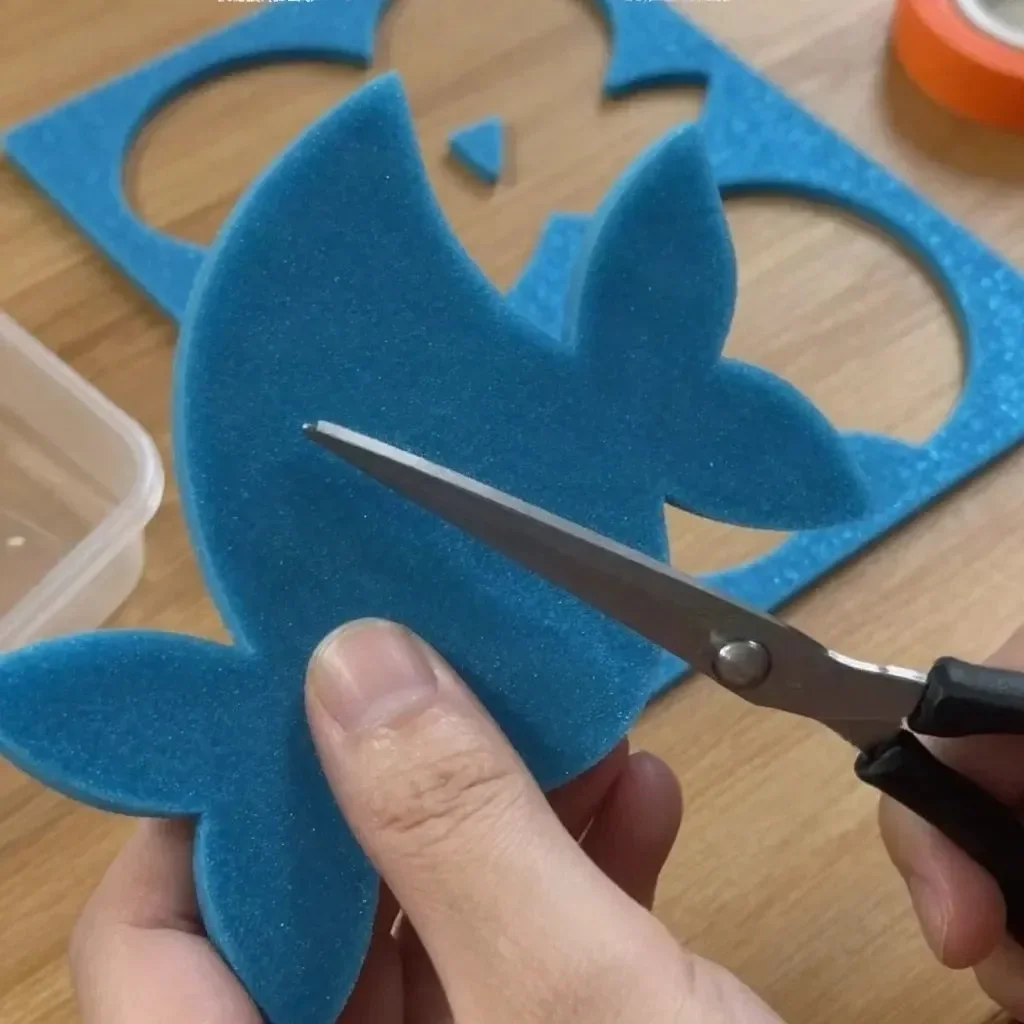
With adult supervision, cut out fins, tails, and mouths from the colorful craft foam using the scissors. Gather your colorful craft foam, and encourage your kids to get creative while designing various sea creatures. The vibrant hues will make the lanterns more appealing!
Use craft glue to attach the foam pieces to the plastic eggs. Apply a thin layer of glue to your foam cutouts and stick them onto the plastic eggs. This is where the kids can really personalize each fish and add their own flair.
Draw fish eyes and scale details on the eggs with the permanent marker. Using the black permanent marker, let the children go wild with creativity! They can draw eyes, scales, or even some fun facial expressions, adding personality to each fish.
Place a lighted LED tea light inside each egg and snap them closed to make them glow. Finally, drop a battery-operated tea light into each egg, close it up, and watch their faces light up as their creations come to life.
The Learning Behind This DIY

Making Glowing Fish Lanterns is not just a fun craft; it’s an excellent learning opportunity for children. While cutting and gluing, they practice fine motor skills and hand-eye coordination. Each step involved teaches valuable lessons about creativity and problem-solving, as they decide how to design their fish and correctly engage with the materials. The science behind how these lanterns glow can spark conversations about light, color, and even the sea creatures they are mimicking.
Troubleshooting Common Issues
If something doesn’t go as planned during the crafting process, don’t worry—common hiccups are easy to fix. If the glue dries too quickly and pieces don’t stick, adding a bit more glue can help hold them in place. If you run into trouble cutting the foam, a gentle reminder to take it slow can encourage more confident handling of scissors. Keeping a calm and supportive atmosphere goes a long way in making things right.
Easy Variations to Try
There are many ways to switch things up with this project to accommodate different ages or interests. For example:
- Use additional materials like glitter or sequins to add sparkle to the fish.
- Make seasonal lanterns for different holidays by adapting the colors and shapes.
- Transform this into an educational lesson by researching different fish species and recreating them.
- Create a themed underwater scene by mixing in other sea creatures like jellyfish made from paper or pipe cleaners.
Storing or Reusing This Project
Once you’ve completed your glowing fish lanterns, it’s important to think about cleanup and storage. The plastic eggs can easily be reused for another crafting session, or they can become part of the décor until it’s time for another project. Ensure any leftover foam scraps are saved for smaller projects or next year’s crafting adventures, reducing waste and promoting sustainability within your household.
FAQs About Glowing Fish Lanterns from Recycled Plastic Eggs
How messy is this project?
While there is some glue involved, the overall mess level is quite low. You’ll mostly need to tidy craft papers and perhaps a bit of glue here and there. Just be sure to have some wet wipes or paper towels handy for quick clean-up.
What age range is this activity suitable for?
This project is great for children aged 4 and up, with adult supervision during the cutting phase. Younger kids can participate in the decoration and assembly steps.
Can I modify any of the materials?
Absolutely! While these items are suggested, you can use any similar materials you have on hand, such as other types of plastic containers or decorations.
What if my fish doesn’t look perfect?
Remember, the beauty of this project lies in individuality. Each lantern will have its unique charm, and the kids will feel accomplished regardless of how closely they resemble the designs!
Conclusion
Engaging in creative projects like Glowing Fish Lanterns from Recycled Plastic Eggs can bring joy and satisfaction to both children and adults alike. The opportunity to create something beautiful from simple materials fosters a sense of pride in your little ones. To further your recycling knowledge, you might explore resources like the Recyclopedia: What Can I Recycle in Delaware? – DNREC or learn about local waste management practices through Curbside Waste and Recycling – East Longmeadow, MA. Embrace the process and enjoy the glowing results!
PrintGlowing Fish Lanterns from Recycled Plastic Eggs
A delightful DIY activity that transforms simple materials into luminous underwater friends, perfect for engaging children in creative crafting.
- Prep Time: 10 minutes
- Cook Time: 30 minutes
- Total Time: 40 minutes
- Yield: 4 lanterns 1x
- Category: Craft
- Method: Crafting
- Cuisine: N/A
- Diet: N/A
Ingredients
- 4 large plastic Easter eggs
- 2 sheets colorful craft foam
- 4 battery-operated LED tea lights
- 1 pair basic scissors
- 1 bottle non-toxic craft glue
- 1 black permanent marker
Instructions
- With adult supervision, cut out fins, tails, and mouths from the colorful craft foam using the scissors.
- Use craft glue to attach the foam pieces to the plastic eggs.
- Draw fish eyes and scale details on the eggs with the permanent marker.
- Place a lighted LED tea light inside each egg and snap them closed to make them glow.
Notes
Encourage creativity by letting kids personalize their fish with different colors and designs.
Nutrition
- Serving Size: 1 lantern
- Calories: N/A
- Sugar: N/A
- Sodium: N/A
- Fat: N/A
- Saturated Fat: N/A
- Unsaturated Fat: N/A
- Trans Fat: N/A
- Carbohydrates: N/A
- Fiber: N/A
- Protein: N/A
- Cholesterol: N/A