

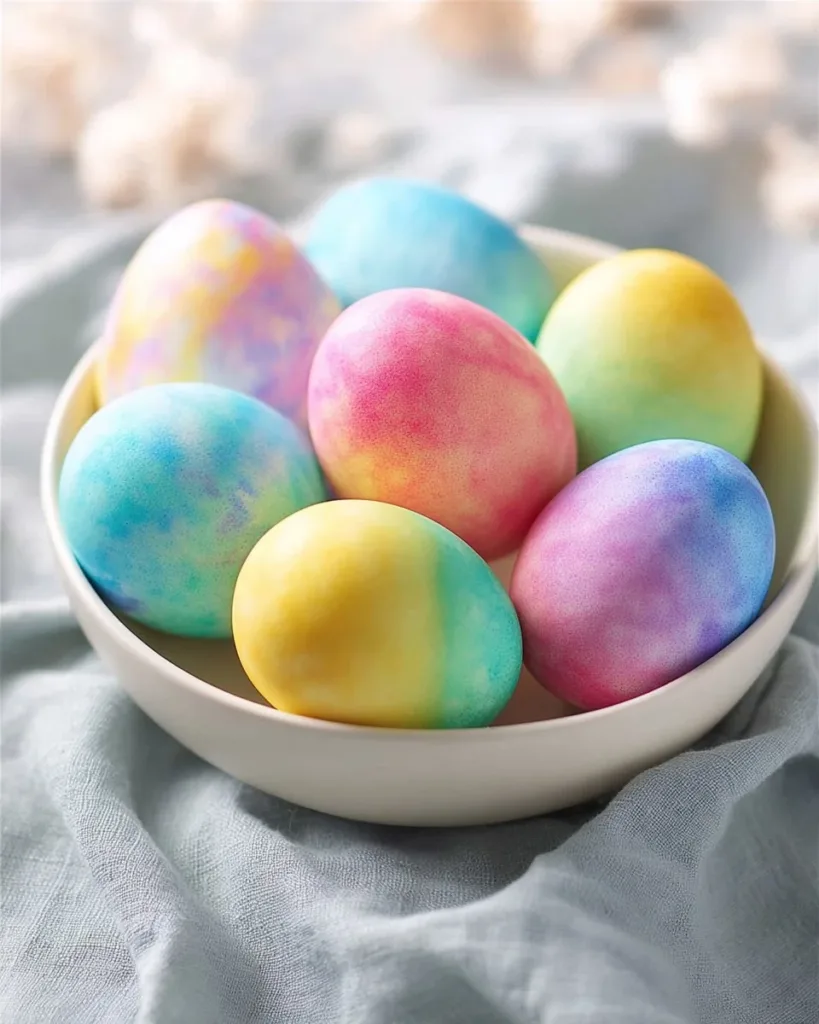
A busy afternoon hit and the kids asked to make something right now. I pulled out hard boiled eggs, baking soda, and a few food coloring bottles, set a muffin pan on the counter, and turned a small moment into Baking Soda Painted Easter Eggs that felt creative and calm. The kitchen smelled faintly of vinegar from an earlier experiment, the kids hummed while they mixed colors, and the paste made a satisfying, sandy texture to paint with. If you enjoy low-prep kitchen projects, this one pairs well with our other simple experiments like baking soda fizzy painting and keeps everyone involved without a fuss.
Why You’ll Love Making Baking Soda Painted Easter Eggs

This project works because it keeps things simple and hands-on. You only need a few pantry staples, and the process moves quickly enough to keep kids interested. Mixing baking soda and a splash of water creates a thick, easy-to-hold paste that spreads well on the egg shell and dries with a matte, chalky look that looks handmade and charming.
It feels approachable on busy days. Prep takes minutes. Cleanup usually takes minutes more. You do not need fancy paints or tools. The baking soda base helps the color stay put and gives paint-like texture without thin runny drips that frustrate kids. The result looks deliberate even when kids make big, bold strokes.
This method also balances control and surprise. Children learn to press lighter or harder to change texture, and colors blend in gentle, forgiving ways. You will see streaks and marbled patches more often than smooth solid coats, and that is part of the charm. You will come away with colorful eggs and a relaxed afternoon.
A Quick Look Before You Begin
Give yourself about 20 to 40 minutes from start to finish. That includes a short setup, the painting time, and a little cleanup.
Setup feels tidy. One muffin pan becomes your painting station. Small cups form color bowls. A spoon or two and a damp cloth handle most spills. You can keep kids seated at the counter or at the table and rotate eggs through the pan while the paint dries.
Expect a medium mess level. The paste is thicker than water-based paints and will leave some baking soda dust on hands and the work surface. That dust wipes up easily with a damp cloth. You will want an adult nearby to help with mixing and to pace very young children as they move eggs between cups.
Plan on light adult involvement. Younger kids need help mixing and holding eggs while painting. Older kids can manage more independence and may enjoy experimenting with patterns. The job stays safe and kitchen-friendly, and the cleanup stays reasonable when you catch spills quickly.
Materials You’ll Need
Baking soda
- common household item, inexpensive
Food coloring
- grocery store or craft supply, bright liquid colors work best
Water
- tap water is fine; a splash goes a long way
Hard boiled eggs
- cooled and dry; use eggs you already planned to eat
Optional: muffin pan
- not required to start, but this project uses a muffin pan in the steps
STEP-BY-STEP DIRECTIONS
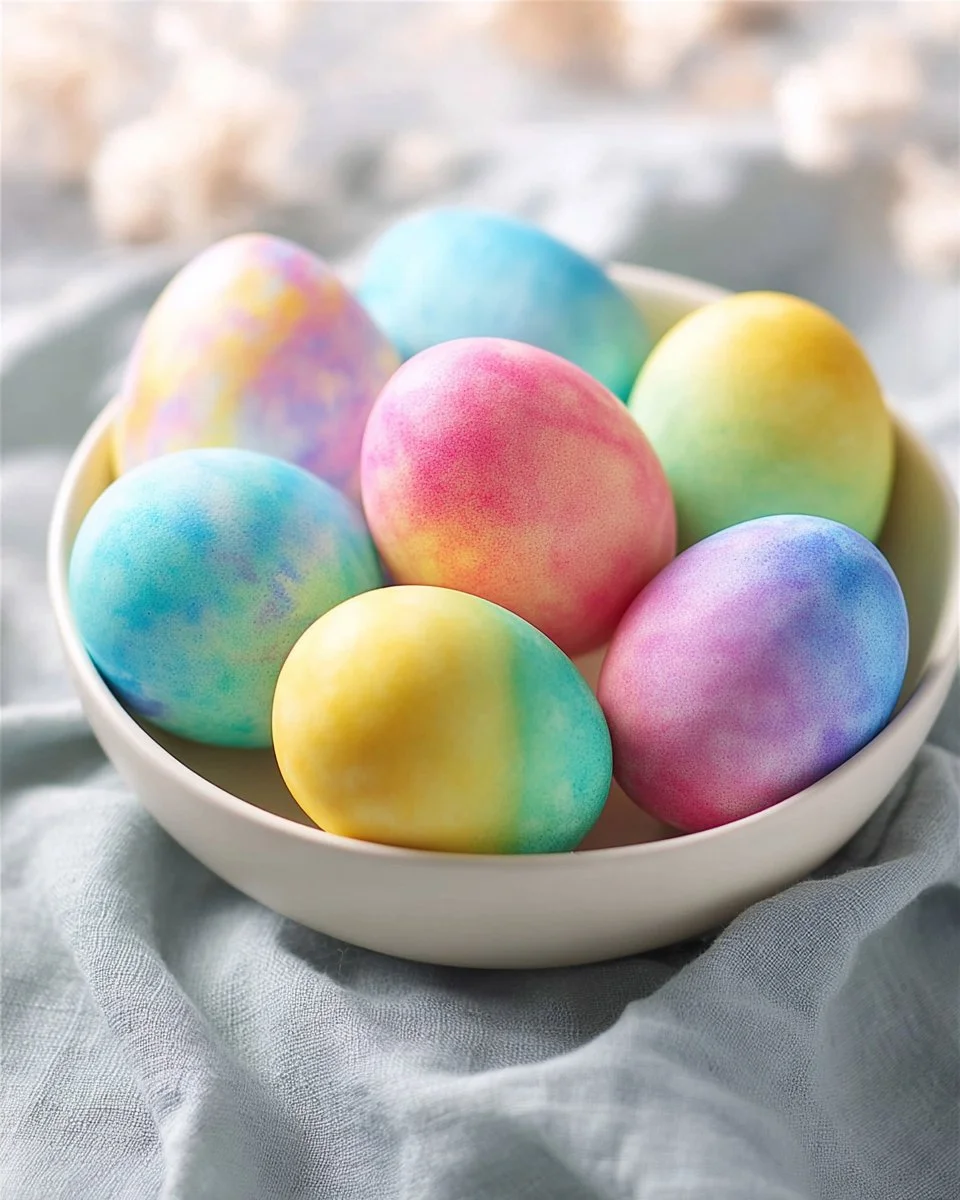
- Preheat your muffin pan; this will be your painting station.
- Put the muffin pan on the counter so each cup can hold a color.
- Yes, preheat here means warm gently for comfort and dryness, not hot; a warm pan helps paste sit better.
- Add a spoonful of baking soda to each cup.
- Scoop about a tablespoon into each muffin cup.
- You will notice the powder looks sandy and light; that texture becomes your paint base.
- Add a few drops of food coloring and a splash of water to each cup.
- A little color goes a long way; start with two to four drops per cup.
- Add just a splash of water. The mixture should stay thick rather than runny.
- Mix until it forms a thick, paint-like paste. Adjust with more baking soda if needed.
- Stir with a spoon until the paste holds shape and looks like softened icing.
- If it runs, add a bit more baking soda. If it feels like clay, add a splash more water.
- Use the mixture to gently paint the hard boiled eggs with your kids.
- Encourage kids to dab and brush with fingers or a small spoon, painting in short strokes.
- Rotate eggs between colors so layers build and blend gently. Let eggs dry a few minutes before handling.
The paint texture feels grainy but spreads smoothly. When your child presses a finger into the paste it will hold faint ridges and soft peaks. That tactile feedback helps kids change motion and pressure. If a color gets too wet it will slump. If it gets too dry, a tiny splash of water brings it back. Keep a damp paper towel nearby for fingertip wiping and quick cleanup.
The Simple Science or Skills at Work
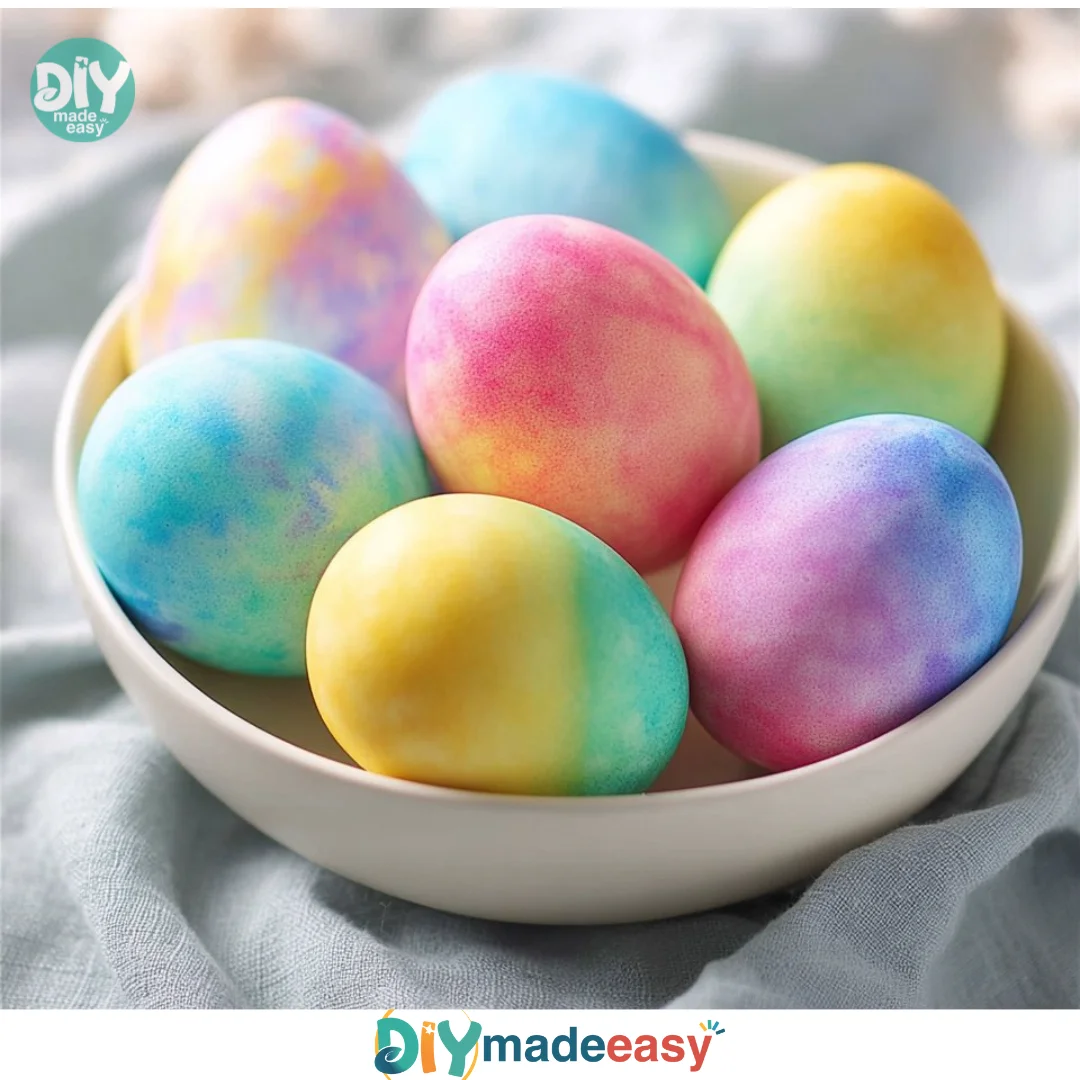
Kids practice several useful skills while making these eggs. They work on fine motor control as they hold and turn an egg and move the spoon with color. Mixing invites early measurement sense. Deciding how many drops of food coloring to add teaches cause and effect in a small, friendly way.
There is simple science here too. Baking soda absorbs moisture and creates a paste that traps dye in small pockets on the egg surface. That is why the color sits matte and textured instead of seeping and pooling. When kids add more water, the paste loosens and the color becomes more translucent. When the paste dries, the particles settle and the color looks softer.
You also get practical lesson time. Kids learn how to adjust texture with a pinch more baking soda or a careful splash of water. They observe drying time and decide when an egg is safe to pick up. These small choices build independence and confidence.
Troubleshooting Common Issues
If your paste is too runny, it will slide off the egg and make puddles.
- That happens when you add too much water. Stir in a little more baking soda until the mix thickens to a soft spreadable paste.
If the paste feels too stiff and clumpy, the color will break into chunks on the shell.
- Add a tiny splash of water and mix until it loosens. Aim for the texture of thick frosting.
If colors look muddy after mixing on the egg, they probably overlapped while the paste was still wet.
- Let the first color dry a bit before adding another. Encourage kids to dab gently rather than rub.
If kids pick up eggs before the paint sets, smudging will happen.
- Have a drying spot in the muffin pan where eggs rest for 5 to 10 minutes. Handle the painted part gently and hold eggs by unpainted areas when possible.
If hands get very messy, show kids how to scrape excess paste back into a cup and wipe with a damp cloth.
- If small spills get on the counter, a wet sponge will lift baking soda easily. Act quickly for the cleanest surface.
Easy Variations to Try
Try softer pastes for lighter watercolor-like effects.
- Use a touch more water so colors blend gently. This works well when older kids want subtle shading.
Let kids marble colors by gently tilting the egg while paste is wet.
- As colors meet, they swirl into soft marble patterns. Encourage slow movement and patience.
Use fingertip dots to make polka-dot eggs.
- Dip a finger into the paste and press gently to make textured dots that feel pleasing to touch.
Let older kids experiment with pattern masking.
- Paint a band, let it dry, then add dots or stripes for layered looks.
Make a color-mixing challenge.
- Give red and blue to mix into purple and ask kids to produce two shades of the same color.
For each suggestion, treat it as an idea rather than a rule. Kids learn more when they feel free to try and adjust. If a variation does not work, talk through what happened, make a small fix, and try again.
In the middle of a busy afternoon this craft pairs well with quiet play. You might set one child to painting and another to arranging the drying eggs. If you want more baking soda fun later, see tips on creating fizzy paint projects at home and growing simple kitchen science activities like our baking soda growing tree.
Storing or Reusing This Project
Store painted eggs in the refrigerator if you plan to eat them later.
- Keep them in a closed container and eat within a day or two for best freshness.
If you do not intend to eat the eggs, gently dust the dried paint off and save the shells for crafts.
- Crushed painted shells make colorful mosaics in glue projects.
Reuse leftover paste for a short time by keeping it covered.
- The paste may dry out after a while. Add a small splash of water and stir to revive it slightly, but do not reuse if it looks moldy or smells off.
Sweep up baking soda residue into a dustpan or wipe with a damp cloth.
- Baking soda rinses away easily. If you use the muffin pan again for baking, wash thoroughly with warm soapy water.
Think of this activity as low-waste when you plan ahead. Use eggs you already planned to cook and keep leftover paste brief. That way you enjoy the sensory fun without extra grocery runs.
FAQs About Baking Soda Painted Easter Eggs
Will this make a big mess?
I have a small kitchen and little patience for cleanup.
This stays fairly tidy compared with liquid paints. The paste clings and does not drip like watery dye. Expect some baking soda dust on hands and the work surface. Keep a damp cloth and a small tray nearby to catch drips. Wiping up right away removes most residue. If kids are very young, place a washable tablecloth under your station and set a clear rule about staying seated while painting.
Are these eggs safe for young children?
Hard boiled eggs and food coloring are safe materials to touch and paint. Watch for small kids trying to taste the paste and remind them that paint is not a snack. If a child has a known allergy to an ingredient in food coloring, skip that color and stick to uncolored baking soda for texture play. Always keep an adult supervising when eggs are in the mix.
Can I swap ingredients if I do not have food coloring?
Food coloring gives the brightest, most familiar Easter hues. If you do not have it, the paste still creates a tactile paint with a soft, chalky white finish. You can experiment with natural colors like a little beet juice or turmeric, but results vary and those options can stain hands and surfaces more. If you try natural colorants, test a small amount first so you know how they behave.
How long do painted eggs take to dry, and do they stay pretty?
Drying time depends on paste thickness and room temperature. Thin layers dry in ten minutes. Thick layers can take 20 to 30 minutes. The finished look stays chalky and textured. The paint will not look like commercial dyes. It looks homemade and charming. If a design looks imperfect, that often becomes part of the handmade appeal.
Can I eat the eggs after painting?
Yes, if you used food-safe coloring and clean utensils. Store painted hard boiled eggs in the refrigerator and eat them within one to two days. If you have any doubt about cleanliness during the activity, use the eggs for display or crafts instead.
A Final Helpful Note
Trust the process more than the outcome. These eggs rarely match a perfect store-bought finish, and that is fine. The joy comes from mixing colors, feeling textures, and seeing small hands experiment. Plan for short, focused time, set a clear cleanup plan, and let kids lead small choices like color mixing or dot patterns. When things go sideways, take a breath and turn the experience into a quick teachable moment about fixing spills or adjusting textures. You will end with a set of colorful, tactile eggs and a satisfied group who made something together.
Conclusion
If you want extra ideas and inspiration, the tutorial DIY Baking Soda Paint Easter Eggs – Dream a Little Bigger shows a similar method with photos and notes that can spark new layouts. For more classic approaches to egg decorating and step-by-step examples, check the guide at Easter Egg Painting – Casa de Casey to see different styles you can adapt to this baking soda paste technique.
PrintBaking Soda Painted Easter Eggs

Engage your kids in a fun and creative project by painting hard boiled eggs with a simple paste made from baking soda, food coloring, and water.
- Prep Time: 10 minutes
- Cook Time: 30 minutes
- Total Time: 40 minutes
- Yield: 4 servings
- Category: Craft
- Method: Painting
- Cuisine: American
- Diet: Vegetarian
Ingredients
- Baking soda
- Food coloring
- Water
- Hard boiled eggs (cooled and dry)
- Optional: muffin pan
Instructions
- Preheat your muffin pan to serve as the painting station.
- Put the muffin pan on the counter, setting it up for each cup to hold a color.
- Add a spoonful of baking soda to each cup (about a tablespoon).
- Add a few drops of food coloring and a splash of water to each cup.
- Mix until it forms a thick, paint-like paste, adjusting with more baking soda if needed.
- Use the mixture to gently paint the hard boiled eggs with your kids.
Notes
Keep a damp paper towel nearby for easy cleanup and make sure to supervise younger children while they paint.
Nutrition
- Serving Size: 1 egg
- Calories: 70
- Sugar: 0g
- Sodium: 10mg
- Fat: 5g
- Saturated Fat: 1g
- Unsaturated Fat: 4g
- Trans Fat: 0g
- Carbohydrates: 4g
- Fiber: 0g
- Protein: 6g
- Cholesterol: 186mg