

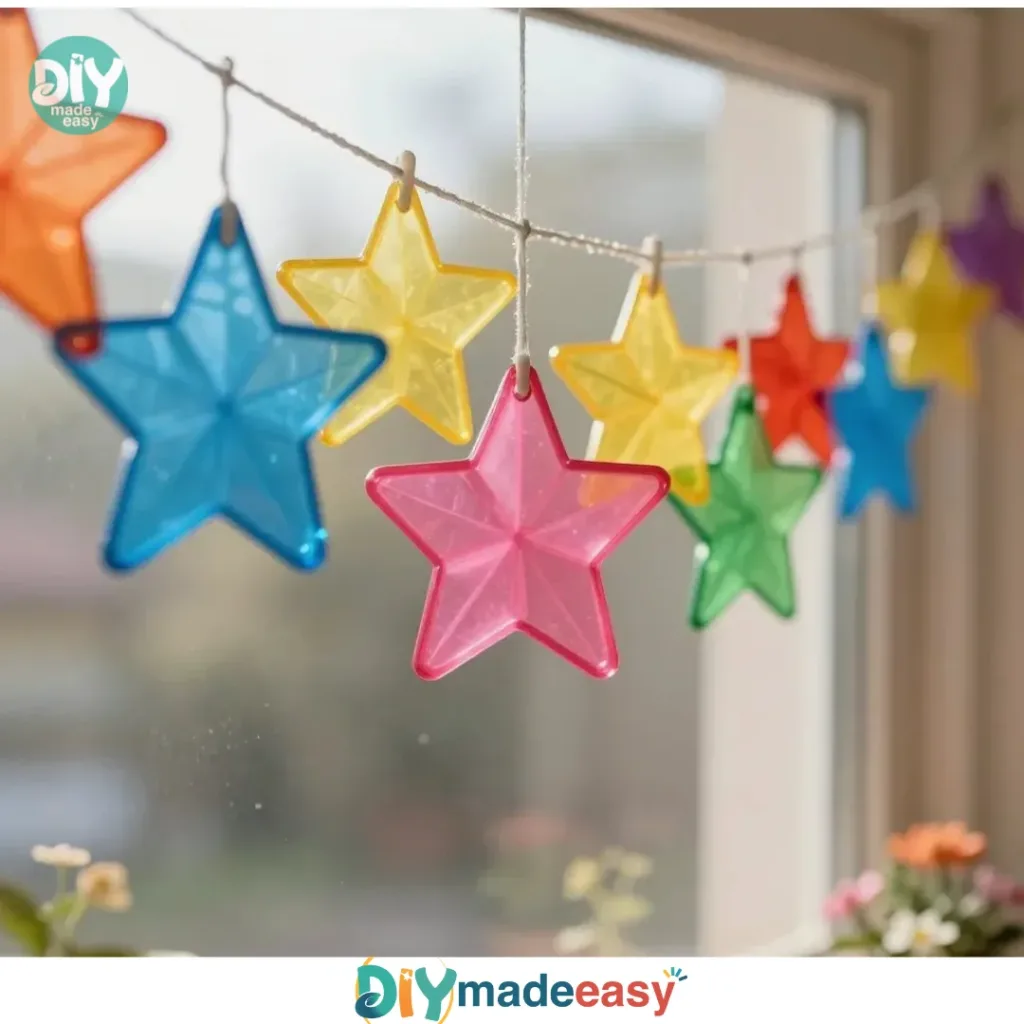
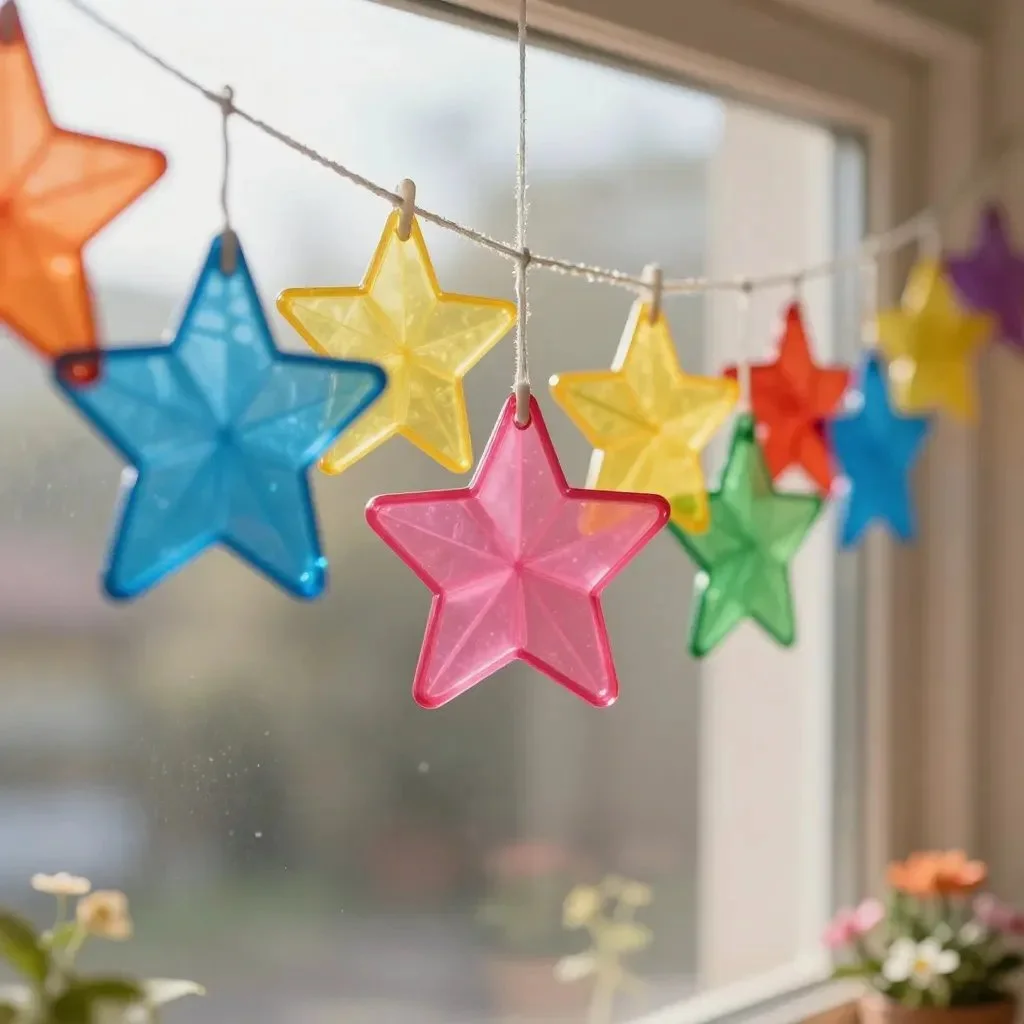
Sitting at the kitchen table on a busy afternoon, you hear the cheerful chatter of kids eager to make something special. They want a project that sparkles and catches the sunlight. That’s exactly when the idea of creating Sustainable Suncatchers That Glow in the Sunlight comes to mind, offering a fun and easy way to explore creativity with colorful inclusions and a simple bioplastic base. With just a few materials, you can enjoy a delightful crafting session that not only keeps everyone engaged but also leaves you with beautiful decorations to brighten up your home. You may also find Sustainable Suncatchers In The Sunlight useful.
Why You’ll Love Making Sustainable Suncatchers That Glow in the Sunlight
{image_2} You may also find Glow In The Dark Crystal Flowers useful.
This project is truly special. Its low-prep nature means you can jump right in without needing to set aside an entire day. The combination of cornstarch and water creates a wonderful bioplastic base that’s easy to work with. Plus, each suncatcher allows for creativity through the use of dried flowers, leaves, and decorative powders. These vibrant pieces of art are perfect for sunny days, as they transform light into a dazzling display. You may also find Glow In The Dark Crystal Tree useful.
The optimistic nature of this craft also fits well with busy lifestyles. You can adapt the project to whichever time you have available, making it an excellent choice for families on the go. Kids can grasp the core ideas, and once you guide them through the steps, they can take the reins. The feeling of satisfaction that comes from seeing their creations hanging in the sunlight is something to cherish.
A Quick Look Before You Begin
Creating sustainable suncatchers is a wonderfully rhythmic activity. Start by gathering your materials and clearing a calm workspace. Plan to spend about an hour, depending on your crafting rhythm and how many suncatchers you wish to create. The mess level is manageable, especially if you lay out parchment paper or a silicone mat to catch any drips or spills.
An adult can help set up the cooking process for the bioplastic mixture, but older kids can participate in all steps. You are looking at a project that encourages creativity, problem-solving, and fine motor skills all while crafting something that looks beautiful in the sun.
Materials You’ll Need
- Cornstarch
- Water
- Glycerin (optional)
- Thin recycled clear plastic sheets
- Dried flowers
- Pressed leaves
- Tiny seeds
- Small feathers (optional)
- Mica powder or biodegradable shimmer powder
- Small glass beads or recycled bead fragments (optional)
- Heat-safe silicone mat or parchment paper
- Small saucepan and heatproof bowl
- Cookie cutters or small silicone molds
- Fine sandpaper (optional)
- Twine, thin cork, driftwood, or brass ring
- Scissors and small tweezers
- Shallow tray or flat surface
- Timer or watch
Most of these materials are likely already in your home, which makes gathering supplies easy and budget-friendly. You may want to pick up silicate sheets and feathers at your local craft store to add that personal touch.
Step-by-Step Directions
{image_1}
- Prepare your workspace so it feels calm and clear. Keep a towel and water nearby. Lay the silicone mat or parchment on the table.
- Choose your inclusions and arrange them on the mat. Feel their textures as you sort them. This step is great for getting everyone excited about their designs.
- If using a bioplastic base, mix together cornstarch, water, and glycerin until translucent. You only need a small amount of glycerin to enhance the mixture’s smoothness and flexibility.
- Warm the mixture slowly in a double boiler until it becomes glossy and thick. This process can create small bubbles, which are harmless. Just stir gently to reduce them.
- Pour or spread the warm mixture onto the mat, smoothing it into a thin layer. A spatula or a clean spatula works well for this.
- Press dried flowers, mica, and beads into the warm surface. Be creative! Different placements will yield unique suncatcher designs, so encourage the kids to make each one their own.
- Use cookie cutters for defined shapes, pressing firmly. These shapes can be anything from hearts to stars, providing variety in how your suncatchers will ultimately look.
- Allow each piece to cool in a quiet spot until it sets. This usually takes about 20 to 30 minutes. Once cooled, they will be firm yet flexible.
- Trim rough edges with scissors or sandpaper. This step helps in making clean lines, improving the overall look of your suncatchers.
- Create a small hole for hanging with a heated skewer or punch. Be cautious with this step, as the skewer may be hot.
- Thread twine or rings through the hole to hang. This adds a gorgeous finish and allows for easy display.
- Test how the piece catches light by moving it toward the sun, adjusting as needed. This is perhaps the most exciting part, where the kids can see their hard work pay off.
- Clean up the workspace and store surplus materials in labeled jars. Include a quick check to ensure everything is put away to make future projects easier.
The Learning Behind This DIY
{image_template}
As everyone crafts their suncatchers, they are unknowingly honing several skills. Fine motor skills improve as kids carefully place petals and beads into the mixture. The process of mixing and warming ingredients provides a gentle introduction to basic science concepts like states of matter and how heat affects viscosity. Adults can take this opportunity to talk about the environment and why using cornstarch over plastic is a better choice for suncatchers. Engaging kids in a conversation about sustainability can lead to deeper curiosities and practices in daily life.
Troubleshooting Common Issues
When crafting, things may not go as planned from time to time. Perhaps the bioplastic mixture didn’t thicken properly. This could happen if it wasn’t warmed evenly or long enough. If that’s the case, simply warm it a bit more while stirring gently. Another common issue involves cleaning; beads may stick to the mat or each other. A gentle soaking with warm soapy water usually does the trick, allowing for easy releases.
Easy Variations to Try
You can easily change up this project for different seasons or occasions. For Autumn, consider using leaves instead of flowers and adding orange or red colors to your bioplastic mixture. In Winter, pine needles and bits of string lights could create a festive feel. You can even experiment with different shapes and hole placements for a unique display style.
Storing or Reusing This Project
Once the suncatchers begin to fade or break, try to reuse parts where possible. The twine or rings can always be reused, while the bioplastic can be discarded responsibly. Instead of throwing the leftover bits away, it’s great to gather them for a future project or rework them into new designs.
FAQs About Sustainable Suncatchers That Glow in the Sunlight
Is this project messy?
Yes, there might be some spills, but preparing your workspace correctly means cleaning up is straightforward. Just ensure everything is covered; it can even become a fun part of the process!
What’s the right age range for this activity?
It’s suitable for children ages five and up, with adult supervision for the heating process. Younger children can certainly observe and assist in arranging materials.
Can we substitute the ingredients?
Yes, using more or fewer dried flowers is a common substitution, but ensure that the overall ratio of cornstarch and liquid stays the same for the bioplastic to work.
How realistic are the results?
Suncatchers may not turn out perfect, but that’s part of the charm. Embrace the quirky shapes and colors I guarantee they still look wonderful when hung in the sun!
Conclusion
Crafting sustainable suncatchers can be a joyful experience that fosters creativity and learning at the same time. The resulting pieces are not just beautiful decorations; they also spark conversations about eco-friendliness. Explore this art project further with resources like Sun Glowz Hand Crafted Sun Catchers for more inspiration or discover a range of detailed crafting ideas at DIY Bioplastic Suncatchers: Eco-Friendly Art That Shines Bright!. Dive in and enjoy the light this project brings into your home!
PrintSustainable Suncatchers That Glow in the Sunlight
A fun and easy crafting project that combines creativity with sustainability, perfect for kids and the whole family.
- Prep Time: 10 minutes
- Cook Time: 30 minutes
- Total Time: 40 minutes
- Yield: Varies based on size and number of suncatchers created
- Category: Craft
- Method: Crafting
- Diet: N/A
Ingredients
- Cornstarch
- Water
- Glycerin (optional)
- Thin recycled clear plastic sheets
- Dried flowers
- Pressed leaves
- Tiny seeds
- Small feathers (optional)
- Mica powder or biodegradable shimmer powder
- Small glass beads or recycled bead fragments (optional)
- Heat-safe silicone mat or parchment paper
- Small saucepan and heatproof bowl
- Cookie cutters or small silicone molds
- Fine sandpaper (optional)
- Twine, thin cork, driftwood, or brass ring
- Scissors and small tweezers
- Shallow tray or flat surface
- Timer or watch
Instructions
- Prepare your workspace so it feels calm and clear. Keep a towel and water nearby. Lay the silicone mat or parchment on the table.
- Choose your inclusions and arrange them on the mat. Feel their textures as you sort them.
- If using a bioplastic base, mix together cornstarch, water, and glycerin until translucent.
- Warm the mixture slowly in a double boiler until it becomes glossy and thick.
- Pour or spread the warm mixture onto the mat, smoothing it into a thin layer.
- Press dried flowers, mica, and beads into the warm surface.
- Use cookie cutters for defined shapes, pressing firmly.
- Allow each piece to cool in a quiet spot until it sets, usually takes about 20 to 30 minutes.
- Trim rough edges with scissors or sandpaper.
- Create a small hole for hanging with a heated skewer or punch.
- Thread twine or rings through the hole to hang.
- Test how the piece catches light by moving it toward the sun.
- Clean up the workspace and store surplus materials in labeled jars.
Notes
Ensure adult supervision during heating processes. Use variations for different seasons to keep the project fresh and exciting.
Nutrition
- Serving Size: 1 suncatcher
- Calories: 0
- Sugar: 0g
- Sodium: 0mg
- Fat: 0g
- Saturated Fat: 0g
- Unsaturated Fat: 0g
- Trans Fat: 0g
- Carbohydrates: 0g
- Fiber: 0g
- Protein: 0g
- Cholesterol: 0mg