
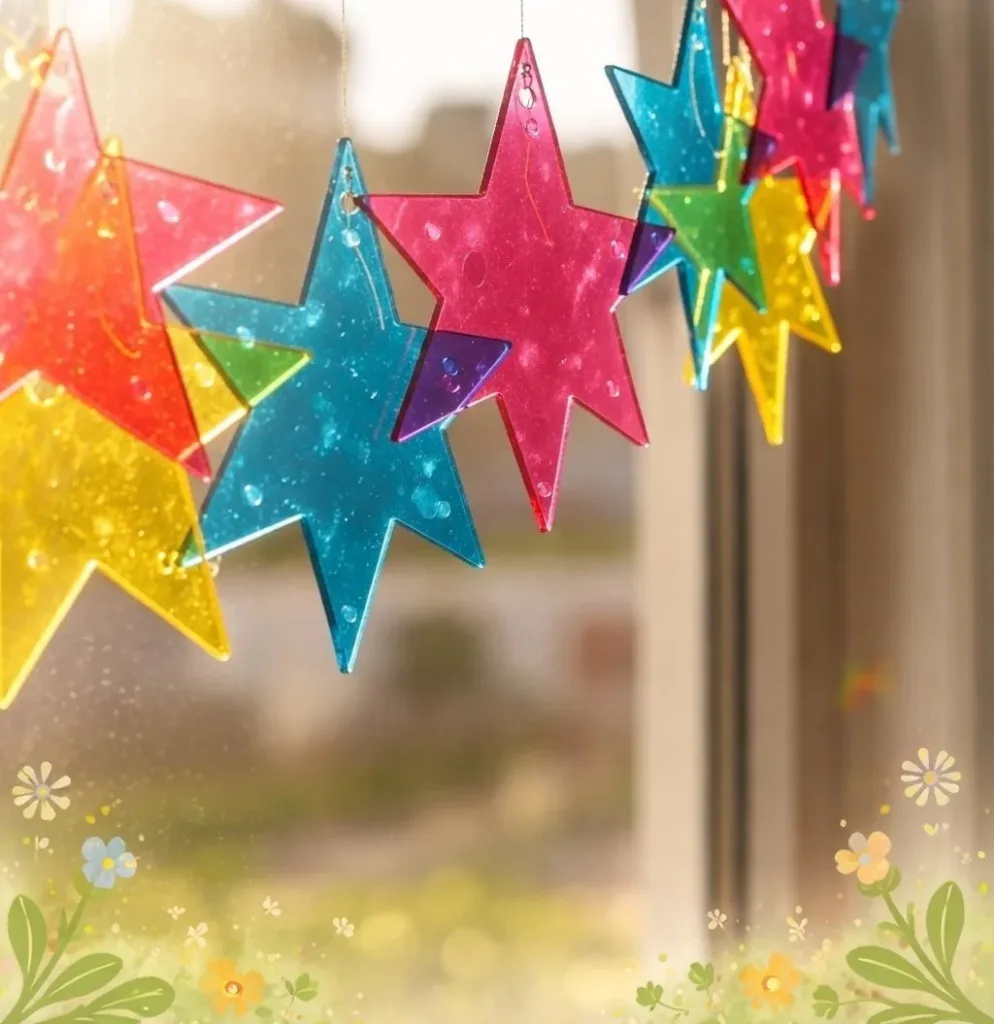
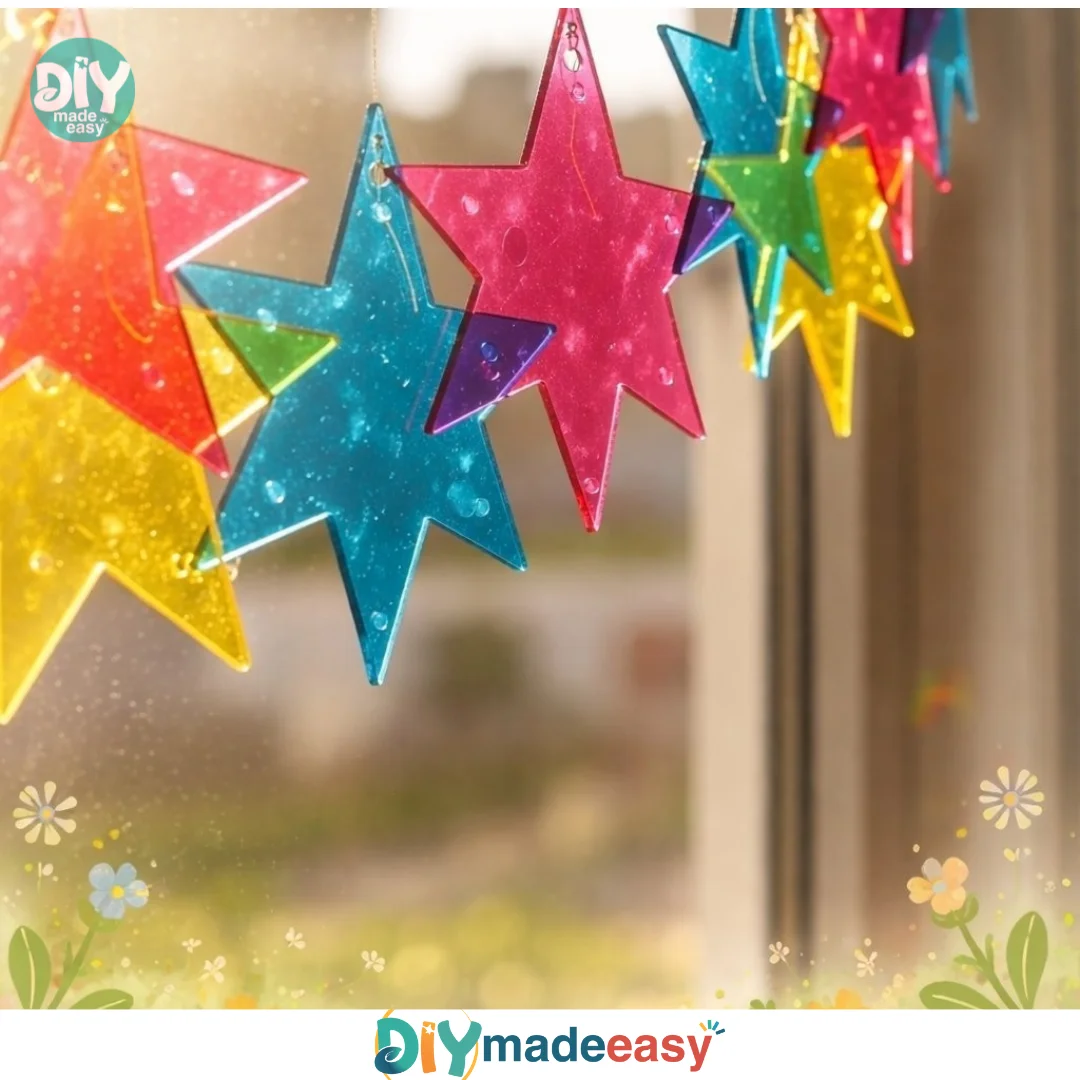
A busy afternoon, a cup of tea cooling on the counter, and the kids asking for something to make now those are the moments when Sustainable Suncatchers That Glow in the Sunlight shine. I have made these on tight afternoons when energy and time ran low, and the project stretched calmly across a couple of quiet hours. You set out a few simple things from the kitchen, let the warm bioplastic cool, and watch pressed flowers and tiny seeds float inside a soft, glowing piece. If you liked our idea for colorful window art like the crayon suncatchers in blue hues, this one uses even easier materials and leans into nature and recycled bits for a gentle, family-friendly craft.
Why You’ll Love Making Sustainable Suncatchers That Glow in the Sunlight
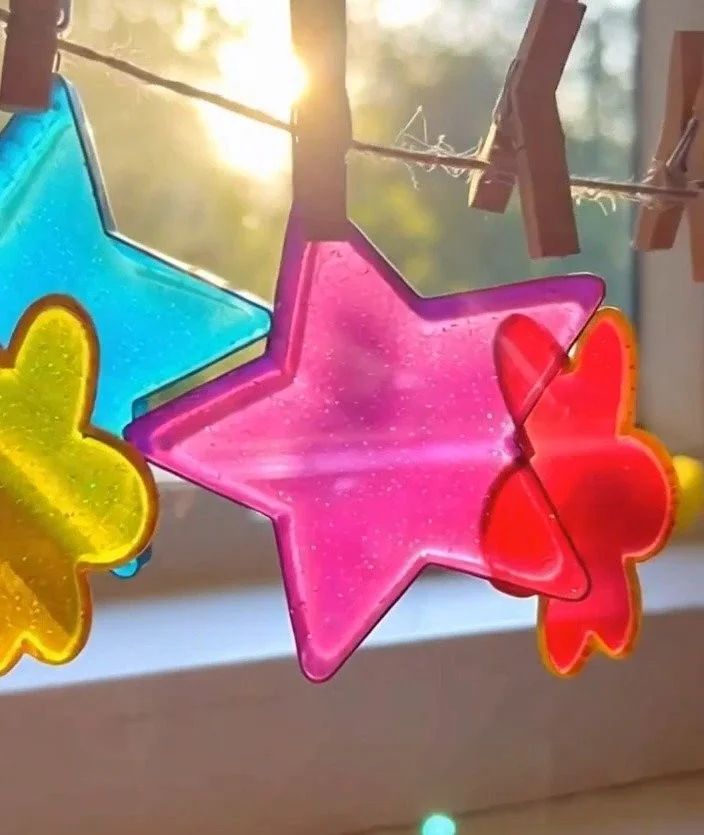
This project fits real life. It uses common kitchen pantry items and small bits of recycled clear plastic, so you do not need a special trip to the craft store. You can set it up on a weekday afternoon or save it as a calm weekend activity.
The steps stay simple. Mixing the bioplastic base takes a few gentle stirs, warming on low heat turns the mixture glossy, and pressing dried flowers into the warm sheet feels quietly satisfying. You get clear results on the first try most of the time.
It suits different ages. Little hands can arrange seeds and petals while an adult manages the stove. Older kids can handle spreading the warm sheet and cutting shapes. This makes it a flexible activity for mixed-age groups and short attention spans.
If you want projects with a similar slow, hands-on feel, try a few ideas that work well with this pace and patience. For a different glow technique that uses a small chemistry experiment and gentle sanding, see our make-and-play options like the glow crystal tree, which pairs well with a suncatcher-making afternoon.
A Quick Look Before You Begin
This DIY takes about 45 minutes to 90 minutes from start to finish, depending on how many pieces you make and how long you let things cool. The active hands-on time runs around 25 to 40 minutes.
Set aside a small clear area and line it with a silicone mat or parchment. You will have gentle, sticky cleanup cornstarch mixtures can stick if left to dry on the counter so keep a damp towel nearby.
Expect low but present mess. This is not a paint-heavy project. You might wipe a little pot and spatula afterward. Children will need supervision near the stove and during the hour the pieces cool.
Most of the skill comes from calming pacing and noticing textures. The mixture changes from cloudy to translucent, then to glossy on the stove. Those visual cues tell you when to pour and press in your items.
Materials You’ll Need
Cornstarch common pantry item
Water tap water works fine
Glycerin (optional) holds flexibility; optional if you do not have it
Thin recycled clear plastic sheets or old transparent packaging clean, dry, recycled material
Dried flowers pressed or fully dried to avoid trapped moisture
Pressed leaves thin and flat works best
Tiny seeds add texture and interest
Small feathers (optional) optional; delicate and decorative
Mica powder or biodegradable shimmer powder small pinch for sparkle
Small glass beads or recycled bead fragments (optional) light-catching bits
Heat-safe silicone mat or parchment paper surface for spreading
Small saucepan for double boiler setup
Heatproof bowl sits over the saucepan for safe heating
Cookie cutters or small silicone molds shape makers
Fine sandpaper (optional) smooth rough edges
Twine, thin cork, driftwood, or brass ring for hanging finishing hardware
Scissors trim edges
Small tweezers place tiny inclusions carefully
Shallow tray or flat surface for cooling
Timer or watch keep track of cooling and cooking times
Step-by-Step Directions
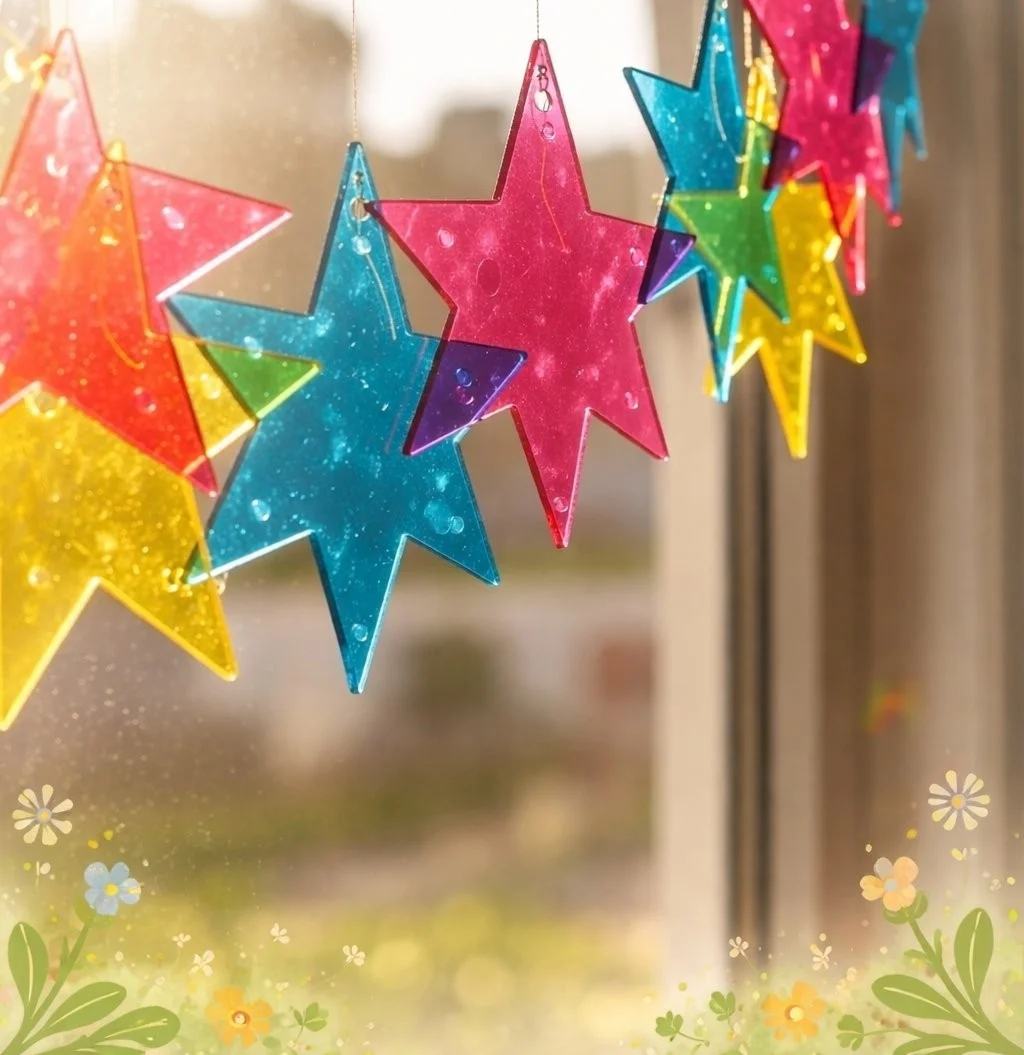
- Prepare your workspace to ensure it feels calm and clear.
Lay the silicone mat or parchment on the table and have a towel and water within reach.
Move curious pets away and clear a small space for the cooling tray. - Choose and arrange your natural inclusions on the mat, noticing their textures.
Place dried flowers, pressed leaves, seeds, and beads exactly where you like them.
Take a moment to feel petals and leaves; this helps plan the final composition. - Mix the bioplastic base by combining cornstarch, water, and a little glycerin.
Use a small bowl to stir the cornstarch and water until smooth, then add a splash of glycerin if you have it.
Stir gently until the mixture looks translucent and lump-free. - Warm the mixture slowly in a double boiler on low heat, stirring until it becomes glossy and thick.
Set the heat very low and keep stirring to avoid lumps or sudden thickening.
Watch for the glossy sheen and slower movement when you lift the spatula; that is your cue. - Pour or spread the warm mixture onto the mat, smoothing it into a thin, even layer with a spatula.
Work quickly but calmly so the sheet stays warm and workable.
Aim for a thickness you like; thinner pieces catch light more, thicker pieces feel sturdier. - Arrange your dried flowers, mica, and beads on the warm surface, pressing them lightly into the mixture.
Use tweezers for tiny seeds or beads to keep placement neat.
Press just enough so items sit flush, not so deep that they disappear into the material. - For defined shapes, press a cookie cutter into the warm sheet.
Apply gentle, even pressure and wiggle slightly to separate the shape cleanly.
If the cutter sticks, lift at an angle or wait a minute for the sheet to firm. - Allow each piece to cool in a quiet spot until it changes from glossy to matte.
Move the cooling tray away from drafts and curious hands.
Cooling can take 20 to 45 minutes depending on thickness. - Trim rough edges with scissors or fine sandpaper. Add a small hole for hanging with a heated skewer or punch.
Trim slowly so you do not crack the piece; sandpaper smooths ragged spots gently.
Heat a skewer then press to create a clean hole for hanging hardware. - Thread twine or a brass ring through the hole and adjust the length for hanging.
Choose twine, cork, or a brass ring depending on the look you want.
Tie secure knots and test by holding the suncatcher up to light. - Test how the piece catches light and make adjustments as needed. Clean your workspace and store leftover materials properly.
Try different windows and light angles to see the shimmer. Tweak hanging length for the best glow.
Wipe tools with warm water, dry recycled plastics, and put scraps in your compost or recycling where appropriate.
The Simple Science or Skills at Work
This project uses simple chemistry and everyday physics. Cornstarch mixed with hot water forms a gel. When you heat it and remove water, the gel changes texture and becomes a flexible sheet that holds objects.
Glycerin adds softness and slows drying. If you skip glycerin, the suncatcher will still work but may feel firmer. That is fine for ornaments or short-term displays.
Kids practice careful observation. They learn to watch for the glossy stage on the stove and the matte finish while cooling. They notice cause and effect: less heat means slower thickening, more moisture means longer drying.
Fine motor skills grow when children pick up tiny seeds, arrange petals, and thread twine through a hole. Those little actions build hand-eye coordination and patience.
Troubleshooting Common Issues
If the mixture is lumpy after mixing, it usually means the cornstarch clumped when water was added too quickly. Stir slowly and whisk small lumps out. Using a small sieve to pre-mix dry cornstarch can help.
If the sheet cracks when you try to shape or trim it, it likely dried too much or is too thin at the edge. Warm the piece slightly on low heat or apply a tiny dab of warm mixture to re-join cracks.
If your dried flowers darken under the warm sheet, they may still hold moisture. Always use fully dried items. Press a petal flat and feel it; it should be brittle, not springy.
If the hole for hanging is messy or breaks out, use a heated skewer and make the hole while the piece is warm but not hot. Heat helps the skewer pass through cleanly without cracking.
Easy Variations to Try
Try tiny collages. Make small round suncatchers filled with a single color palette of petals and seeds to hang in a cluster for a subtle rainbow effect.
Use recycled clear plastic sheets for texture. Layer thin plastic fragments on the mat first, then pour the mixture so you get a two-layer look that catches light differently.
Make mini-mobiles. Create several small shapes and hang them from a driftwood piece. The pieces will move gently and pick up light at different angles.
Seasonal themes work well. For fall, use warm-toned leaves and small pinecone fragments. For spring, use pale petals and mica powder for fresh shimmer. These suggestions keep the activity fresh without changing the process.
Storing or Reusing This Project
Suncatchers last best indoors away from direct heat and rough handling. Display them in windows where they will catch light but not touch hot surfaces or humid areas.
Store extra dried inclusions in a dry, airtight container to keep them crisp. Label small bags with the date so you know what still works well.
Leftover bioplastic mix usually dries into a rubbery sheet. You can keep small scraps for other projects or compost them where bioplastic disposal fits your local rules. Avoid putting the cooked mixture in the sink; wipe pans with a towel first, then wash.
Reuse packaging and beads. Clean and dry any recycled clear plastic before use. Small glass beads or broken bead fragments add sparkle and reuse materials that might otherwise go to waste.
FAQs About Sustainable Suncatchers That Glow in the Sunlight
Can this activity be done with preschoolers and still be safe?
I often do this with kids around 4 to 6, but they need close supervision around the stove and hot tools. Let them arrange inclusions on the mat and thread twine after an adult handles the cooking and hole-making. The safe parts are very satisfying for little hands, and adult help keeps it calm.
What if I do not have glycerin will the suncatchers still work?
Yes. Glycerin gives a softer, more flexible finish, but the basic cornstarch and water mixture forms a sturdy, translucent sheet on its own. Expect a firmer feel without glycerin and plan to avoid bending those pieces too much.
How messy will this get, and how hard is cleanup?
The mess stays pretty contained. The mixture can stick if it dries on counters, so wipe warm tools right away with a towel and then wash. Use a silicone mat or parchment and you will mostly lift the finished sheet cleanly, leaving small, manageable tidy-up.
Will the dried flowers stay pretty, or do they fade or darken?
Most pressed flowers keep shape and color if they start fully dry. If petals feel slightly damp, they can darken under heat. I check petals with a fingertip before beginning and leave any that still feel soft out of the project.
Can I save extra suncatchers and reuse them next season?
Yes. Store them flat in a soft box or cloth sleeve to prevent scratching. Avoid humid storage so the pieces do not soften or warp.
A Final Helpful Note
Keep your expectations gentle and kind. These suncatchers look handmade and a little imperfect, and that is the charm. Focus on the calm of arranging bits and the small delight when sunlight hits one for the first time.
If things do not go perfectly the first time, save the remnants, tweak the thickness, and try a second small piece. You will get a feel for the glossy-to-matte window and how pressure affects embedded flowers. That learning is part of the joy.
Remember, the point is simple materials and real results without fuss. Enjoy the slow, quiet parts of making, and let the kids join in the bits they can manage.
Conclusion
If you want handmade suncatcher inspiration from a small artisan business, check out Sun Glowz Hand Crafted Sun Catchers for ideas on shapes and display options. For a step-by-step look at a similar eco-friendly technique and helpful troubleshooting, see DIY Bioplastic Suncatchers: Eco-Friendly Art That Shines Bright!.
PrintSustainable Suncatchers That Glow in the Sunlight

Create beautiful suncatchers using simple kitchen items and recycled materials, perfect for family crafting.
- Prep Time: 25 minutes
- Cook Time: 20 minutes
- Total Time: 45 minutes
- Yield: Multiple suncatchers (depends on thickness)
- Category: Craft
- Method: Crafting
- Cuisine: N/A
- Diet: N/A
Ingredients
- Cornstarch
- Water
- Glycerin (optional)
- Thin recycled clear plastic sheets
- Dried flowers
- Pressed leaves
- Tiny seeds
- Small feathers (optional)
- Mica powder or biodegradable shimmer powder
- Small glass beads or recycled bead fragments (optional)
- Heat-safe silicone mat or parchment paper
- Small saucepan
- Heatproof bowl
- Cookie cutters or small silicone molds
- Fine sandpaper (optional)
- Twine, thin cork, driftwood, or brass ring for hanging
- Scissors
- Small tweezers
- Shallow tray or flat surface
- Timer or watch
Instructions
- Prepare your workspace to ensure it feels calm and clear.
- Choose and arrange your natural inclusions on the mat, noticing their textures.
- Mix the bioplastic base by combining cornstarch, water, and a little glycerin.
- Warm the mixture slowly in a double boiler on low heat, stirring until it becomes glossy and thick.
- Pour or spread the warm mixture onto the mat, smoothing it into a thin, even layer with a spatula.
- Arrange your dried flowers, mica, and beads on the warm surface, pressing them lightly into the mixture.
- Press a cookie cutter into the warm sheet for defined shapes.
- Allow each piece to cool in a quiet spot until it changes from glossy to matte.
- Trim rough edges with scissors or fine sandpaper.
- Thread twine or a brass ring through the hole and adjust the length for hanging.
- Test how the piece catches light and make adjustments as needed.
Notes
Use fully dried flowers for best results. Keep an eye on children near the stove during preparation.
Nutrition
- Serving Size: 1 suncatcher
- Calories: N/A
- Sugar: N/A
- Sodium: N/A
- Fat: N/A
- Saturated Fat: N/A
- Unsaturated Fat: N/A
- Trans Fat: N/A
- Carbohydrates: N/A
- Fiber: N/A
- Protein: N/A
- Cholesterol: N/A