

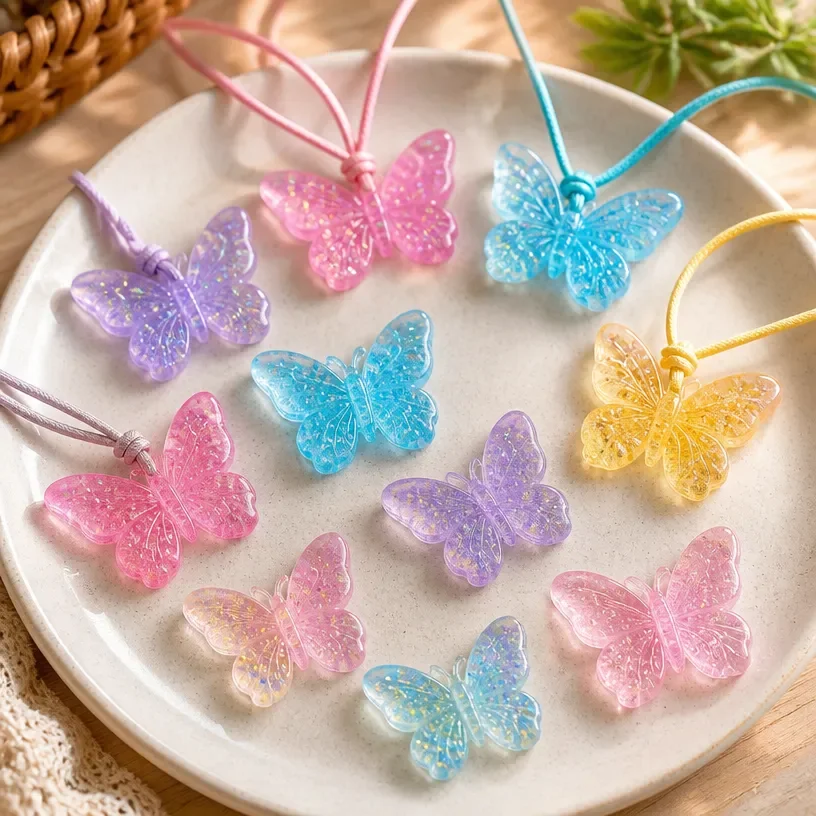
Creating fun, colorful crafts with children is always a delightful way to spend an afternoon. If you’re looking for a simple and engaging project, making Glass Butterfly Charms with cornstarch is an ideal option. This activity not only encourages creativity but also keeps little hands busy. With just a few household materials, you can create charming decorations that look beautiful when displayed or given as gifts. Plus, you can get your kids involved in the mixing, pouring, and decorating as they learn through hands-on creation. You may also find Diy Glass Butterfly Charms Cornstarch useful.
Why This Glass Butterfly Charms Made with Cornstarch Works So Well
You may also find Cornstarch Based Seashell Glass Eco Friendly Homes useful.
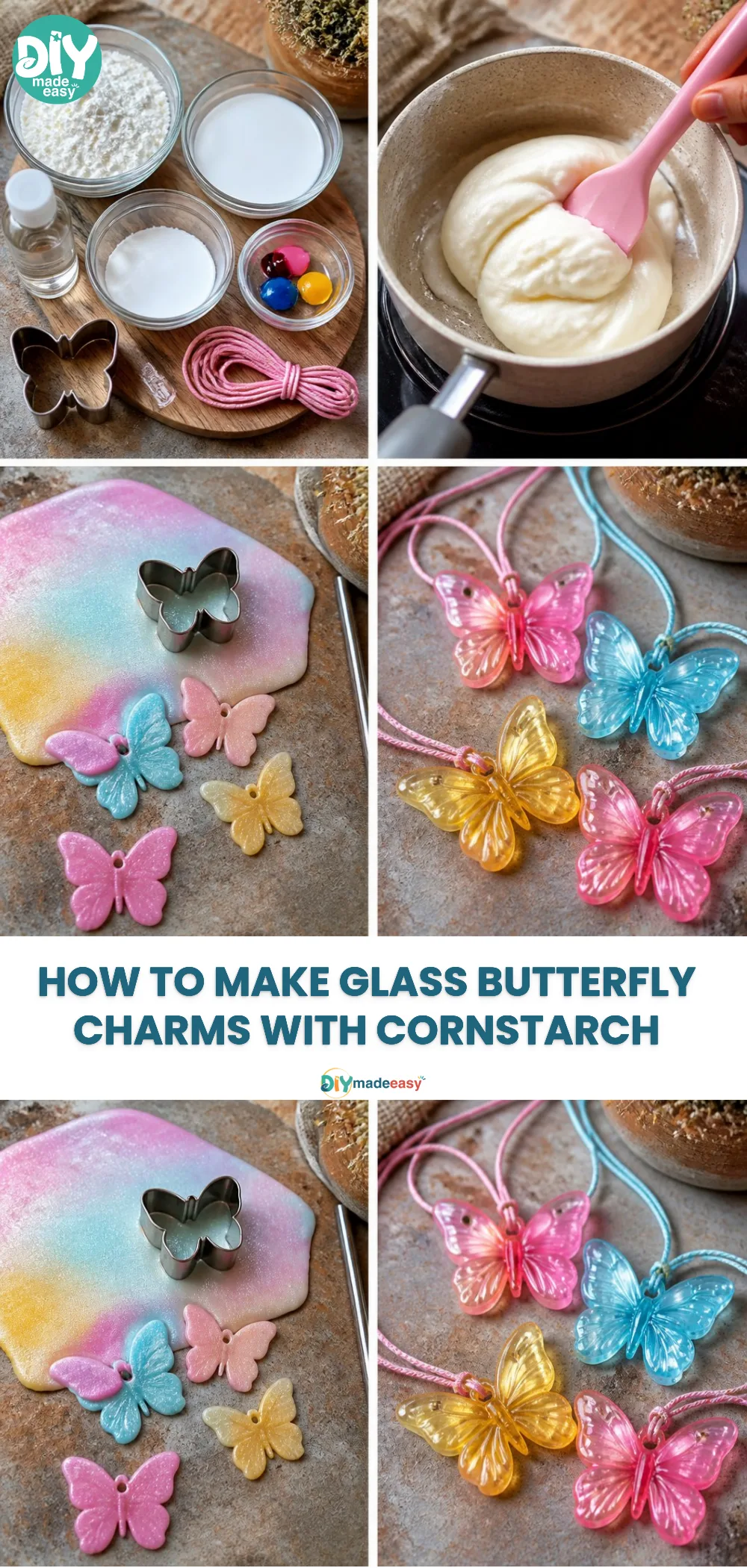
One of the most appealing aspects of this project is that it is incredibly low-prep. You only need a handful of ingredients that you likely already have at home, making it simple to get started on a whim. Its approachability means that even kids who are new to crafting can participate without feeling overwhelmed. What makes the Glass Butterfly Charms so reliable is the straightforward process by following the steps closely, you can anticipate a fun and successful outcome. You may also find Cornstarch Flower Charms useful.
A Quick Look Before You Begin
Before diving into the creation process, it’s good to take a step back and assess what you need. The timing is manageable; from start to finish, the charm-making will take just a little over a day, allowing for drying. While the active preparation time is relatively short less than 30 minutes be sure to factor in the drying phase. Cleanup is minimal and should only involve washing the mixing bowl and molds. This project is perfect for both kids and adults, allowing for teamwork and shared creativity. You may also find Frosted Glass Vase Cornstarch Texture useful.
Materials You’ll Need
- Cornstarch
- Water
- Food coloring (optional)
- Sparkle glitter (optional)
- Butterfly molds
Each of these materials is either a common household item, optional, or easy to substitute with other crafting items. For instance, if you don’t have food coloring, feel free to skip it, or use natural foods like beet juice for a pink hue. The sparkles can be a fun addition, but they are not necessary for a visually appealing result.
Step-by-Step Directions
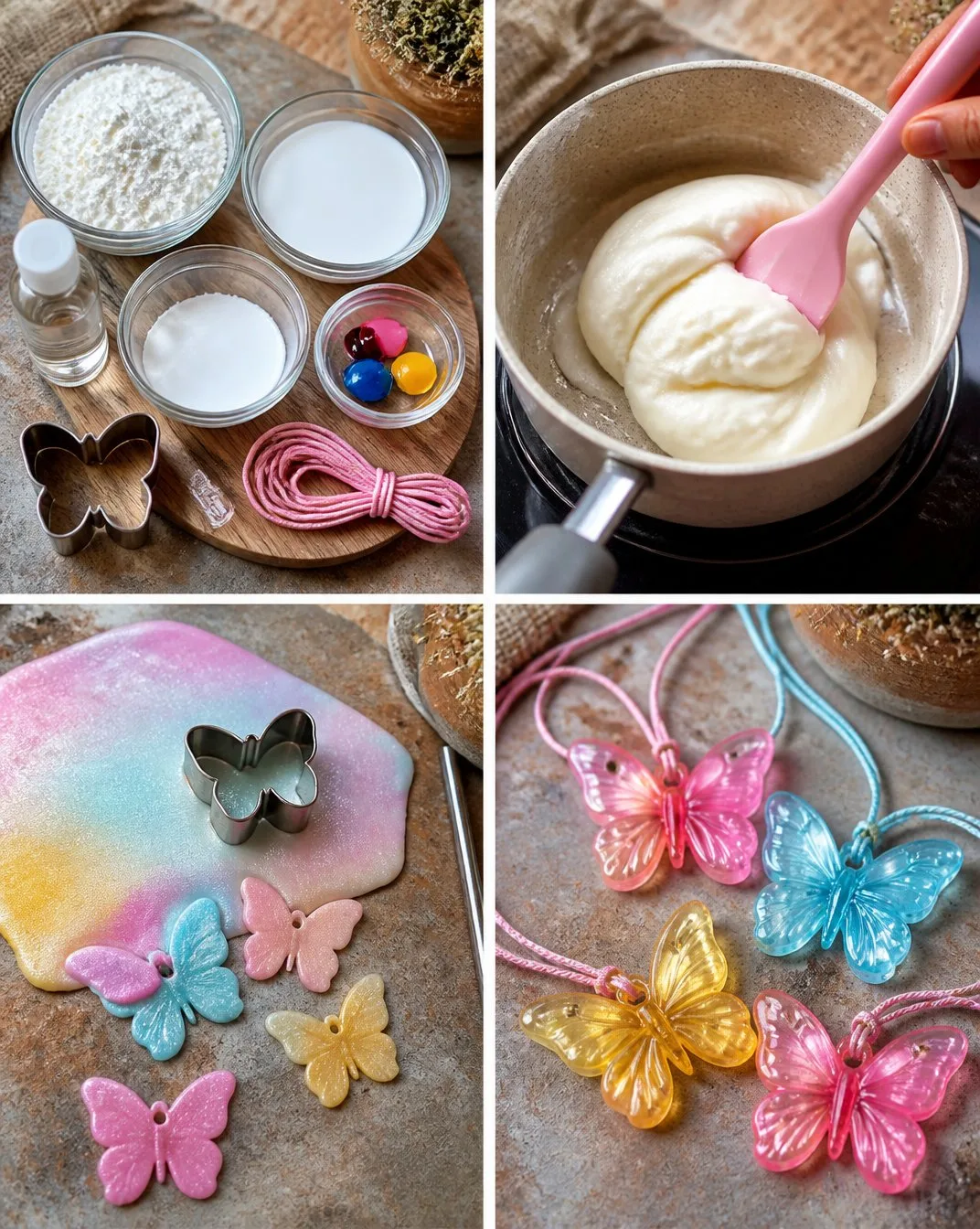
Start by mixing equal parts of cornstarch and water in a bowl until smooth. It’s best to do this slowly, ensuring that no lumps remain. The texture should be creamy, reminiscent of a pancake batter.
If you want to add some extra flair, now is the time to add food coloring and glitter. Mix well to ensure the color is even throughout your mixture. This part of the process is where the kids can be really creative, experimenting with colors and glitter types.
Carefully pour the mixture into your butterfly molds. Take care not to overfill and create a mess, but don’t worry too much about making it perfect; any small imperfections will add character.
Allow the molds to dry for 24 hours. This step is crucial as it helps the charms take shape. It’s best to place them somewhere safe and undisturbed so they can dry evenly.
Once they are completely dry, gently remove the charms from the molds. You may find some minor sticking, so use a gentle hand to avoid breaking the charms.
What Kids Practice While Making This
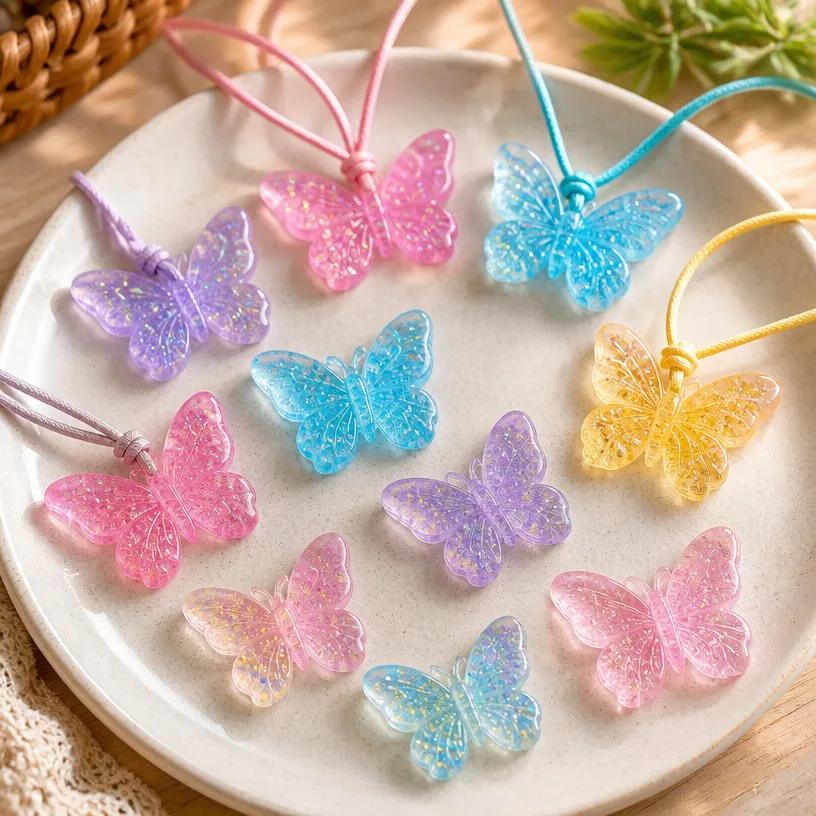
There’s more to this DIY project than just creating beautiful charms. While making Glass Butterfly Charms, children practice various skills that are essential for their development. They enhance fine motor skills when measuring and pouring, and the sensory aspect of mixing different materials helps with coordination and spatial awareness. Additionally, this craft introduces basic concepts of chemistry, particularly how different substances can combine to create new textures. Understanding cause and effect comes into play when they see how their mixtures change during drying.
Troubleshooting Common Issues
When crafting, things don’t always go according to plan, and that’s okay. One common issue might be the charms cracking or breaking when removed from the molds. This can happen if they didn’t dry fully or if they were overfilled. In such cases, allowing more drying time may solve the problem. If the mixture seems too runny, consider adding more cornstarch until the desired thickness is achieved. Encourage the little ones to embrace these learning moments each misstep is just another step toward mastering their crafting skills.
Easy Variations to Try
You can keep the creativity flowing by introducing some easy variations on your charms:
- Use different shapes of molds, like hearts or stars, to create a variety of charms that suit different occasions.
- Experiment with layering colors; let the first layer dry slightly before adding another for a multi-colored effect.
- Instead of glitter, try embedding small flowers or leaves to give a natural touch to the designs.
What to Do With It After
Once your charms are dry and beautiful, you might wonder about their end use. Consider stringing them together to make a lovely mobile or garland. You can also use them to decorate home items, like turning them into gifts or using them as embellishments on scrapbook pages. Additionally, they can be a great way to teach children about sustainable crafting, as they can be reused and even recycled if needed.
FAQs About Glass Butterfly Charms Made with Cornstarch
One common question is about the mess during the process. I assure you, while there may be some drips and spills, most of it can be easily managed by working at a clean table and using a small bowl for mixing. Parents often inquire about the safety of the materials used, and I’d like to say that everything in this project is non-toxic and safe for kids, but supervision during the crafting process is still recommended.
Also, many wonder about ingredient substitutions. Yes, you can use flour instead of cornstarch in a pinch, but the texture and clarity may vary. Lastly, while the charms are fairly durable, storing them in a cool, dry place helps in maintaining their beauty and preventing warping or damage.
A Final Helpful Note
This project is about letting creativity flow, so be flexible with the process. Turn on some cheerful music, have fun choosing colors, and enjoy the time spent crafting. Even if there are little bumps along the road, know that each charm will bring a sense of accomplishment and pride. Enjoy making memories as you create together!
Conclusion
Creating Glass Butterfly Charms made with cornstarch is a delightful way to engage children in a creative activity. To discover more easy DIY projects, you can explore
Easy DIY Projects. If you're looking for more hands-on fun, consider trying out a
Homemade Edible Finger Paint Recipeas an exciting addition to your crafting adventures!