

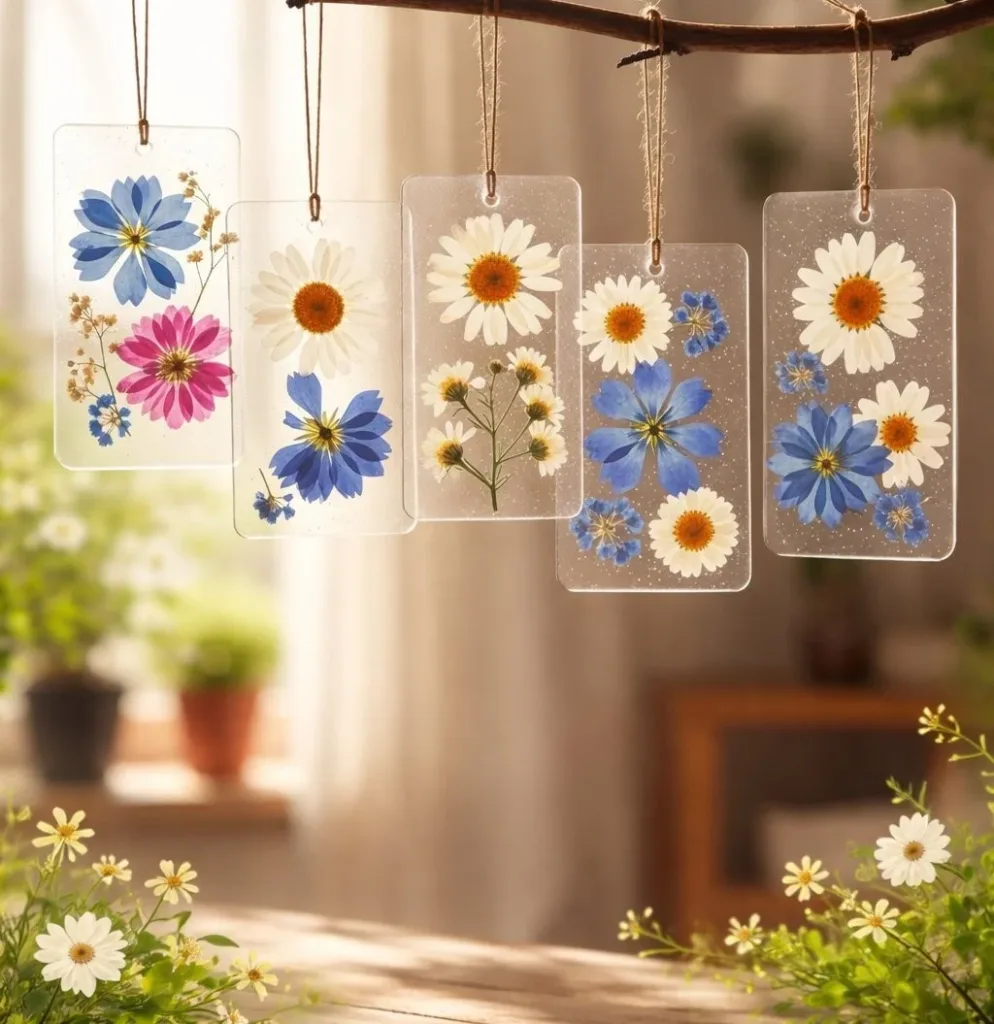
A rainy afternoon, hungry kids, and a kitchen counter covered in warm mugs and school backpacks. You need something quick and cheerful that does not require a trip to the craft store. Cornstarch Flower Charms are the kind of project that steps in here. They use pantry staples and a little time, and they make small keepsakes the whole family can wear or gift.
I remember one Saturday when my daughter asked to make something for her teacher, and within an hour she had three little flowers drying on a paper towel; she felt proud, and the kitchen cleanup stayed tiny. If you like low-prep, hands-on projects that still look finished, this is a great pick. For a similar feel with silly textures, try our corn-based bubble dough recipe for kids: cornstarch bubble dough.
Why You’ll Love Making Cornstarch Flower Charms

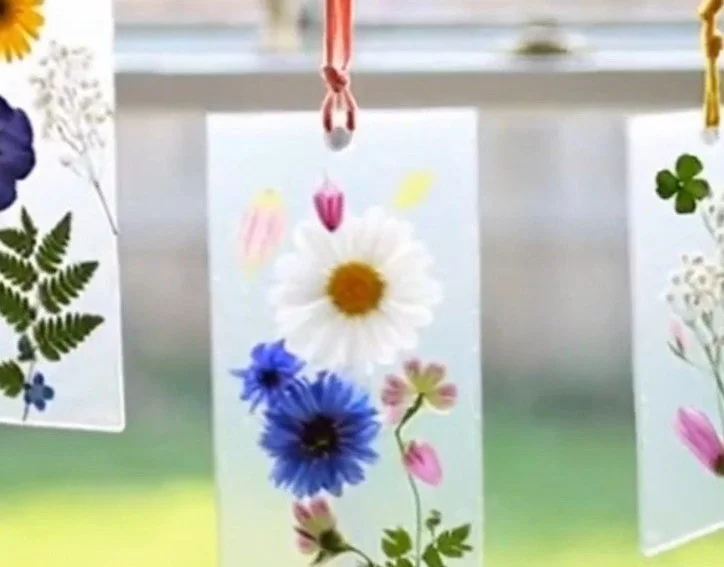
This craft fits real family life. It uses one main pantry ingredient and a few odds and ends you probably already have. The dough comes together fast, which keeps kids focused and reduces wiggles. The shaping part is calm and satisfying, so it works well while dinner simmers or during a short TV break.
The process is forgiving. If a petal breaks, you smooth the join and the piece still looks sweet. The drying time does take a day, but most of that is hands-off, so the project fits busy schedules. For a sparkly extension that older kids enjoy, you might pair these with a crystal flower activity on a different day: crystal flowers.
A Quick Look Before You Begin
Set aside about 10 to 20 minutes of active time and plan on 24 hours for drying. You only need a small saucepan, a spoon, and a flat surface to shape on. The mess level stays low if you use a clean countertop or a sheet of parchment.
Expect adult help during the heating step. Shaping and decorating are perfectly fine jobs for elementary-age children with supervision. You will want a towel for quick hands and a small jar of water to smooth joins. Keep a baking sheet or plate ready to carry finished charms to a safe drying spot.
Materials You’ll Need
Cornstarch
- The main ingredient. Common household item and gentle to work with.
Baking soda (optional)
- Helps firm the dough and slightly changes the texture. Optional if you prefer pure cornstarch.
Warm water
- Use warm tap water to help the mixture cook evenly.
Clear varnish or matte sealer (optional)
- For durability and shine. Optional if you want a natural matte finish.
Thin string, cotton cord, or jump rings for pendant making
- Choose what you already have. Thin string makes simple necklaces. Jump rings make it easy to attach charms to chains.
Optional: small cookie cutters or silicone molds
- Useful for uniform shapes. Completely optional.
Toothpicks or blunt skewers
- For details and making hanging holes. Common kitchen items.
Step-by-Step Directions
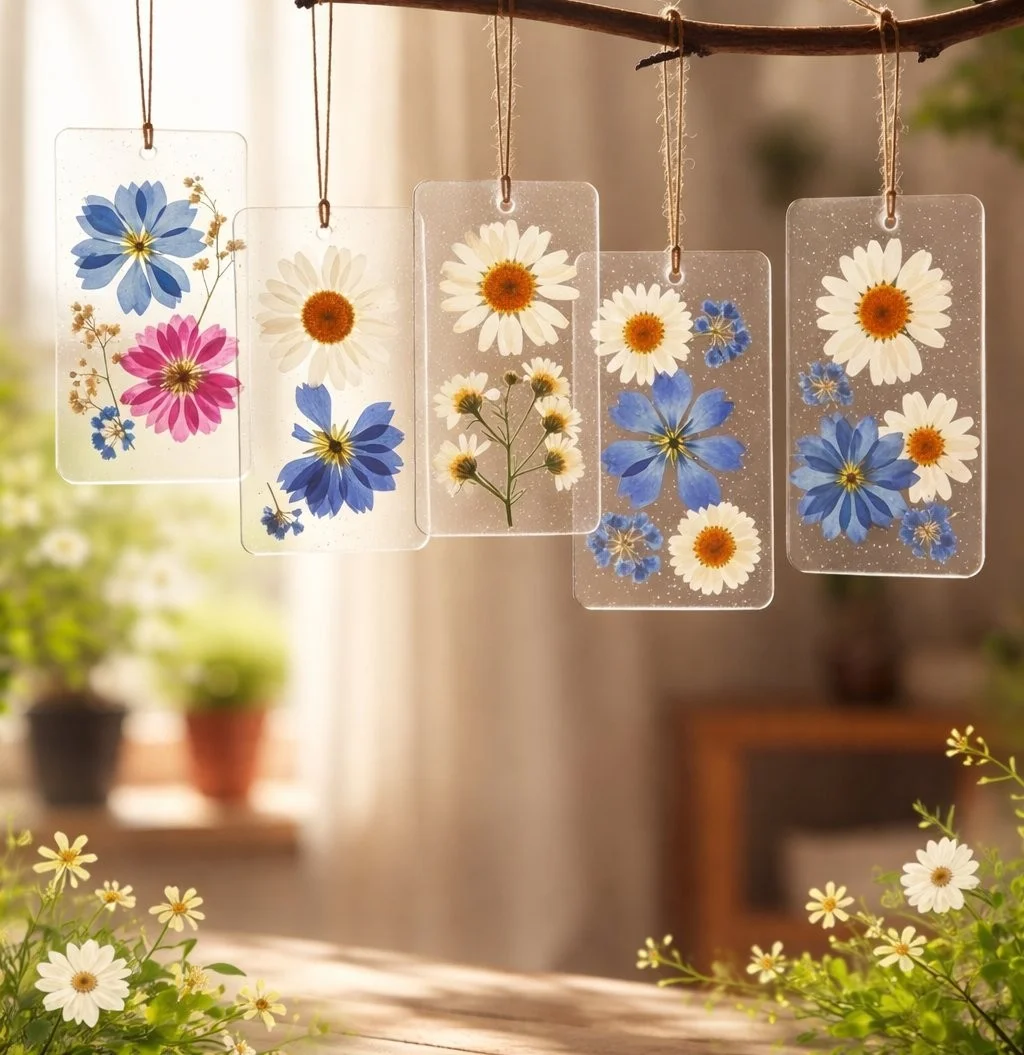
- Mix dry ingredients and warm water in a small saucepan. Stir until smooth.
Stir in a small bowl or right in the pan to avoid extra dishes.
Aim for a batter-like texture with no dry bits. - Heat gently while stirring until the dough thickens into a soft ball.
Keep the heat low to prevent burning.
Stir constantly; you will see it pull away from the sides. - Allow the dough to cool slightly, then knead until smooth and elastic.
Let it sit a few minutes until safe to touch.
Knead on a cool surface until silky and consistent. - Divide dough into small pieces and shape into petals and centers.
Roll tiny balls and flatten for petals or use small cutters.
Keep pieces about the same thickness so they dry evenly. - Combine pieces into flowers, smoothing joins with damp fingers.
Tap a little water from your fingertip where pieces meet.
Smooth gently so joins disappear but petals keep some texture. - Use a toothpick to add details and a hole for hanging if desired.
Press veins, dimples, or tiny dots for character.
Make a hanging hole now so it stays clean while drying. - Let the charms dry at room temperature for at least 24 hours.
Place them on parchment or a dry plate in a draft-free spot.
They will harden and feel firm to the touch when ready. - Optionally, seal or paint for finishing touches.
A clear varnish adds shine and protection.
Matte sealer keeps a softer, more natural look. - Attach string or jump rings to create pendants. Store finished charms in a dry place.
Thread string or use a plier for jump rings.
Keep them in a small box or zip bag to avoid dust.
The Learning Behind This DIY
This project quietly practices useful skills. Kids feel the change in texture as the dough thickens, which teaches cause and effect. When they knead, they build hand strength and coordination. Forming petals and smoothing joins improves fine motor control and patience.
There is also simple kitchen science at play. Cornstarch absorbs water and, with heat, forms a flexible dough that firms as it dries. Baking soda, when used, can change the feel and drying slightly. You do not need to explain the chemistry to enjoy the work, but noticing how warmth and time change the mixture makes small experiments feel natural and fun.
Troubleshooting Common Issues
If the dough sticks and feels gooey after cooling, it probably needs a little more kneading.
Knead on a dusting of cornstarch and try again; the texture should go from sticky to smooth.
If you see cracks in a thicker charm while drying, press them gently with a damp fingertip and let them finish drying flat.
If a petal falls off while attaching a jump ring, use a dab of clear craft glue or rework the joint with a little fresh dough.
If colors or paint sink into the surface, you may need a light sanding or an extra coat of sealer.
If charms take longer than 24 hours to harden, give them another day in a dry spot; humidity slows drying noticeably.
If kids try to speed things up by putting charms in the oven, I do not recommend it high heat can change the look and cause warping.
What usually works is patience, thin even pieces, and a dry place to let them rest.
Easy Variations to Try
- Tiny pressed leaves.
Make small teardrop petals and press a toothpick gently down the center to create veins.
Use green paint or a light wash of food coloring after sealing. - Layered flowers for depth.
Create a small center and stack two or three slightly different sized petal layers.
Glue or smooth joins and add a metallic center with a tiny bead or dab of paint. - Tiny charms for bracelet links.
Make smaller, flatter florals and add jump rings while the dough is still a little soft.
They look sweet on a child-size bracelet. - Textured impressions.
Use the edge of a fork, fabric scrap, or lace to press patterns into petals before drying.
This adds a grown-up look with very little extra effort. - Color mixing for marbled petals.
Knead tiny amounts of food coloring into separate pieces and roll together briefly for a soft marble effect.
Work quickly, because the coloring can stain hands and surfaces.
Storing or Reusing This Project
Store finished charms in a small box, jewelry organizer, or zip-top bag in a dry place.
Avoid bathrooms or basements where humidity could soften them.
Unfinished dough will dry out if left uncovered. Wrap in plastic and use within a day if you plan to shape it later.
Leftover small bits of dough make tiny beads or confetti shapes; save them to make a matching set.
To clean the work area, sweep cornstarch dust into the trash or wipe with a slightly damp cloth.
If varnish drips, wipe it up immediately with a paper towel before it cures.
FAQs About Cornstarch Flower Charms
Will this make a big mess?
I worry about powder everywhere. You can keep this project very tidy. Work on a sheet of parchment or a small cutting board and keep a damp cloth nearby. Cornstarch dust brushes up easily, and the dough itself does not spread like glitter. If kids wear aprons and you contain the work area, cleanup usually takes a minute. I often set a tray under our workspace so crumbs and dust fall into one place.
Is this safe for young children to handle?
Yes, the ingredients are kitchen-safe. Do supervise the heating step and small parts like jump rings for very young children. If your child tends to put things in their mouth, either supervise closely or save the stringing step for older kids. If you worry about accidental tasting, explain that the charms are not food and keep the project at the table rather than next to snacks.
Can I substitute another ingredient for cornstarch?
I stick to cornstarch for predictable results. Baking soda is optional and changes the texture gently, but do not swap cornstarch for flour or other pantry items in this recipe. If you want to try projects that use a similar tactile idea, we have other crafts that explore cornstarch dough in playful ways, like crystal growing activities you can pair on different days: crystal growing flower.
How long will the charms last and how should I store them?
With a clear varnish or matte sealer, these hold up well as pendants or keychain charms. Keep them out of prolonged damp conditions. For long-term storage, a small box or jewelry pouch in a dry drawer works best. If a charm shows wear, a fresh coat of sealer can revive it.
What if I want them to be stronger or thinner?
For strength, make petals thin and even and consider adding a drop of varnish. Thicker pieces take longer to dry and may crack. If a thicker piece cracks while drying, gently press and smooth the crack with a damp finger right away; this often fixes small flaws before final hardening.
A Final Helpful Note
This craft shines because it stays simple. Don’t aim for perfect symmetry. Slight differences in petals make each flower feel handmade and warm. Keep the space calm, offer small choices like color or size, and let younger kids focus on pressing and shaping while older kids do the more precise cutouts. Trust the process: with simple ingredients and patient hands, you will end up with keepsakes that look sweet and hold memories. Give yourself permission to enjoy the quiet parts, like the moment you make the hole for the string and imagine who will wear the charm.
Conclusion
If you want to learn a related technique that forms small beads from cornstarch dough, this guide shows a familiar method and useful tips: How to Make Cornstarch Beads – Craftsuprint. If you are curious about how to thicken foods without cornstarch for snack-time after crafting, this food-focused piece offers practical alternatives: Here’s How to Thicken Your Stew Without Cornstarch or Flour.
Good luck and enjoy the small, lovely results.
PrintCornstarch Flower Charms
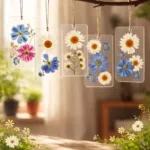
A delightful DIY project where kids can create beautiful flower charms using simple pantry staples like cornstarch and baking soda.
- Prep Time: 20 minutes
- Cook Time: 5 minutes
- Total Time: 1440 minutes
- Yield: Varies based on size of charms
- Category: Craft
- Method: Handcrafting
- Cuisine: N/A
- Diet: N/A
Ingredients
- Cornstarch
- Baking soda (optional)
- Warm water
- Clear varnish or matte sealer (optional)
- Thin string, cotton cord, or jump rings for pendant making
- Toothpicks or blunt skewers
Instructions
- Mix dry ingredients and warm water in a small saucepan. Stir until smooth.
- Heat gently while stirring until the dough thickens into a soft ball.
- Allow the dough to cool slightly, then knead until smooth and elastic.
- Divide dough into small pieces and shape into petals and centers.
- Combine pieces into flowers, smoothing joins with damp fingers.
- Use a toothpick to add details and a hole for hanging if desired.
- Let the charms dry at room temperature for at least 24 hours.
- Optionally, seal or paint for finishing touches.
- Attach string or jump rings to create pendants. Store finished charms in a dry place.
Notes
This project helps kids practice useful skills while having fun with crafting! Suitable for all ages with supervision for younger children.
Nutrition
- Serving Size: 1 charm
- Calories: 50
- Sugar: 0g
- Sodium: 0mg
- Fat: 0g
- Saturated Fat: 0g
- Unsaturated Fat: 0g
- Trans Fat: 0g
- Carbohydrates: 12g
- Fiber: 0g
- Protein: 0g
- Cholesterol: 0mg