

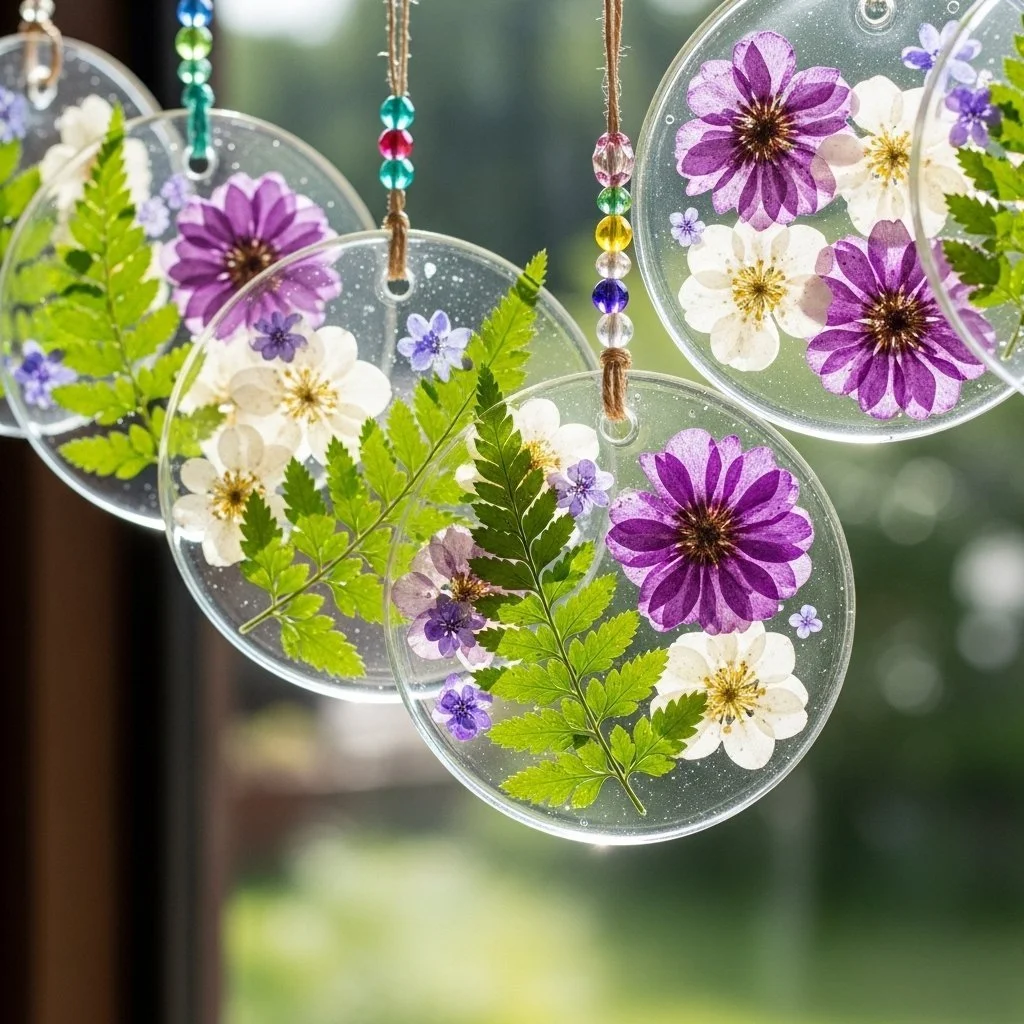
A busy afternoon turned into a chance to make something simple and beautiful. The kids wanted a quick craft, the sun was right on the kitchen table, and a handful of garden petals sat on a towel waiting to dry. That is where Cornstarch Flowers Preservation fits perfectly: one small, low-mess recipe and a short stretch of patience turns petals and leaves into lightweight, lasting pieces you can use in cards, frames, or little keepsakes.
Pull out a bowl, stir a smooth paste, press, and let the pieces dry while you fold laundry or read a story. This project feels calm, useful, and doable even when time is tight. If you like small wins and quick setups, this simple method will bring a little nature into your home without a lot of fuss. For another easy play-and-learn kitchen idea, try a related activity like the cornstarch bubble dough project to stretch the afternoon into more creative play.
Why This Cornstarch Flowers Preservation Works So Well
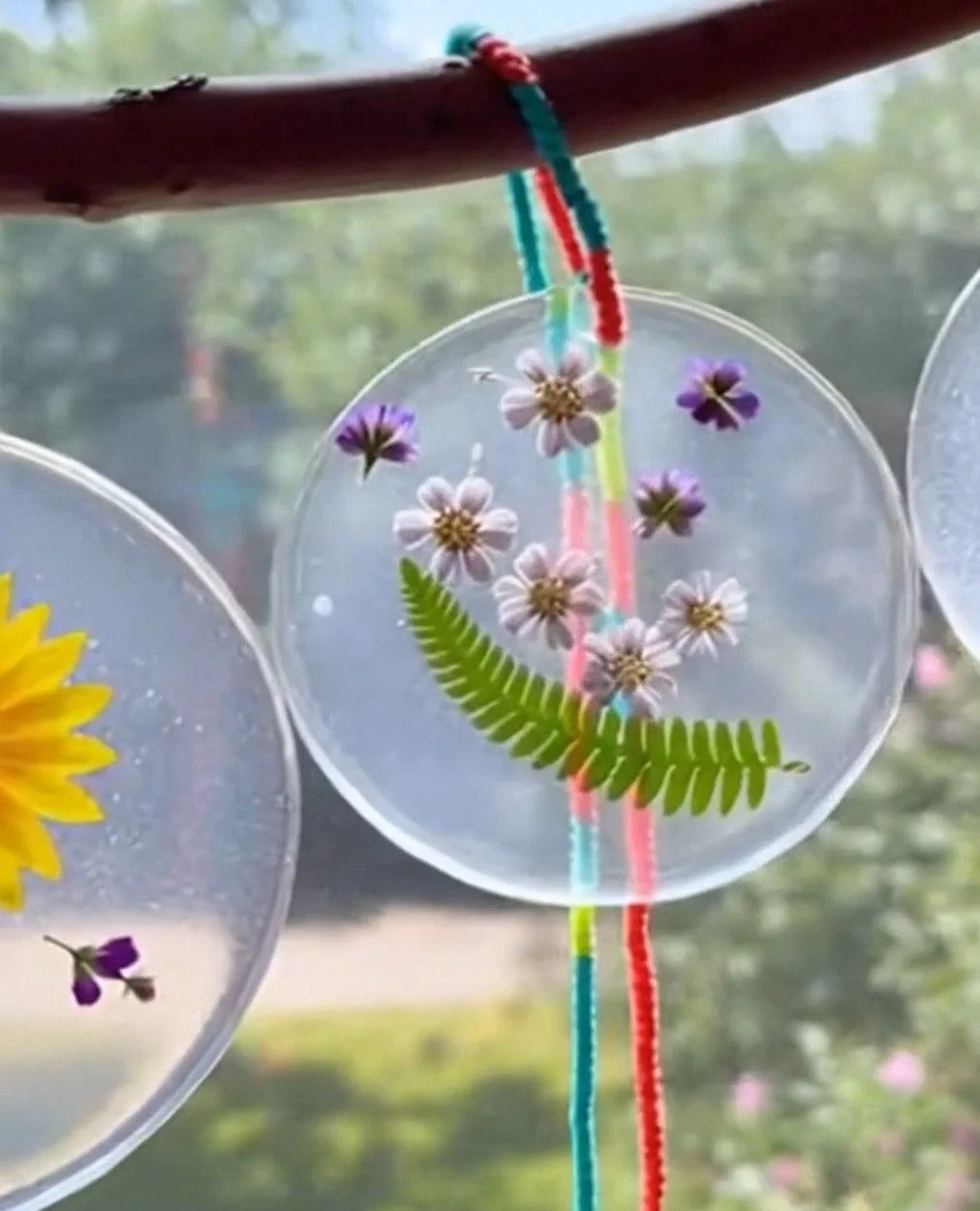
This method uses ingredients you probably have on hand, so you skip the trip to a craft store. Cornstarch forms a soft, supportive shell that keeps thin petals from crumpling as they dry. A small amount of glue adds strength, and glycerin keeps the finished pieces slightly flexible so they do not feel like crisp paper. The paste spreads easily and holds shape, which means kids can help without making a total mess.
It stays low-prep because you work right on a towel and a sheet of wax paper. You do not need special equipment. Timing fits real life: most of the work happens in a short burst, and then you let the pieces dry while you get on with other tasks. It is reliable for everyday blooms like rose petals, pansies, and small garden leaves. If you want a slightly different look, check how similar projects handle delicate blooms in this step-by-step preservation idea for inspiration.
A Quick Look Before You Begin
This project takes about 10 to 20 minutes of active work and 24 to 48 hours of drying time. Set aside a flat space for mixing and a quiet spot for drying. Expect light cleanup: wipe the bowl and spoon with warm water and a sponge, and peel the paste from wax paper when everything is dry. The mess level sits between a simple paint activity and baking a batch of cookies.
Kids can do most of the steps with supervision, especially measuring and pressing petals into the paste. You will want to help with thin edges, delicate shaping, and the initial mixing if very young children are involved. The process feels gentle and slow, which makes it a nice calming craft before bedtime or as a quiet weekend project. If you want a second quick activity while drying finishes, the cornstarch dough idea pairs well as a parallel sensory play option.
Materials You’ll Need
1 cup cornstarch
Common household pantry item
1/2 cup water
Easy to measure and adjust if needed
1/4 cup white glue or natural PVA (optional)
Adds strength; optional for a fully natural feel
1 teaspoon glycerin (optional)
Helps pieces stay flexible rather than brittle
Fresh petals, well-dried leaves, or small whole flowers
Small, thin blooms work best; avoid very thick petals
A few drops of clear glue or diluted Mod Podge for sealing (optional)
Light coating protects and gives a gentle sheen
Soft towel
Protects the table and helps petals finish drying
Wax paper or silicone mat for drying
Nonstick surface makes removal easy
Small mixing bowl and spoon
For making the cornstarch paste
Fine paintbrush or small silicone spatula
Good for smoothing paste and shaping edges
Kitchen scale or measuring cups
Accurate measuring helps consistent results
Clean scissors and tweezers for delicate placement (optional)
Helpful with tiny petals or fiddly arrangements
Step-by-Step Directions
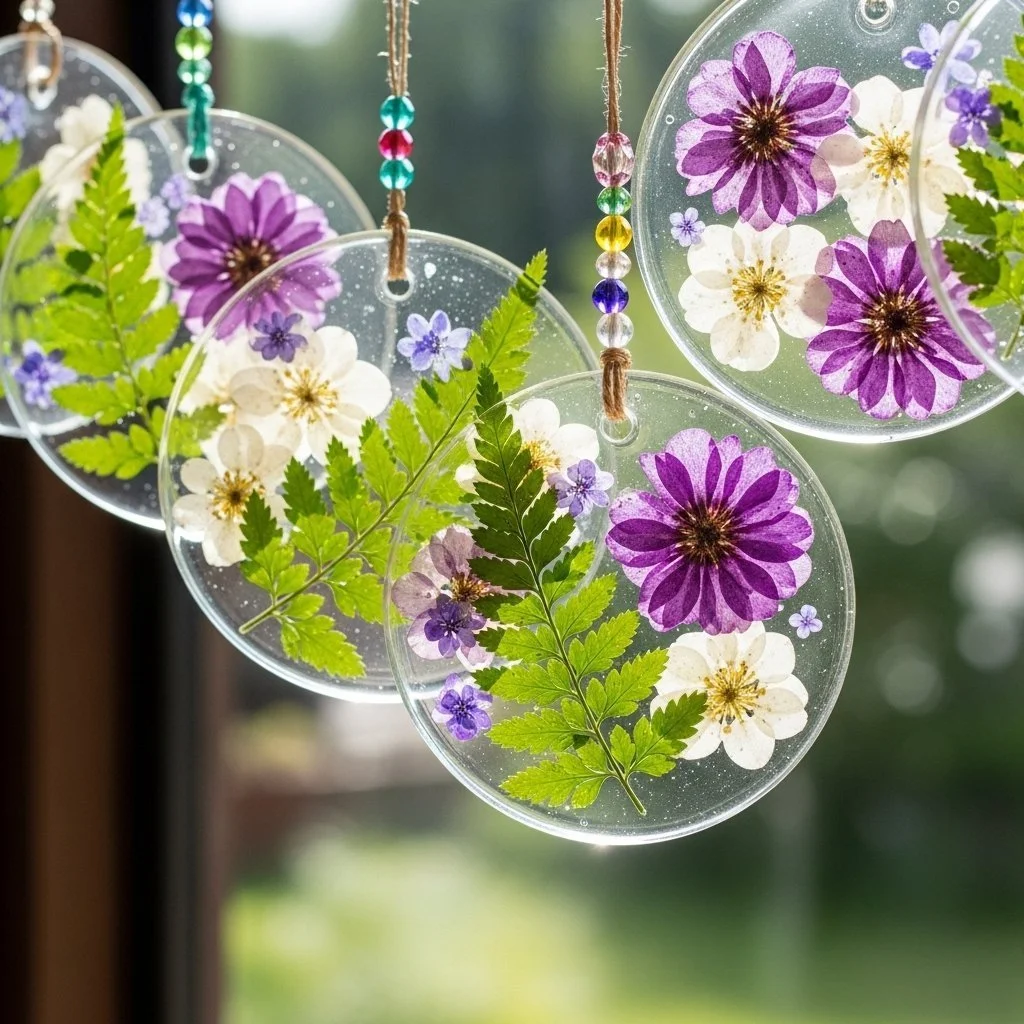
- Prepare your workspace and petals: set up a flat surface with a soft towel and mat, and lay out petals single layer to air.
Work on a kitchen table or counter with good light.
Let petals sit until they feel dry to the touch but not brittle. - Measure cornstarch and water: mix 1 cup cornstarch with about 1/2 cup water in a bowl until it turns into a smooth paste.
Scoop the cornstarch into the bowl and pour in the water slowly.
You want a thick, yogurt-like paste that will hold a petal’s shape. - Stir into a smooth paste: use circular motions and pause to check consistency.
Stir gently until no lumps remain and the texture is even.
If it feels too stiff, add a teaspoon of water at a time. - Add glue and glycerin (if using) for added strength and flexibility.
Stir in 1/4 cup white glue for a firmer hold, if you like.
Add 1 teaspoon glycerin and mix for a slightly softer finish. - Test with a spare petal to adjust consistency.
Press one petal into the paste and let it sit for a few minutes.
If it sinks or becomes too heavy, add a little more cornstarch; if it dries cracked, add a touch more water or glycerin. - Arrange a working surface: lay wax paper down, applying a thin layer of paste.
Spread a thin coat of the paste on wax paper or a silicone mat where you will set petals.
Keep the paste layer no more than a few millimeters thick for a natural look. - Press petals into the paste: smooth paste lightly over the back of the petal.
Place the petal on the paste and use a small brush or spatula to cover the back.
Hold gently so the petal keeps its natural curve and veins show. - Shape and thin the edges for a natural look.
Use the tip of a brush or your finger to pull the paste away from the edges.
Thin edges look like real petals and help pieces dry evenly. - Let the pieces dry slowly in a well-ventilated area for 24-48 hours.
Move the drying sheet to a cool, dry room out of direct sun.
Check after 24 hours; thicker pieces may need the full 48 hours. - Finish with a seal (if desired) using clear glue or diluted Mod Podge.
Brush a very light coat over the dried piece to protect it.
Let the seal dry fully before handling. - Enjoy your preserved pieces in decorative displays or as gifts.
Use them on cards, in frames, or glued to small clay dishes.
They make simple keepsakes and thoughtful homemade gifts.
The Simple Science or Skills at Work
This project teaches a few quiet lessons as you make. Cornstarch absorbs water and forms a starchy matrix that supports thin petals. The glue adds tiny bonds that hold fibers together, and glycerin attracts moisture so pieces keep soft instead of cracking. You do not need to understand the chemistry to see it work: you feel the paste thickness, you watch how a petal sits, you hear the soft scrape of shaping.
Kids practice fine motor control when they measure, stir, and smooth. They learn cause and effect by testing one petal and adjusting the mix. The drying step shows patience and delayed reward, a small but useful life skill. You get a gentle hands-on science lesson inside a calm craft.
Troubleshooting Common Issues
If petals sink or fall flat, check paste thickness and test again with a spare petal. A thicker paste gives more support. If the paste feels grainy, mix longer and add a splash more water to smooth it.
If edges crack when dry, the paste may be too stiff or the piece dried too fast. Add a small amount of glycerin next time or move the drying sheet to a slightly less warm spot. If petals lose color, remember some fading is natural; delicate colors like pinks and blues will soften over time.
If you have a sticky surface after drying, you likely used too much glue or did not let the seal dry fully. Let the piece cure for another day on the wax paper, then test a corner. If a petal tears during placement, use tweezers and a tiny dab of paste to mend it, pressing gently until set.
Easy Variations to Try
Try whole small flowers like baby’s breath or tiny daisies pressed gently into the paste. Whole blooms give a three-dimensional look and work well when the paste stays roomy.
Make tiny ornaments by adding a small loop of thin thread under the paste before it dries. Keep the loop light and centered so it stays secure.
Mix a pinch of powdered pigment into the paste for soft color notes. Use only a little so the paste keeps its supportive texture.
Use a very thin layer of paste on one side only to create delicate overlays for cards. The backside will remain petal-like while the coated front looks more preserved.
Storing or Reusing This Project
Store finished pieces flat in a shallow box layered with tissue paper. Keep them in a dry, cool place away from direct sunlight to slow color fade. If a piece gets dusty, gently brush it with a soft paintbrush rather than wiping.
Reuse any extra paste by covering the bowl with plastic wrap and placing it in the fridge for up to 48 hours. Stir lightly before reuse; if it thickens, add a teaspoon of water. Wash tools immediately after use with warm soapy water so paste does not harden on brushes.
If you want to reduce waste, use scraps of wax paper as drop sheets for small projects and keep leftover petals in a labeled envelope for next time.
FAQs About Cornstarch Flowers Preservation
Will this make petals last forever?
It will not make petals last forever, and I say that because some fading and softening are normal. The paste stabilizes petals and gives them new life for months to years if you store them well. Expect natural changes over time, and enjoy that gentle, aged look as part of the charm.
Is this safe for kids to do?
Yes, with simple supervision. The ingredients are common household items. Watch little ones during measuring and shaping, and keep glue out of mouths. If a child has a skin sensitivity, wear thin gloves or keep their hands brief in the paste. I do this craft with eight-year-olds and younger kids, but I always help with the initial mixing and any tricky shaping.
What if I do not have glycerin or white glue?
You can skip the glycerin and glue. The cornstarch and water base still works and gives a pretty, matte result. The glue makes pieces stronger and glycerin helps flexibility, so expect a firmer, more brittle finish without them. If you do use glue, use natural PVA if you prefer fewer chemicals.
How messy is cleanup?
Will it stain my table? Cleanup is simple. Wipe the bowl and tools with warm, soapy water before paste dries. The paste rinses off most surfaces easily. Protect your table with a towel and wax paper as the instructions say. If paste gets on fabric, scrape gently, let it dry, then vacuum or brush it away before washing.
Can I press large petals or thick leaves?
Large or thick pieces will take longer to dry and may need a slightly thicker paste base. For very large petals, support the petal from underneath while shaping so it does not droop. Thicker leaves can be done, but expect more texture and a longer drying time. Try a test with one piece first to set your expectations.
A Final Helpful Note
If you feel unsure, start with a few petals and one small batch rather than committing everything at once. This project rewards small experiments: try a test petal, watch it dry, and then decide if you want glue or glycerin next time. Keep the mood relaxed and the workspace tidy, and the results usually surprise you in a good way. You do not need perfect petals to make something lovely. Trust the process and enjoy the quiet, creative time.
Conclusion
If you want a deeper look at drying methods and how different flowers behave, this guide from a florist covers helpful techniques and long-term tips: The Art of Drying Flowers: Methods and Preservation Tips. For practical, garden-centered advice on drying and storing blooms, this extension guide gives clear, simple recommendations: Drying Flowers – HGIC@clemson.edu.
PrintCornstarch Flowers Preservation
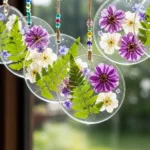
A simple and beautiful method to preserve flowers and petals using cornstarch, creating lasting keepsakes.
- Prep Time: 10 minutes
- Cook Time: 1440 minutes
- Total Time: 1450 minutes
- Yield: 10 pieces 1x
- Category: Craft
- Method: Crafting
- Cuisine: N/A
- Diet: N/A
Ingredients
- 1 cup cornstarch
- 1/2 cup water
- 1/4 cup white glue or natural PVA (optional)
- 1 teaspoon glycerin (optional)
- Fresh petals, well-dried leaves, or small whole flowers
- A few drops of clear glue or diluted Mod Podge for sealing (optional)
- Soft towel
- Wax paper or silicone mat for drying
- Small mixing bowl and spoon
- Fine paintbrush or small silicone spatula
- Kitchen scale or measuring cups
- Clean scissors and tweezers (optional)
Instructions
- Prepare your workspace and petals: set up a flat surface with a soft towel and mat, and lay out petals in a single layer to air.
- Measure cornstarch and water: mix 1 cup cornstarch with 1/2 cup water in a bowl until it turns into a smooth paste.
- Stir into a smooth paste: use circular motions and pause to check consistency.
- Add glue and glycerin (if using) for added strength and flexibility.
- Test with a spare petal to adjust consistency.
- Arrange a working surface: lay wax paper down, applying a thin layer of paste.
- Press petals into the paste: smooth paste lightly over the back of the petal.
- Shape and thin the edges for a natural look.
- Let the pieces dry slowly in a well-ventilated area for 24-48 hours.
- Finish with a seal (if desired) using clear glue or diluted Mod Podge.
- Enjoy your preserved pieces in decorative displays or as gifts.
Notes
This project involves a gentle process that encourages creativity and fine motor skills in children. It’s a perfect calm craft for a busy afternoon.
Nutrition
- Serving Size: 1 piece
- Calories: 50
- Sugar: 0g
- Sodium: 2mg
- Fat: 0g
- Saturated Fat: 0g
- Unsaturated Fat: 0g
- Trans Fat: 0g
- Carbohydrates: 12g
- Fiber: 0g
- Protein: 1g
- Cholesterol: 0mg