


As the afternoon sun begins to fade, a flurry of excitement erupts when the kids ask to create something fun and colorful. You may feel that familiar rush of needing a quick activity that captures their attention without causing too much chaos. Enter the Rainbow Bubble Caterpillar Science Experiment for Kids. This engaging project not only offers visual and tactile fascination but also infuses a touch of scientific exploration. The best part? You can utilize simple, everyday materials right from your kitchen. You may also find Rainbow Bubble Snake Science Experiment For Kids useful.
Why This Rainbow Bubble Caterpillar Science Experiment for Kids Works So Well
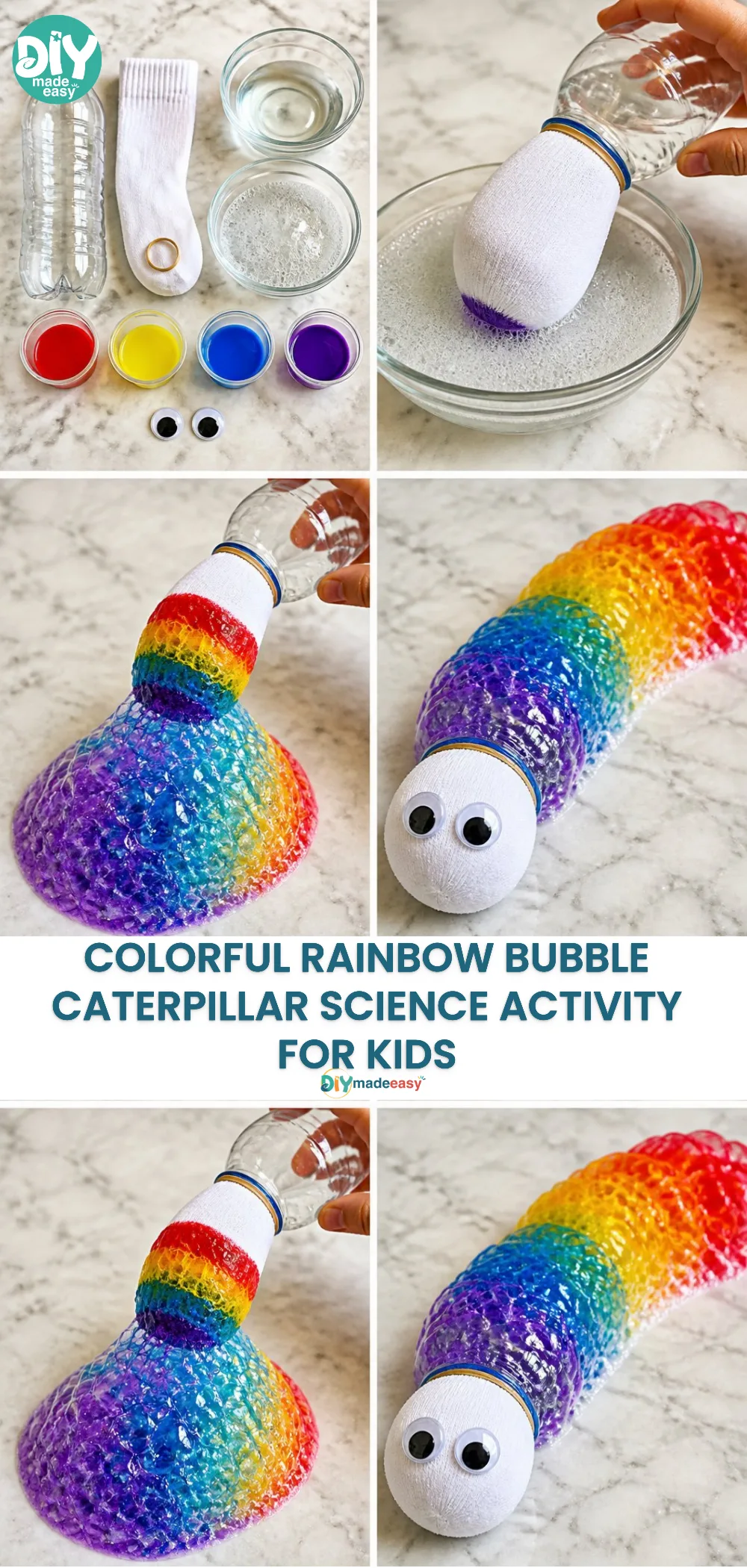
You may also find Colorful Bubble Snake Fun Science Experiment Kids useful.
This experiment strikes the perfect balance between creativity and science, making it a splendid choice for a range of ages. It’s low-prep, requiring minimal materials that most households already own. The straightforward steps make it approachable for kids and adults alike, ensuring that even those who may feel intimidated with DIY projects find success. Plus, it fits perfectly into real-life schedules where busy afternoons can sometimes make planning feel overwhelming. You may also find Diy Rainbow Fizzing Cauldron Science Experiment Kids useful.
A Quick Look Before You Begin
This project is relatively quick to set up and execute. Dedicate about 30 minutes to gathering materials and getting started, and you’ll be amazed at how the colors come to life within just a few minutes of making. Overall, the mess level is low, meaning clean-up won’t take too much time afterward. Although adult involvement is beneficial, it’s also the kind of project where kids can lead the way, fostering independence and confidence. You may also find Rainbow Bubble Wrap Ocean Art For Kids useful.
Materials You’ll Need
To dive into the Rainbow Bubble Caterpillar Science Experiment, you’ll need:
- A plastic bottle (soda bottles work great)
- Dish soap (common household item)
- Food coloring (easy substitute if you want bold colors)
- Water
- A small bowl or container
- A few straws (budget-friendly)
Gathering these supplies doesn’t just make for a straightforward setup; it also means no last-minute runs to the store, letting you enjoy this creative educational moment hassle-free.
Step-by-Step Directions
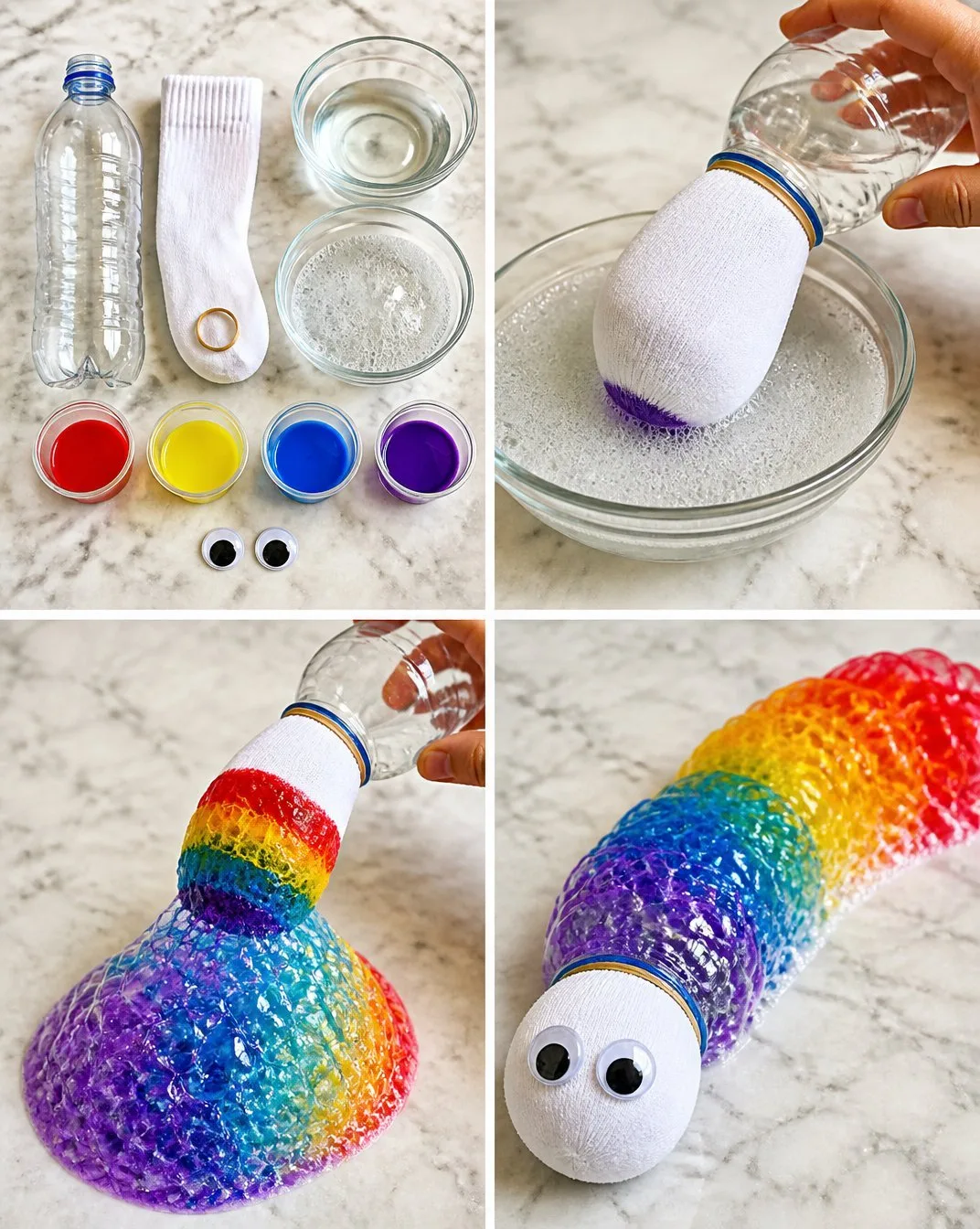
- Start by rinsing and drying your plastic bottle. Remove the label to see the transformation clearly.
- Next, pour about a cup of water into the bottle.
- Add a couple of drops of dish soap into the water. The soap is crucial for creating bubbles and will make your caterpillar colorful.
- Add a few drops of your chosen food coloring. You can mix colors if you want multiple hues!
- Now, place the straw into the bottle, ensuring it doesn’t touch the bottom.
- Blow gently into the straw, watching the vibrant bubble caterpillar form! Remember to keep your blow steady to control the bubble size and shape.
- Once your caterpillar is full of bubbles, observe how they stick together, creating a colorful display.
If you notice the bubbles popping too quickly, just add a little more soap to the water mixture for a denser foam, reinforcing your caterpillar.
The Learning Behind This DIY
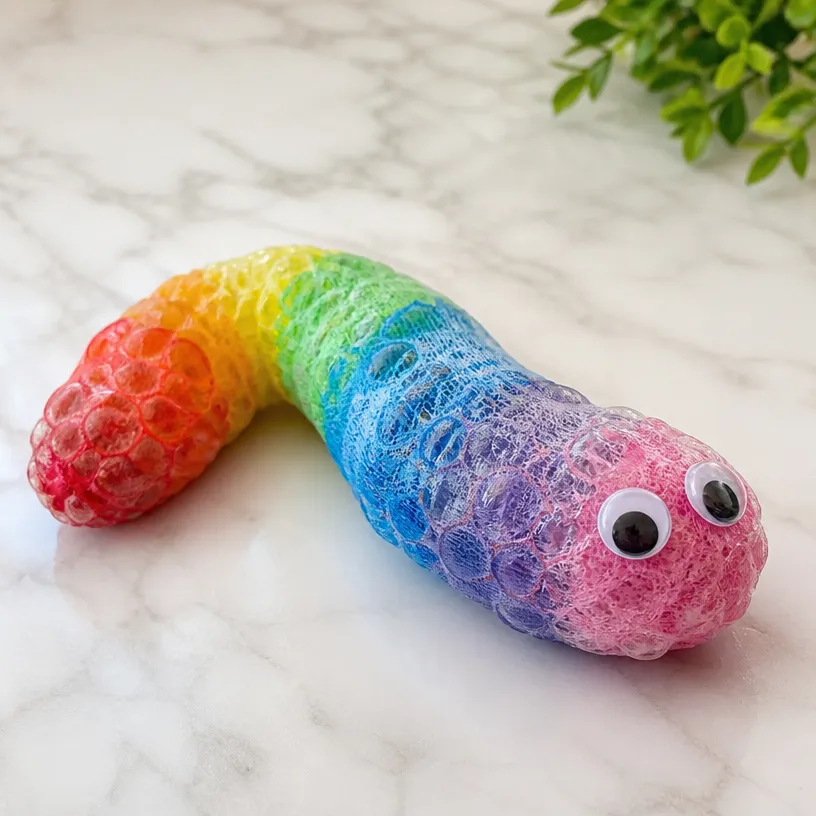
As kids blow bubbles, they practice essential skills such as coordination and fine motor development. This project introduces basic scientific concepts like cause and effect how the strength of the blow influences the size and longevity of the bubbles. Moreover, as they explore color mixing, they’re gaining an understanding of how different colors interact, fostering both creativity and science learning simultaneously.
Troubleshooting Common Issues
If something doesn’t go exactly as planned, don’t worry! Here are some common issues and quick fixes. If your bubbles aren’t forming well, check that your straw isn’t too tightly positioned against the bottle, and adjust your blowing technique. If you see collapsing or overly quick bubble formation, try adding an extra drop of dish soap to make the bubbles hold better.
Easy Variations to Try
For those looking to switch things up, here are a few ideas:
- Use different types of liquids, such as bubble solution instead of dish soap, for a different texture.
- Experiment with seasonal themes; try adding glitter or edible shimmer dust for a festive touch.
- Use various straws some wider, some thinner for different bubble sizes and effects.
Storing or Reusing This Project
After the experiment, you can save some materials for future projects. Rinse out the plastic bottle and straws; they can be reused for a different science activity down the line. Store any leftover soap-water mixture in an airtight container for another fun bubble session, reducing waste and maximizing enjoyment.
FAQs About Rainbow Bubble Caterpillar Science Experiment for Kids
What if I don’t have food coloring?
You can substitute with any safe paint to give your caterpillar a colorful flair, or even use natural juices for coloring if you want.
Is this suitable for all ages?
This experiment is ideal for children aged 4 and up, but younger kids will enjoy it with adult supervision. Always ensure that materials used are safe for the child’s age.
Will it make a mess?
While there’s potential for spills, the amount of water used is minimal. Having towels ready can ease anxieties about cleanup.
How long will the bubbles last?
The bubble caterpillar will last for a while as long as they are not touched. After time, they will pop naturally.
Can I do this outdoors?
Absolutely! Doing it outside may help contain any mess and provide a delightful view of bubbles floating in the natural light.
A Final Helpful Note
In conclusion, the Rainbow Bubble Caterpillar Science Experiment for Kids encapsulates fun, creativity, and learning, all wrapped in one colorful package. Remember, flexibility is key if things don’t go perfectly, embrace the moment and enjoy the process. Encouraging your kids to lead the activity fosters independence and reminds them that science can be enjoyed with just a few simple ingredients.
Conclusion
Engaging kids in science activities can create lasting memories and valuable learning experiences. If you want more ideas on sensory play, check out Science & Sensory Activities – beyond the playroom. For seasonal projects like growing cress caterpillars, consider the helpful details available at Spring Science – How to Grow a Cress Caterpillar.
PrintRainbow Bubble Caterpillar Science Experiment for Kids
A fun and colorful scientific exploration project for kids using simple household materials to create vibrant bubble caterpillars.
- Prep Time: 30 minutes
- Cook Time: 0 minutes
- Total Time: 30 minutes
- Yield: 1 fun science activity
- Category: Educational Activity
- Method: DIY Experiment
- Cuisine: N/A
- Diet: N/A
Ingredients
- A plastic bottle (soda bottles work great)
- Dish soap (common household item)
- Food coloring (easy substitute if you want bold colors)
- Water
- A small bowl or container
- A few straws (budget-friendly)
Instructions
- Start by rinsing and drying your plastic bottle. Remove the label to see the transformation clearly.
- Next, pour about a cup of water into the bottle.
- Add a couple of drops of dish soap into the water.
- Add a few drops of your chosen food coloring.
- Now, place the straw into the bottle, ensuring it doesn’t touch the bottom.
- Blow gently into the straw, watching the vibrant bubble caterpillar form!
- Once your caterpillar is full of bubbles, observe how they stick together, creating a colorful display.
Notes
If bubbles are popping too quickly, add more soap to the mixture for better foam consistency.
Nutrition
- Serving Size: 1 activity
- Calories: 0
- Sugar: 0g
- Sodium: 0mg
- Fat: 0g
- Saturated Fat: 0g
- Unsaturated Fat: 0g
- Trans Fat: 0g
- Carbohydrates: 0g
- Fiber: 0g
- Protein: 0g
- Cholesterol: 0mg