

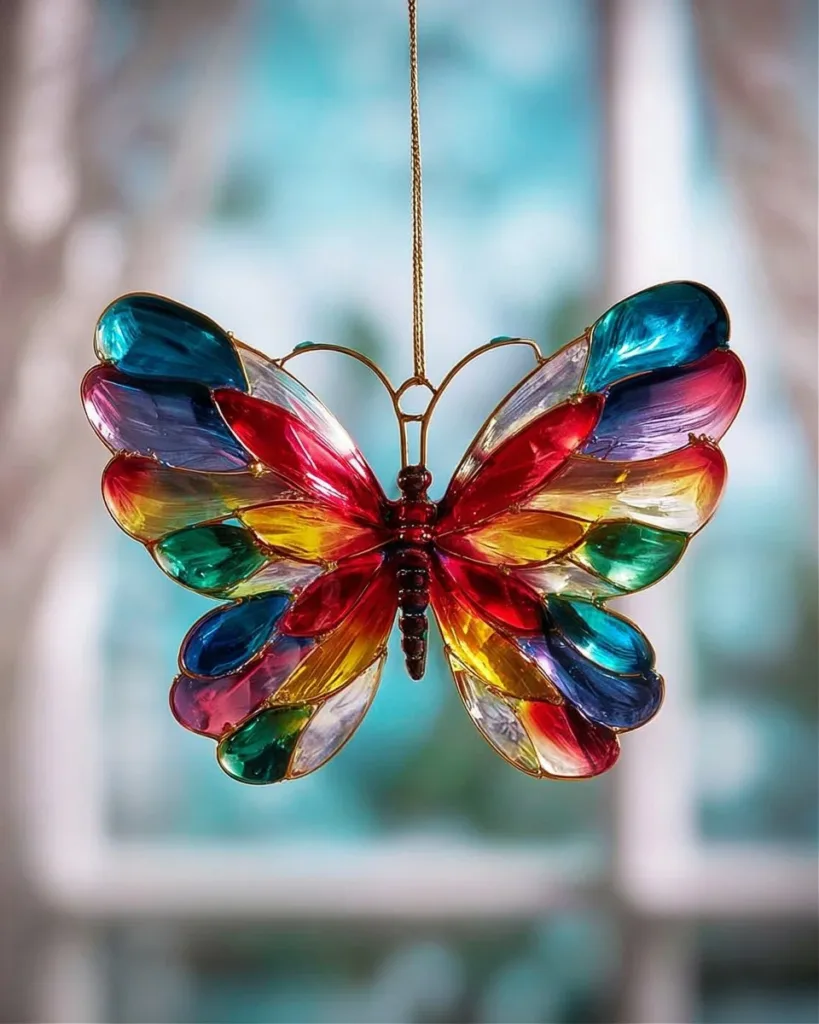
A busy afternoon stretches between one errand and another and the kids announce they need something to do right now. You clear a corner of the kitchen table, grab a few common supplies, and hand them butterfly-shaped silicone molds and a bottle of clear school glue.
Butterfly Suncatchers fit that exact moment: low fuss, colorful, and instantly satisfying. While the glue dries, you wipe hands and dish up a snack, and later the window fills with little wings of light. If you have made projects with simple ingredients before, you will find this feels familiar and calm. If you want a quick idea that teaches mixing, waiting, and a little patience, this one works. For more ideas on sun-catching projects with similar simple materials, check out this take on bioplastic suncatchers with natural flowers for a different texture and finish.
Why You’ll Love Making Butterfly Suncatchers
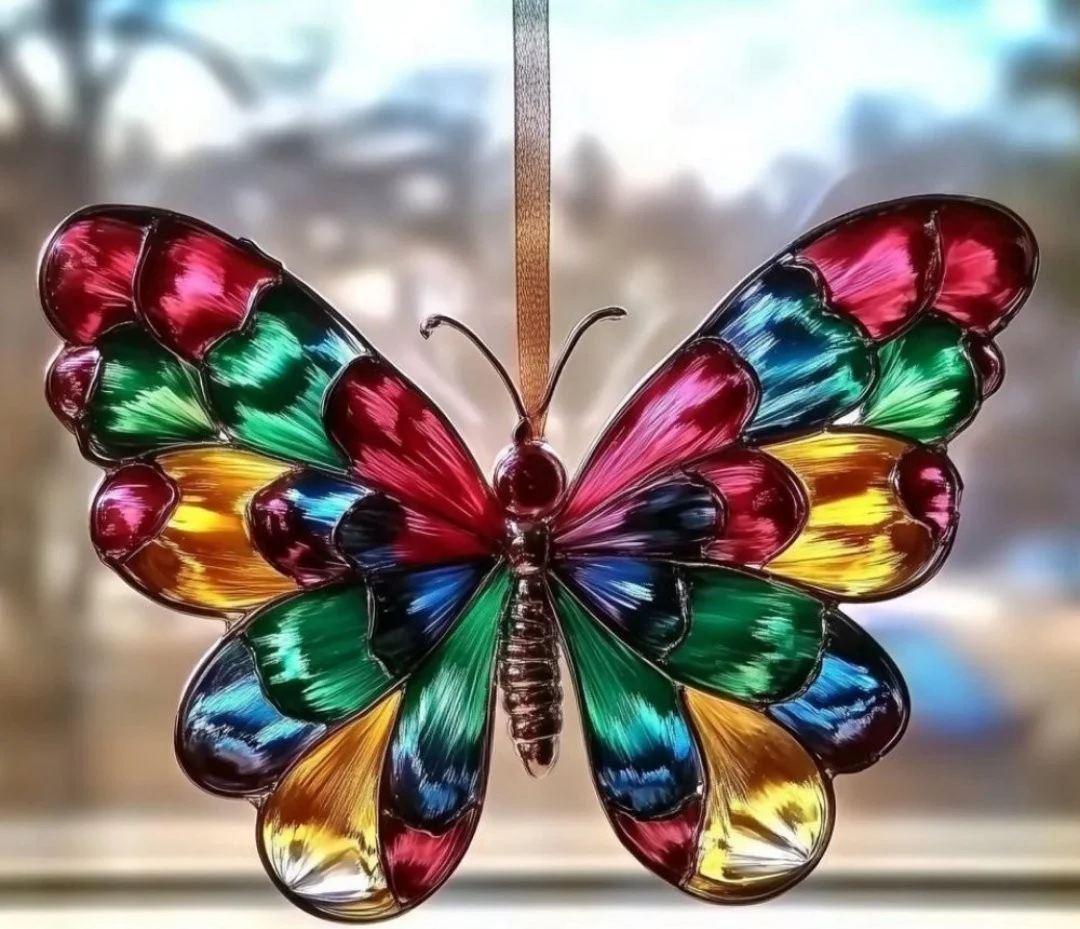
This project works so well because it asks for almost nothing but gives a lot back. You do not need special tools or long prep. Clear school glue pours cleanly, holds color, and dries clear, so even small mistakes look intentional once light passes through.
It stays approachable for kids. A child can pour and swirl with a toothpick and feel in control. Parents can step away briefly while the glue sets instead of babysitting every move.
The cleanup stays simple. Parchment paper keeps counters safe, and silicone molds pop the finished pieces out without scraping. Real-life schedules benefit: you can start the activity in under five minutes and come back later with a finished decoration.
A Quick Look Before You Begin
This activity takes short hands-on time and longer drying time, so plan around that gap. Active work runs about 10 to 20 minutes depending on how many suncatchers you make and how detailed the color swirls get.
Set up on a wipeable surface and line it with parchment paper. Expect a little glue dribble now and then. Those are easy to wipe away while wet. Adult help works best for the pouring part if children are very young.
Drying time depends on the glue brand and room humidity. Read the glue instructions and give yourself extra time on humid days. While you wait, you can tidy the space, wash the toothpicks, and prepare ribbons or suction hooks for later hanging. For more color-forward ideas, you might peek at colorful bioplastic suncatchers to see how bold palettes change the look.
Materials You’ll Need
Clear school glue
- The main ingredient. Common household bottle that dries clear.
Butterfly shaped silicone molds
- Easy release and reusable. Household-friendly and inexpensive.
Food coloring
- Small drops go a long way. Use liquid food coloring you already have.
Toothpicks
- For stirring and creating swirls. A small, low-cost tool that gives fine control.
Parchment paper
- Protects surfaces and gives a clean spot to let suncatchers rest while you decide where to hang them.
STEP-BY-STEP DIRECTIONS
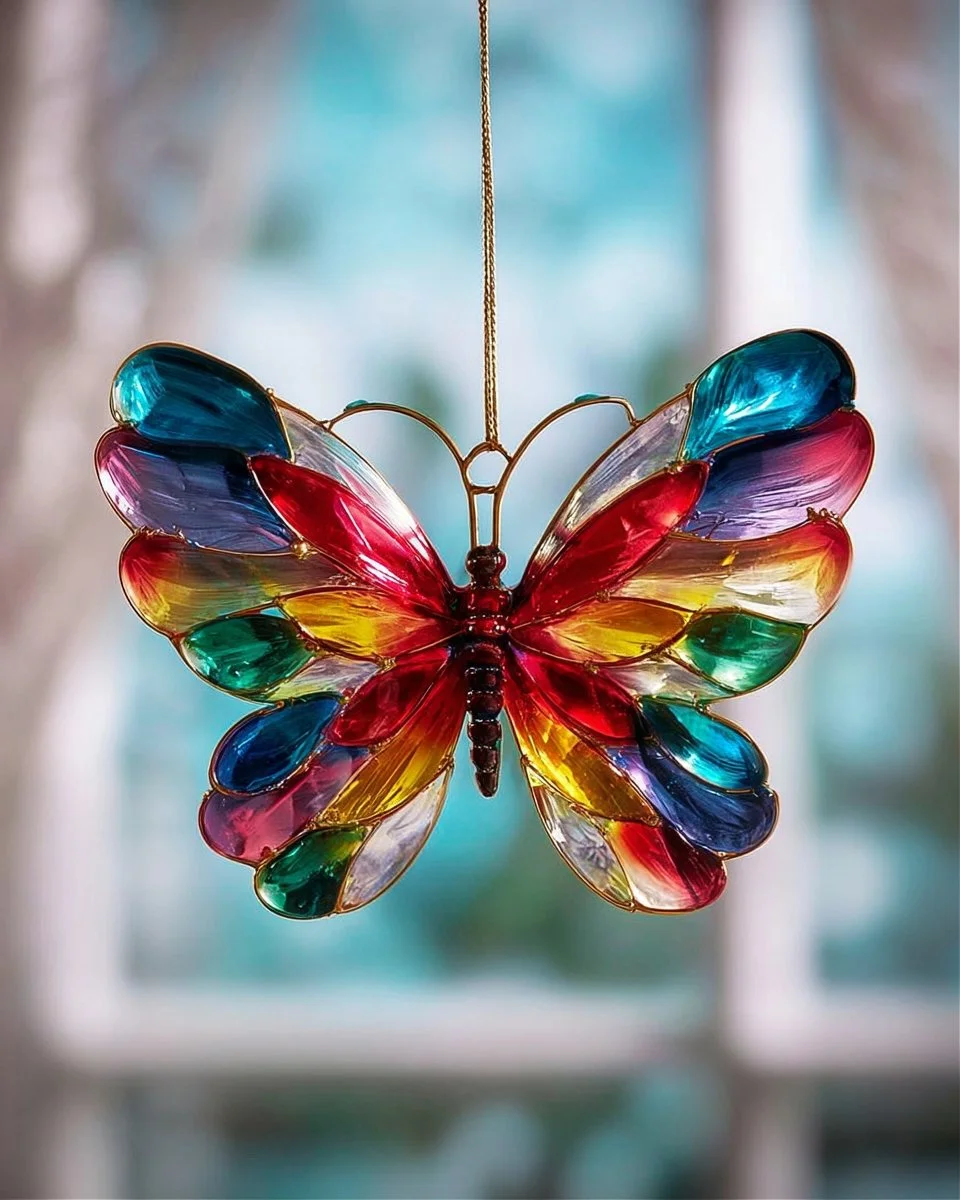
- Pour clear school glue into butterfly-shaped silicone molds.
Pour slowly to avoid bubbles and overfilling.
Fill each cavity to the depth you want for light to pass through. - Add drops of food coloring to the glue and use toothpicks to gently swirl the colors.
Start with just one or two drops per mold; you can always add more.
Swirl softly so the colors mix but do not muddy; watch the glue’s surface for smoothness. - Allow the mixture to dry completely according to the glue instructions.
Place molds on parchment paper in a spot free from drafts and dust.
Check after the minimum time recommended on the glue bottle and add a few hours for humid days. - Once dry, carefully remove the suncatchers from the molds.
Gently press around the outside of each mold to loosen the piece.
Peel the silicone back and ease the butterfly out; it should pop free without bending. - Place the suncatchers on parchment paper and hang them in a sunny window.
Give them a final clean spot on the parchment while you plan the hanging.
Use suction hooks, ribbon, or thread to let the light do the rest.
The Simple Science or Skills at Work
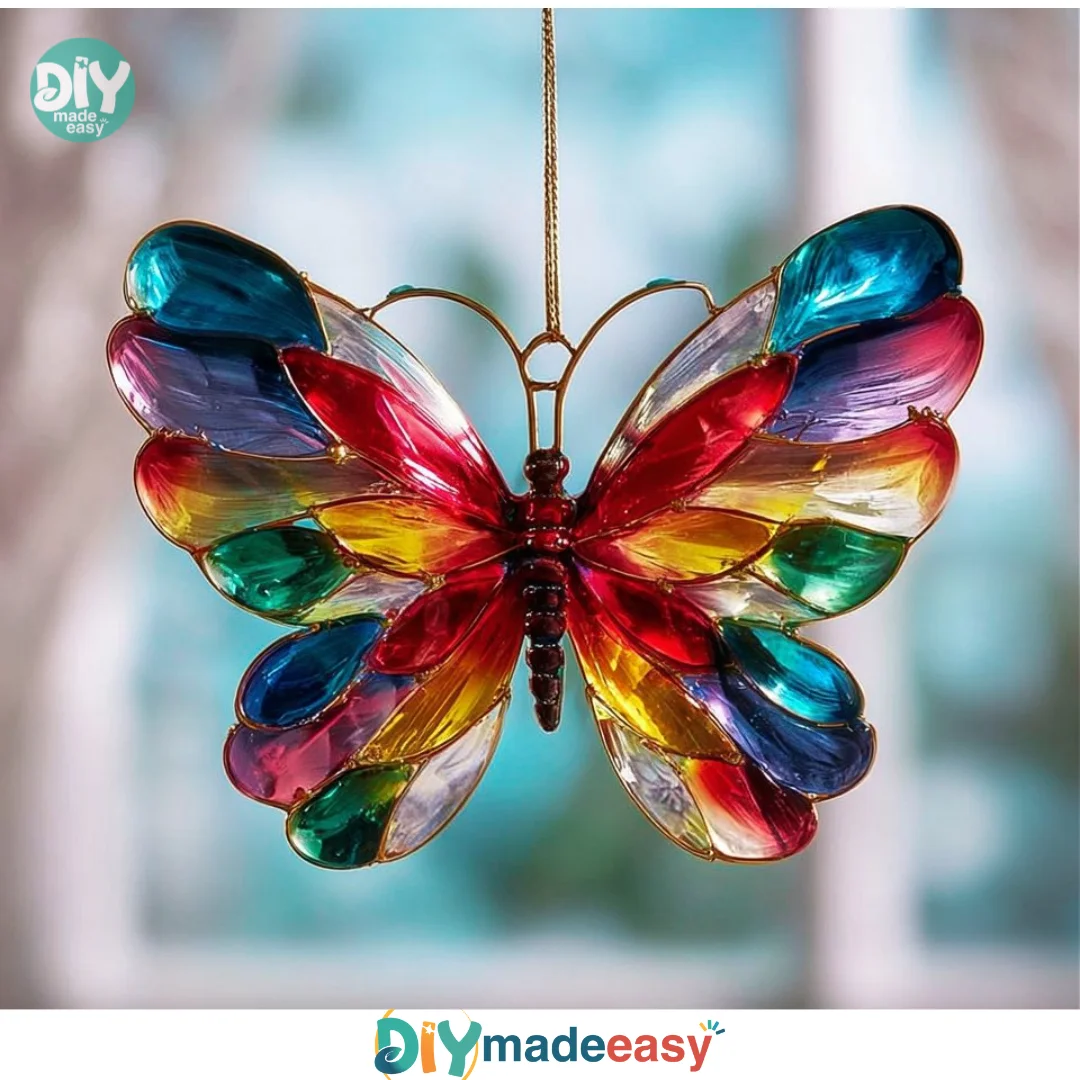
Making butterfly suncatchers practices simple cause-and-effect. You see how tiny drops of food coloring spread out in clear glue, which helps children predict outcomes. The glue acts like a slow-moving liquid that traps color, and as it dries the colors lock into place.
Fine motor skills get a gentle workout. Holding a toothpick and making small swirls helps with hand control. Pouring the glue builds steady-hand coordination because you watch volume and flow.
You also learn a bit about patience and timing. The project teaches that some things need time to finish properly. The reward comes when light shines through and the result proves the wait worthwhile.
Troubleshooting Common Issues
If bubbles form in the glue, wait a few minutes after pouring. Small bubbles often rise and smooth out by themselves. If they do not, tap the mold gently on the table to nudge bubbles to the surface.
If colors look muddy, you probably mixed too many shades or stirred too vigorously. For clearer patterns next time use fewer drops and gentler swirls. Let each color sit a moment before adding another so it spreads a little on its own.
If a suncatcher cracks when you remove it, it likely needed more drying time. Place cracked pieces on parchment to dry longer and avoid bending when you pop them out. For fragile pieces, ease a pair of fingers under the edges and work slowly.
If a suncatcher sticks to the mold, make sure your silicone is clean and flexible. Press the mold firmly on the counter and peel the silicone away rather than forcing the piece out. A very small stick can release with careful pressure around the edges.
Easy Variations to Try
Try single-color ombre by adding a tiny drop of food coloring near the center then another closer to the edge. Let the two spots spread before gentle swirling for a soft gradient look. This keeps supplies simple and gives a different effect.
Make marbled wings by using two colors only and swirling just at the top of the glue. The result looks more delicate than heavy mixing and still uses only your basic materials. It works well for quick projects with little hands.
Create translucent accents by using a lighter amount of food coloring. Mix just one faint drop so the suncatcher stays mostly clear with a hint of tint. This gives a subtle stained-glass feel without extra tools.
Use multiple molds to make a mobile. Hang several dried butterflies at different lengths from a curtain rod or suction hook cluster. That variation uses exactly the same supplies and stretches the display possibilities. For inspiration on playful color combos and arranging small pieces together, see this guide to bold color bioplastic suncatchers.
Storing or Reusing This Project
If you do not hang every suncatcher immediately, keep finished pieces flat on parchment paper in a shallow box. Store them in a cool, dry place to avoid warping.
Silicone molds clean up with warm soapy water. Rinse and dry them thoroughly before the next batch. Store molds nested or hung to save space.
Leftover clear school glue keeps well if you close the cap tightly. Use the rest within a reasonable time to avoid thickening. Toothpicks are disposable but can be rinsed and dried if you want to reuse them for light craft work.
When a suncatcher reaches the end of its display life, recycle or repurpose the molds and parchment paper where possible. The finished plastic pieces can become gift tags, window decorations for other rooms, or part of a collage if you enjoy mixed-media projects.
FAQs About Butterfly Suncatchers
Will this make a big mess?
You will see a little glue drip and maybe a speck of color on the table. That happens, and it rarely sticks long. Line the workspace with parchment paper and keep a damp cloth nearby. Wet glue wipes away easily. The project’s low-mess setup makes cleanup fast, and children often feel proud about helping with the wipe-down.
How old should kids be to do this?
Children as young as preschool age can help with dropping colors and stirring with toothpicks, but expect adult help for pouring glue. For under-fives, pour the glue yourself and let them handle the color drops and gentle swirls. Older kids can manage more independence. Supervise the use of toothpicks to avoid poking or chewing.
Can I use other kinds of glue or paint?
This project relies on clear school glue to dry transparent; other glues may not dry clear or may remain tacky. Food coloring works well because it disperses in the clear glue. If you already used a different glue and it did not set, let it dry longer and check the manufacturer instructions. I have tried this with standard clear school glue and it delivers predictable, consistent results.
How long will the suncatchers last in the window?
They last well indoors where they avoid direct rain and extreme temperature changes. Over time, strong sunlight may fade very bright colors a little, but most pieces keep their look for many months if you hang them out of full direct heat and clean the window occasionally.
What if my results look cloudy instead of clear?
Cloudiness often happens if the glue traps moisture or if the room is very humid while drying. Let the piece dry longer and move it to a less humid spot if possible. If clouding persists, try a fresh bottle of glue next time; older glue sometimes dries differently.
A Final Helpful Note
This project welcomes imperfection. Tiny uneven edges or a faint streak in the color make each butterfly unique and full of personality. If something does not go as planned, take a breath, save the piece on parchment, and try again with the next mold. Confidence grows when you know the materials are forgiving and the result looks lovely even when it is not perfect.
Conclusion
If you want a step-by-step example of a similar kid-friendly butterfly suncatcher idea, this Butterfly Suncatcher Kids Craft – The Suburban Mom post shows another family-friendly approach. If you prefer to buy ready-made butterfly suncatchers or supplies to help hang your finished pieces, check options on Butterfly Suncatcher – Amazon.com.
PrintButterfly Suncatchers
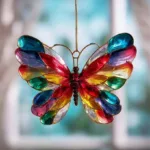
A fun and simple kids’ activity to create colorful butterfly suncatchers using clear school glue, food coloring, and silicone molds.
- Prep Time: 5 minutes
- Cook Time: 120 minutes
- Total Time: 125 minutes
- Yield: Multiple suncatchers
- Category: Craft
- Method: Crafting
- Cuisine: N/A
- Diet: N/A
Ingredients
- Clear school glue
- Butterfly shaped silicone molds
- Food coloring
- Toothpicks
- Parchment paper
Instructions
- Pour clear school glue into butterfly-shaped silicone molds.
- Add drops of food coloring to the glue and use toothpicks to gently swirl the colors.
- Allow the mixture to dry completely according to the glue instructions.
- Once dry, carefully remove the suncatchers from the molds.
- Place the suncatchers on parchment paper and hang them in a sunny window.
Notes
Supervise young children during the pouring of glue and use toothpicks with care.
Nutrition
- Serving Size: 1 suncatcher
- Calories: N/A
- Sugar: N/A
- Sodium: N/A
- Fat: N/A
- Saturated Fat: N/A
- Unsaturated Fat: N/A
- Trans Fat: N/A
- Carbohydrates: N/A
- Fiber: N/A
- Protein: N/A
- Cholesterol: N/A