

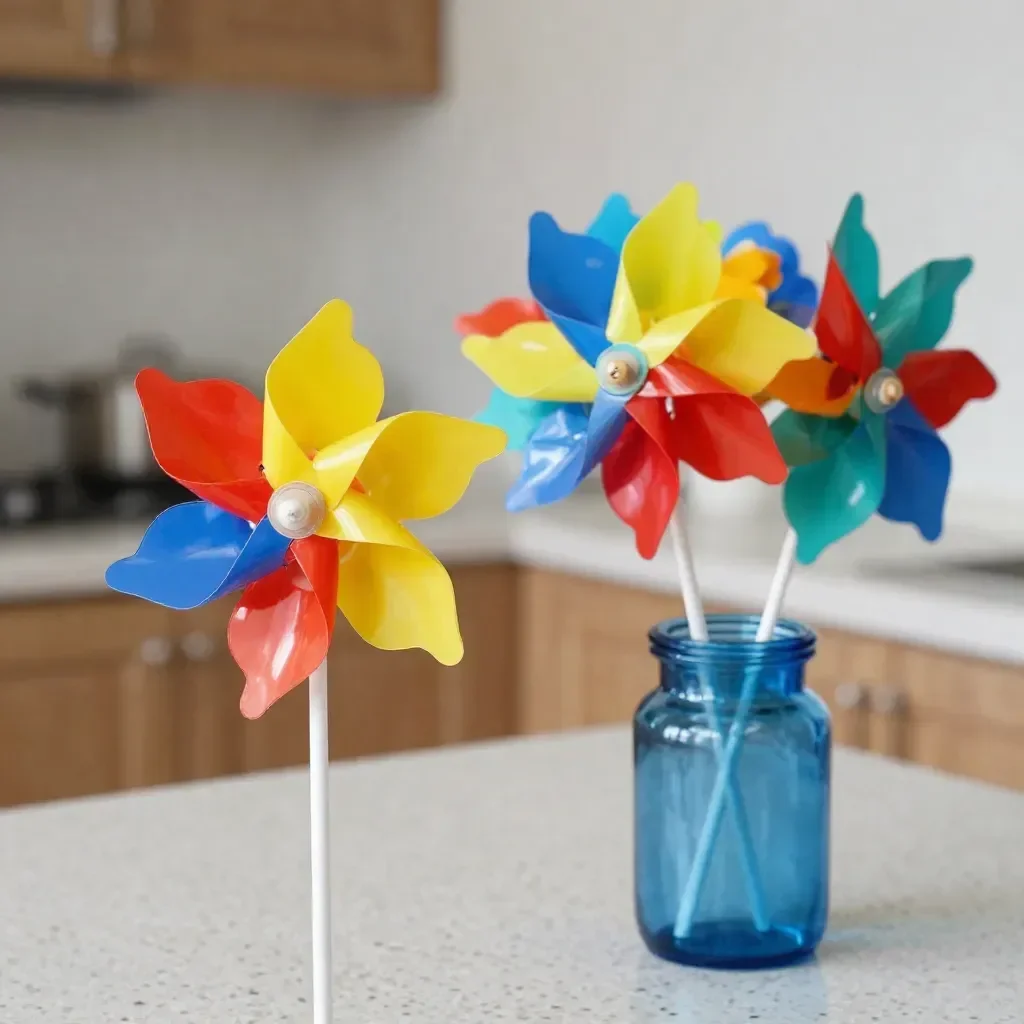
Creating a fun and colorful Pinwheel Flower Garden Stake is the perfect remedy for a busy afternoon, especially when kids are bursting with energy and creativity. Picture this: it’s been a long week, and the little ones are eager to craft something bright and cheerful. This DIY project not only captures their imagination but also serves as an excellent way to practice using scissors while developing their artistic skills. Together, you can turn a simple plastic bottle into a vibrant piece of outdoor art that sways gently in the breeze, offering both visual appeal and a sense of accomplishment. You may also find Beautiful Bioplastic Suncatchers Flowers useful.
Why You’ll Love Making Pinwheel Flower Garden Stake
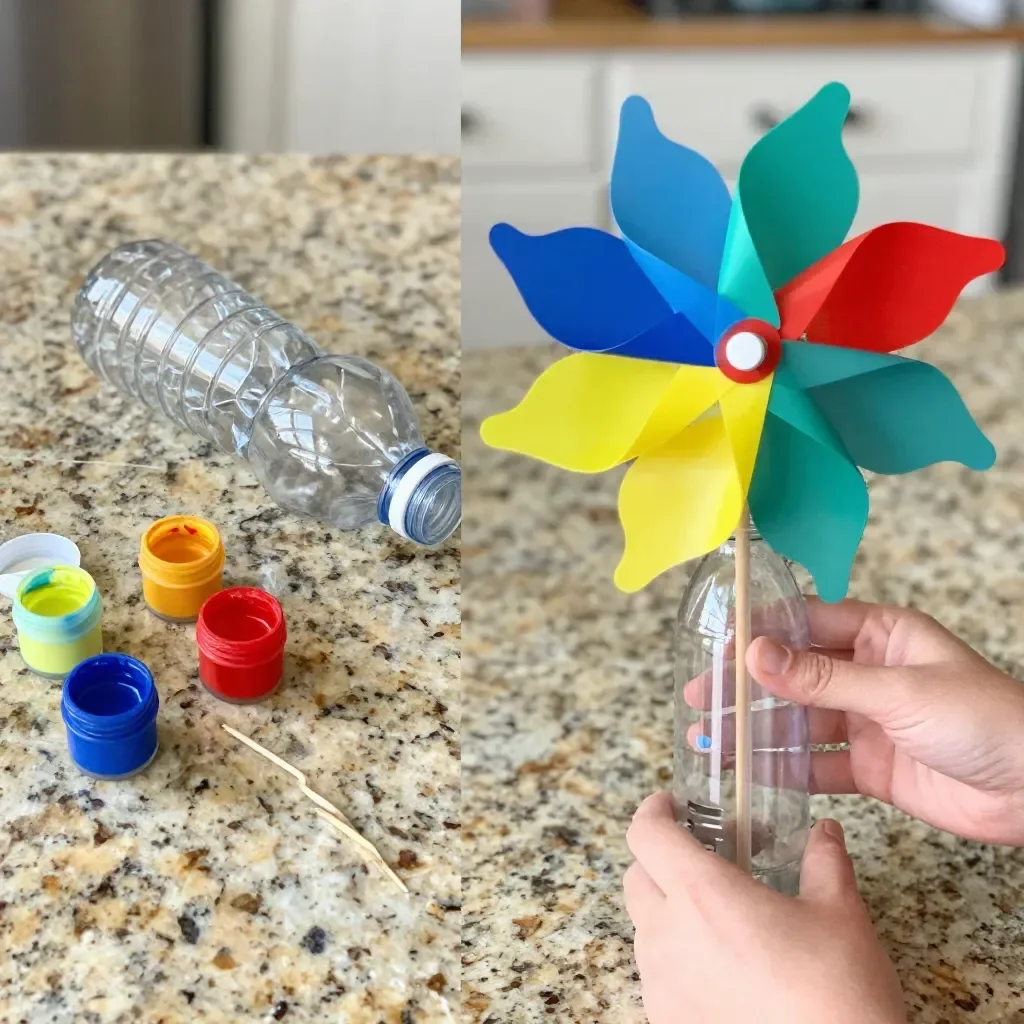
This Pinwheel Flower Garden Stake project is wonderfully low-prep and engages kids in a hands-on way. With just a few materials and straightforward steps, it fits seamlessly into your real-life schedule. It doesn’t require a whole day commitment, making it ideal for a spontaneous afternoon activity. Plus, kids love to see their designs come to life, resulting in a reliable project that provides instant gratification. You may also find Bioplastic Suncatchers Natural Flowers useful.
A Quick Look Before You Begin
It’s essential to know what you’re getting into before you dive into this delightful DIY. The pinwheel can usually be completed in under an hour, perfect for an afternoon project. The setup is minimal; you need a clean space to work on, along with the required supplies laid out. As for mess? It’s manageable! With the proper preparation—like spreading out newspaper or using an old tablecloth—you can keep any spills or splashes from becoming a headache. This activity allows for great adult involvement, whether by facilitating the cutting and securing of pieces or providing enthusiastic encouragement. You may also find Cornstarch Bioplastic Pressed Flowers Recipe useful.
Materials You’ll Need
- Plastic bottle: A common household item, easy to find if you recycle.
- Colorful paint: Any paint you have on hand will work, just make sure it’s safe for children to use.
- Wooden dowel: This will serve as the stake; you can often find these at craft stores.
- Push pin: A simple tool that will help attach the pinwheel blades to the dowel.
Using common household items means that you can do this project without breaking the bank. You may also find Cornstarch Bioplastic Pressed Flowers useful.
Step-by-Step Directions
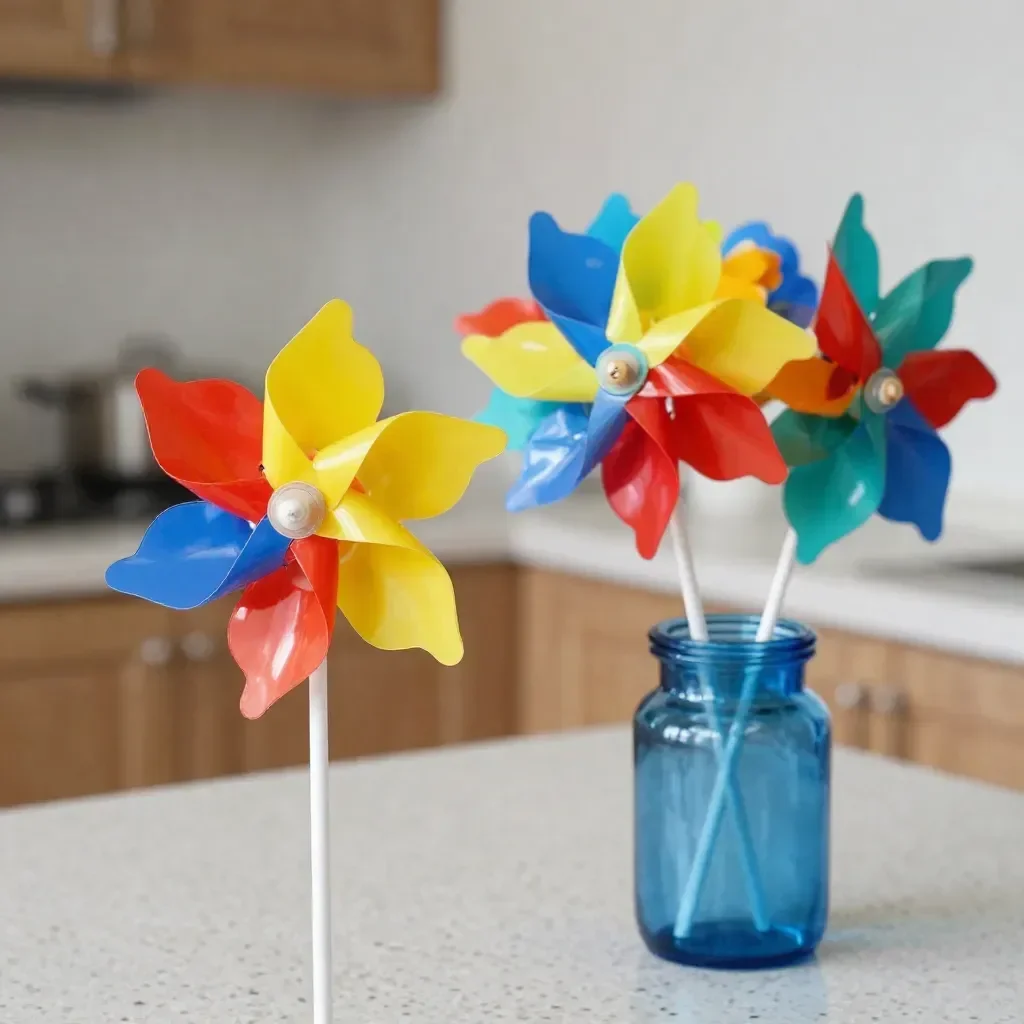
Carefully cut the plastic bottle into several pinwheel blades. Invite your children to help—it’s a great way to practice safety with scissors. As they cut, they can experiment with different blade shapes and sizes, which will add character to their pinwheel.
Gather your colorful paints and let everyone create their own bright designs; every splash is a stroke of creativity. Encourage them to mix colors or even create patterns, giving each pinwheel a personal touch.
Once the paint dries, use a push pin to secure the center of the pinwheel to the wooden dowel, ensuring it can spin freely. This is a great moment to reinforce the concept of how the pinwheel works, creating a cause-and-effect experience.
Finally, gently push the dowel into a flower pot filled with soil and watch your lovely creation dance in the breeze. At this point, the kids can enjoy their artistic achievements, and if you have multiple pinwheels, you can create a whole garden of them!
The Learning Behind This DIY
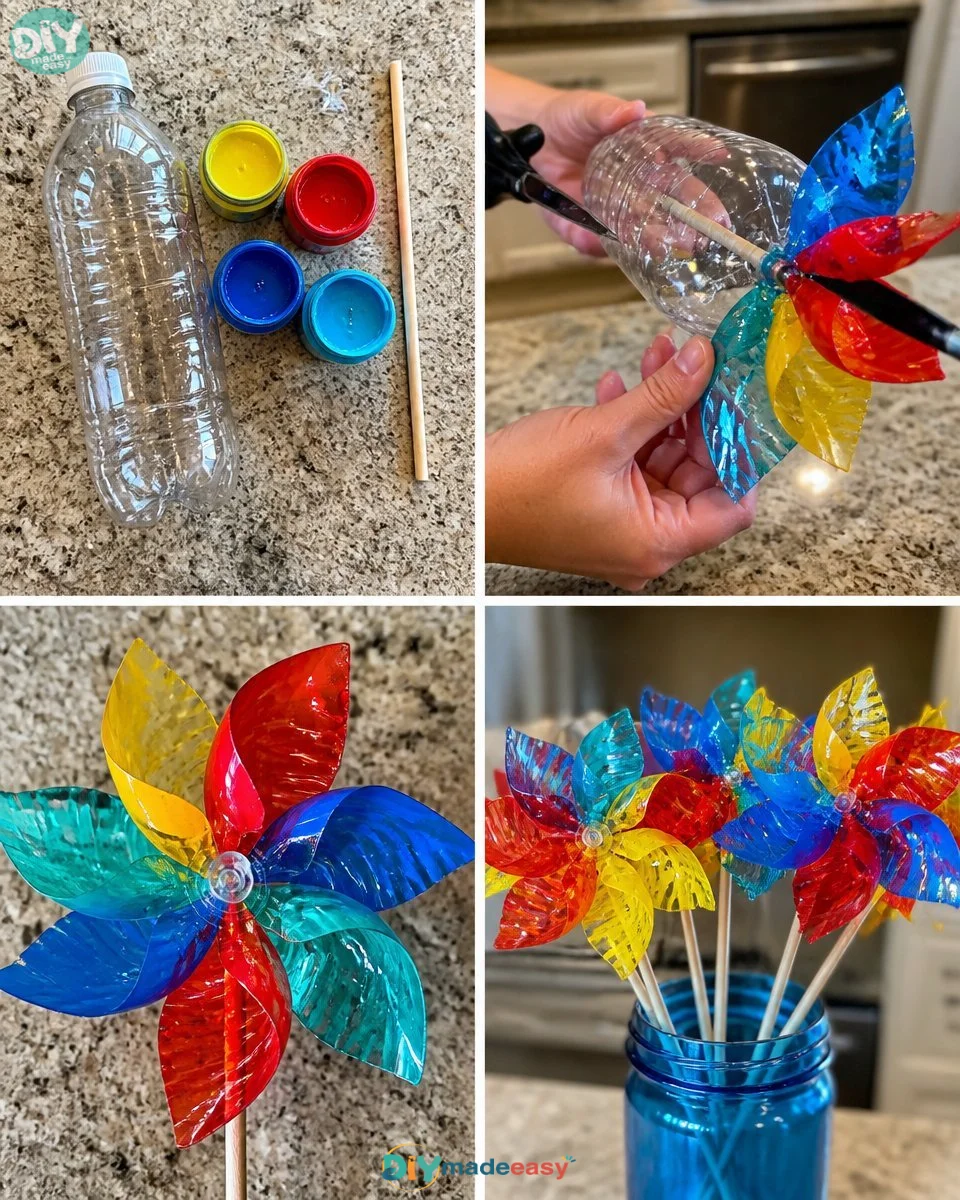
Engaging in this project teaches children various skills. Not only do they practice fine motor skills while cutting and painting, but they also learn about cause and effect as they see how the pinwheel spins. Furthermore, creating a colorful piece can spark conversations about colors and art. This kind of active learning is enriching and enjoyable, making the process both fun and educational.
Troubleshooting Common Issues
As with any DIY project, things may not go perfectly. If the blades don’t spin well, it could be that the push pin is too tightly secured—just loosen it slightly. If the paint runs or smudges, don’t worry; that’s just a part of the creative process. Embrace any mistakes as chances to learn and adapt. Kids often find joy in the unexpected, so use those moments to teach resilience and flexibility.
Easy Variations to Try
To keep the project fresh, you might want to consider a few variations:
- Seasonal themes: You can decorate the pinwheels to reflect different times of the year—think autumn colors or spring pastels.
- Bigger or smaller designs: Experiment with different sizes by using various bottles or cutting shapes larger or smaller than the initial design.
- Decorate further: Add glitter, stickers, or even natural elements like leaves or flowers to enhance the visual appeal.
Storing or Reusing This Project
When the season changes or the project is done, think about how to reuse those materials. The pinwheel can temporarily be taken apart and reassembled with new designs or mounted in different areas. If you need to clean up, carefully store the paints and tools used for future projects; many of these supplies, like paint, can be saved for additional crafting fun.
FAQs About Pinwheel Flower Garden Stake
What if my kids are too young to use scissors?
It’s okay if they aren’t comfortable with scissors just yet. You can handle the cutting part and allow them to focus on painting and assembling the pinwheel instead.
How messy is this project?
The project can be playful and lively, but it doesn’t have to be messy with some preparation. Cover your working area with a disposable cloth or newspaper to make cleanup easy.
Can we use other types of bottles?
Absolutely! While a plastic drink bottle is a fantastic choice, any light plastic bottle could work well. Just ensure it’s something the child can handle safely.
What should we do if the paint takes too long to dry?
If you’re working with a time constraint, try to use quick-drying paint or encourage your kids to apply thinner coats to speed up the process.
Can these pinwheels withstand the wind outside?
Generally, yes! If secured well, they should hold up nicely. However, bringing them in during stormy weather is a good idea to protect them.
Conclusion
Creating a Pinwheel Flower Garden Stake is not only a fun way to engage with your kids, but it also allows them to express their creativity and learn through play. If you’re looking for additional creative ideas for your garden, check out the various options available for garden pinwheels or consider attending local events for crafting inspiration like the Pinwheel Flower Garden Stake event. With your finished project, you’ll bring even more color and joy to your outdoor space.
PrintPinwheel Flower Garden Stake
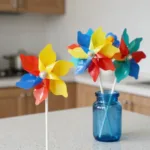
A fun and colorful DIY project to create pinwheel flower garden stakes with kids, enhancing their creativity and fine motor skills.
- Prep Time: 10 minutes
- Cook Time: 30 minutes
- Total Time: 40 minutes
- Yield: 1 pinwheel flower garden stake 1x
- Category: Crafting
- Method: DIY
- Cuisine: N/A
- Diet: N/A
Ingredients
- 1 Plastic bottle
- Colorful paint
- 1 Wooden dowel
- 1 Push pin
Instructions
- Carefully cut the plastic bottle into several pinwheel blades. Invite your children to help.
- Gather your colorful paints and let everyone create their own bright designs.
- Once the paint dries, use a push pin to secure the center of the pinwheel to the wooden dowel.
- Finally, gently push the dowel into a flower pot filled with soil.
Notes
Encourage kids to experiment with different colors and patterns. If blades don’t spin well, adjust the push pin to loosen it slightly.
Nutrition
- Serving Size: 1 pinwheel
- Calories: 0
- Sugar: 0g
- Sodium: 0mg
- Fat: 0g
- Saturated Fat: 0g
- Unsaturated Fat: 0g
- Trans Fat: 0g
- Carbohydrates: 0g
- Fiber: 0g
- Protein: 0g
- Cholesterol: 0mg