

A busy afternoon stretches ahead and the kids ask, “Can we make something now?” You pull a small saucepan from the cabinet, grab cornstarch and a handful of pressed petals, and in less than an hour you have simple keepsakes that feel special.
Cornstarch Bioplastic for Pressed Flowers works well in that exact moment: low-prep, safe, and hands-on. If you’ve ever made a quick kitchen experiment or a simple craft, you’ll recognize the rhythm here—measure, stir, press, and wait—so you can keep the day moving and still end up with something you all love. If you want an idea for a rainy afternoon craft, check out the way this activity pairs with other easy projects like our crafts for kids and fun projects for more inspiration.
Why You’ll Love Making Cornstarch Bioplastic for Pressed Flowers
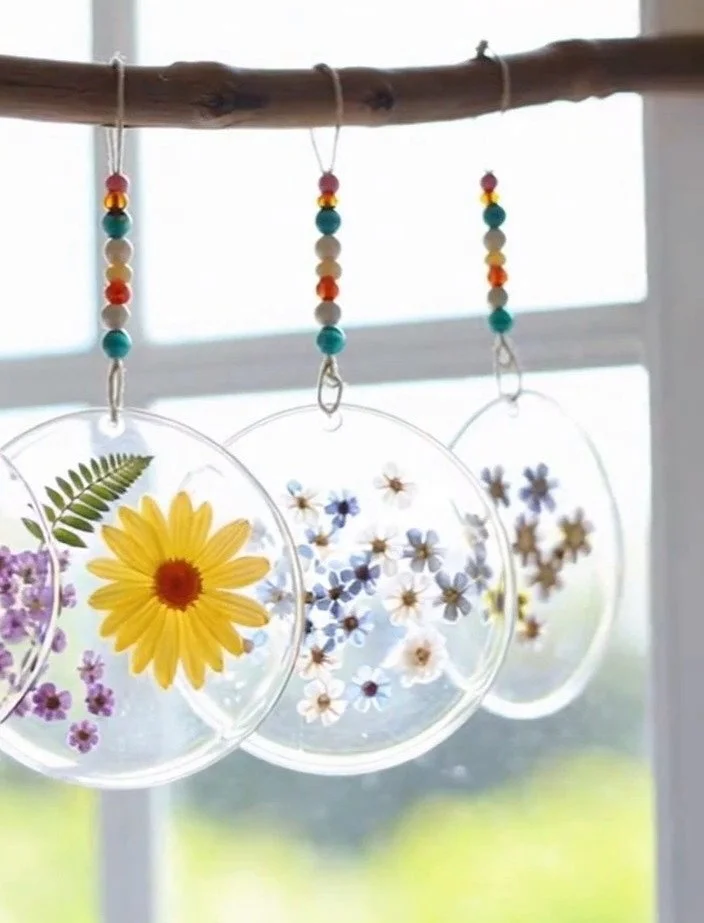
This project fits into busy days because it needs only a few pantry items and a small amount of adult time at the stove. It does not rely on fancy tools, and it uses dried flowers you might already have from a walk or from a craft bin. The recipe uses one part cornstarch and two parts water, with a bit of vegetable oil and a few drops of vinegar or lemon juice if you like. That simplicity makes it easy to plan on short notice.
You will like how predictable it feels. The mixture changes in obvious ways as you cook it: thin and milky at first, then thick and glossy, then soft dough. Those cues tell you what to do next. Cleanup stays simple because the dough comes off nonstick paper and the tools wipe clean with a damp cloth. Most families get good results on the first try, and when things do go sideways you can usually fix them without starting over.
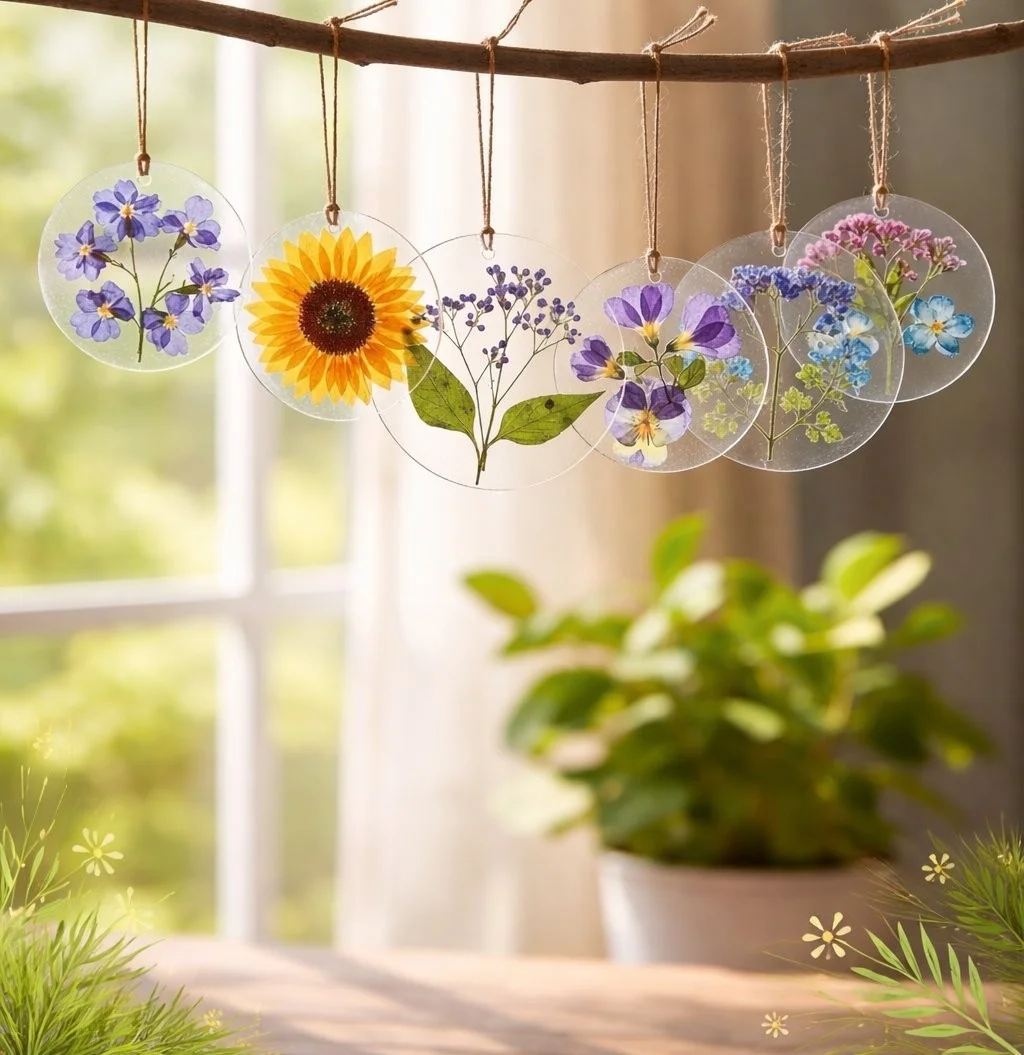
The finished pieces look calm and natural. Pressed petals keep their shape and color in thin sheets, so your children’s creations feel like small, delicate treasures rather than messy glitter projects. That makes them easy to gift, hang on a card, or keep flat in a memory book.
A Quick Look Before You Begin
This activity takes about 20 minutes of hands-on time and a day or two to fully dry, depending on how thin you roll the dough and how dry your room is. Set aside a clean counter or table, lay down nonstick baking paper or a silicone mat, and keep a bowl nearby for cooling and kneading. An adult handles the stovetop portion while kids can help measure, press petals, and cut shapes.
Plan for a low-to-moderate mess level. You might get a little cornstarch on the counter and a few petals on the floor, but the dough itself is easy to contain between sheets of paper. While the pieces dry, expect to flip them once or twice for even drying. That part takes patience, not skill, and it gives kids a chance to check progress and feel involved.
If you want other low-fuss activities while the pieces dry, try a simple follow-up like our easy bubble dough or a short STEM moment. For a similar kitchen-science rhythm that kids enjoy, our cornstarch dish soap bubble dough is a nice companion project. Both feel like hands-on play and both use familiar ingredients.
Materials You’ll Need
1 part cornstarch
common pantry item
2 parts water
tap water works fine
1 teaspoon of vegetable oil per cup of cornstarch
olive or sunflower oil also works
A few drops of vinegar or lemon juice (optional)
helps with texture; optional
Dried flowers or pressed petals
use flowers pressed in a book or left to dry flat
Nonstick baking paper or silicone mat
keeps the dough from sticking
Small saucepan
for gentle heating
Wooden spoon or silicone spatula
stir continuously
Bowl for cooling and kneading
lined with baking paper for easy cleanup
Rolling pin or small jar for flattening (optional)
use a jar if you do not have a rolling pin
Cookie cutters or sharp craft blade (optional)
for shapes while warm
Fine-tipped scissors
trim edges and petals
Soft cloth or sponge
clean up and smooth edges
Airtight container or parchment for storage
store flat between sheets to keep pieces safe
Follow this list and you will have everything you need. If you are missing one optional tool, improvise. The method stays the same.
STEP-BY-STEP DIRECTIONS
- Measure and combine cornstarch and water in a saucepan. Add vegetable oil and vinegar or lemon juice if using. Stir until smooth.
Stir with a wooden spoon so lumps disappear; the mix should look milky and even. - Place the saucepan over low heat, stirring continuously until the mixture thickens and becomes clear.
Watch for the mix to turn glossy and pull away from the sides; this usually takes a few minutes. - Once thickened, remove from heat and allow to cool slightly before kneading the warm dough in a bowl lined with baking paper.
Cool until it is warm and comfortable to touch, not hot; knead until smooth and elastic. - Flatten the dough between two sheets of baking paper to a thickness of 1-2 millimeters.
Use a rolling pin or a small jar and keep the paper on both sides to prevent sticking. - Press dried petals or leaves into the bioplastic, ensuring not to move them after contact.
Gently press with a finger or the flat side of a spoon so petals lie flat and make full contact. - Seal the top with another sheet and cut shapes if desired using cookie cutters or a craft blade while the material is still warm.
Cutting while warm gives a clean edge; for fine details, a sharp craft blade or small cutters work best. - Leave the pieces to cool and firm at room temperature, flipping occasionally for even drying.
Flip once or twice over the first several hours; thin pieces will firm faster than thicker ones. - Once dry, smooth the edges with a damp sponge or cloth. Store flat between paper sheets.
Use a soft, slightly damp cloth to tidy edges; keep finished pieces in an airtight container or between parchment to stay flat.
These steps follow the simple sequence above and keep the task on track. If you move too quickly at any step, the texture will tell you to slow down. Trust those cues.
What Kids Practice While Making This
Kids practice a lot while making this bioplastic. They work on measuring when they count parts of cornstarch and water. They build fine motor skills when they press small petals, trim edges with scissors, and stamp cookie cutters. Young children learn cause and effect as the mixture shifts from thin to glossy on the stove and eventually becomes a soft dough.
This project also builds patience and observation. Drying takes time, and children learn to check for small changes like how dry the edges feel or whether the center still yields. That quiet waiting is a gentle lesson in timing.
On a simple science level, kids see how heat changes texture and how combining a starch with water forms a moldable material. Keep the explanations short and sensory: the mix gets thicker, then clear, then bouncy. Those plain descriptions match how children notice things in the kitchen.
Troubleshooting Common Issues
If the mixture looks lumpy after you start heating, you probably missed a smooth stir at the beginning. Take it off the heat briefly and whisk in a little water until smooth, then return to low heat. That usually fixes it without losing texture.
If the dough feels sticky and never firms, it may be too thick with water or not cooked long enough. Gently return it to the pan for a minute on low heat, stirring until it pulls away from the sides. Cool slightly and knead again; the texture should improve.
If the dough dries but the petals change color or look dull, they might not have been fully dry when you used them. For the best color, use petals pressed for several days to a week. Alternatively, choose naturally stronger pigments like pansy or marigold for brighter results.
If pieces crack while drying, they may be too thin at some spots or you may have flipped them too often early on. Lay them flat between sheets of paper and let them finish drying without too much handling. Slight cracks can be smoothed gently with a damp cloth once fully dry.
If shapes come out ragged when cutting, try cutting while the sheet is still warm. Use cookie cutters pressed straight down, or trace a shape with a craft blade and lift the paper to ease the cut. A little practice gives cleaner edges.
Easy Variations to Try
Try making tiny tags for gifts by cutting small rectangles and pressing initials or dates into them with a blunt pencil. These make sweet, low-effort keepsakes.
Make a nature collage by embedding more than petals: thin leaves, tiny fern fronds, or bits of grass work well if they are dry. Arrange a scene before sealing the top sheet and press gently.
Create holiday-themed shapes. Use cookie cutters to cut stars, hearts, or pumpkins. Keep the sheet thin so pieces dry faster and stay light enough to hang.
Work with color by choosing different dried flowers. Some petals carry more pigment and give a subtle, natural stain. Remember you cannot add liquid color without changing the recipe, but the natural palette of petals gives gentle variation.
Make a gift set. Press several small pieces in matching shapes, store them flat between parchment, and pack them in a small box for a simple, thoughtful present.
These suggestions keep the core method the same and let you adapt to what you have on hand or which season you like.
Storing or Reusing This Project
Store finished pieces flat between sheets of parchment or baking paper inside an airtight container. Lay heavier flat items under the container lid only if you want them to stay perfectly flat.
If you plan to make multiple batches, keep leftover dough in the fridge wrapped in baking paper. Bring it to room temperature before kneading and flattening. Use it within a day or two; the texture will change if you keep it too long.
Clean up while the dough is fresh. Scrape pots and utensils into the compost or trash, then wash with warm soapy water. A damp sponge usually removes any thin residue from the saucepan. If the dough dries on a pan, soak briefly in warm water to loosen it before washing.
To reduce waste, press multiple small pieces from one rolled sheet, or stack thin sheets between paper plates to keep them clean while drying. Recycling and reusing the paper where possible keeps the project tidy and eco-friendlier.
FAQs About Cornstarch Bioplastic for Pressed Flowers
Is this project messy for inside the house?
It makes less mess than many crafts. Cornstarch can dust counters, so lay down baking paper or an old towel. Kids can measure and press petals at the table while an adult stays near the stove. Clean up is usually a quick wipe and a rinse.
Is it safe for young children to handle?
Yes, if you supervise the stove portion and let the dough cool before little hands handle it. The ingredients are food-safe, but the cooked dough is not meant to be eaten. Keep small children supervised with scissors and any sharp blades.
Can I use fresh flowers instead of dried ones?
Fresh petals hold water and can interfere with drying. Use pressed or thoroughly dried petals for best results. If you only have fresh flowers, press them in a heavy book for a few days first.
What if my finished piece breaks or crumbles?
Thin pieces dry faster and tend to hold together; thicker ones can crack. If something breaks, you can press small fragments into a new thin sheet of dough to make a mosaic piece. That turns a break into a different, creative result.
How long will these keepsakes last?
They last as long as you store them flat and dry. Keep them away from very humid places and direct sun to avoid fading. They can be fragile, so treat them like pressed flowers you might keep in a scrapbook.
These answers come from making this activity many times. Expect small imperfections; they often add charm.
A Final Helpful Note
Keep the mood relaxed. This is a project that rewards calm attention rather than perfection. If the dough seems a little different from batch to batch, that is normal—kitchen conditions and exact measurements vary. Encourage kids to notice how the mixture changes and to say what they see. Celebrate small successes like a petal that keeps its shape or a clean cut.
If something goes wrong, take a break and try again. Most families get satisfying results after one or two tries, and each attempt teaches a tiny bit more about timing and texture.
Conclusion
You can read a detailed study on starch based bioplastics to learn more about the science behind starch materials, and if you worry about plastics in everyday items, this article about plastics in teabags offers a clear, practical look at where plastics appear in household products.
PrintCornstarch Bioplastic for Pressed Flowers
Create beautiful keepsakes with cornstarch bioplastic and pressed flowers—a simple, hands-on craft for kids that requires just a few pantry items.
- Prep Time: 20 minutes
- Cook Time: 5 minutes
- Total Time: 1200 minutes
- Yield: Multiple keepsakes
- Category: Craft
- Method: Crafting
- Cuisine: N/A
- Diet: N/A
Ingredients
- 1 part cornstarch
- 2 parts water
- 1 teaspoon of vegetable oil per cup of cornstarch
- A few drops of vinegar or lemon juice (optional)
- Dried flowers or pressed petals
- Nonstick baking paper or silicone mat
- Small saucepan
- Wooden spoon or silicone spatula
- Bowl for cooling and kneading
- Rolling pin or small jar (optional)
- Cookie cutters or sharp craft blade (optional)
- Fine-tipped scissors
- Soft cloth or sponge
- Airtight container or parchment for storage
Instructions
- Measure and combine cornstarch and water in a saucepan. Add vegetable oil and vinegar or lemon juice if using. Stir until smooth.
- Stir with a wooden spoon so lumps disappear; the mix should look milky and even.
- Place the saucepan over low heat, stirring continuously until the mixture thickens and becomes clear.
- Watch for the mix to turn glossy and pull away from the sides; this usually takes a few minutes.
- Once thickened, remove from heat and allow to cool slightly before kneading the warm dough in a bowl lined with baking paper.
- Cool until it is warm and comfortable to touch, not hot; knead until smooth and elastic.
- Flatten the dough between two sheets of baking paper to a thickness of 1-2 millimeters.
- Use a rolling pin or a small jar and keep the paper on both sides to prevent sticking.
- Press dried petals or leaves into the bioplastic, ensuring not to move them after contact.
- Seal the top with another sheet and cut shapes if desired using cookie cutters or a craft blade while the material is still warm.
- Leave the pieces to cool and firm at room temperature, flipping occasionally for even drying.
- Once dry, smooth the edges with a damp sponge or cloth. Store flat between paper sheets.
Notes
Cleanup is easy as the dough comes off nonstick paper and tools can be wiped clean with a damp cloth.
Nutrition
- Serving Size: 1 keepsake
- Calories: Estimated 50 per keepsake (varies based on thickness and ingredients used)
- Sugar: 0g
- Sodium: 10mg
- Fat: 3g
- Saturated Fat: 0g
- Unsaturated Fat: 2g
- Trans Fat: 0g
- Carbohydrates: 5g
- Fiber: 0g
- Protein: 0g
- Cholesterol: 0mg