

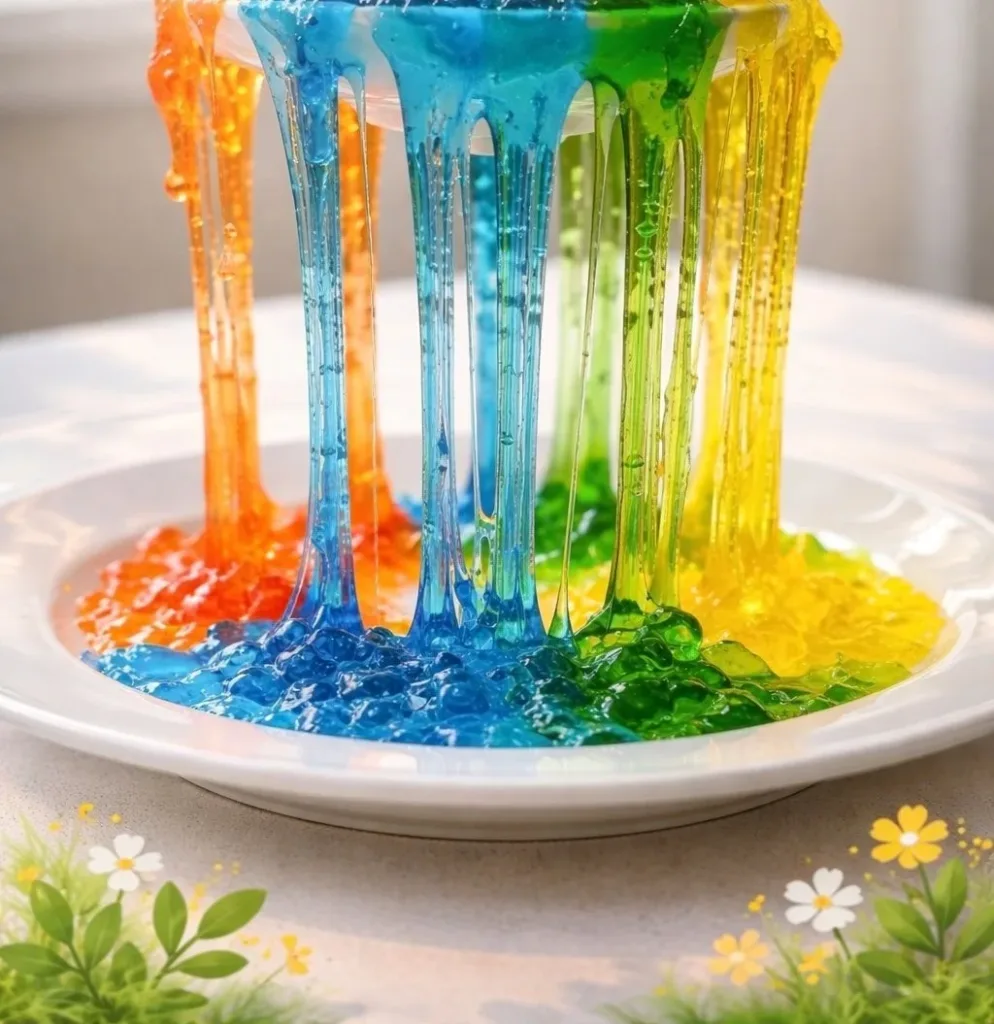
A rainy afternoon, three very hungry kids, and twenty minutes before dinner. You need something quick, messy in a good way, and surprising enough to hold attention. That is where the Rainbow Sugar Crystal Eruption fits perfectly. It turns a basic kitchen into a tiny lab, uses things you already have on the shelf, and gives a visual payoff that feels like a small celebration. If you want a slightly faster version or a different twist later, you can peek at Rapid Growing Rainbow Sugar Crystal Eruption for ideas to speed things up. This project asks for calm setup, a bit of patience, and a safe moment of fizz at the end that kids remember for days.
Why You’ll Love Making Rainbow Sugar Crystal Eruption
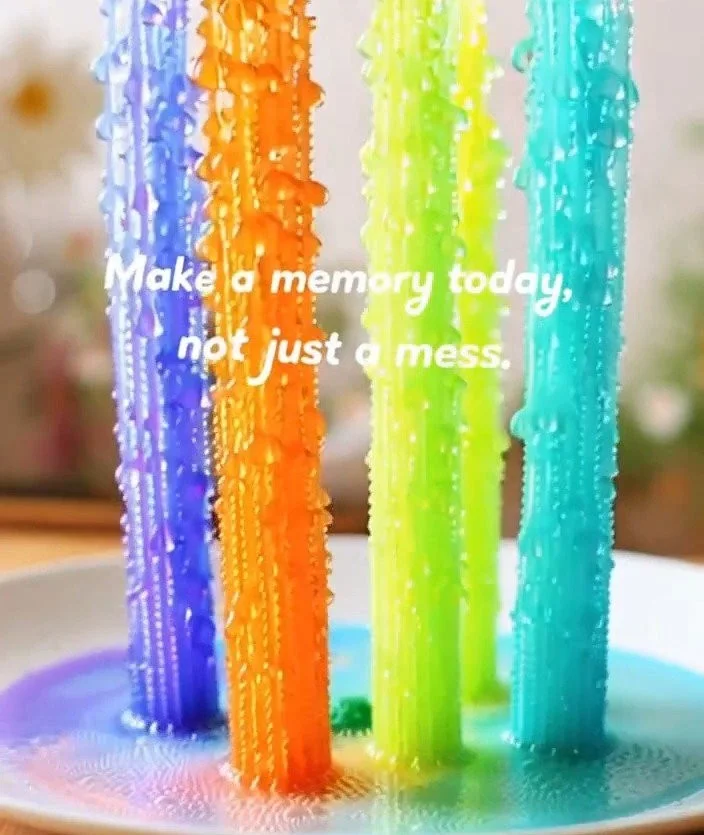
This activity works because it keeps prep simple and results visible. You heat water, dissolve sugar, and wait for crystals to grow. Little hands can help stir, dip, and watch without needing precise skills. That makes it low-prep and approachable on busy days.
It fits real life. You can start it in the morning and check it after lunch. You can pause between steps without losing progress. The materials come from the kitchen and a junk drawer. That makes the project reliable for families who want a science-y moment without a full craft setup.
The eruption at the end gives a tidy finale. It feels dramatic but uses baking soda and vinegar we already keep for cooking and cleaning. That fizz adds a playful burst and encourages kids to ask why things bubble and dance.
Because the steps are short and clear, you can hand one to a child and one to an adult. It rewards small attention spans and gives a real, colorful result you can display or photograph.
A Quick Look Before You Begin
You will set aside 20 to 40 minutes for active work, then 24 to 72 hours of waiting time for crystals to grow. The active time is mostly warming water, stirring sugar, and preparing jars. That fits a calm afternoon or an after-school window.
Expect a low to medium mess level. Sugar syrup can drip and sticky jars will collect a little residue. Lay down a tray or wipeable mat and have a damp cloth ready. For the eruption, put jars on a small tray or baking sheet to catch spills and scattered crystals.
Adult supervision matters for the warming step and for the vinegar fizz. An adult should handle the saucepan and the pour. Kids do well with tying strings, adding color, and watching growth. If you want more guided options, this activity pairs nicely with similar hands-on experiments like Baking Soda Rainbow Crystal Forest, which uses the same materials for a different result.
Keep jars in a cool, undisturbed spot while crystals form. A low shelf in a shaded room works well. Check gently; avoid knocking the jars. Once crystals start, they grow faster if the jars stay still and free of drafts.
Materials You’ll Need
Granulated sugar
common household item; the main ingredient that forms crystals
Water
common kitchen item; warm it to dissolve the sugar
Food coloring or liquid watercolor (optional)
optional; adds the rainbow look
String or clean cotton thread
simple item; use cotton for better crystal cling
Baking soda
common pantry item; used for the eruption fizz
Vinegar
household staple; reacts with baking soda to create the eruption
Small tray or baking sheet
easy catch-all; keeps the table clean during the eruption
Tweezers or small tongs
helpful for handling fragile crystals safely
Measuring cups and spoons
basic tools; measure water and sugar for consistent results
Pencil or chopstick
suspend the string across the jar mouth
Clothespins or tape
hold the string and seed steady
Optional: pipe cleaners, glitter, or essential oils
optional extras; pipe cleaners make different seed shapes, glitter adds shimmer, essential oils add a light scent
Step-by-Step Directions
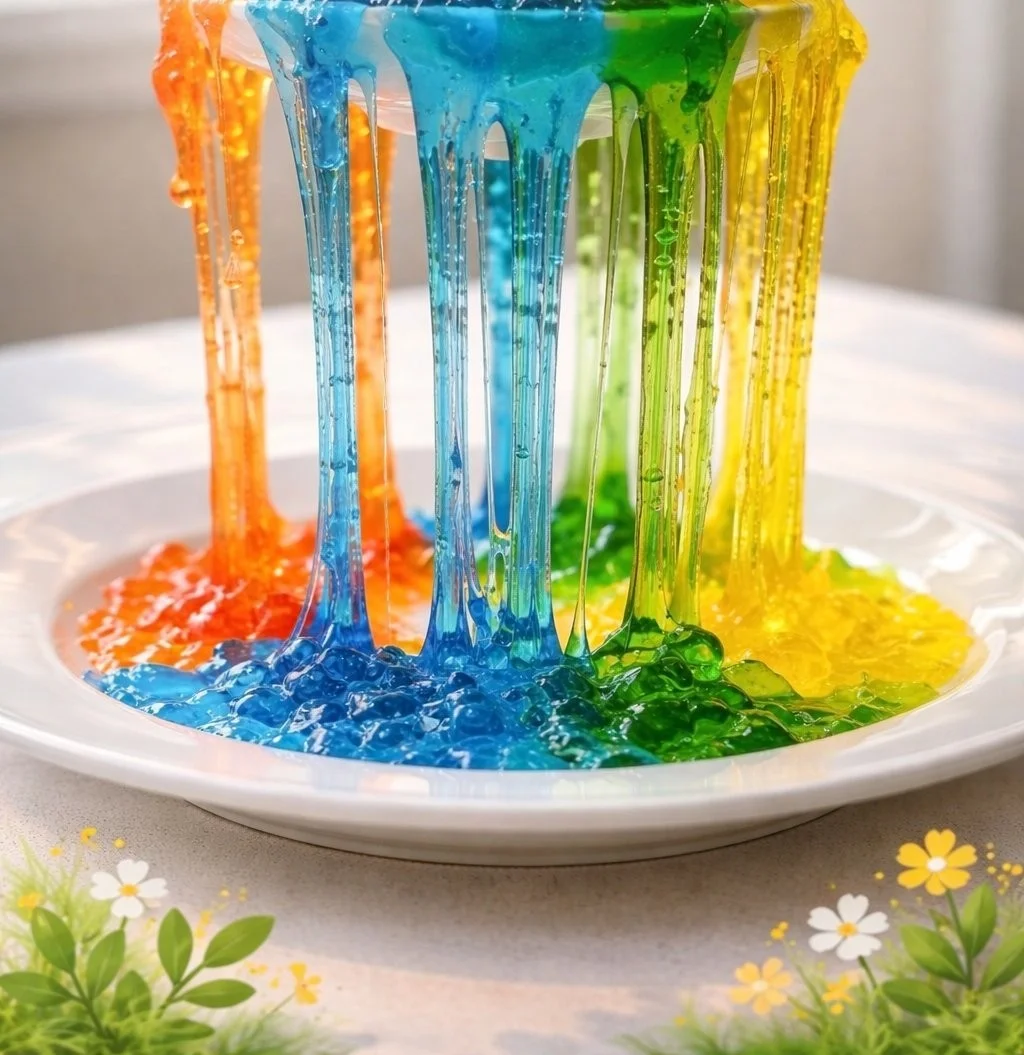
- Measure and warm the water in a saucepan until it moves like a slow current.
Stir in sugar until the solution looks syrupy and clear.
Watch for a glossy look and no visible grains; that means the sugar dissolved. - Add a few drops of food coloring to make separate tones as the syrup cools slightly.
Let it cool until it feels warm but won’t scald.
Use small jars to make multiple colors without wasting syrup. - Prepare jars by suspending a string tied to a pencil in the jar without touching the walls.
Tie a simple knot and use a clothespin or a bit of tape to keep the string steady.
Make sure the string hangs straight down into the jar center. - Pour the colored syrup into jars to cover the suspended seed.
Fill to a level that keeps the string submerged but not so high it touches the lid.
Work slowly to avoid splashes and sticky drips. - Leave the jars in a cool place for 24 to 72 hours to check for crystal formation.
Cover loosely if dust is a worry, but let air circulate a little.
Look for small sparkles forming on the string and along the jar walls. - If necessary, encourage fuller crystals by dipping a seed back into syrup and returning it to the jar.
Gently tap off excess syrup so the string does not carry too much liquid.
When crystals start, they often grow more quickly on a fresh seed. - For the eruption effect, place jars on a tray, sprinkle baking soda on the crystals, color vinegar with food coloring, and pour it over the baking soda to watch the fizz and scatter the colored crystals.
Stand back and pour slowly so the fizz stays controlled and fun.
If you want a different burst pattern, try ideas like those in our Fireworks Rainbow Sugar Explosion for inspiration. - Clean and reflect on the experience once the fizz settles.
Wipe the tray and jars with warm soapy water to remove sticky residue.
Talk about what you saw, what surprised you, and what you’d change next time.
What Kids Practice While Making This
This project supports measurement in a very practical way. Kids practice scooping and leveling sugar and watching how much water it takes to change texture.
Fine motor skills grow when children tie the string, hold clothespins, and use tweezers to move crystals. Those small actions build confidence and steady hands.
Patience and observation matter. Crystals need time. Checking once a day teaches kids to spot small changes and to wait for a visible result.
Cause and effect comes alive during the eruption. Pouring colored vinegar onto baking soda creates fizz immediately. That instant result ties a visible cause to a clear effect.
You also get sensory cues: the syrup feels warm, the crystals look sparkly and coarse, and the fizz makes a soft sound. Those details make the science stick.
Troubleshooting Common Issues
Crystals not forming after 24 hours. Often the solution was not saturated enough. Warm the mixture and add a little more sugar until it looks syrupy and clear. Let it cool and try again with a fresh seed string.
Sticky slurry on the jar neck. Sugar syrup climbs and dries in thin lines if the jar moves or if you overfill. Wipe the rim and outer glass carefully with a damp cloth between checks.
Strings touching the jar sides. Crystals will build along the glass instead of on the string. Reposition the string so it hangs in the center. Use a pencil or chopstick across the jar mouth to keep it steady.
Overly fast growth with grainy crystals. If crystals form very quickly and look small and sandy, the solution may have cooled unevenly or the jar was disturbed. Try a steadier cooling spot and avoid moving the jar.
Eruption too big or too small. Too much vinegar at once creates a bigger mess. Pour slowly to control the fizz. Too little vinegar makes a weak reaction. Match a bit of vinegar to the baking soda start small and add more as needed.
If a jar tips or spills, clean it up right away. Sticky sugar attracts ants when left out. Soak glassware in warm soapy water; the syrup comes off easily if you act soon.
Easy Variations to Try
Make a layered rainbow by pouring different colors into separate jars and placing them side by side.
Let each color form crystals for different times for varied textures.
This is a playful way to compare growth rates.
Use pipe cleaners shaped into spirals or hearts as seeds instead of plain string.
The pipe cleaner gives a stronger structure for more crystals to cling to and a decorative final shape.
Add a drop of essential oil to one jar for a scented crystal.
Choose a light scent like lemon or lavender.
It makes the finished crystals smell pleasant but avoid strong oils if you plan to display near food.
Try glitter or very fine craft sand mixed into the syrup for shimmer.
Use only a little so you do not change the syrup’s ability to form crystals.
This creates sparkly crystals but can change texture slightly.
Scale down for younger kids: make one jar and let younger helpers stir and color while adults handle the heat.
Older kids can manage the full process with supervision.
For a romantic twist, make sugar crystal hearts using a small mold or the pipe cleaner heart idea, and see how different shapes affect crystal coverage.
If you liked the heart approach, check our take on Rainbow Crystal Heart for more shape ideas.
Storing or Reusing This Project
If you want to keep crystals for display, dry them briefly on a tray and store them in a sealed jar or plastic container.
Moisture softens sugar crystals over time, so keep them dry and out of direct sunlight.
Leftover syrup makes a sweet sticky mess if left out. Pour used syrup into a sealable container and store it in the fridge if you want to reuse it for another batch within a day or two.
Otherwise, discard it down a sink with plenty of hot water.
Reuse pipe cleaners or tweezers after a good soak in warm soapy water.
Glass jars clean up well with a hot soak; use a bottle brush to reach inside.
Reduce waste by making small batches in jars you already own.
If a jar chips or cracks, recycle it and replace with a similar-sized jar. Cloth string can be washed and used again if it did not fully crystalize.
If you plan to repeat the eruption, reuse the same tray and wipe it down after each run. The baking soda and vinegar reaction cleans up easily with warm water.
FAQs About Rainbow Sugar Crystal Eruption
Will this make a huge mess that I cannot clean?
Not usually. The sticky part appears where syrup drips or the eruption runs off the jar. Put jars on a small tray and lay down paper towels. After the fizz, most mess wipes up with warm soapy water. If syrup dries, soak the jar first and the sugar comes off easily.
Is this safe for young kids to do?
With supervision. An adult should handle the warm saucepan and pouring. Kids do well with measuring, stirring once the liquid cools, and tying strings. The baking soda and vinegar reaction is safe but fizzy, so keep faces away and stand back while pouring.
Can I skip the food coloring or use something else?
Yes. Food coloring is optional. If you skip it you get clear or pale crystals that still look nice. I do not recommend replacing food coloring with unknown household liquids because they might change how crystals form.
What if nothing grows or crystals look odd?
That happens sometimes. Try warming the syrup a bit more and making a fully syrupy, clear solution. Make sure the string hangs freely and the jar stays still. Small disturbances or an unsaturated solution are the usual causes.
How long do the crystals last and can we eat them?
Crystals will last as display items if kept dry. They are sugar, so insects will like them and they will soften in humidity. I do not recommend eating crystals that have been handled or exposed to household dirt and cleaning products. If you make them purely for eating, plan a clean, food-safe setup and skip glitter or oils.
A Final Helpful Note
Start with small expectations and simple goals. This project rewards curiosity more than perfection.
It looks great even when crystals form unevenly. Celebrate the odd textures and ask kids what they notice.
Keep cleanup in mind when you begin. Set out a towel, use a tray, and remind kids to wash hands before and after. Those few steps make the activity feel smooth and easy.
If one batch does not behave the way you hoped, try again. The steps are short and the materials are cheap. Each try teaches something new about timing, temperature, and tiny hands.
Conclusion
If you want a deeper read or another how-to for sugar crystals, the guide Grow Dazzling Sugar Crystals: A Sweet Science Experiment for Kids walks through crystal basics with clear photos. For another take on the eruption and inspiration for colorful variations, see Rainbow Sugar Eruption – The Buzzy B for extra ideas and visuals.
You can do this with a busy schedule, a small kitchen, and a curious group. Keep it simple, safe, and fun.
PrintRainbow Sugar Crystal Eruption
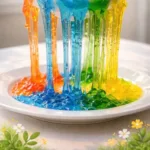
A fun and engaging science experiment for kids that creates colorful sugar crystals and a fizzy eruption using common kitchen ingredients.
- Prep Time: 20 minutes
- Cook Time: 0 minutes
- Total Time: 172 hours
- Yield: 4 servings 1x
- Category: Dessert
- Method: No-Cook
- Cuisine: American
- Diet: Vegetarian
Ingredients
- 1 cup Granulated sugar
- 1 cup Water
- Food coloring or liquid watercolor (optional)
- String or clean cotton thread
- 1 teaspoon Baking soda
- 1/2 cup Vinegar
- Small tray or baking sheet
- Tweezers or small tongs
- Measuring cups and spoons
- Pencil or chopstick
- Clothespins or tape
- Optional: pipe cleaners, glitter, or essential oils
Instructions
- Measure and warm the water in a saucepan until it moves like a slow current.
- Stir in sugar until the solution looks syrupy and clear.
- Add a few drops of food coloring to make separate tones as the syrup cools slightly.
- Let it cool until it feels warm but won’t scald.
- Prepare jars by suspending a string tied to a pencil in the jar without touching the walls.
- Pour the colored syrup into jars to cover the suspended seed.
- Leave the jars in a cool place for 24 to 72 hours to check for crystal formation.
- If necessary, encourage fuller crystals by dipping a seed back into syrup and returning it to the jar.
- For the eruption effect, place jars on a tray, sprinkle baking soda on the crystals, color vinegar with food coloring, and pour it over the baking soda.
- Clean and reflect on the experience once the fizz settles.
Notes
Adult supervision is essential for the warming step and vinegar fizz. Prepare a catch tray for the eruption.
Nutrition
- Serving Size: 1 jar
- Calories: 250
- Sugar: 50g
- Sodium: 5mg
- Fat: 0g
- Saturated Fat: 0g
- Unsaturated Fat: 0g
- Trans Fat: 0g
- Carbohydrates: 65g
- Fiber: 0g
- Protein: 0g
- Cholesterol: 0mg