

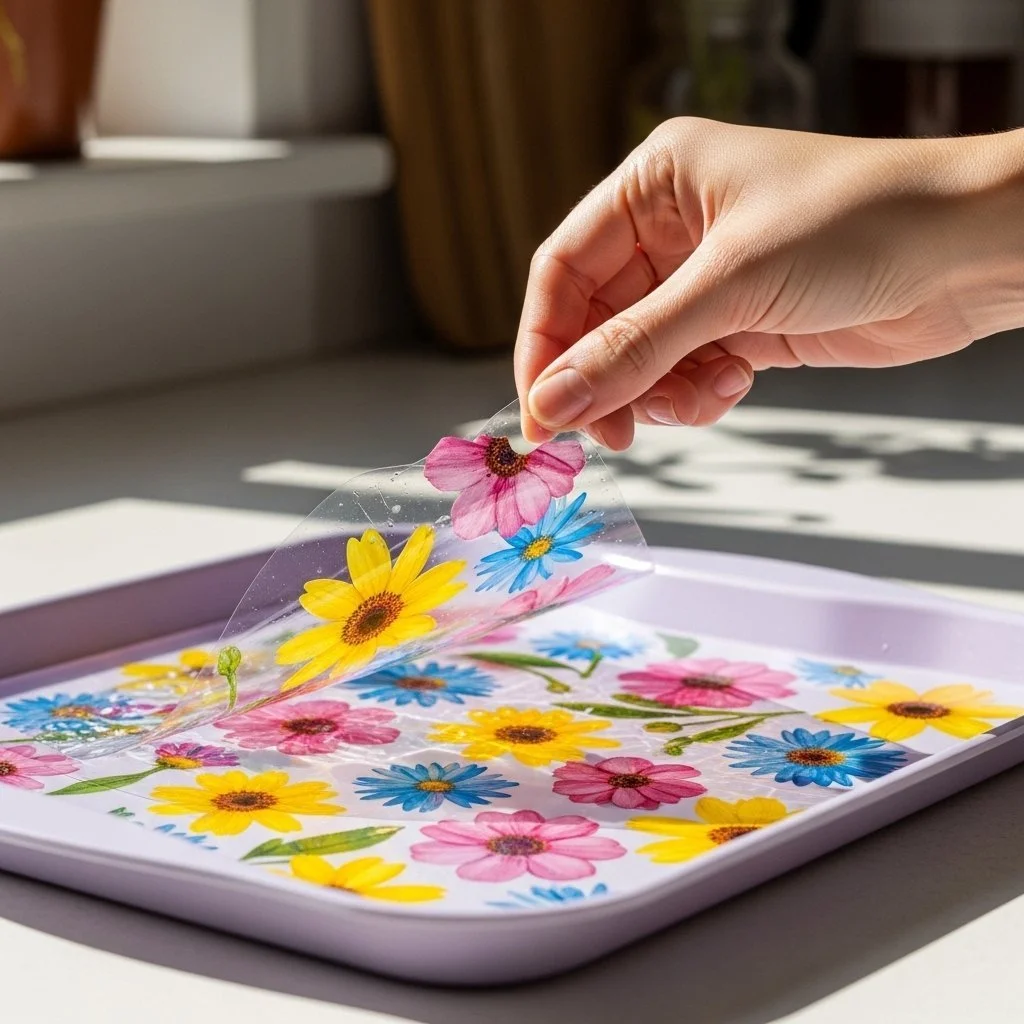
A busy afternoon, a small stack of pressed blooms on the kitchen counter, and a pair of impatient kids asking for something crafty now. That is how I first made Permanent Flower Charms in a hurry and still ended up with jewelry we all loved.
These charms feel like a small, calming win on a crowded day. They use a few common items, a compact workspace, and a little patience while resin cures. If you want a quick keepsake or a last-minute gift, this project fits the bill and is gentle enough to do with older children who can handle tweezers and follow simple steps. For some related ways to celebrate small flowers in crafts, try our crystal flower tutorial for a different kind of keepsake.
Why You’ll Love Making Permanent Flower Charms
This project works so well because it asks for only a few clean moves. You do a small prep task, a short setup, and then most of the time is hands-off while resin cures. That makes it low-prep and easy to fit into a real-life schedule.
The materials are straightforward and mostly reusable. You can press flowers for a week and come back when you have time. Or you can use pre-pressed petals and start immediately. The result looks special without needing fancy tools. That reliability helps make it approachable for a parent guiding a child or for a quick evening project after work.
It also stays neat. Resin does require care, but compared with messy glue, glitter, or clay, it feels controlled. You pour thin layers and check bubbles. Those small checks mean fewer surprises and more consistent results. If you like projects that look deliberate and polished, this one delivers.
If you enjoy watching things change slowly and then reveal a finish, try pairing this with other projects like the crystal growing flower guide later on. Both crafts reward a little patience and a careful final reveal.
A Quick Look Before You Begin
Set aside about 30 minutes of active work time and then plan for curing time separate from hands-on steps. For most casting resins you will need 24 hours to fully cure, though UV resin can be ready in minutes under a lamp.
Setup is small. You need a flat, clean table, a piece of cardboard or plastic to catch spills, and good lighting. Expect a low to medium mess level. You will handle small bits and a few drops of resin, so a cloth to wipe tools and a small trash bowl help keep things tidy.
Adult involvement depends on age. Little kids can help sort colors and choose flowers. Older kids can place petals with tweezers and watch the bubbles disappear. Plan to handle the resin mixing and pouring if children participate. The actual skill level is low but the attention to timing and cleanliness matters. If you liked the gentle precision of this project, our other flower projects show similar hands-on moments.
Materials You’ll Need
Dried or pressed small flowers and petals
- Common household item if you press flowers at home; aim for thin, dry pieces.
Clear casting resin or UV resin
- Choose based on curing time and the finish you want; check the label for safety notes.
Silicone molds or metal bezels
- Silicone molds are easy release; bezels give a more finished look.
Mixing cups and wooden stir sticks
- Disposable cups and sticks cut cleanup time.
Fine-point tweezers
- For careful placement of tiny petals and leaves.
Small gloves and a dust mask (optional)
- Helpful for sensitive skin or if you prefer extra protection.
Toothpick or pin
- For nudging pieces and popping stubborn bubbles.
Isopropyl alcohol in a small spray bottle
- Light spray removes small bubbles and keeps the surface smooth.
Small jump rings and necklace chains or earring hooks
- Pick sizes that fit your chosen molds or bezels.
Soft cloth or microfiber towel
- For wiping spills and drying beads or molds.
UV lamp (optional)
- For curing UV resin quickly; only needed with UV-specific resin.
Step-by-Step Directions
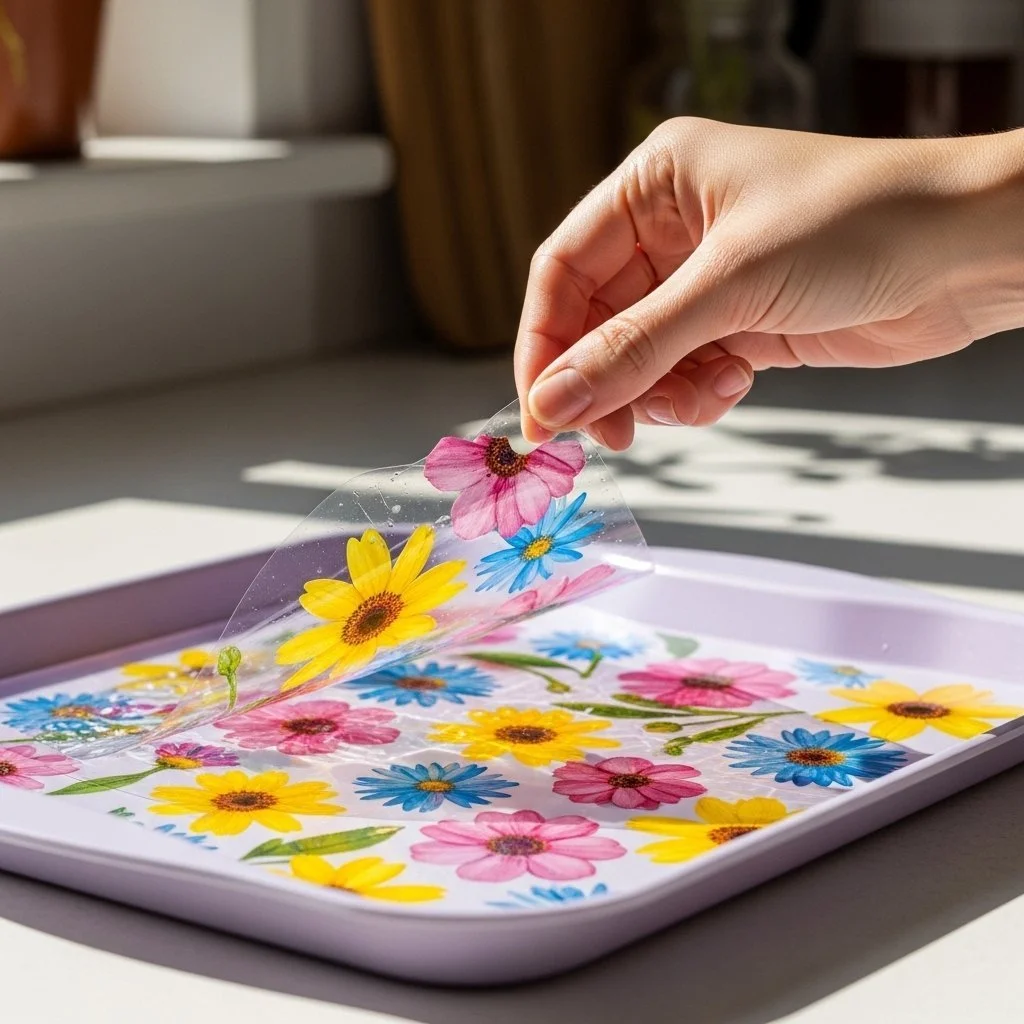
- Prepare your flowers by pressing or drying them until they feel crisp and thin. Keep them flat and free of moisture.
Press flowers between heavy books or a dedicated press for several days. They should snap easily and feel papery. - Clean your workspace and gather all materials.
Wipe the table, line it with cardboard, and set out cups, sticks, and tweezers in reach. Keep a trash bowl handy. - Mix the resin according to the maker’s instructions.
Follow the manufacturer’s ratio and stir slowly to limit bubbles. Scrape the sides and bottom for an even mix. - Pour a thin base layer of resin into the mold or bezel.
A shallow base helps the flowers sit and keeps them visible. Pour slowly and steady to avoid splashing. - Carefully place your flower pieces using tweezers.
Work with one petal at a time. Use the tweezers to lay pieces flat and centered. Smaller bits balance the composition. - Lightly spray the resin surface with isopropyl alcohol to pop any small bubbles.
Hold the bottle a few inches away and mist gently. Bubbles will flatten and clear quickly. - Add a second thin layer of resin to encapsulate the flowers.
Pour in a slow, steady stream. Stop if resin pools near the edge and let it level before adding more. - Cure the piece according to the type of resin you use.
UV resin cures fast under a lamp. Casting resin needs a dust-free spot and time to harden fully. - Once cured, demold carefully and finish edges as needed.
Silicone molds pop out easily. For bezels, use a gentle push. Sand rough edges with fine grit if needed. - Attach hardware and your charm is complete!
Use small jump rings or a jewelry plier to add chains or hooks. Wipe with a soft cloth for a bright finish.
The Simple Science or Skills at Work
This craft teaches a little chemistry and a lot of careful hands-on skill. Resin starts as a liquid mix that hardens into a clear plastic. Mixing ratios and stirring speed change how many bubbles form and how strong the cure will be. That is why following the label matters.
Kids practice fine motor skills by picking and placing tiny petals. They learn cause and effect when a too-thick flower creates a gap or when a spray of alcohol smooths a bubble away. Timing matters too. Adding thin layers helps avoid shifting bits and keeps layers clear.
You also get practice with visual judgment. Choosing colors and placement helps a charm look balanced. Those are simple design decisions that build confidence in small-scale crafting.
Troubleshooting Common Issues
If a flower floats up while you pour, you likely poured too much or too fast.
Pause, let the layer set a little, then use tweezers to push the piece back down. A toothpick can help nudge edges into place.
If bubbles form that do not pop, you might have stirred too quickly or used a cold resin.
Warm the mixed resin slightly in your hands or in a warm water bath in the cup for a minute, then pour. A quick mist of isopropyl alcohol helps most bubbles disappear.
If the resin looks cloudy after curing, moisture could have been trapped in the flower or the air was very humid.
Next time, press flowers longer and store them in a dry container. You can also sand and polish a cloudy piece lightly to bring back shine.
If edges feel sharp after demolding, a light sanding with fine grit paper smooths them.
Work gently and then wipe clean. A tiny bead of topcoat resin can finish the edge if needed.
If you see fingerprints or dust on a cured piece, keep your workspace covered while curing.
A folded box or a shallow tray with a cutout lid makes a good dust-free tent.
Easy Variations to Try
Try a tiny mosaic. Use small bits of different petals to make a tiny pattern inside a round bezel.
This works well with bright contrasting colors and gives a graphic, playful look.
Make matching sets. Create a pair of charms with the same color family but different shapes for a necklace and an earring.
Kids love making a set for a parent. It becomes a simple gift set with a matching theme.
Add a tiny note. Write a single word on thin paper, seal it with a very thin resin layer, and place it next to a petal.
Use caution with paper to ensure it is fully dry and sealed so it does not trap moisture.
Change the background color. Dye the bottom layer of resin a soft pastel for a framed look.
Mix a tiny dot of pigment into the base layer sparingly. Test on a scrap mold first to see the final shade.
If you like seeing crystals next to flowers, consider pairing techniques from our crystal growing flower guide for a different keepsake that plays with texture and shine.
Storing or Reusing This Project
Store finished charms in a soft pouch or a jewelry tray to prevent scratches.
Avoid direct sunlight for long periods to help color last longer.
Keep leftover resin in its original, sealed bottle in a cool, dry place.
Do not try to pour old mixed resin; it will not cure again once mixed.
Repurpose silicone molds by cleaning them with isopropyl alcohol and warm water.
If a mold rings cloudy, a little warm water and mild soap restores clarity most of the time.
Save tiny flower scraps and use them in mixed-media cards or on small wood tags.
A little jar of pressed bits becomes a ready palette for other projects.
If you find a charm you do not wear, it still makes a sweet zipper pull or bag charm with a small jump ring.
FAQs About Permanent Flower Charms
Can kids help with this and how much should they do?
Yes, kids can help with choosing flowers and placing pieces with tweezers. Have an adult mix and pour the resin. Older kids can practice careful placement while an adult handles the resin. Supervise closely and keep the mixing area off-limits to little hands until the resin sets.
How messy is the project and what helps cleanup?
The project is low to moderate mess. Resin sticks to things, so line the table and use disposable cups and sticks. Keep paper towels and isopropyl alcohol handy to wipe spills right away. Gloves make cleanup easier, but if resin gets on skin, use soap and a gentle scrubbing cloth while it is still wet.
What if I do not have pressed flowers ready?
You can press flowers quickly by placing them between parchment and under a heavy book for a few days. Thin petals like violets, baby’s breath, and small daisies press faster. Do not use fresh, damp pieces; they trap moisture and cause clouding.
Can I swap materials, like different molds or bezel types?
Yes, silicone molds and metal bezels each give a slightly different finish. Silicone is forgiving and easy to pop out. Metal bezels give a more finished look but require careful pouring to avoid gaps. Stick to the materials list for best results.
How long do finished charms last and how do I store them?
When cured and kept out of harsh sunlight, resin charms last a long time. Store them in a small pouch and avoid bending or heavy impacts. A soft cloth wipe keeps them looking fresh.
A Final Helpful Note
Take your time and enjoy the small, calm parts of this project. The hands-on moments teach patience and care, and small choices like flower placement matter more than perfection. If something goes sideways, remember you can often fix it with a light sand and a thin topcoat layer of resin.
Be flexible with timing. If life interrupts the curing, cover your pieces and return to them later. The charm you make will tell a gentle story about the moment you made it, even if it is tiny and imperfect. Trust that simple materials and steady steps produce keepsakes you will enjoy wearing and sharing.
Conclusion
If you want to add a finished charm or pick from premade options, explore this lovely selection at Flower Charms – Linked By Laur for inspiration and ready-to-wear pieces. For more options in hardware and charm styles to match your new creations, check out CHARMS – Links Permanent Jewellery Supplies.
PrintPermanent Flower Charms
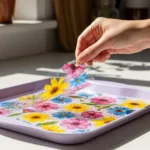
Create beautiful and personalized jewelry with pressed flowers and resin in an engaging craft project suitable for children and adults alike.
- Prep Time: 30 minutes
- Cook Time: 1440 minutes
- Total Time: 1470 minutes
- Yield: 1 charm
- Category: Craft
- Method: Crafting
- Cuisine: N/A
- Diet: N/A
Ingredients
- Dried or pressed small flowers and petals
- Clear casting resin or UV resin
- Silicone molds or metal bezels
- Mixing cups and wooden stir sticks
- Fine-point tweezers
- Small gloves and a dust mask (optional)
- Toothpick or pin
- Isopropyl alcohol in a small spray bottle
- Small jump rings and necklace chains or earring hooks
- Soft cloth or microfiber towel
- UV lamp (optional)
Instructions
- Prepare your flowers by pressing or drying them until they feel crisp and thin. Keep them flat and free of moisture.
- Clean your workspace and gather all materials. Wipe the table, line it with cardboard, and set out cups, sticks, and tweezers in reach.
- Mix the resin according to the maker’s instructions. Follow the manufacturer’s ratio and stir slowly to limit bubbles.
- Pour a thin base layer of resin into the mold or bezel. A shallow base helps the flowers sit and keeps them visible.
- Carefully place your flower pieces using tweezers. Work with one petal at a time.
- Lightly spray the resin surface with isopropyl alcohol to pop any small bubbles.
- Add a second thin layer of resin to encapsulate the flowers.
- Cure the piece according to the type of resin you use.
- Once cured, demold carefully and finish edges as needed.
- Attach hardware and your charm is complete!
Notes
This project can be done with older kids who can handle tweezers and follow simple steps. Always supervise children closely.
Nutrition
- Serving Size: 1 charm
- Calories: 0
- Sugar: 0g
- Sodium: 0mg
- Fat: 0g
- Saturated Fat: 0g
- Unsaturated Fat: 0g
- Trans Fat: 0g
- Carbohydrates: 0g
- Fiber: 0g
- Protein: 0g
- Cholesterol: 0mg