

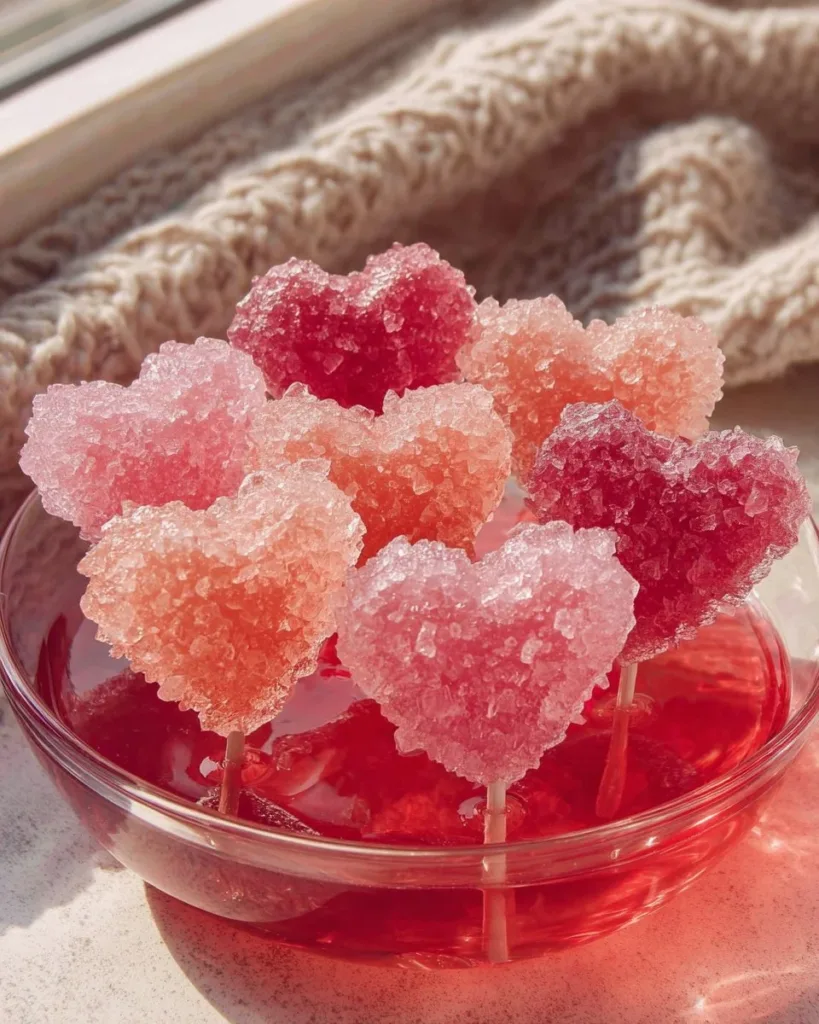
A busy afternoon, kids asking for something to do right now, and a kitchen counter with room for one quick setup that is the kind of moment that Growing Heart Crystals fits perfectly. You can pull out a few pipe cleaners, heat a cup of water, and watch a spark of wonder appear in less than an hour of hands-off time. This project works well when you need an easy, satisfying activity that still feels special. If you like other low-fuss science crafts, you might also enjoy our baking soda growing tree experiment for a different kind of crystal fun: baking soda growing tree experiment.
Why You’ll Love Making Growing Heart Crystals
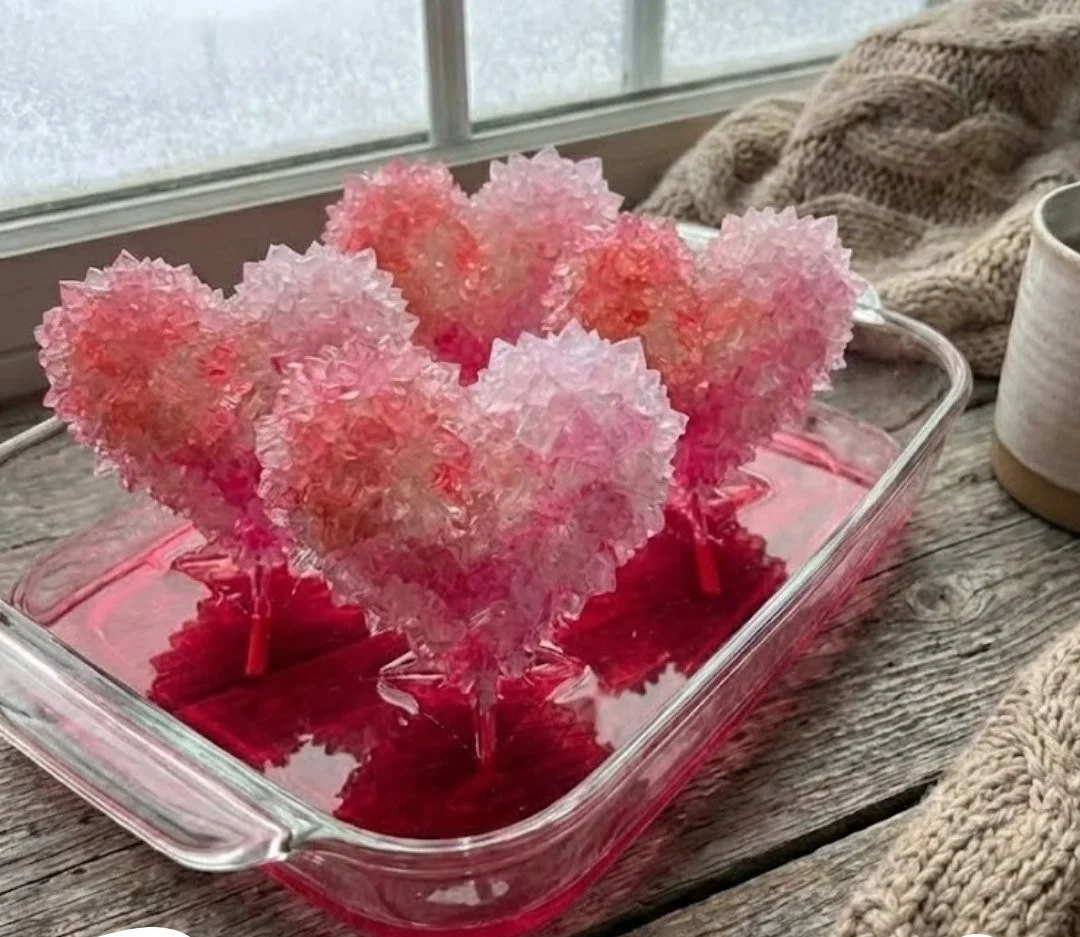
This project asks very little from you and gives a lot back. It uses common items you probably already have pipe cleaners, a baking dish, hot water, and sugar or borax. You shape the pipe cleaners into hearts, stir, pour, and wait. That simple loop makes it low-prep and easy to fit into a busy day.
It also works across ages. Younger kids enjoy shaping the hearts and seeing crystals form, while older kids like the careful stirring and the patience of waiting. You get a clear, visible result that feels like a real win, not a craft that fades after five minutes.
The setup takes minutes. The crystal growth takes hours. That means you can start this before dinner or right after school, then check back later to find something beautiful. It fits family schedules without drama.
A Quick Look Before You Begin
Start to finish, plan for a little hands-on time and a longer quiet waiting phase. The actual prep takes about 10 to 15 minutes. Mixing the solution and getting the hearts hanging is the most active part.
You will want a stable spot where the baking dish can sit undisturbed. A shelf, a tabletop corner, or a quiet windowsill works. Try to pick a place away from strong air currents or curious pets.
Mess level stays low if you use the hot water in a container you can handle and keep kids at a safe distance while you stir. Most cleanup is rinsing a dish and wiping a little spill if it happens. Expect some sticky sugar residue if you tip the dish, so have a towel ready.
Materials You’ll Need
1 cup very hot water
common household item; start with boiling or near-boiling water for good solubility
Pipe cleaners
easy, inexpensive craft supply; twist two for sturdier hearts if you like
Baking dish
a shallow dish or glass works; something that fits the heart shape
String or a stick to hold the pipe cleaner shape
use a clothespin, chopstick, or a bit of string over the dish edge to suspend the heart
Optional food coloring
adds color to the crystals; a few drops go a long way
2-3 cups sugar or borax
either works; sugar gives soft sparkly crystals, borax gives more defined ones
STEP-BY-STEP DIRECTIONS
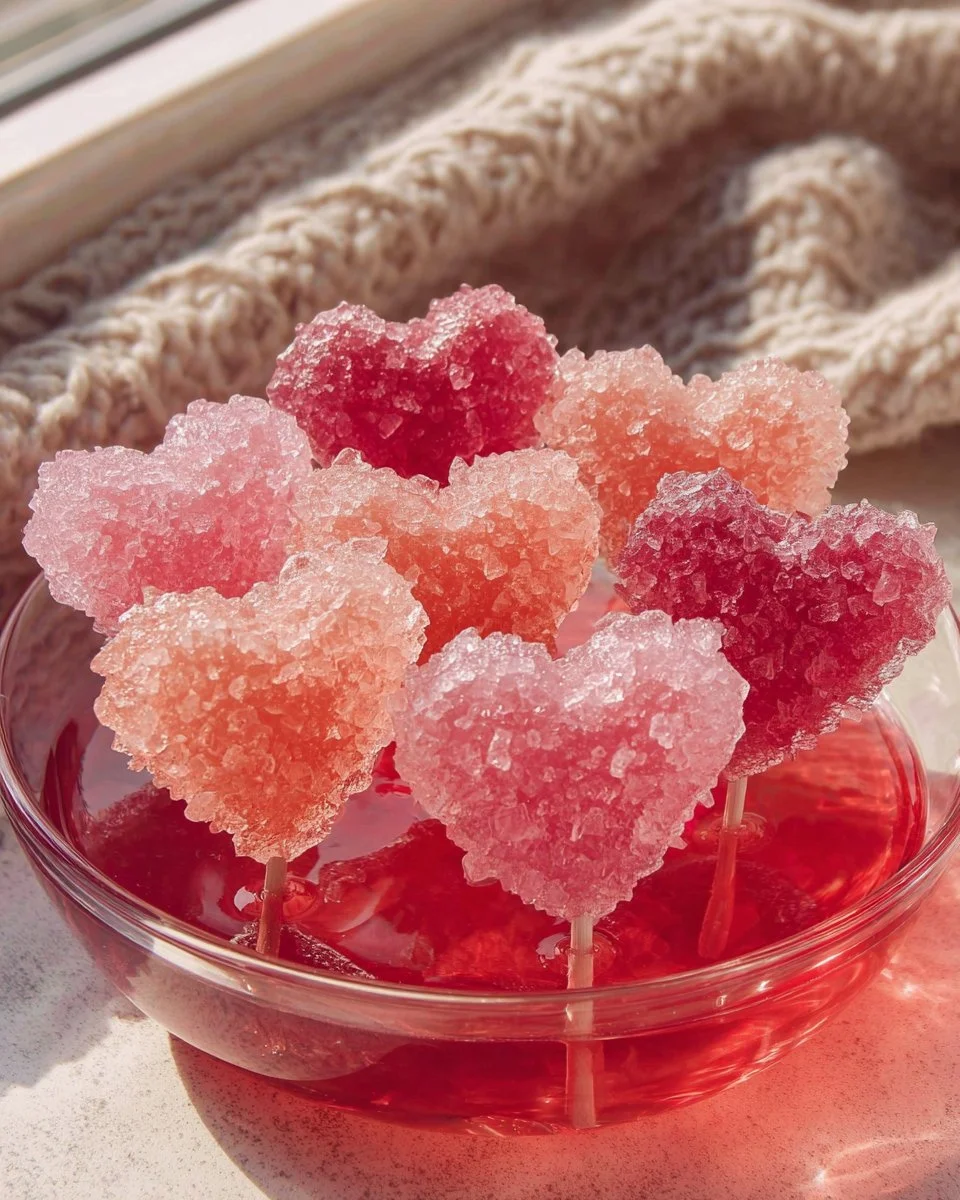
- Shape the pipe cleaners into heart shapes and hang them over the edge of a baking dish or glass.
Make the loop large enough to hold a good crystal surface and use a stick or string to keep the heart suspended. The heart should dangle without touching the bottom. - In a separate container, carefully mix the hot water with the sugar or borax until fully dissolved.
Pour the hot water into a heatproof bowl, then add the sugar or borax a little at a time while stirring. You will see the powder disappear into the water and the liquid look clearer. - Add food coloring if you’d like to brighten it up.
A drop or two is enough for a soft tint. Stir gently until the color spreads evenly and the solution looks uniform. - Pour the hot solution into the baking dish until the pipe cleaners are submerged.
Pour slowly so you do not splash. The solution should cover the lower part of the heart where you want crystals to grow. - Let it sit undisturbed for several hours or overnight for crystals to grow.
Find a steady spot and keep people and pets away. You will begin to see tiny sparkles form in a few hours; larger crystals appear after more waiting. - Once formed, gently remove the crystals and let them dry.
Lift the heart out and rest it on a paper towel or drying rack. Crystals harden as they dry and the colors deepen a bit over time.
The Learning Behind This DIY

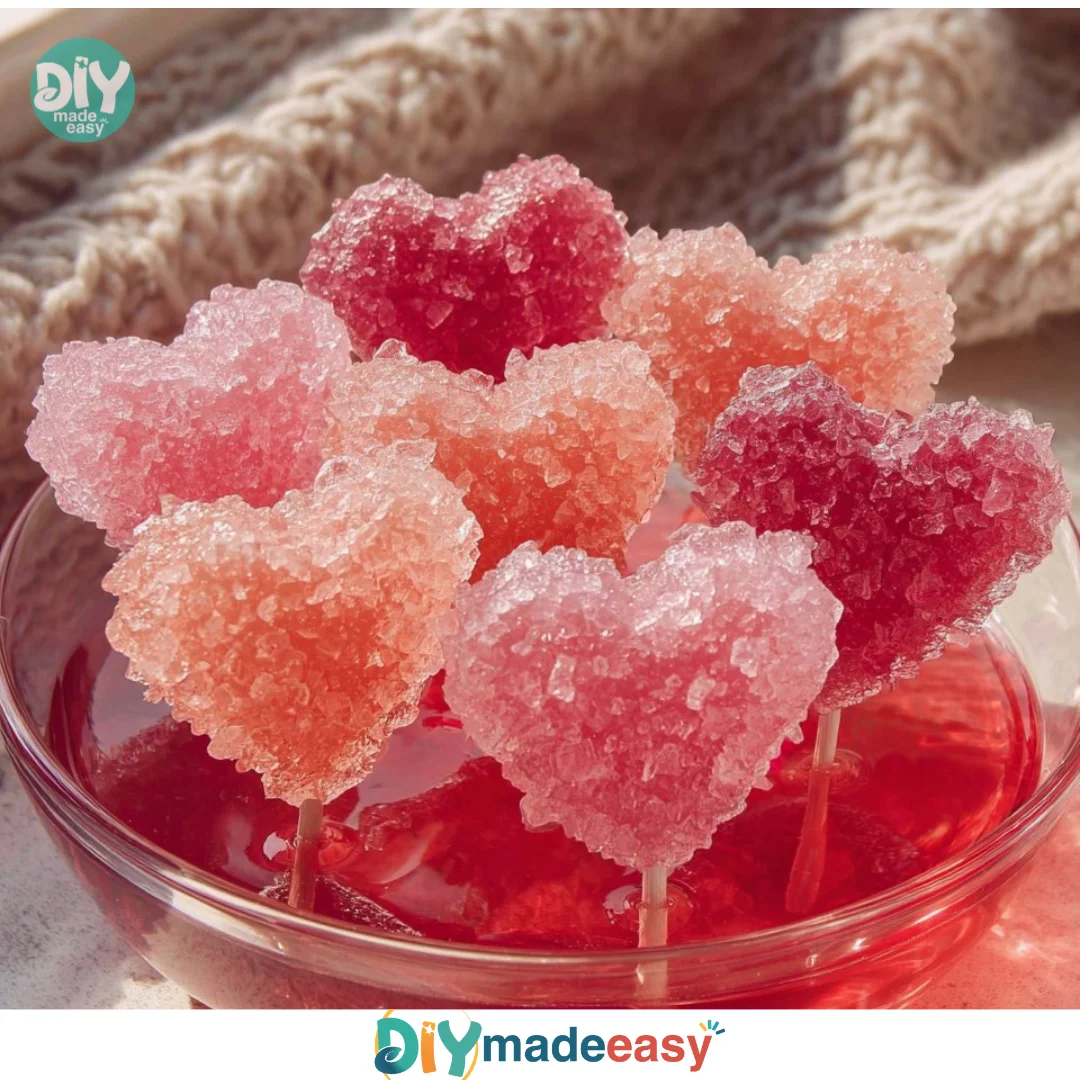
This activity shows a simple chemistry idea in a hands-on way. Hot water dissolves more sugar or borax than cold water. As the solution cools, the extra material comes back out of the liquid and forms crystals.
Kids get to see cause and effect. They mix, they wait, and the solution changes. That sequence trains observation and patience.
You also practice small motor skills. Twisting pipe cleaners into hearts helps finger strength. Stirring a hot solution carefully teaches control and attention to safety. Checking for crystal formation encourages careful looking and describing what you see.
If you want to link this idea to other projects that use gradual growth or crystals, try the hands-on heart stem challenge for a related craft idea that supports the same kind of thinking: hands-on heart stem challenge.
Troubleshooting Common Issues
If crystals hardly form, the solution may not have been concentrated enough. The fix is simple. Reheat a little water, add more sugar or borax, and dissolve until the liquid looks nearly clear. Start again with a stronger solution.
If the crystals form mostly on the sides of the container and not on the pipe cleaner, your heart might have touched the dish or the solution cooled unevenly. Make sure the heart hangs freely in the middle and adjust the hanging height so it stays clear of the dish bottom.
If the solution looks cloudy or you see particles floating, skip touching the hearts for a day. Some cloudy residue settles and the crystals continue forming. If floating debris bothers you, strain the hot solution through a fine sieve into the baking dish before you submerge the hearts.
If kids want faster results, try checking after a few hours. You will often see tiny sparkles start early. Remind them that larger crystals take longer and that moving the dish or bumping the hearts can break delicate growths.
Easy Variations to Try
Try a color-blocked heart. Dip only the bottom half of the pipe cleaner in colored solution, then use clear solution for the top half. This gives a two-tone crystal look and is fun to plan.
Make mini hearts. Use smaller pipe cleaners and a shallow dish. Small hearts grow faster in tight spaces and make good garlands for decorating a room.
Pair sugar and borax hearts to compare. Make one heart with sugar and one with borax side by side. Let kids predict which will grow bigger crystals and then observe the difference.
Use patterned pipe cleaners for texture. The base pipe cleaner color and twist can influence how the crystals cling. Twist two colors together before shaping to get variegated results.
Create a simple mobile. Make several hearts in different colors and sizes, let them dry, and hang them from a dowel or an embroidery hoop for a handmade decoration.
Storing or Reusing This Project
If you want to keep the crystal hearts, let them dry completely on a paper towel for 24 hours. Store them in a small box or a display case away from direct sun and humidity. Over time, crystals can dull if they collect moisture.
You can reuse the dry pipe cleaners as long as the crystals break off without shredding the pipe cleaner core. If the pipe cleaner bends or the crystals glue pieces together, consider melting them off carefully or using a new pipe cleaner for a fresh shape.
For cleanup, pour leftover solution down the sink with plenty of running water. Sugar dissolves readily; borax needs more rinsing. Wipe the baking dish with warm water and a sponge. If the dish has a sticky residue, soak it briefly in warm water before washing.
To reduce waste, use glass or a reusable dish for the experiment. Reuse the same stick or string setup for several rounds of hearts. If you try different colors, rinse the dish between batches so the colors do not mix too much.
FAQs About Growing Heart Crystals
Will this make a big mess?
It will not if you set up carefully. The main mess comes from a splash or from sticky sugar on hands. Work on a towel, pour slowly, and have a wet cloth handy. I have done this with preschoolers; quick spills happen but they clean up fast and the finished hearts feel worth it.
Is this safe for small kids?
The materials are simple but the water is hot. Keep young children back while you heat and stir the solution. Older kids can help with stirring if you show them how to hold the bowl and stir slowly. For households with very young children who might put things in their mouths, choose supervision and consider sugar instead of borax.
Can I use other household ingredients instead of borax?
Sugar works well and is often easier to find. Borax gives sharper crystals, but sugar creates sparkly, pretty results too. Expect different textures and sizes depending on which you pick.
What if nothing grows overnight?
It happens. Often the solution cooled too fast, the mix was not concentrated enough, or the heart touched the dish. Try reheating, add a bit more sugar or borax, and suspend the heart again in a calm spot. Little changes make a big difference, and most of the time a retry gives great results.
How long will the crystals last?
Dry crystals stay intact for weeks or months if you keep them dry. In humid places, they can soften or lose shine. Store finished hearts in a sealed box if you want to keep them for a gift or display.
A Final Helpful Note
Take the pressure off. This activity favors curiosity over perfection. If a heart comes out with uneven crystals or a few bald spots, that looks charming, not ruined. Kids learn to notice and describe what changed more than they learn to make a perfect object.
Plan for at least one retry if you have picky expectations. I often do one batch with kids and then a second batch the next day with a small tweak. The second round usually looks even better and helps kids see how small changes affect the outcome.
Be ready to celebrate small wins. A single row of crystals along the heart edge can excite a child as much as a fully crystallized heart. Keep the mood light, and enjoy the look of something grown from simple ingredients.
Conclusion
If you want another take on the same idea with clear photos and step-by-step photos, check this detailed guide to making borax crystal hearts: Borax Crystal Hearts (Easy Crystal Growing Experiment for Kids). For a different write-up with helpful tips for shaping and drying, this tutorial also offers a nice, practical walkthrough: How to Grow Valentine Borax Crystal Hearts – Left Brain Craft Brain.
PrintGrowing Heart Crystals
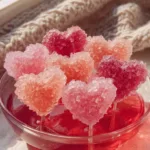
An engaging and easy science project for kids to grow beautiful heart-shaped crystals using simple household materials.
- Prep Time: 10 minutes
- Cook Time: 240 minutes
- Total Time: 250 minutes
- Yield: Multiple heart-shaped crystals
- Category: Craft
- Method: Crafting
- Cuisine: N/A
- Diet: N/A
Ingredients
- 1 cup very hot water
- Pipe cleaners
- Baking dish
- String or a stick
- Optional food coloring
- 2–3 cups sugar or borax
Instructions
- Shape the pipe cleaners into heart shapes and hang them over the edge of a baking dish or glass.
- Mix the hot water with the sugar or borax until fully dissolved.
- Add food coloring if desired.
- Pour the hot solution into the baking dish until the pipe cleaners are submerged.
- Let it sit undisturbed for several hours or overnight for crystals to grow.
- Once formed, gently remove the crystals and let them dry.
Notes
Keep the dish in a stable spot away from pets and strong air currents during the waiting phase. Use a towel for easy cleanup of any spills.
Nutrition
- Serving Size: 1 project
- Calories: N/A
- Sugar: N/A
- Sodium: N/A
- Fat: N/A
- Saturated Fat: N/A
- Unsaturated Fat: N/A
- Trans Fat: N/A
- Carbohydrates: N/A
- Fiber: N/A
- Protein: N/A
- Cholesterol: N/A