

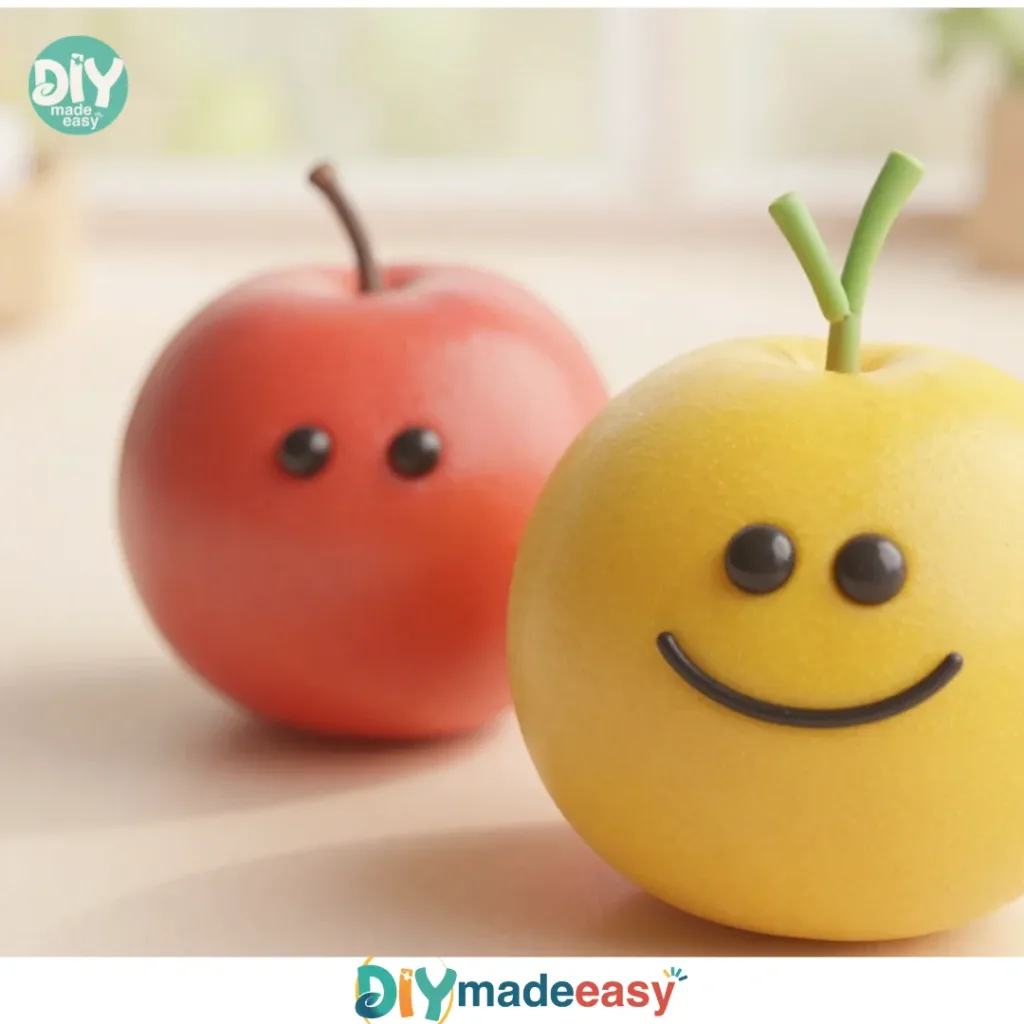
Getting creative can be a challenge on a busy afternoon when kids suddenly want to make something fun but easy. Sometimes, you might find yourself in need of a quick yet engaging activity. One fantastic option that fits the bill is making DIY Fruit Stress Balls. These squishy little balls not only keep little hands busy but also provide a satisfying outlet for stress. They can be shaped and colored to look like different fruits, which can be especially fun for kids. This activity blends creativity and sensory play, making it perfect for families looking to spend a meaningful afternoon together.
Why This Fruit Stress Balls Works So Well
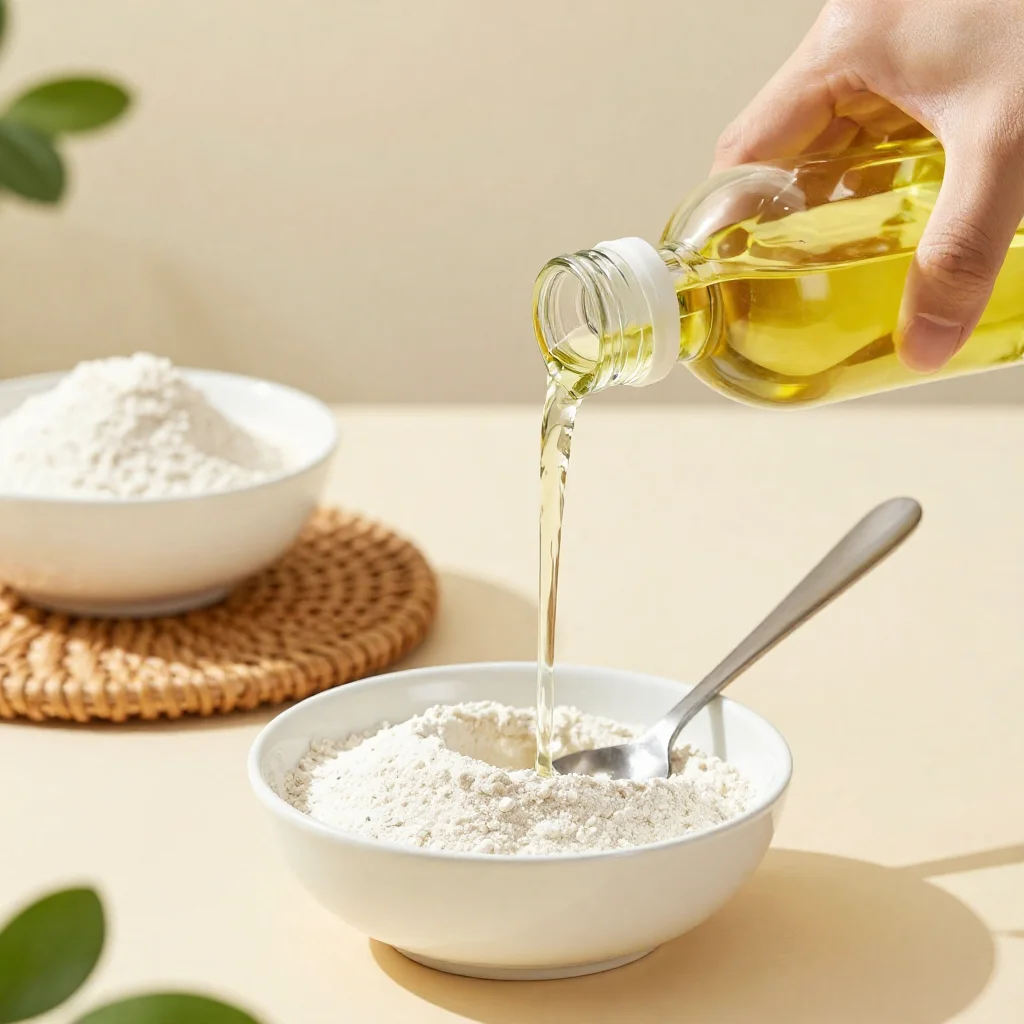
Making Fruit Stress Balls stands out as an excellent choice for families for several reasons. First, it’s low-prep; you can gather the materials easily from your home. Most of us have balloons and flour or cornstarch lying around, so there’s not much fuss in organizing.
This activity is approachable for all ages. Even younger kids can join in, with a little help from adults. The steps are straightforward and don’t require advanced crafting skills. If you are a busy parent, this project is reliable; it can fit into a gap between lunch and nap time, offering an engaging option that keeps kids entertained.
The Fruit Stress Balls also provide a hands-on experience. The feeling of the soft filling, the texture of the balloons, and the act of squeezing the final product can be incredibly soothing. Plus, there’s an instant visual appeal in the fruit shapes that can brighten anyone’s mood.
Discover Easy Kids Activities
Looking for simple, fun ideas for kids? Explore our Low Prep Kids Activities and find quick projects that spark creativity without long prep time.
A Quick Look Before You Begin
Making these stress balls is a simple and quick endeavor. You can expect to invest about 30-45 minutes for the entire process. Set up in the kitchen or a space where cleanup is easy. It is a messy project, but the mess is manageable with just a little preparation.
If you’re concerned about how much help your kids will need, rest assured that they can do most steps independently with minimal supervision. A gentle guiding hand is often all they require to get started. Parents might want to set aside time for little ones to experiment with decorating their creations, which allows for extra fun.
Materials You’ll Need
- Balloons, small or water-balloon size
- Fine flour, cornstarch, or soft sand
- A small funnel or a homemade paper funnel (optional)
- A spoon or wooden skewer for packing the filling
- Scissors to trim balloon ends
- Acrylic paint or permanent markers for decorating (optional)
- Masking tape or a small clip to hold the balloon while filling (optional)
- A bowl and measuring cup for mixing
- Wet wipes or a damp cloth for gentle cleanup
All of these items are common household materials, so it’s budget-friendly. You might need to run to the store for balloons or cornstarch if you don’t have any on hand, but most other supplies should already be available.
Step-by-Step Directions
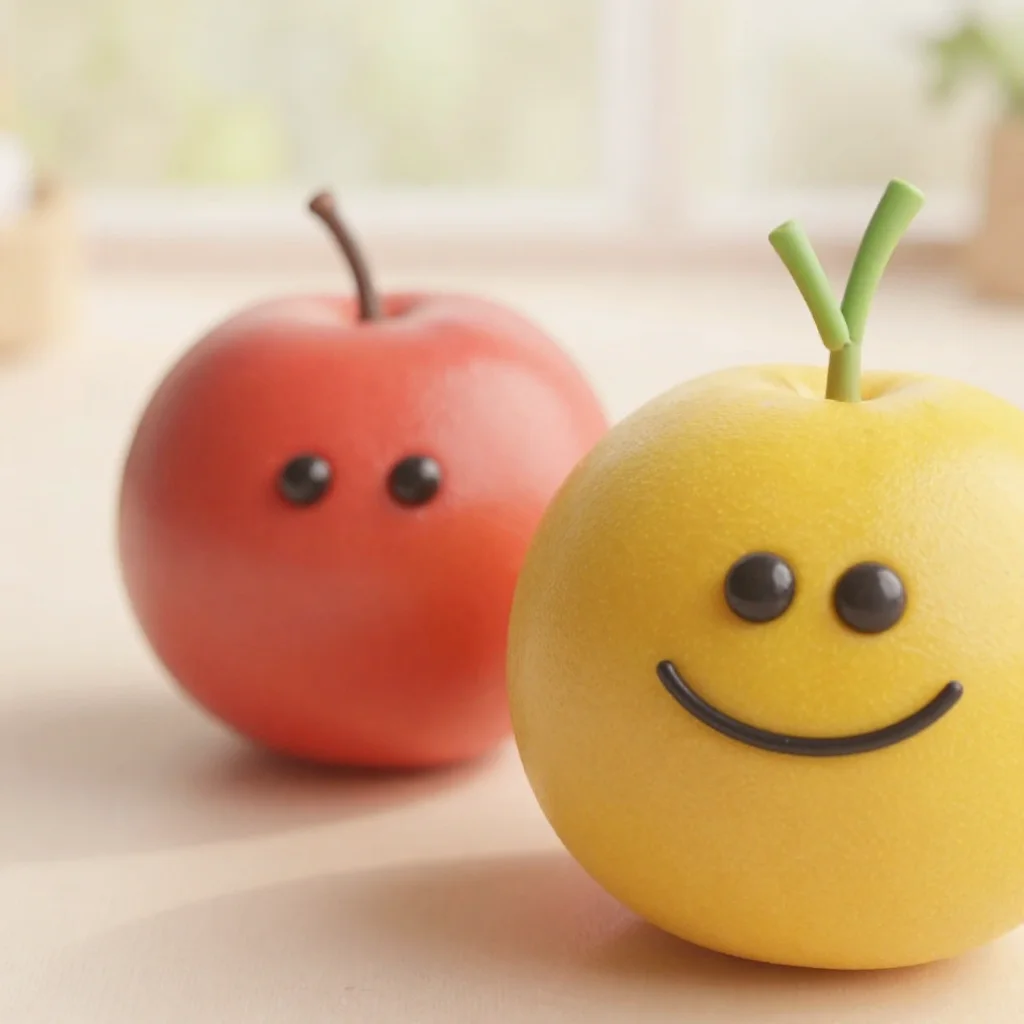
- Gather your supplies and make a small bowl of the filling. Measure about 1 to 1.5 cups of cornstarch or fine flour in the bowl. The filling should be soft, allowing for a pleasant squeeze once the balloon is complete.
- Stretch the balloon gently to warm it. This makes it easier to fill later. You can give it a few gentle tugs and twists. Just be careful not to stretch it too much, or it might break.
- Attach the funnel to the balloon opening. If you don’t have a funnel, you can make one using paper. Simply roll it into a cone shape, ensuring one end is narrower to fit into the balloon.
- Spoon or pour the filling into the funnel slowly. Press down lightly to make sure you avoid air pockets. It’s best to fill a bit, then gently tap the side of the funnel to help the filling move down.
- Check the firmness as you add filling. Aim for a squishy but resilient center. It shouldn’t be too hard or too soft. Test it by squeezing the filled portion until it feels just right.
- Smooth the surface and tie the balloon shut. Be sure to remove as much air as possible before tying it off. A good knot will keep the filling secure.
- Optionally, add a second balloon layer for durability. This makes the stress ball a bit sturdier, which can help it last longer, especially with enthusiastic squeezes.
- Decorate the outside with paint or markers if desired. This is where creativity can really shine! Make your stress ball look like a banana, strawberry, or whatever fruit you like.
- Let the balls rest before gentle use. Allow them to settle for a few moments. Encourage mindful squeezing to enjoy the experience.
The Learning Behind This DIY
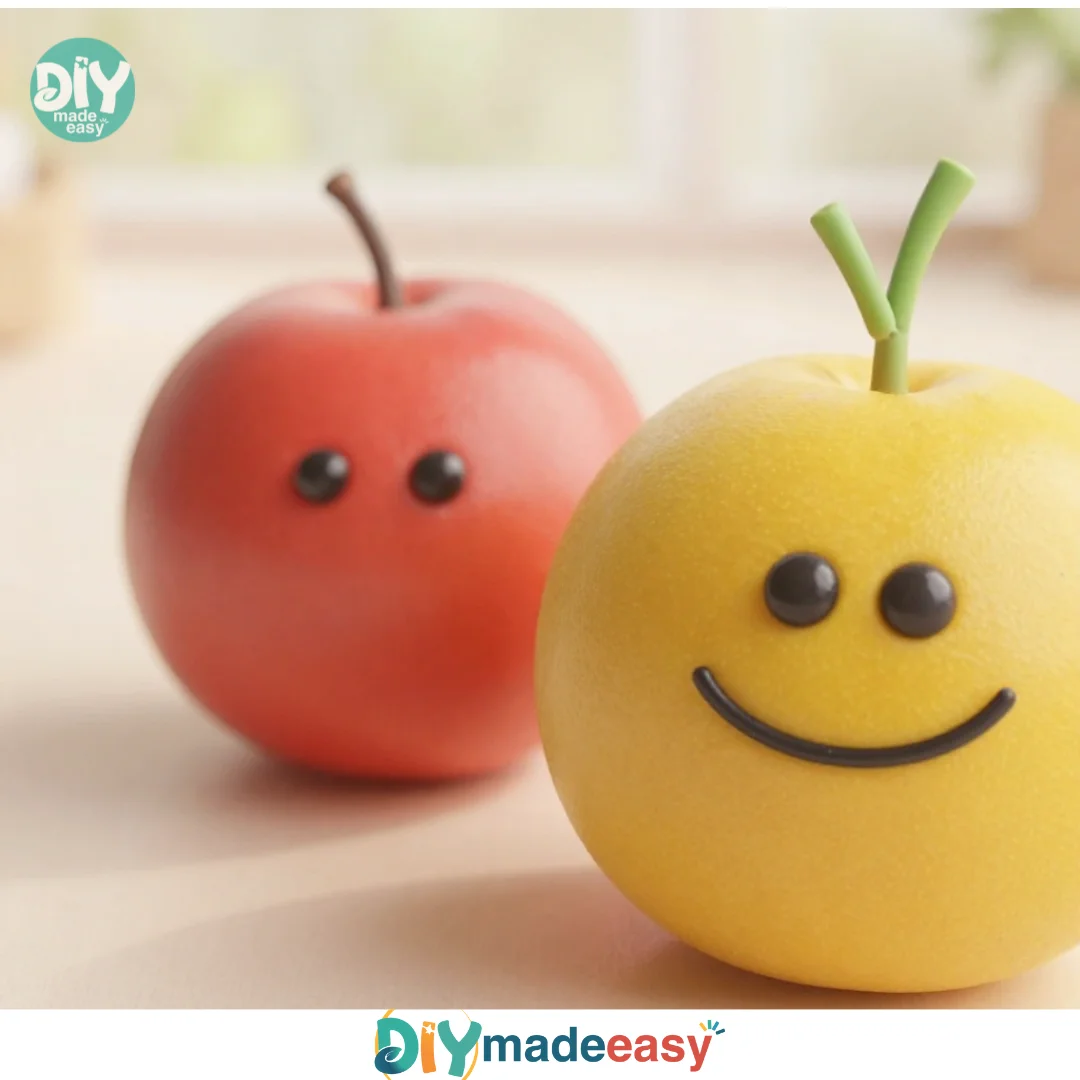
Making Fruit Stress Balls isn’t just a fun activity; it’s a great opportunity for kids to practice various skills. As they scoop, pour, and fill, they’re engaged in fine motor development. These skills are essential for writing, drawing, and other hands-on activities.
Additionally, there’s a little bit of science at play here. Mixing different textures and weights helps children understand properties of materials and how they can change under pressure. The sense of cause and effect becomes evident when they apply pressure to their newly created stress balls and watch how it responds in their hands.
This project also nurtures creativity. Designing their unique fruit stress balls offers kids the chance to explore colors and aesthetics, solidifying their sense of individuality and expression.
Troubleshooting Common Issues
When making Fruit Stress Balls, you may encounter a few hiccups along the way. One common problem is air pockets. If you notice air trapped inside the filling, simply squeeze the balloon lightly to encourage the filling to settle more evenly.
Sometimes you might find the balloon pops while filling. This can be frustrating, but it happens. Keep some extra balloons on hand. If you’re careful about how much filling you add and how you apply pressure, you’ll likely avoid this issue.
If the filling seems too loose, try adding a bit more. Finding that sweet spot between firmness and squishiness can take a little practice, but that’s part of the fun.
Easy Variations to Try
Here are some simple ways to switch it up and keep things interesting:
- Fruit Themed: Focus on different fruit shapes. Make apples, oranges, or even funky fruits like dragon fruit to expand creativity.
- Scents: Mix in some essential oils or scented powders to give the stress balls a pleasant aroma. Just a few drops can make a big difference.
- Glow in the Dark: Consider using glow-in-the-dark paint for decorating. This adds an exciting twist, especially for kids who enjoy nighttime play.
- Color Mixing: Use different colored balloons or filling materials. You can layer colors inside for a fun marbled effect.
- Seasonal Themes: Create seasonal variations for holidays. For example, make pumpkin-shaped stress balls for fall or pastel colors for spring.
Storing or Reusing This Project
Once your stress balls are made, storing and reusing them is easy. These creations can last a while if handled gently. Once you’re done playing, put them in a cool, dry place to prolong their life.
If they get dirty or need cleaning, wipe them down with a damp cloth. You can also recycle materials creatively once the balls are no longer usable. The fillings can be composted if you used food-safe ingredients.
FAQs About Fruit Stress Balls
What if I make a mess while filling the balloons?
It’s common to spill a little while working with the filling. Don’t worry; just keep some wet wipes or a damp cloth nearby for easy cleanup. The project is fun, and messes are just part of the process.
Are Fruit Stress Balls safe for younger kids?
Yes, they’re mostly safe. Just supervise the younger ones, especially around balloon pieces that might break. It’s not an issue with adult guidance, and they can enjoy squeezing their creations.
Can I use something other than cornstarch or flour?
Absolutely! Soft sand is an excellent alternative if you want a slightly different texture. Just remember to choose materials that are safe and make sense for your household.
How long can I keep these Stress Balls?
If they are handled with care, you can keep them for several weeks. Store them out of direct sunlight and away from sharp objects to avoid accidental popping.
What happens if the fruit stress ball pops?
If it does pop, it can be disappointing, but it’s an easy fix; just make another! Consider it a learning experience and an opportunity to create again.
Conclusion
Making Fruit Stress Balls is an enjoyable, creative activity that helps engage children while teaching them valuable skills. With simple materials and clear steps, you can embark on this DIY project with confidence. If you’re interested in exploring ready-made options, you can check out various sizes & designs of fruit stress balls online. And for those who love shopping, you can find great options on Amazon. Enjoy the process, and don’t hesitate to explore variations and creative designs together as a family!
PrintDIY Fruit Stress Balls
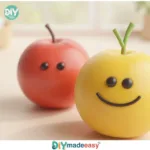
Create fun and colorful fruit stress balls using simple materials for a relaxing and creative activity with your kids.
- Prep Time: 10 minutes
- Cook Time: 20 minutes
- Total Time: 30 minutes
- Yield: 4 stress balls
- Category: Crafts
- Method: DIY
- Cuisine: N/A
- Diet: N/A
Ingredients
- Balloons, small or water-balloon size
- Fine flour, cornstarch, or soft sand
- A small funnel or homemade paper funnel (optional)
- A spoon or wooden skewer for packing the filling
- Scissors to trim balloon ends
- Acrylic paint or permanent markers for decorating (optional)
- Masking tape or a small clip to hold the balloon while filling (optional)
- A bowl and measuring cup for mixing
- Wet wipes or a damp cloth for cleanup
Instructions
- Gather your supplies and make a small bowl of the filling.
- Stretch the balloon gently to warm it.
- Attach the funnel to the balloon opening.
- Spoon or pour the filling into the funnel slowly.
- Check the firmness as you add filling.
- Smooth the surface and tie the balloon shut.
- Optionally, add a second balloon layer for durability.
- Decorate the outside with paint or markers if desired.
- Let the balls rest before gentle use.
Notes
Supervise younger children while creating to ensure safety.
Nutrition
- Serving Size: 1 stress ball
- Calories: 0
- Sugar: 0g
- Sodium: 0mg
- Fat: 0g
- Saturated Fat: 0g
- Unsaturated Fat: 0g
- Trans Fat: 0g
- Carbohydrates: 0g
- Fiber: 0g
- Protein: 0g
- Cholesterol: 0mg