

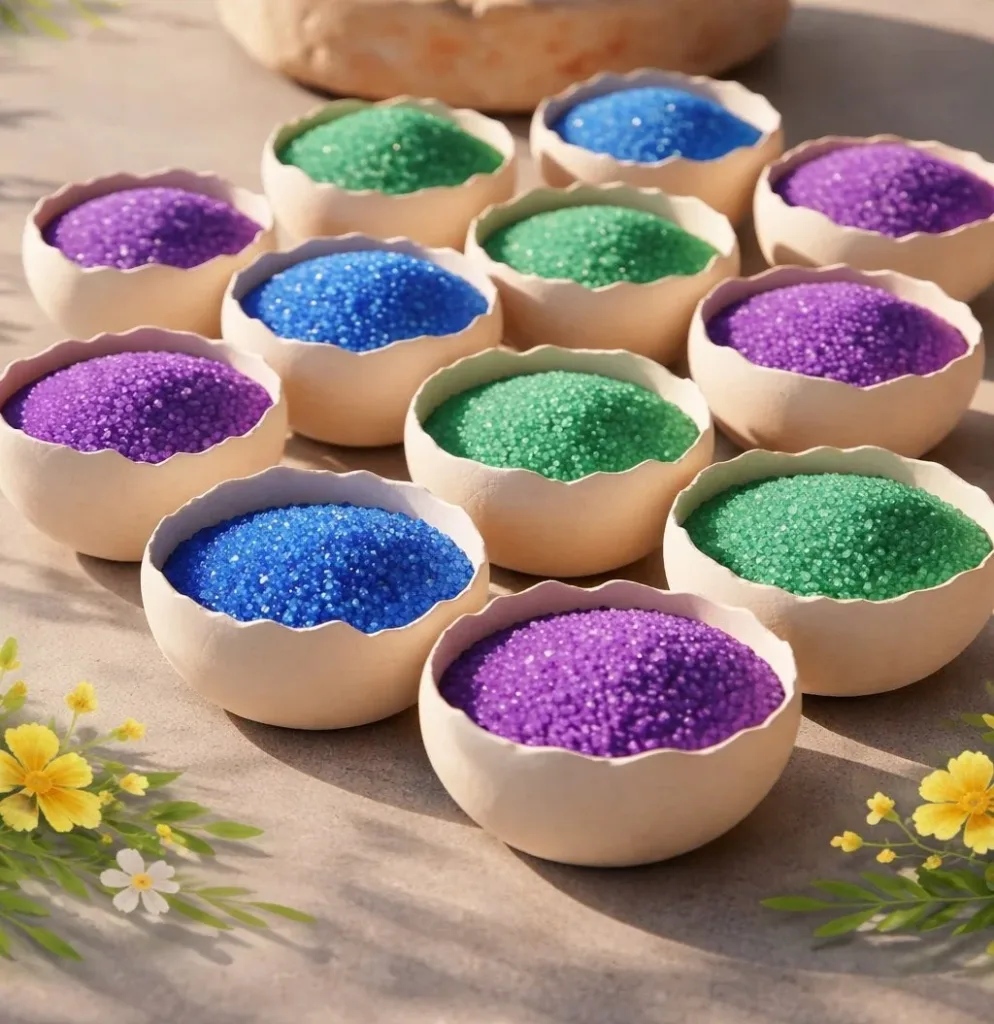
A busy afternoon, a last-minute activity need, and a batch of clean eggshell halves in the kitchen sink make a perfect start for the Sparkling Crystal Geodes Experiment. I remember one Saturday when my kids wanted something they could do right away; we wiped the table, rinsed the shells, and in under an hour we had the setup ready. This project works well in those moments because it uses things you already have at home and it gives visible, growing results over a few days. If you like simple, hands-on science that fits into a busy day, check out this short guide to the crystal project and how it unfolds from start to finish, and see how it connects to other fun projects like our crystal growing experiment for more ideas.
Why You’ll Love Making Sparkling Crystal Geodes Experiment
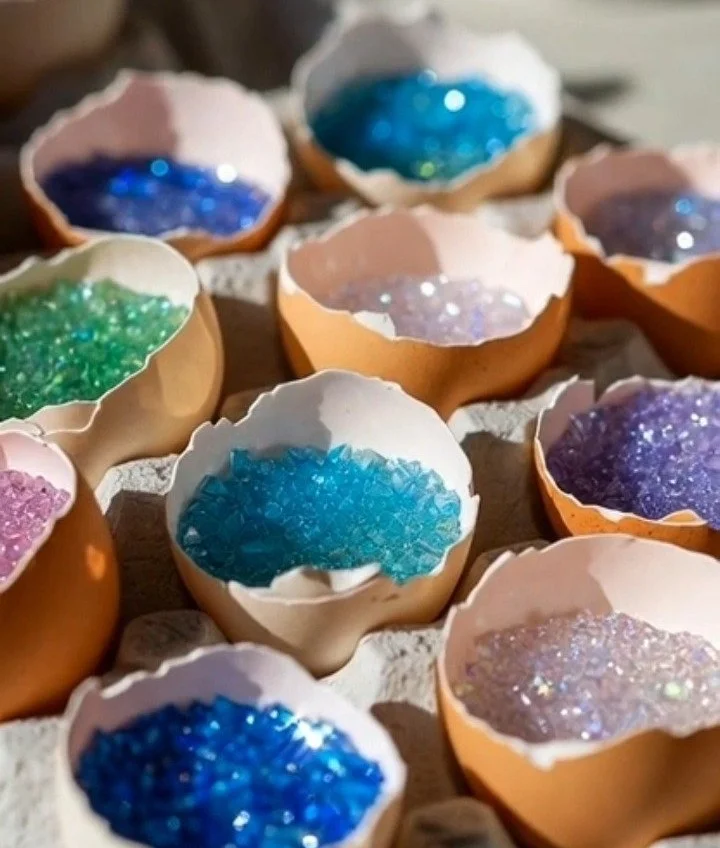
This activity feels low-prep because the supplies are everyday items: sugar, water, a pot, and eggshells. You do not need special tools or a long shopping list. That makes it easy to start even in the middle of a busy afternoon.
It works for many ages. Little hands can help rinse shells and tie strings. Older kids can safely handle the warm sugar syrup with a grown-up. The adult involvement is short and predictable: heat the solution, set the shells, and then check in over several days.
It stays tidy if you plan a little. You do a small amount of stirring and pouring, then leave the shells somewhere undisturbed. That means cleanup is quick and the mess stays contained to a towel and a pot. For busy families, that reliability is a big win.
You also get real results you can display. The crystals form inside the shells and look like tiny geodes. They sparkle, feel delicate, and offer a proud “I made that” moment without much fuss.
A Quick Look Before You Begin
This project has three main phases: a short prep and heat step, a setup step where you fill and suspend, and a wait-and-watch step while crystals grow. The prep and cooking take about 20 to 30 minutes total. After that, you leave the shells for several days.
Plan for a gentle level of mess. Rinsing shells and wiping a towel are the main tasks. There will be sticky sugar on spoons and the pot. A little hot liquid means an adult should handle the boiling step, but kids can do many parts safely.
Timing is flexible. You will see tiny seed crystals in 12 to 24 hours and nice crystal growth over three to five days. You can check once a day. Resist moving the shells around; crystals do best when the setup stays quiet.
Materials You’ll Need
Eggshell halves (rinsed and dried) clean, handled gently to avoid chips
Granulated sugar common pantry item
Water tap water works fine
Small heatproof pot or kettle for making the sugar solution
Clear jars or cups to hold the eggshells upright while you work
Spoons for stirring kitchen spoons or measuring spoons
Food coloring or powdered pigment (optional) for colored crystals
Cotton string or fine thread to suspend crystals inside the shell
A small pebble or bead (optional) to anchor the string at the bottom
Tweezers or a small spoon (optional) helpful for lifting crystals
A soft towel to dry shells and protect your workspace
A small funnel or coffee filter (optional) for pouring and straining
A notebook and pen (optional) to note times, colors, and results
If you want a step-by-step picture guide that shows the setup from different angles, take a look at our full how-to on how to make crystal eggshell geodes for extra photos and tips.
STEP-BY-STEP DIRECTIONS

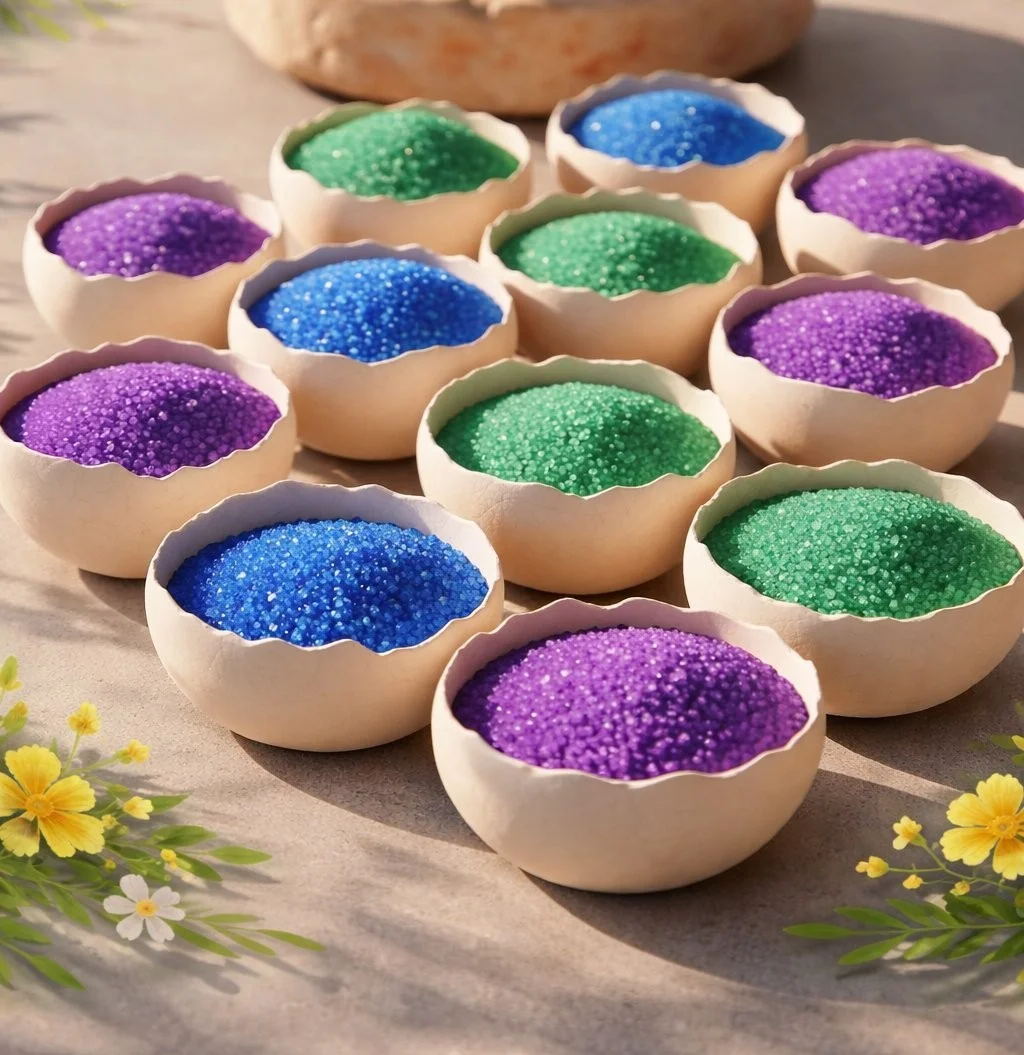
- Prepare the work surface and the eggshells by rinsing and drying them on a soft towel. Handle them gently to prevent chipping.
Set the towel on a flat table. Rinse each half gently, then pat dry and let sit until completely dry. The shells feel fragile; carry them on the towel and avoid gripping the edges too hard. - Tie a small bead to one end of a string to anchor it inside the eggshell.
Use a short length of cotton string. Knot the bead so it will sit at the bottom of the shell. The bead keeps the string steady and gives the crystals something to grow on near the base. - Make a saturated sugar solution by heating equal parts of water and sugar in a pot, stirring until the sugar dissolves completely and the liquid becomes clear.
Measure equal cups of sugar and water, then warm slowly over low to medium heat. Stir constantly until the sugar dissolves and the liquid looks clear with no grains. Take your time; tiny undissolved grains can trip up the crystal growth. - Optionally, add food coloring and strain the solution if needed.
If you want color, add a few drops of food coloring once the sugar dissolves and stir. If the solution has any bits or foam, pour it through a small funnel or coffee filter into a clean cup to remove them for a clearer crystal surface. - Carefully fill each eggshell half about two thirds full with the sugar solution.
Use a small funnel or a steady hand to pour. Fill to about two thirds so there is room for the bead and string, and so solution does not spill as you set things. The warm liquid can be hot, so only adults should pour. - Suspend the string inside each shell, ensuring the bead rests at the bottom.
Hold the other end of the string over the shell and adjust the length so the bead sits on the shell bottom without touching the rim. You can rest the string across a chopstick or a pencil laid over the cup to keep it centered while the shell sits. - Place the shells in a warm, undisturbed spot, covering them loosely with a paper towel.
Find a place away from direct drafts, pets, and curious hands. The warmth helps evaporation and crystal growth. A paper towel keeps dust off but still lets air in. - Check the shells after 12 to 24 hours for seed crystals.
After the first day you should see tiny crystals forming. They may look like small sparkles or fine sugar threads. If nothing shows after 24 hours, the solution may not have been saturated enough see troubleshooting below. - Let the crystals grow for three to five days, adding more solution if necessary.
Check gently each day. If the solution level drops and crystals have not yet fully formed, add a little more warm solution using a small spoon or funnel. Growth slows if the shells are bumped or cooled too much, so avoid moving them. - Once fully formed, let the geodes dry completely before displaying them.
When you see a good crystal coating, remove the string and bead with tweezers or a small spoon. Let the shells dry on the towel for a day or two until they feel dry and the crystals hold together. Display them upright in a shallow dish or clear jar.
The Simple Science or Skills at Work

This project rests on a simple idea: a saturated solution and slow evaporation make crystals. When you heat water and dissolve a lot of sugar, the water holds more sugar than it would at room temperature. As the solution cools and water slowly evaporates, the sugar comes out of solution and arranges itself into crystal patterns.
You can explain it simply to kids: the sugar needs room to form shapes, and the string and pebble give the sugar a place to start. Those tiny starting points are called seeds, and they help big crystals grow in neat clusters.
Besides science, this project builds small motor skills. Tying a knot, placing the string just right, and gently pouring the hot solution are good practice for careful hands. Watching and recording progress encourages observational skills and patience.
Troubleshooting Common Issues
If nothing appears after 24 hours, the sugar solution might not have been saturated enough. When you heat and stir, the liquid should look completely clear. If you still see grains at the bottom, keep warming and stirring until they dissolve. A grainy start often means the crystals will not take as well.
If crystals form but stay tiny and sparse, they might be disturbed during growth. Moving the shells, changing the spot, or letting a breeze hit them can break early crystals. Let them sit in the same warm place and check only once a day. For a more consistent environment, a warm cupboard often works.
If the solution overflows or spills when you set the string, you filled too full. Use a towel and a small cup to catch spills. If a shell chips, you can often still use it if the crack does not break through the cup shape; handle carefully.
If you see cloudy or messy crystals, contamination might be the issue. Small bits of eggshell membrane, foam, or dust can act as competing seed points. Pouring the solution through a funnel or coffee filter helps; also use clean tools and a tidy towel. If you want ideas that use different shells or display options, see our guide on seashell crystal geodes to compare what changes feel different.
Easy Variations to Try
Try different colors. Add a drop or two of food coloring to the warm solution to make blue, pink, or green crystals. Adjust the amount slowly; a little color goes a long way.
Use decorative anchors. Swap the small bead for a tiny charm or bright pebble to change the look inside the shell. Different anchors can alter how the crystals cluster at the base.
Make a themed set. Use colored shells, paint the outside before filling, or coordinate colors for a gift set. For a playful pink option, try our step-by-step for pink eggshell crystal geodes and see how a single color family changes the display.
Make a display of many small shells in a shallow tray. Grouping several finished geodes together looks decorative and makes a fuller display than a single shell.
Storing or Reusing This Project
Finished geodes keep best in a dry place away from direct sunlight. Over time, humidity can soften crystals. Put them in a shallow box or on a shelf where they will not be jostled. If a crystal cluster flakes, you can glue a few stable pieces back in place with a small dab of clear craft glue.
You can reuse leftover solution carefully. If you kept the solution clean and covered, warm it again to dissolve any settled sugar and try another batch. If the solution looks cloudy or has bits in it, it is better to make a fresh batch.
Save the strings and tweezers. Cotton string and small tools wash easily and come in handy for the next round. Any beads or pebbles that stay clean can be used again.
If you want to reduce waste, rinse and compost the eggshells after you finish if you do not keep them. If you keep the geodes, they make charming little keepsakes or gifts.
FAQs About Sparkling Crystal Geodes Experiment
Will this project make a big mess?
I worry about sticky counters and ruined pots. It stays surprisingly tidy. The main sticky bits come from the pot and spoon you use to heat the sugar. I wipe them with warm water right away and wash for a minute. Put a towel under your work and pour slowly with a funnel to avoid spills. If a little sugar lands on the towel, it brushes off. It does not spread like paint.
Is this safe for young kids?
What should a parent do? This project is great for kids, but an adult should handle heating the solution. Let younger children help with rinsing shells, tying strings, and checking crystals each day. Keep the pot and hot liquid away from little hands and teach them to wait while the adult finishes the warm parts.
Can I substitute table salt for sugar if I run out?
Salt crystals grow differently and often produce smaller, less sparkly clusters. The process in this guide uses sugar because it dissolves and forms the kinds of clear, sparkly crystals we want. If you try salt, expect different results and keep the experiment as a separate try without promising the same look.
What if my crystals come out small or not pretty?
Should I toss the shells? Not at all. Small crystals still show the process and can be a cool texture for science notebooks. Often small crystals mean the solution cooled too fast or the setup moved. Make notes in a notebook, try again with a slightly hotter, fully dissolved solution, and you will likely get larger clusters next time.
How long do I let the geodes dry before handling?
Let them dry until they feel solid and the inner crystals do not shift. That usually takes a day or two after you remove the string. If you gently tap and crystals stay put, they are ready to display.
A Final Helpful Note
You do not need perfect tools or a perfect afternoon to make something lovely here. Keep the materials simple, follow the steps, and treat the process as part project and part slow show. Small mishaps, like a grainy batch or a chipped shell, teach what to try differently next time. Be flexible, keep a towel handy, and enjoy the sparkle when it appears.
Conclusion
If you want a different approach and more photos to compare with your results, the DIY Crystal Egg Geodes | artsy-fartsy mama post offers helpful visuals and ideas. For another how-to with extra tips and classroom-friendly notes, try Make Eggshell Geodes – Little Bins for Little Hands.
PrintSparkling Crystal Geodes Experiment
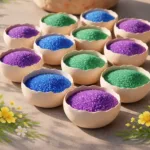
An engaging and hands-on science experiment that allows kids to create sparkling crystal geodes using simple household ingredients.
- Prep Time: 30 minutes
- Cook Time: 0 minutes
- Total Time: 720 hours
- Yield: Multiple geodes
- Category: Science Experiment
- Method: N/A
- Cuisine: N/A
- Diet: N/A
Ingredients
- Eggshell halves (rinsed and dried)
- Granulated sugar
- Water
- Small heatproof pot or kettle
- Clear jars or cups
- Spoons for stirring
- Food coloring (optional)
- Cotton string or fine thread
- A small pebble or bead (optional)
- Tweezers or a small spoon (optional)
- A soft towel
- A small funnel or coffee filter (optional)
- A notebook and pen (optional)
Instructions
- Prepare the work surface and the eggshells by rinsing and drying them on a soft towel.
- Tie a small bead to one end of a string to anchor it inside the eggshell.
- Make a saturated sugar solution by heating equal parts of water and sugar in a pot, stirring until the sugar dissolves completely.
- Optionally, add food coloring and strain the solution if needed.
- Carefully fill each eggshell half about two thirds full with the sugar solution.
- Suspend the string inside each shell, ensuring the bead rests at the bottom.
- Place the shells in a warm, undisturbed spot, covering them loosely with a paper towel.
- Check the shells after 12 to 24 hours for seed crystals.
- Let the crystals grow for three to five days, adding more solution if necessary.
- Once fully formed, let the geodes dry completely before displaying them.
Notes
This project is safe for older kids with adult supervision and teaches valuable scientific concepts while being fun and engaging.
Nutrition
- Serving Size: N/A
- Calories: 0
- Sugar: 0g
- Sodium: 0mg
- Fat: 0g
- Saturated Fat: 0g
- Unsaturated Fat: 0g
- Trans Fat: 0g
- Carbohydrates: 0g
- Fiber: 0g
- Protein: 0g
- Cholesterol: 0mg