

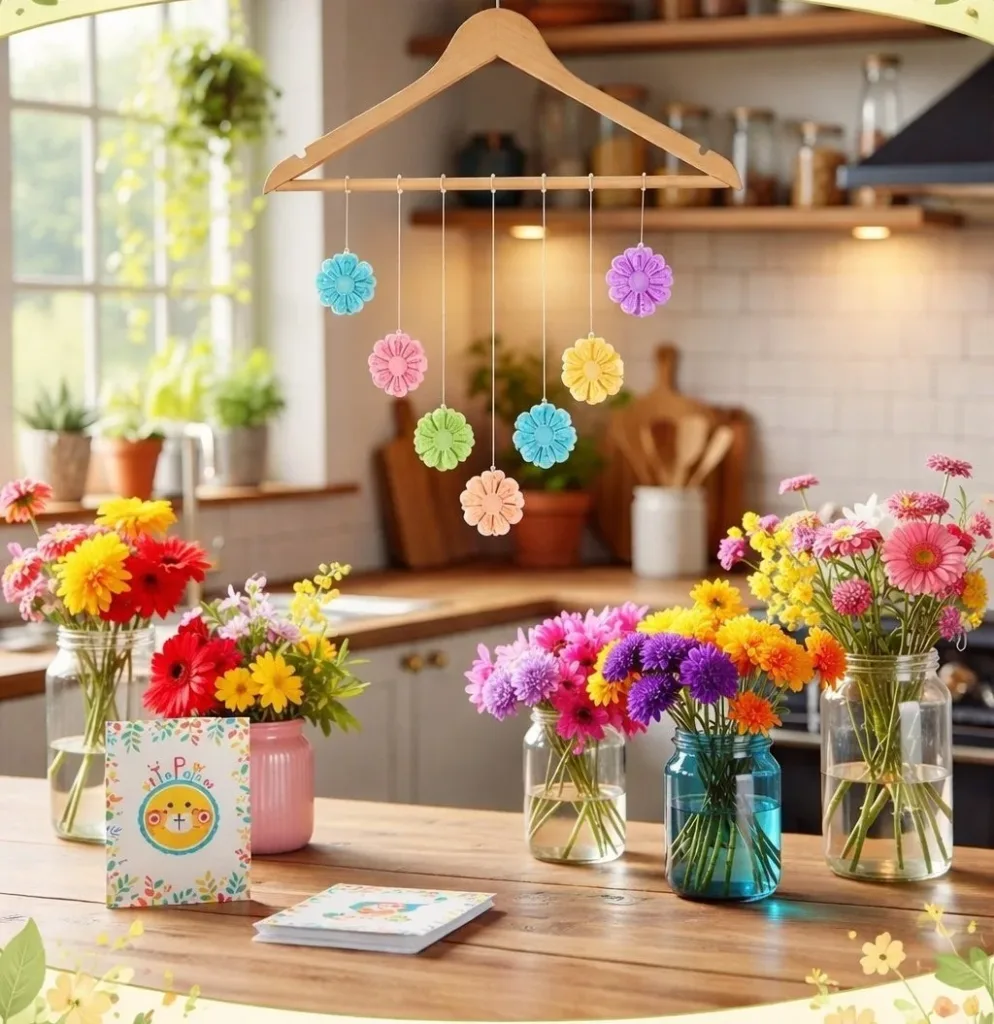
A rainy afternoon stretched ahead and the kids asked to make something colorful right now. The counter cleared in a minute, a kettle hummed, and this easy kitchen experiment turned into DIY Bioplastic Suncatchers with Colorful Swirls. It feels like a quick rescue craft and a little kitchen science at once. If you want the full recipe in one place before you start, check the complete recipe page for a quick reference you can print or keep on your phone.
Why This DIY Bioplastic Suncatchers with Colorful Swirls Works So Well

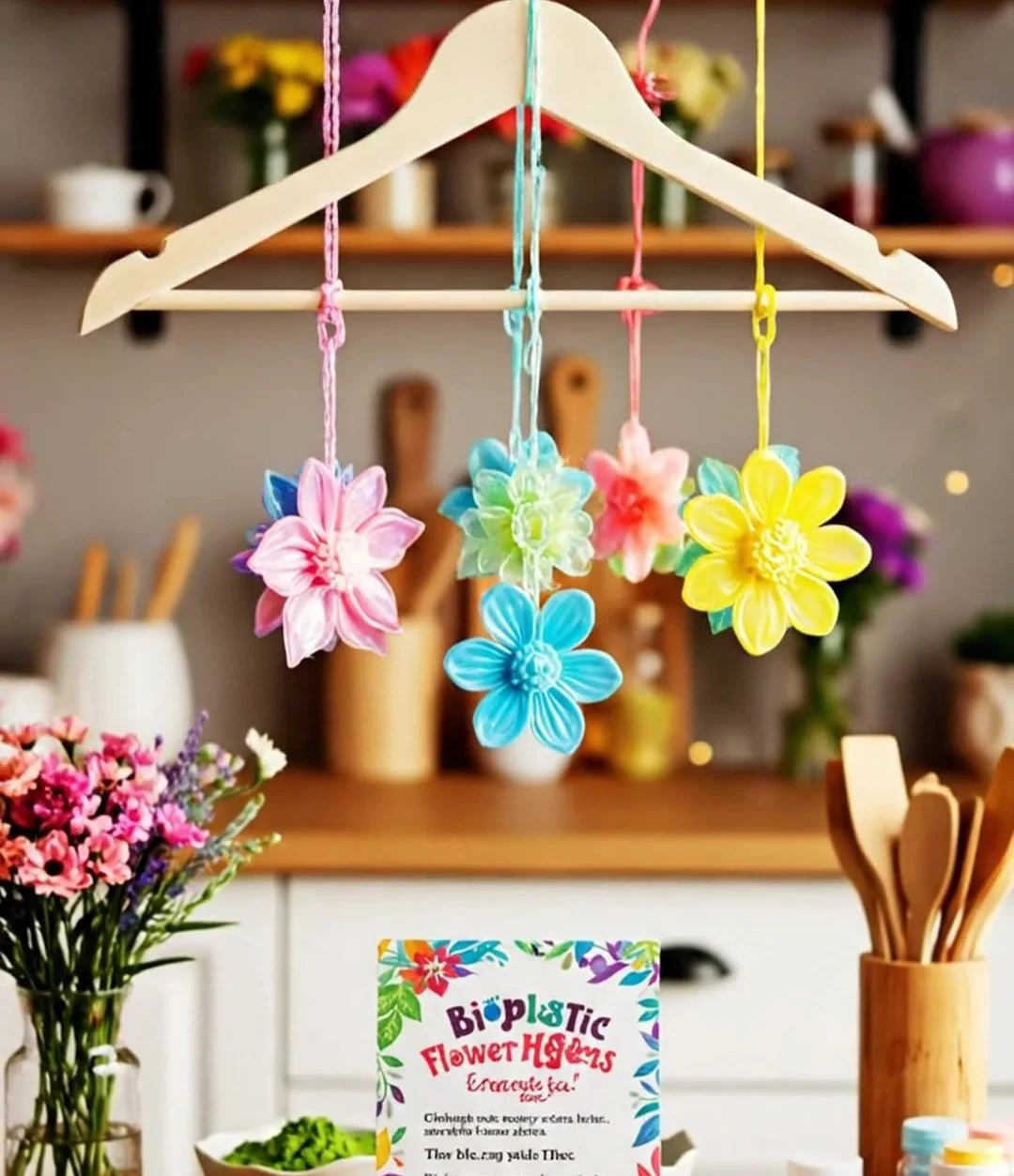
This project uses only a handful of things you probably already have or can grab in a single store run. It needs very little setup and the active hands-on time is short. Most of the work is waiting as the pieces dry, which makes it perfect for busy afternoons or a short kitchen activity between meals.
Gelatin plus a bit of glycerin creates a flexible, film-like material that dries clear and picks up color beautifully. That mix gives you control over thickness and softness. Little hands can drop colors and swirl them without a long list of precise steps. Adults can help with the hot water and then step back while kids create.
Because drying takes the longest, you can plan this around naps, TV time, or after dinner. It is low-prep and forgiving. If a circle sticks thin or thick, you can soften it later or try another. That reliability makes it a good go-to when you want a satisfying, colorful result without fuss.
A Quick Look Before You Begin
This takes about 10 to 20 minutes of active work and then 24 to 48 hours to dry fully. You will heat water, dissolve gelatin, add glycerin, and pour small circles. The kids can mostly do the coloring and swirling once the hot steps are handled.
Set aside a flat spot to dry where pieces can sit undisturbed. Expect a little dribble when you pour, and have a towel handy for spills. The mess level is low compared with paint projects, and cleanup is mostly rinsing the bowl and wiping the mat.
Plan for adult help with handling the hot water. After that, this activity invites kids to experiment with color drops and swirls. If you want a simpler version later, you can make clear circles without color and let kids paint them afterwards.
Materials You’ll Need
2 tablespoons gelatin powder, plain or unflavored
common household pantry item
1 teaspoon glycerin, food grade if possible
small bottle from craft or baking aisle; optional for extra flexibility
1 cup warm water
measure and heat until hot, then pour into a glass bowl
Food coloring or liquid watercolors
small bottles work well for drops
Nonstick baking paper or silicone mats
helps pieces peel off easily
Cookie cutters or small rings for shapes (optional)
use to guide shapes if desired
Straw or skewer for making holes
straw for punching holes while soft
Tweezers for placing small decorations (optional)
useful for precise placement of tiny bits
Step-by-Step Directions
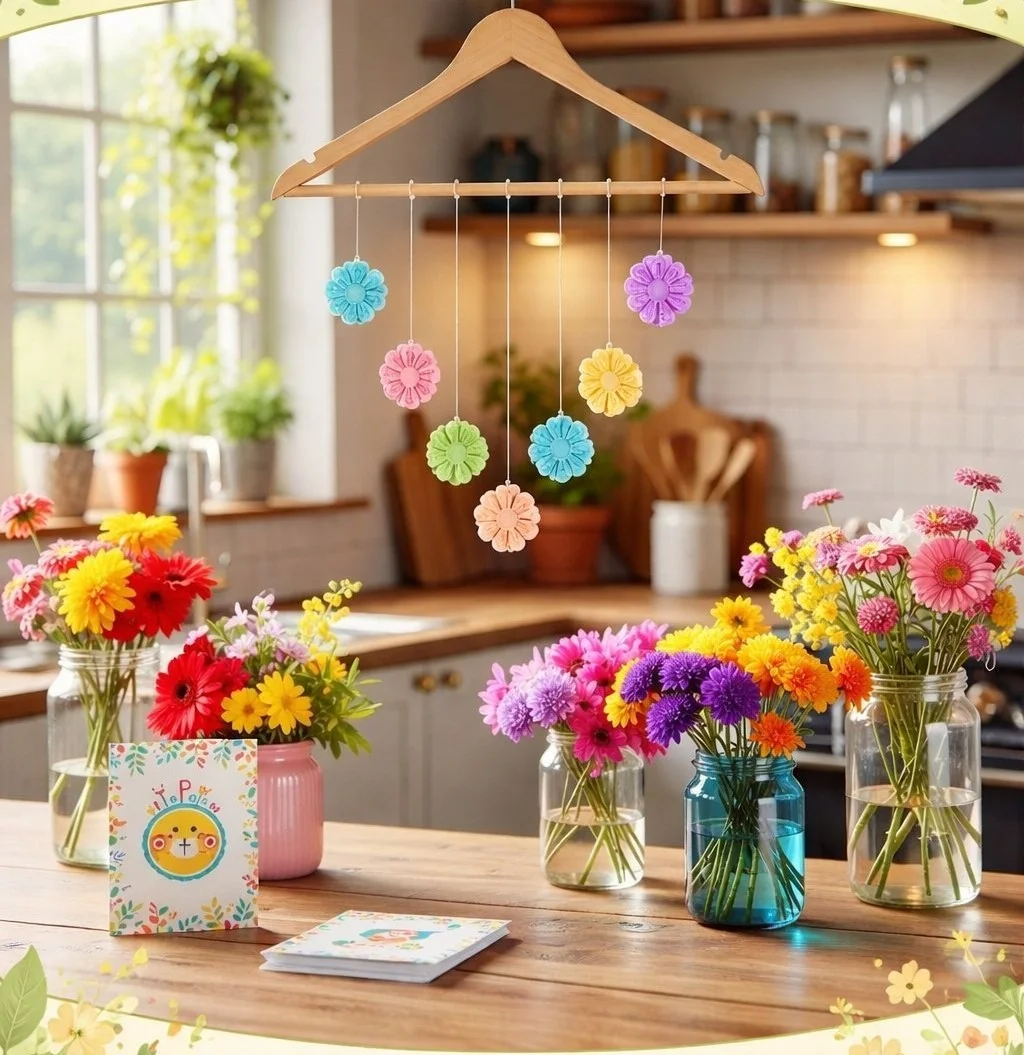
- Measure and heat the water until hot, then pour into a glass bowl.
Work safely near the sink.
The water should be hot enough to dissolve gelatin but not boiling. - Sprinkle gelatin over water, stir until dissolved.
Let the gelatin sit a minute if it blooms.
Stir gently until you see no grains left. - Add glycerin and mix until fully combined.
Glycerin makes the film softer and less brittle.
Mix until the liquid looks even and a bit glossy. - Prepare your work surface with nonstick paper.
Lay out silicone mats or baking paper on a flat tray.
This keeps pieces from sticking and makes cleanup easy. - Mix food coloring with small amounts of the gelatin mix in separate bowls.
Transfer tiny spoonfuls into cups for each color.
Use only a drop or two of color per small sample. - Pour a thin circle of the plain gelatin mix onto the paper.
Aim for about a 2 to 3 inch round for small suncatchers.
Pour slowly so the edge stays neat. - Drop small amounts of colored mixes onto the base, then swirl them with a skewer.
Let drops sink and spread on the surface before swirling.
Swirl gently to create soft, marbled lines. - Press a straw through the edge of the film to make holes.
Do this while the film still feels wet but set enough to hold shape.
A small hole near the edge lets you hang the finished piece later. - Optional: Add small decorations using tweezers.
Place tiny bits carefully to avoid tearing the wet film.
Tweezers help keep fingers off the soft surface. - Let the pieces dry for 24 to 48 hours, then peel and trim edges.
Drying time depends on humidity and thickness.
Peel slowly from the paper and trim any ragged parts. - Optional: Soften stiff pieces between palms, then hang and enjoy.
Rub gently to warm and flex the bioplastic into shape.
Hang near a sunny window and watch the colors glow.
The Learning Behind This DIY
This activity quietly teaches simple science and useful skills. Kids see a liquid turn into a flexible film as the water evaporates. That shows cause and effect in a way they can touch and test.
They practice fine motor skills by dropping color and using a skewer to swirl. Pushing a straw to make a hole and picking up tiny decorations with tweezers builds hand control and patience.
You can talk about what glycerin does without getting technical. It helps the material stay bendy instead of cracking. That kind of practical explanation helps kids link choices to results.
Troubleshooting Common Issues
If the gelatin looks grainy after dissolving, it probably needs a bit more stirring or a minute to bloom. Warm it gently in short bursts and stir until smooth.
If pieces crack when dry, they were likely poured too thin or did not have enough glycerin. Try making a slightly thicker circle next time or double-check the glycerin amount.
If your swirls sink into the base and disappear, the colored mixes may be too watery or too much was added. Use smaller drops and wait a couple of seconds for the drop to sit before swirling.
If pieces stick to the paper, the surface may not be nonstick or the film dried very thin. Use fresh baking paper or a silicone mat and lift slowly from an edge.
If colors look dull after drying, they usually brighten once you hold the suncatcher to the light. Thicker color spots will show deeper tones.
Easy Variations to Try
Make tiny charms. Pour smaller circles and add a hole near the top for a keychain or zipper pull.
Try layered color. Let a base dry a bit, then add more drops and a thin top layer for depth.
Use cookie cutters to guide shape. Pour inside a ring for neat edges and consistent shapes.
Create a nature collection. Gently press very small, flat leaves or petals while wet, but use tweezers and limit moisture from plant matter.
Storing or Reusing This Project
If you keep unused gelatin mix, store it covered in the fridge and use within a day. It thickens as it cools, so warm gently before using again.
To keep suncatchers long term, avoid very damp places. The bioplastic will soften in high humidity and harden in dry heat. A cool, dry drawer works well.
Trim pieces and store them flat in a folder or box between sheets of baking paper. Do not stack too many on top of each other to prevent sticking.
If you want to reuse tools, rinse the bowl and mats with warm water. The gelatin washes away easily. Wipe tweezers and skewers dry before putting them away.
FAQs About DIY Bioplastic Suncatchers with Colorful Swirls
Will this make a mess?
I worry about cleaning up. It will be tidier than paint, but expect drips when pouring. Work on a silicone mat or baking paper and keep a damp cloth nearby. Most bowls and tools rinse clean with warm water. I usually put a towel under the mat and wipe spills quickly. That keeps the counter clean and the project relaxed.
Is this safe for younger kids?
This is a family-friendly activity, but adults should handle the hot water. Once the gelatin mix cools, children can do the color drops and swirls. Supervise the hole-punching step and any use of small decorations to avoid choking hazards for very young children.
Can I use other substitutes if I do not have glycerin?
Glycerin helps keep pieces flexible. If you do not have it, the film will still form but may be stiffer and more brittle. Be honest with expectations: the pieces will work, but they may crack more easily. If you want to try flexibility without glycerin, make slightly thicker pieces and handle them gently.
What if my colors fade or do not look bright?
Colors often deepen when you hold the finished piece to light. If a color looks pale, it probably dried translucent rather than faded. For more vivid results try smaller, more concentrated drops during mixing rather than watering them down.
How long do these last on the window?
They can last many weeks if you hang them in a stable, dry spot. Heat and direct sun can sometimes make very thin pieces become brittle over time. Treat these as semi-permanent decorations and be ready to remake favorites.
A Final Helpful Note
You do not need perfection to enjoy this. Small quirks, little bubbles, and uneven edges all add character. Let kids lead the color choices and have one adult manage the hot step. Keep the mood easy and celebrate bright attempts. If one circle does not turn out, make another; the mix is quick to remake and the next one will likely surprise you.
Conclusion
If you want a slightly more detailed science read or a different method, see this clear demo on how others explain the chemistry in a kid-friendly way at How To Make A Bioplastic Suncatcher – Chemistry for Kids. For a similar window-brightening craft using glue you can adapt for another rainy day, check this guide on simple glue suncatchers at DIY Glue Suncatchers – Easy Ways to Brighten Your Windows!.
PrintDIY Bioplastic Suncatchers with Colorful Swirls
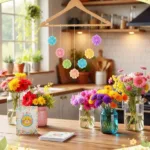
A fun and easy rainy day project for kids to create colorful suncatchers using gelatin and glycerin.
- Prep Time: 20 minutes
- Cook Time: 0 minutes
- Total Time: 2880 minutes
- Yield: 4–6 suncatchers 1x
- Category: Craft
- Method: DIY Crafting
- Cuisine: American
- Diet: Vegan
Ingredients
- 2 tablespoons plain or unflavored gelatin powder
- 1 teaspoon food-grade glycerin (optional)
- 1 cup warm water
- Food coloring or liquid watercolors
- Nonstick baking paper or silicone mats
- Cookie cutters or small rings (optional)
- Syringe or straw (for making holes)
- Tweezers (optional, for small decorations)
Instructions
- Measure and heat the water until hot, then pour into a glass bowl.
- Sprinkle gelatin over water, stir until dissolved.
- Add glycerin and mix until fully combined.
- Prepare your work surface with nonstick paper.
- Mix food coloring with small amounts of the gelatin mix in separate bowls.
- Pour a thin circle of the plain gelatin mix onto the paper.
- Drop small amounts of colored mixes onto the base, then swirl them with a skewer.
- Press a straw through the edge of the film to make holes.
- Optional: Add small decorations using tweezers.
- Let the pieces dry for 24 to 48 hours, then peel and trim edges.
- Optional: Soften stiff pieces between palms and hang.
Notes
Keep a towel handy for spills and supervise kids during the hot steps of the process.
Nutrition
- Serving Size: 1 suncatcher
- Calories: 50
- Sugar: 0g
- Sodium: 5mg
- Fat: 0g
- Saturated Fat: 0g
- Unsaturated Fat: 0g
- Trans Fat: 0g
- Carbohydrates: 12g
- Fiber: 0g
- Protein: 1g
- Cholesterol: 0mg