

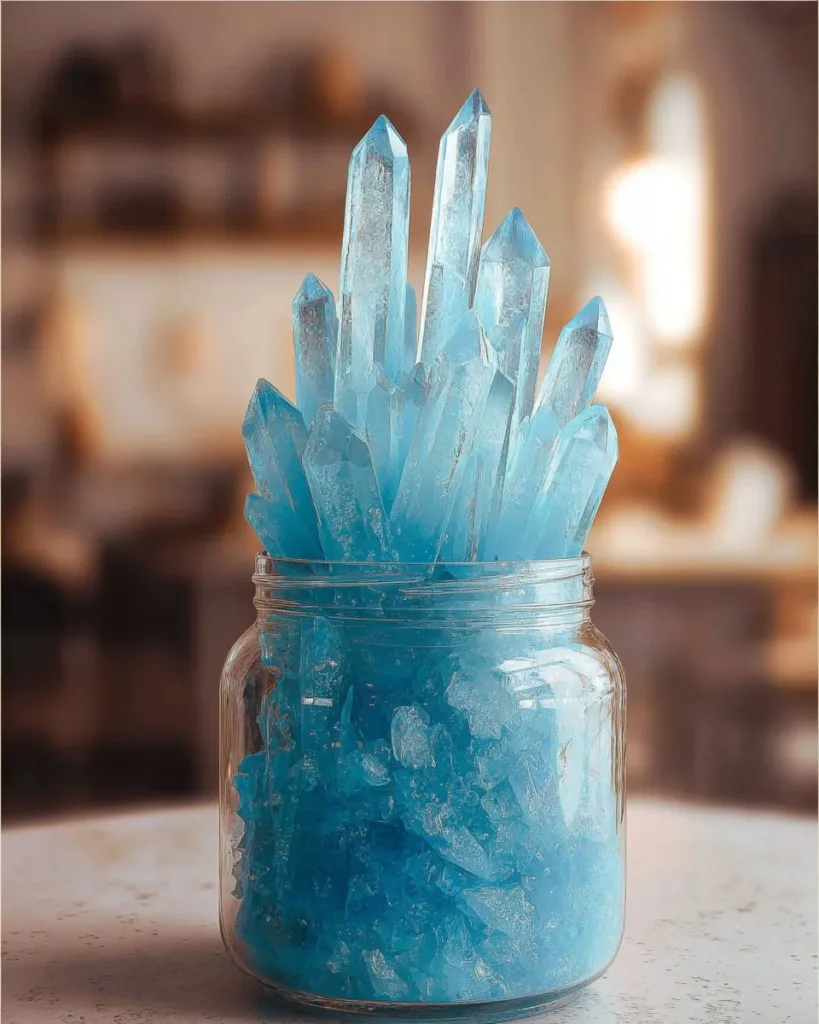
A busy afternoon, a sudden “what can we do now?” from the kids, and only a few minutes before dinner goes in the oven that is the perfect moment for the Baking Soda and Vinegar Experiment. It takes ordinary pantry items, a clear glass jar, and a short stretch of focused curiosity to turn a small kitchen corner into a hands-on science spot. You can set this up in under five minutes, watch fizzing action that kids love, and clean up quickly after. If you want to try a slightly bigger display or a gentler fizz for very young hands, these same three things take you there.
If you have a sibling watching and asking questions, this activity also gives you a natural way to talk about cause and effect while everyone watches the bubbles form. If you’re curious about other quick kitchen science toys, we also have a round-up of a similar fireworks-style reaction you can try next at baking soda and vinegar fireworks.
Why This Baking Soda and Vinegar Experiment Works So Well
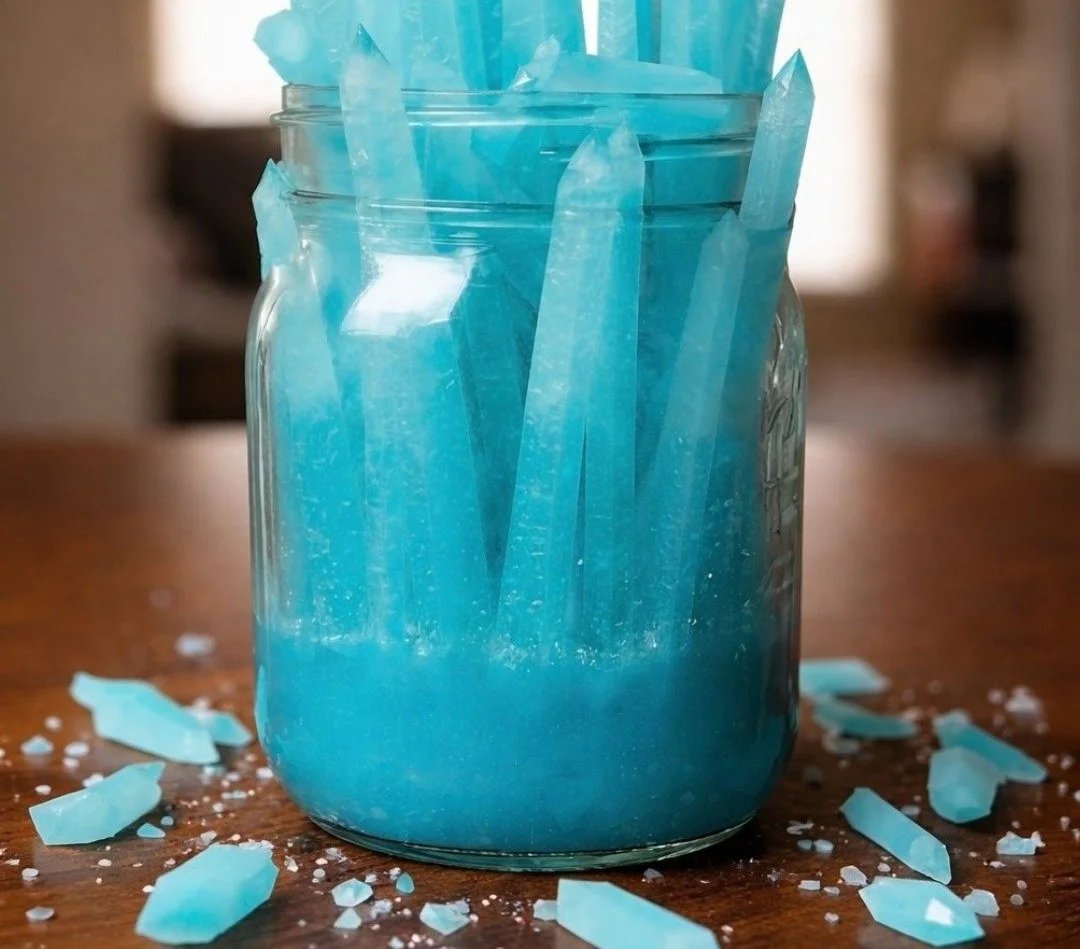
This experiment wins on simplicity. Three items, one clear glass container, and a moment of attention give you fast, visible results. You do not need special tools or long prep. That means it fits into short windows of time, like after school or while a batch of cookies bakes.
It also feels reliable. Baking soda and white vinegar react in a predictable way: fizz, foam, and a bit of sound. Once you and the kids see that reaction a couple times, they expect it, and that expectation makes the activity calming and satisfying rather than chaotic.
The mix-and-watch format keeps adult involvement flexible. You can pour and step back to let everyone watch, or you can invite kids to take turns. On busy days, you can do a quick single pour and move on, and on slower days, you can repeat the reaction to explore differences.
Real-life schedules benefit from this kind of activity because setup and cleanup stay short. If someone gets called away partway through, the mess stays minimal and the jar can be rinsed quickly. That practical simplicity is why this experiment shows up in so many quick-learning moments and why it pairs well with simple variations later on. For more colorful spins that still work with this basic idea, see our suggestions at colorful baking soda and vinegar reaction.
A Quick Look Before You Begin
This experiment takes only a few minutes from start to finish, depending how many repeats you do. Expect about five minutes the first time, plus any extra time you give kids to ask questions or try variations. If you repeat the fizz a few times, add two to ten minutes it is flexible.
Setup is minimal. You only need a clear glass jar placed on a washable surface or a towel. The mess level is low: most of the fizz stays in the jar, though drops of vinegar can splash out if poured quickly. That means you do not need to worry about staining or long scrubbing afterward.
Adult involvement matters at the pour and during cleanup. Let older kids measure and pour under supervision. For little kids, a grown-up should handle the vinegar pouring so it stays slow and controlled. The rest of the time, you can step back and let curiosity lead.
If you want to keep the kitchen running while you supervise, set the jar on a tray or baking sheet. That catches any stray drips and makes cleanup even simpler. The overall flow encourages short attention spans and curious exploration without demanding large blocks of time.
Materials You’ll Need
Baking soda
- Common household item; versatile for cooking and cleaning.
White vinegar
- Common household item; gentle acid that reacts reliably with baking soda.
Clear glass jar
- Common household item; clear sides make the fizz easy to see and enjoy.
STEP-BY-STEP DIRECTIONS
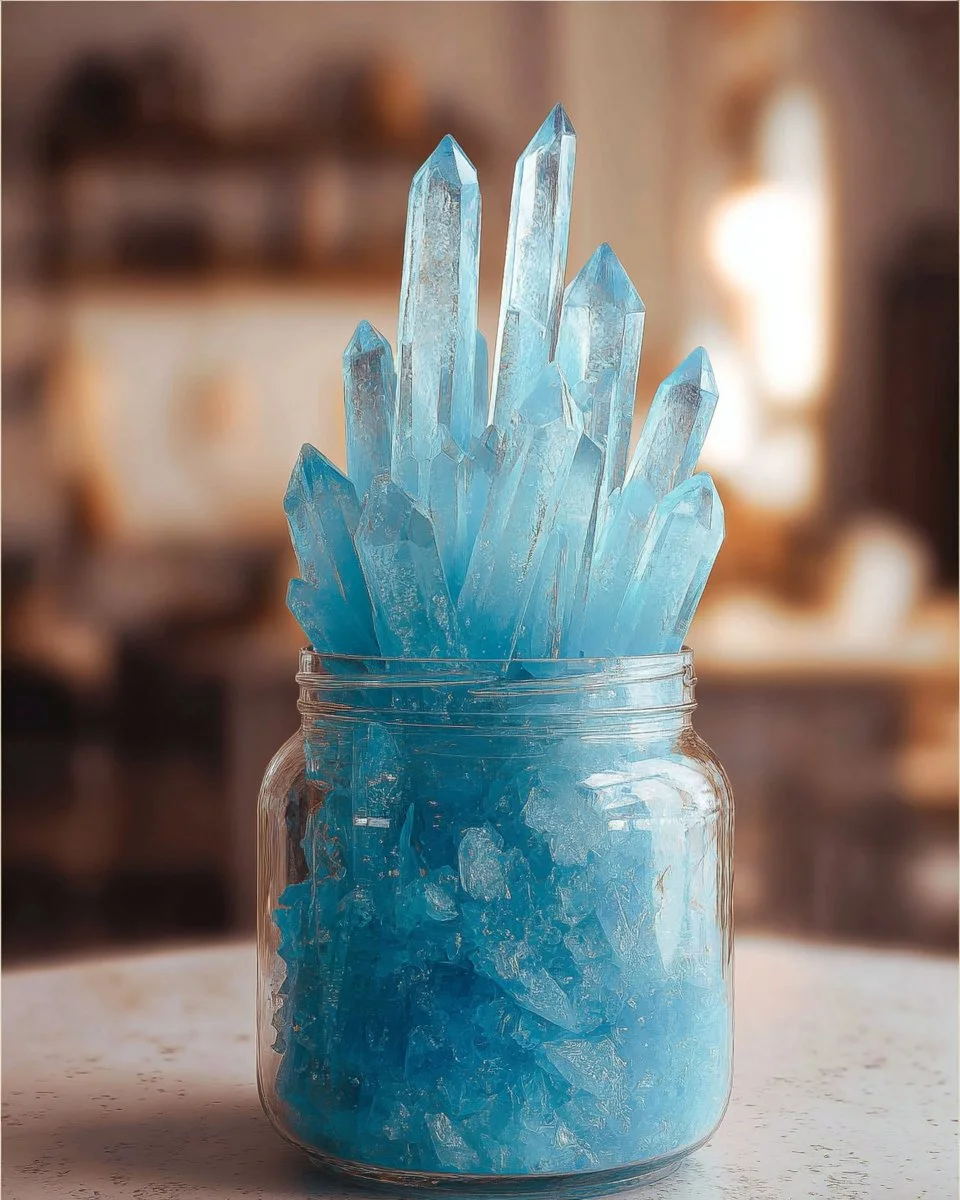
- Pour a few tablespoons of baking soda into the clear glass jar.
Place the jar on a towel or tray to catch any spills and level it on a flat surface.
You should see a small fluffy mound of baking soda resting in the bottom. - Slowly add white vinegar to the jar containing baking soda.
Tip the vinegar gently or pour with a steady hand so it meets the baking soda gradually.
Watch how the surface of the powder turns wet and then quickly produces bubbles. - Observe the reaction as the mixture fizzes and bubbles.
Look for steady fizzing, foam climbing the jar sides, and tiny popping sounds.
If the fizz surprises you, step back a little and let everyone enjoy the show. - Feel free to repeat the process or try different amounts for new reactions.
You can add another splash of vinegar after the fizz slows to restart the reaction.
Try a little more or a little less each time and notice how the volume and speed of bubbles change.
The steps stay simple, but the sensory detail makes the activity rich. A slow pour gives a steady, long fizz. A quick pour gives a loud rush and a taller foam. If the jar overflows, wipe it immediately with a damp cloth; vinegar does not stain, but the foam can be slippery.
The Learning Behind This DIY
This project gives a small, hands-on lesson in cause and effect. When vinegar meets baking soda, a chemical change happens and carbon dioxide gas forms. You do not need to use big scientific words to help kids notice what matters. Point out that when the two things touch, bubbles appear, and when they stop touching, the bubbles slow down.
Fine motor skills get a gentle workout here. Scooping a few tablespoons of baking soda and pouring vinegar slowly require control. For very young children, let them hold the jar while an adult pours, or let them pour a tiny amount from a cup under supervision.
The activity also supports observation and prediction. Ask kids to guess what will happen if you add extra vinegar or if you put half a spoon of baking soda instead of a few tablespoons. These small decisions build scientific thinking: make a guess, try it, and look at the outcome.
Finally, this experiment helps with sensory awareness. The fizz has sound, sight, and texture elements. Encourage descriptive language: “soft foam,” “tiny popping,” “cool liquid.” Those words help kids process what they see and feel and make the experience richer.
Troubleshooting Common Issues
If nothing happens when you add vinegar, it usually means one of two things: either the vinegar did not reach the baking soda directly, or the baking soda compacted into a clump that the liquid wrapped around but could not mix with quickly. To fix this, stir gently with a clean spoon or poke the pile to open it up, then try a slow pour again.
If the reaction is too small, try increasing the vinegar a little or adding a touch more baking soda. Small changes create noticeably bigger fizzes. If you want a softer reaction for small children, use less baking soda or pour the vinegar more slowly in a thin stream.
If the jar overflows, it often means you used a large amount of both ingredients in a small container. Move future trials to a larger jar or use smaller portions. If overflow happens, wipe the outside of the jar and the surface with a damp cloth; vinegar cleans up easily.
If the fizz foams but then immediately collapses, that is normal. The reaction releases gas, which makes foam, and once the gas disperses, the foam settles. To keep fizzing longer, add vinegar in small amounts over time instead of all at once.
Easy Variations to Try
- Repeat with different amounts.
Try half the baking soda or twice the vinegar and watch how the reaction changes. These small tweaks teach basic measuring and comparison. - Layer pours.
Pour a small amount of vinegar, let the fizz slow, then add another small amount. This stretches the activity over a few minutes and keeps attention longer. - Use a taller jar for bigger foam.
If you want a taller froth but worry about overflow, use a taller jar and smaller amounts of each ingredient to keep control. - Invite turns.
Let each child take one pour. That keeps participation fair and helps kids practice a steady hand under supervision. - Time it.
Use a kitchen timer or a phone stopwatch to see how long the fizz lasts with different proportions. Older kids enjoy measuring and comparing results.
These variations stay simple and safe and let you scale the experiment to the number of kids, the time available, and the level of mess you want.
Storing or Reusing This Project
Baking soda and vinegar both store easily in the pantry. Keep the baking soda in a dry place and the vinegar sealed in its bottle. After the experiment, you can rinse and dry the clear glass jar and reuse it immediately for the next round.
If you mix them and have leftover sloshing liquid in the jar, pour the remaining liquid down the sink with running water. The mixture is safe to dispose of and will not harm plumbing in small home quantities.
To reduce waste, reuse the same jar and repeat the reaction several times in a session until kids lose interest. Wipe the jar with a soft cloth and warm water to remove any residual powder. If you use a tray to catch drips, simply rinse the tray or wipe it down.
If the baking soda clumps from humidity, break it up with a spoon before measuring. A gentle shake of the container often loosens the powder back into useable form.
FAQs About Baking Soda and Vinegar Experiment
Is this activity messy?
I don’t want to spend half my afternoon cleaning.
It can be low-mess if you set expectations. Put the jar on a towel or baking sheet and pour slowly. The fizz may make a little foam, and vinegar can drip, but both clean easily. If something spills, a damp cloth wipes it away fast. I do this on my kitchen counter all the time and rarely need more than a quick rinse and wipe.
Can younger kids try this safely?
Yes, with supervision. The ingredients are household-safe, but vinegar is acidic and can irritate eyes. For toddlers, let an adult pour the vinegar while the child watches and helps with the baking soda scoop. Keep faces away and use a tray to contain spills. Kids around 5 to 7 years old can often pour slowly with guidance. I have watched a five-year-old delight in the first fizz while a parent controlled the vinegar pour that combination keeps it safe and magical.
What if I do not have measuring spoons?
That is fine. The step says a few tablespoons, but you can use a regular spoon or eyeball a small heap of baking soda. The idea is to have enough powder to see the reaction. If you use less, the fizz will be smaller but still fun. If you want more dramatic fizz and do not have measuring tools, try a generous handful of powder in a larger jar.
Will this stain clothes or surfaces?
Vinegar and baking soda do not typically stain. Vinegar has a strong smell temporarily, but it dissipates quickly. If fresh spills reach clothing, rinse with water. Surfaces wipe clean with a damp cloth. I always keep a small towel on hand for fast cleanup and prefer to do the activity on a washable mat or tray for peace of mind.
How long can I store the leftover mixture?
You do not need to store leftover mixture. Once they react, the mixture changes and does not produce additional fizz. Pour the remainder down the sink with water and rinse the jar. If you want to repeat the experiment, simply refill with fresh baking soda and vinegar.
A Final Helpful Note
Keep expectations simple. This experiment gives reliable, small-scale thrills, not permanent creations. Celebrate the fizz, ask a few questions, and enjoy the shared moment. You do not need perfect measurements to get a satisfying result, and a little spill is part of the hands-on learning. The biggest win is the curiosity and the quick success that keeps kids asking for one more round.
Conclusion
If you want more ideas and inspiration that use the same ingredients in new ways, this article on Easy STEM Activities & Experiments with Baking Soda & Vinegar offers a helpful set of family-friendly projects. For a colorful classroom-style twist that stays simple and safe, check out this variation at Baking Soda and Vinegar “Fizzing Colors” Experiment.
PrintBaking Soda and Vinegar Experiment
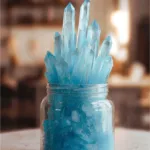
A hands-on science experiment demonstrating the reaction between baking soda and vinegar, perfect for kids to explore cause and effect.
- Prep Time: 5 minutes
- Cook Time: 0 minutes
- Total Time: 5 minutes
- Yield: 1 fun experiment
- Category: Educational Activity
- Method: Experimentation
- Cuisine: American
- Diet: Vegetarian
Ingredients
- Baking soda
- White vinegar
- Clear glass jar
Instructions
- Pour a few tablespoons of baking soda into the clear glass jar.
- Place the jar on a towel or tray to catch any spills and level it on a flat surface.
- Slowly add white vinegar to the jar containing baking soda.
- Watch how the surface of the powder turns wet and then quickly produces bubbles.
- Observe the reaction as the mixture fizzes and bubbles.
- Feel free to repeat the process or try different amounts for new reactions.
Notes
Supervise young children while they pour to ensure a safe experience. Explore different variations to keep the activity engaging.
Nutrition
- Serving Size: 1 group of kids
- Calories: 0
- Sugar: 0g
- Sodium: 0mg
- Fat: 0g
- Saturated Fat: 0g
- Unsaturated Fat: 0g
- Trans Fat: 0g
- Carbohydrates: 0g
- Fiber: 0g
- Protein: 0g
- Cholesterol: 0mg