

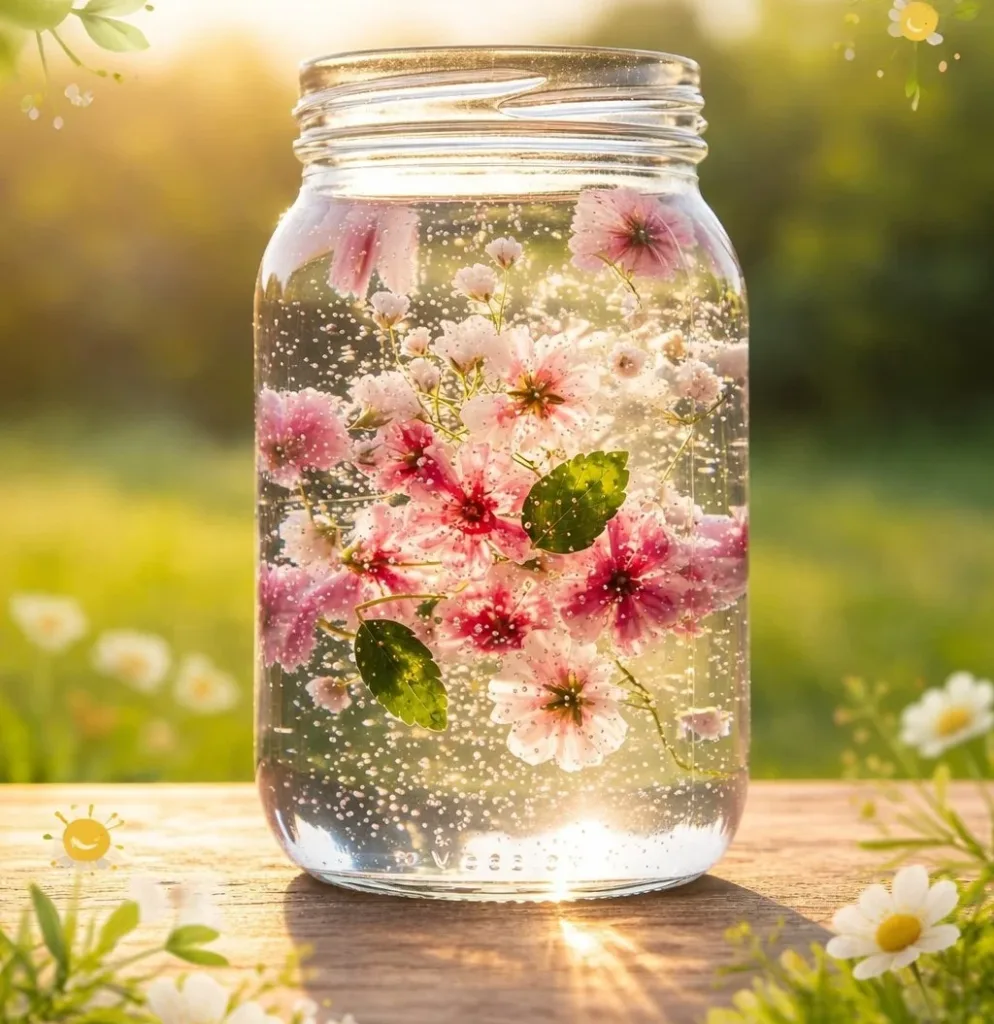
A busy afternoon, a request from kids for something quick to make, and a small pile of pantry items on the counter this is how the best projects begin. I remember one school-day afternoon when my kids wanted an art activity between homework and dinner.
We pulled out gelatin, a little glycerin, and food coloring, and within an hour we had bright, fluttering pieces catching the late sun. That simple moment became the start of these DIY Vibrant Bioplastic Suncatchers, an easy, low-prep project that uses things most families already have. If you need a fast, satisfying craft that feels a bit like kitchen science, the bioplastic suncatchers recipe on our site walks you through the basics and makes it even easier to get started.
Why You’ll Love Making DIY Vibrant Bioplastic Suncatchers
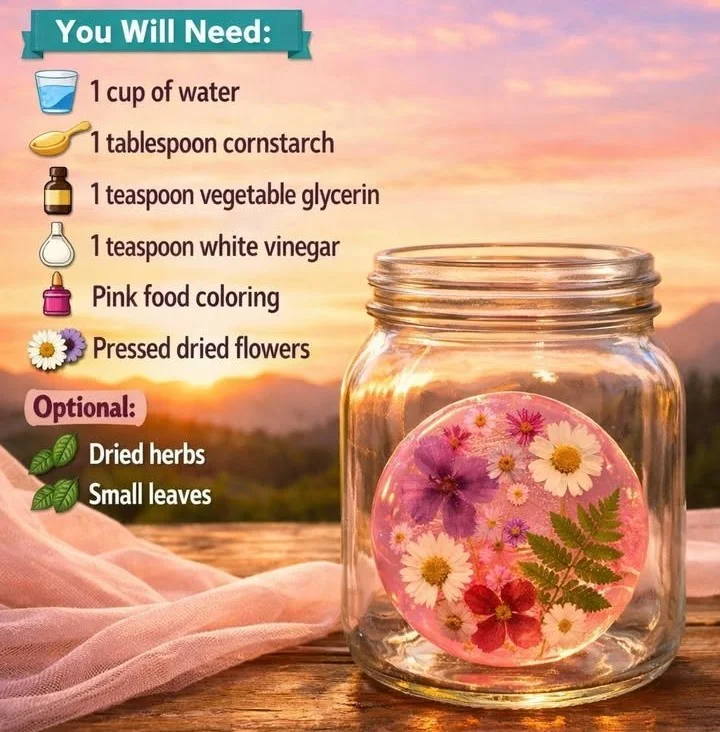
This project works because it keeps things small and tidy. You do not need a long shopping list or special tools. The materials are cheap and familiar. The process uses gentle heat and simple mixing, so kids can watch and learn without waiting through long bake times.
You’ll also like how forgiving it is. If a color mixes too dark, you can pour a new layer or trim the edges later. If a sheet has a few bubbles, they usually settle or you can pop them with a toothpick. The results look bright in a window and last well when you store them flat.
The short time and low mess make these suncatchers a good fit on a school night or a rainy afternoon. They give kids a clear win real, colorful pieces to hang without taking over the whole house. If you want a fuller background on the technique and a few extra visuals, the main DIY Vibrant Bioplastic Suncatchers main post has more photos and ideas.
A Quick Look Before You Begin
This activity normally takes about 30 to 60 minutes from start to set, plus extra time if you let sheets air-dry longer for a firmer finish. Plan for the active part the mixing, pouring, and arranging to take about 20 to 30 minutes. Most of that time you will stand and stir, so set out a low table or counter where kids can see what’s happening.
Set up one small tray for mixing and another for pouring. The mess level stays low if you use a silicone mold or parchment-lined tray. Keep paper towels and a small bowl of warm soapy water for quick cleanup. Adult supervision matters for the melting step and when handling hot bowls, but kids can lead the pouring and arranging.
You will get immediate visual feedback as colors spread and inclusions float into place. That makes the project feel fast and rewarding. If you want a sturdier finish, let sheets rest a little longer at room temperature. If life gets in the way, you can pause between steps; the gelatin mix holds for short periods on the counter.
Materials You’ll Need
1 part unflavored gelatin powder
4 parts cold distilled water
Small splash of glycerin or vegetable glycerin
Liquid food coloring or diluted watercolors
Shallow silicone mold or a flat baking tray lined with parchment
Heatproof glass bowl
Small saucepan
Wooden skewers or toothpick
Small brushes or droppers
Scissors and hole punch
Dried leaves, pressed flowers, or translucent paper (optional)
Parchment paper or silicone mat for drying and storage
These items are budget-friendly and mostly common household things. If you want a different look, try the blue crayon suncatchers for another simple twist using items from around the house.
STEP-BY-STEP DIRECTIONS

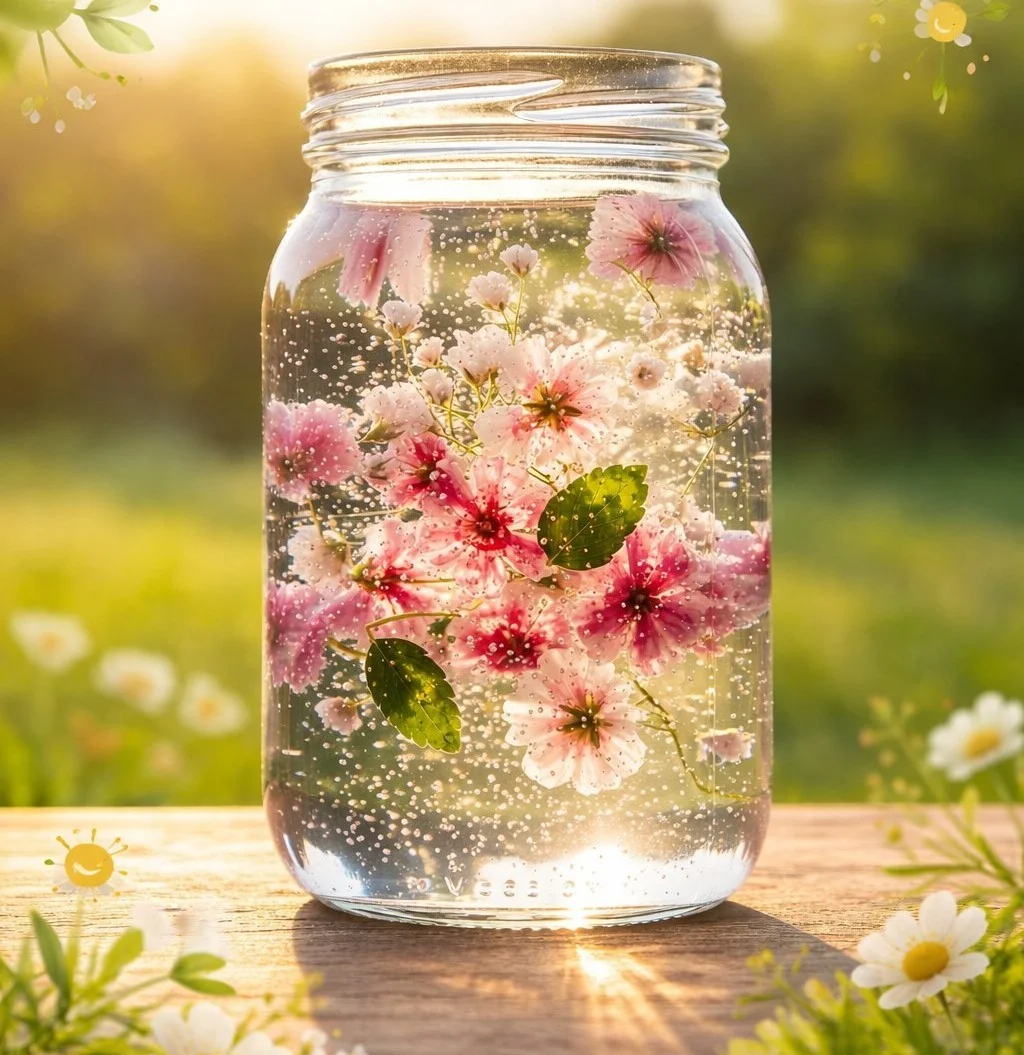
- Gather your materials and set up a workspace.
Lay everything out on a covered counter or table with parchment or a silicone mat under it.
Keep a towel and warm soapy bowl nearby for quick spills and tool cleanup. - Measure gelatin and water – sprinkle gelatin into cold water and let it bloom.
Use a clear cup so you can see the gelatin soften in the water; it looks grainy at first and plumps up in a few minutes.
This step gives you a smooth gel when you heat it, so do not skip the bloom time. - Melt the gelatin gently over a double boiler, stirring until clear.
Place the heatproof glass bowl over a small saucepan with simmering water and stir slowly.
You will see the mix go from cloudy to clear; small steam and a warm bowl are normal avoid boiling. - Add glycerin and stir until glossy.
Pour a small splash of glycerin in and stir; the mix will look shinier and feel a touch more flexible.
Glycerin keeps the finished sheets softer and less brittle, which helps when you trim or hang them. - Mix color separately and combine with the gelatin.
Drop food coloring into a small cup and thin with a little distilled water if you want softer shades.
Add the color slowly, stirring until you reach the shade you like. - Pour slowly into molds or onto a tray, tapping to avoid bubbles.
Pour close to the surface so the liquid lands gently and spreads evenly in a mold or on parchment.
Tap the mold or tray a few times on the counter to coax out trapped air. - Use a skewer to pop bubbles and arrange inclusions.
Drag a toothpick across the surface to break any remaining bubbles and nudge dried leaves or flowers into place.
Work gently; inclusions float easily and settle where you want them with a soft touch. - Let sheets cool and set at room temperature.
Leave the tray covered from dust but not sealed; it sets in about 20 to 40 minutes, depending on thickness.
You can tell it is ready when the surface is matte and the piece peels up slightly at the edges. - Peel off parchment, trim edges, and punch holes if needed.
Lift the suncatcher off the parchment and trim with scissors while the piece is still slightly soft for cleaner cuts.
Punch a small hole near the top for hanging; if it tears a bit, press the area and let it sit to firm up. - Hang or display your suncatcher.
Thread fishing line, ribbon, or yarn through the hole and hang in a sunny window.
Rotate the pieces occasionally so they dry evenly and avoid one bright patch fading in hot sun.
For a different texture and drying feel, you can compare techniques inspired by other projects like the crystal seashells project.
The Simple Science or Skills at Work
This activity blends a little kitchen chemistry with hands-on craft. Gelatin is a protein that forms a network when it hydrates and then warms. When you heat and then cool that network, it traps water and creates a flexible sheet. The glycerin helps the sheet bend without cracking by keeping some moisture in the plastic.
Kids practice careful measuring and observe cause and effect. They see how cold water changes gelatin texture, how heat clears the mix, and how color spreads through a liquid. Fine motor skills get a boost when they arrange tiny leaves or use a dropper to add small dots of color. Patience comes in as they wait for the sheet to set and decide where to cut.
You can explain simply: we make something like a thin, soft plastic using a food ingredient. It behaves like plastic because the gelatin holds water inside a network, and the glycerin keeps it soft. This makes a great, gentle introduction to materials science without scary chemicals.
Troubleshooting Common Issues
If the gelatin is grainy after heating, it likely did not bloom long enough or it heated unevenly. Try letting the gelatin sit in cold water for a few more minutes next time, and stir gently while it warms over the double boiler.
If bubbles form and do not go away, pour slower and tap the tray firmly but gently to bring them to the surface. Use a skewer to pop the stubborn ones right away. Work quickly bubbles set as the gelatin cools.
If the sheet tears when you lift it, it may have been too thin or cooled unevenly. Let future sheets set a little longer, or pour slightly more gelatin mix to get a thicker piece. Adding a tad more glycerin can help flexibility, but do not add too much or the sheet will stay tacky.
If colors run together too much, mix thinner washes for softer shades and pour in layers. You can pour a base, let it firm slightly, then add another color for clearer separation.
If the edges are uneven after trimming, try trimming when the piece is slightly softer for cleaner cuts. If a punched hole rips, reinforce the spot with a small dot of clear glue and let it dry before hanging.
If a finished suncatcher looks dull, it may have lost surface gloss while drying. A light rub with a soft cloth can restore shine, or store pieces flat under parchment to keep them glossy.
Easy Variations to Try
- Layered colors
Pour a thin base layer, let it firm for 5 to 10 minutes, then pour a second color on top. That creates depth and neat color bands. Kids love the reveal when the layers meet. - Nature collage
Use pressed flowers, small fern leaves, or thin grass to make natural patterns. Place pieces carefully with tweezers or a toothpick. This is lovely for seasonal themes and makes unique gifts. - Shape play with molds
Use shallow silicone molds in simple shapes like stars or hearts. The edges come out neat and you can make a string of little suncatchers. Small molds reduce waste and make trimming easier for kids. - Watercolor dots and swirls
Use a small brush or dropper to add diluted watercolors and swirl the surface with a skewer. This gives a marbled look. Work in small sections so the swirls stay crisp. - Textured finish
Press a clean piece of lace or thin fabric lightly onto the surface as it cools for a faint texture. Remove carefully once set to reveal soft patterns. This needs a gentle touch, but it adds a pretty, tactile result.
Offer these as suggestions rather than rules. Try one idea at a time and take notes on what you like. The best variations come from small experiments you can repeat.
Storing or Reusing This Project
Store finished suncatchers flat between sheets of parchment in a shallow box. Keep them away from direct heat and very dry places, which can make edges brittle over time.
If you want to reuse materials, collect scraps of trimmed suncatchers and keep them in a sealed bag. You can gently reheat small amounts over the double boiler to fuse pieces into new shapes, but expect some change in clarity. For longer storage of supplies, keep gelatin in a cool, dry spot and glycerin sealed.
Clean up right away with warm soapy water while tools are still soft. Wood skewers and toothpicks are usually single-use, but brushes and droppers wash easily. Wipe molds and trays soon after the project for the fastest cleanup.
Reduce waste by keeping offcuts for small craft tiles or by pressing the odd pieces into a new thin tray layer. A little planning keeps the project low-waste and budget-friendly.
FAQs About DIY Vibrant Bioplastic Suncatchers
Can preschoolers help with this?
Yes, but expect hands-on adult help. Little ones can pick and place dried leaves, drop a few color dots, and hold ribbon when you thread it. An adult should handle the heated bowl and pouring. It feels safe when an adult takes the hot steps and lets kids do the cooler, creative parts.
How messy will this get in the kitchen?
It stays fairly tidy if you use a silicone mat or parchment. Gelatin can catch on bowls and tools, so keep warm soapy water near for quick rinses. Food coloring can stain hands and clothes, so use aprons or old shirts and wipe spills quickly. In our experience, a small clean-up is all it takes.
What if I do not have glycerin can I skip it?
You can skip glycerin, but expect a firmer, slightly more brittle sheet. The suncatcher will still work but handle it with a bit more care. If you want a softer finish and do not have glycerin, try using a slightly thicker pour and avoid thin edges that break easily.
How long will these last hanging in a window?
Stored and handled gently, they can last for months. Direct, strong sunlight over long periods can fade colors slowly, and very dry heat can make edges brittle. Rotate pieces and hang them in indirect light for longer life. If they get dusty, wipe gently with a soft cloth.
A Final Helpful Note
You do not need perfect results to enjoy this. The joy is in the making and the bright pieces that follow. Expect a few quirks tiny bubbles, uneven edges, or a color that surprises you and plan to celebrate those as part of the charm. Keep tools ready, work in small batches, and involve helpers in simple tasks so everyone feels proud.
If something goes sideways, take a breath and try another small pour. Over time you will learn the right thickness and timing for your home, and those little discoveries make the project feel even more rewarding.
Conclusion
If you want to see a detailed tutorial with more photos and context, check this clear write-up on DIY Bioplastic Suncatchers: Eco-Friendly Art That Shines Bright! which shows different styles and finishes. For a printable guide you can take into the kitchen, the DIY Bioplastic Suncatchers PDF Tutorial | Fun Science Craft for Kids offers a step-by-step PDF with tips and templates.
Clear steps. Simple materials. Real results. Made easy.
PrintDIY Vibrant Bioplastic Suncatchers
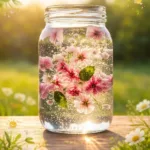
A fun, easy craft project to make colorful bioplastic suncatchers using gelatin and food coloring.
- Prep Time: 30 minutes
- Cook Time: 20 minutes
- Total Time: 50 minutes
- Yield: 4–6 suncatchers 1x
- Category: Craft
- Method: Mixing and Pouring
- Cuisine: N/A
- Diet: N/A
Ingredients
- 1 part unflavored gelatin powder
- 4 parts cold distilled water
- Small splash of glycerin or vegetable glycerin
- Liquid food coloring or diluted watercolors
- Shallow silicone mold or a flat baking tray lined with parchment
- Heatproof glass bowl
- Small saucepan
- Wooden skewers or toothpick
- Small brushes or droppers
- Scissors and hole punch
- Dried leaves, pressed flowers, or translucent paper (optional)
- Parchment paper or silicone mat for drying and storage
Instructions
- Gather your materials and set up a workspace.
- Measure gelatin and water – sprinkle gelatin into cold water and let it bloom.
- Melt the gelatin gently over a double boiler, stirring until clear.
- Add glycerin and stir until glossy.
- Mix color separately and combine with the gelatin.
- Pour slowly into molds or onto a tray, tapping to avoid bubbles.
- Use a skewer to pop bubbles and arrange inclusions.
- Let sheets cool and set at room temperature.
- Peel off parchment, trim edges, and punch holes if needed.
- Hang or display your suncatcher.
Notes
Keep supervision during the melting step to ensure safety. This project can be adapted with variations for enhanced creativity.
Nutrition
- Serving Size: 1 suncatcher
- Calories: N/A
- Sugar: N/A
- Sodium: N/A
- Fat: N/A
- Saturated Fat: N/A
- Unsaturated Fat: N/A
- Trans Fat: N/A
- Carbohydrates: N/A
- Fiber: N/A
- Protein: N/A
- Cholesterol: N/A