

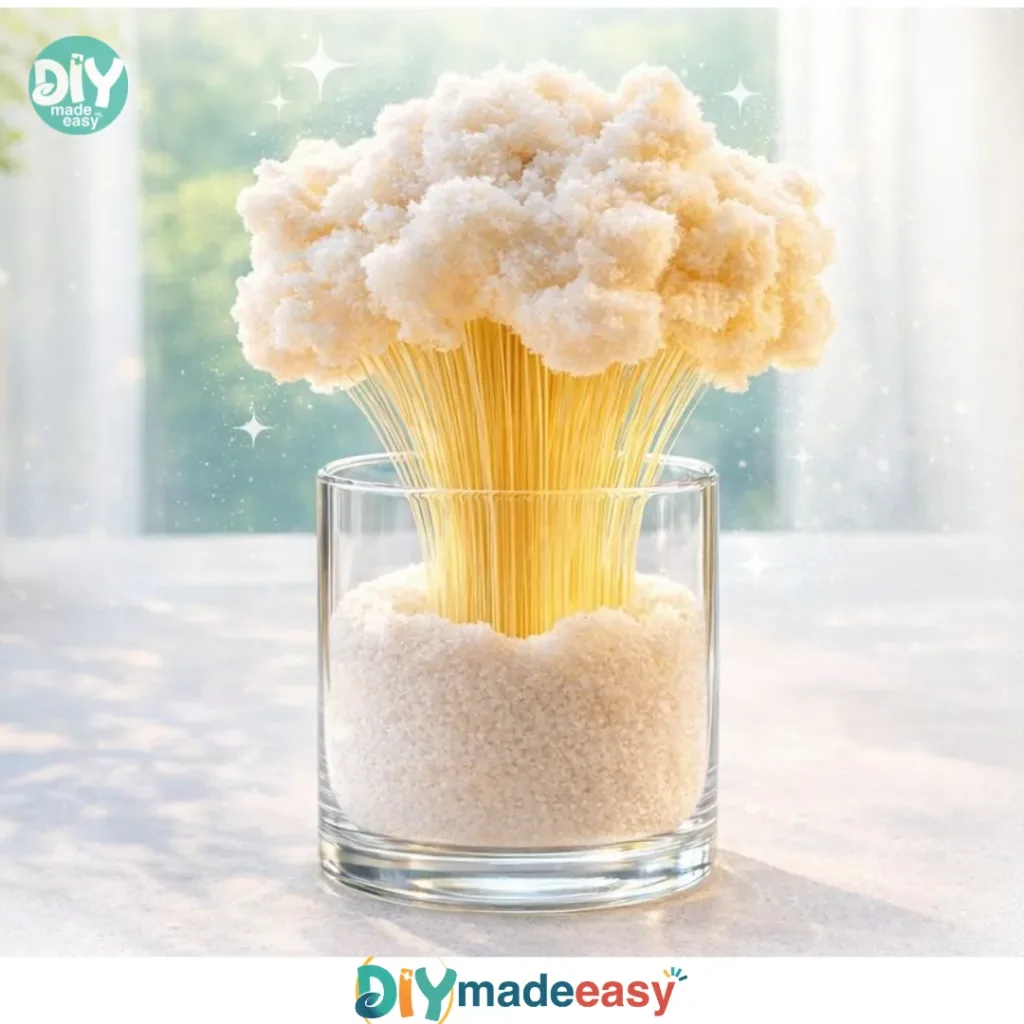
A busy afternoon can sometimes lead to the most memorable moments. Perhaps your kids are clamoring for something fun to do, and you want an activity that’s quick to set up but delightful to witness. Enter the DIY Salt Volcano Science Experiment. It’s the perfect blend of simplicity and excitement. Not only does it engage them in some hands-on fun, but it also introduces some intriguing science concepts along the way. This experiment is a delightful explosion of colors and bubbles that will captivate their attention and spark their curiosity.
Why This DIY Salt Volcano Science Experiment Works So Well
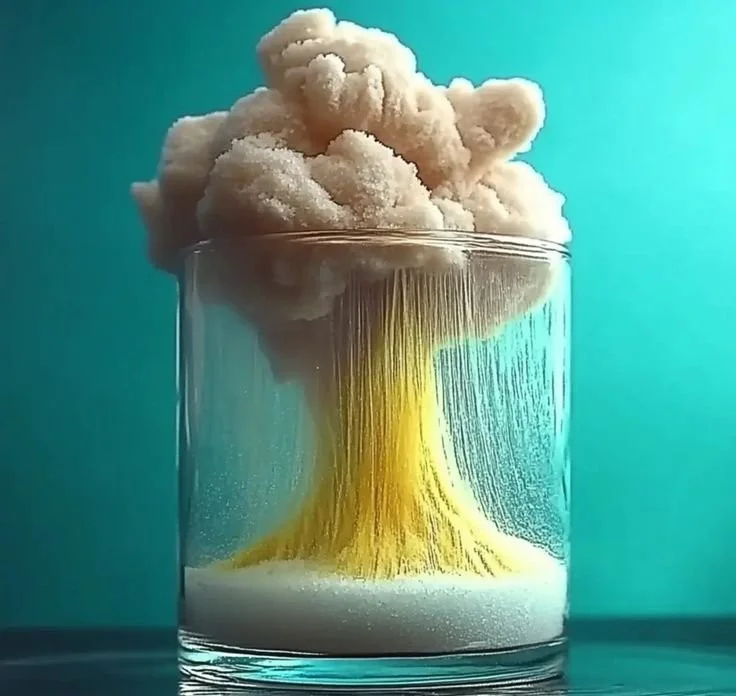
This DIY Salt Volcano Science Experiment shines because it requires very little preparation. You can easily gather the materials from your home, making it a budget-friendly option. With just a few household items, this activity feels approachable, even on the busiest of days. Many parents might worry about complicated science experiments taking all evening to set up, but this one is refreshingly simple.
You’ll find that the experiment consistently delivers reliable results. The reaction between the oil, water, and salt creates charming bubbles and colorful eruptions, mesmerizing kids and adults alike. It provides a fun, hands-on experience without the stress of complicated procedures. Every participant will feel engaged, and since the setup is quick, you’ll have more time to enjoy the results and interact with the kids.
A Quick Look Before You Begin
The beautiful thing about the DIY Salt Volcano Science Experiment is its simplicity. You’ll need about 10 to 15 minutes for setup and execution. The mess level is quite low, which is always a plus. Most spills can be easily wiped away with a damp cloth, so there’s no need to fret about excessive cleanup.
While adult oversight is useful, older kids can easily participate in most of the steps. You’ll find that watching your little ones dive into the project is rewarding. Just imagine the excitement on their faces as they see vibrant colors and the fizzy eruption coming from the container. This activity lets them experience the joy of science without it feeling like a chore.
Materials You’ll Need
To make this exciting science experiment happen, here’s what you’ll need:
- 1 cup room temperature water
- 1/4 cup vegetable oil
- 1 tablespoon salt
- 2-3 drops food coloring
- 1 tablespoon glitter
- 1 tablespoon fine sand
These materials are common household items that you likely already have. The glitter adds a fun touch to the bubbling, making it visually appealing. If you want, feel free to experiment with different colors of food coloring or even leave out the glitter for a more straightforward volcano.
Step-by-Step Directions
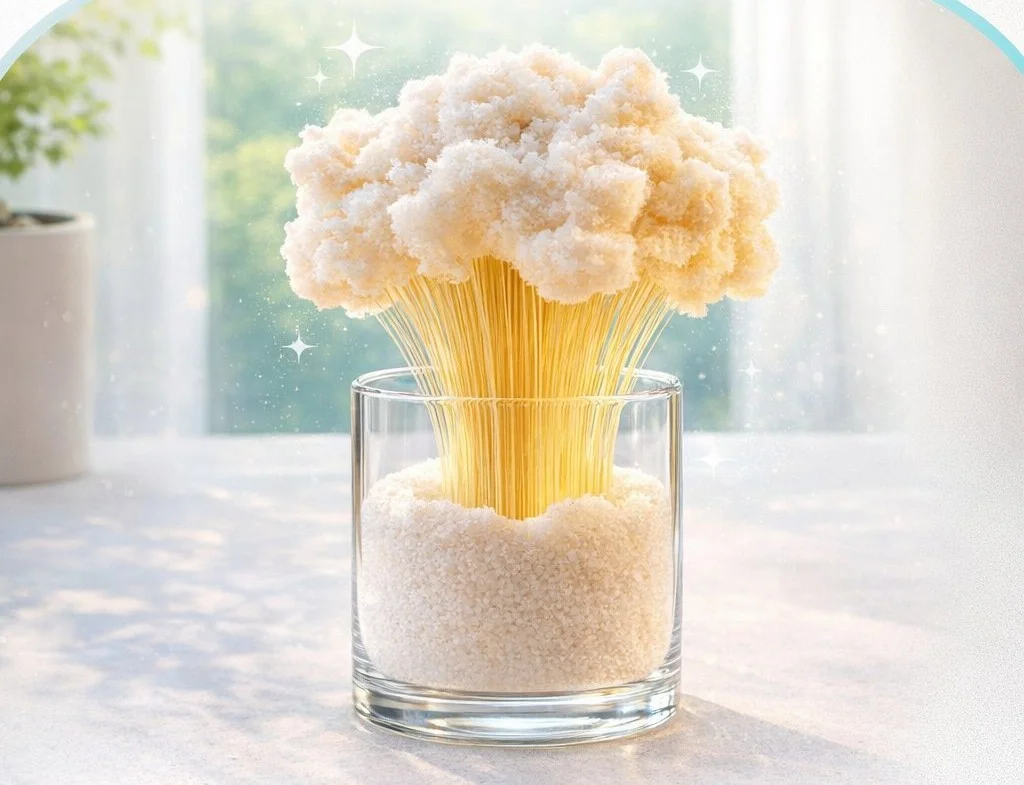
Now, let’s bring your DIY Salt Volcano Science Experiment to life. Follow these simple steps for a colorful and bubbly eruption.
- Start by pouring the cup of room temperature water into a clear container. Let it settle peacefully before moving on. Watching the water create a calm surface is quite satisfying.
- Gently drizzle the vegetable oil on top and watch them float separately. This is where the magic begins! It’s fascinating to see how the oil floats effortlessly on the water, creating a lovely layered effect.
- Sprinkle salt over the oil and add a few drops of food coloring for a fun splash! As you add the salt, you’ll notice it sinking into the oil, triggering delightful little bubbles. The food coloring will slowly mix, lending vibrant hues to your concoction.
- Finally, mix in the glitter and fine sand. Just give a gentle stir with a spoon, and then sit back and enjoy as your vibrant volcano erupts with delightful bubbles! The combination of glitter and foam creates a magical scene that captivates everyone watching.
The Learning Behind This DIY
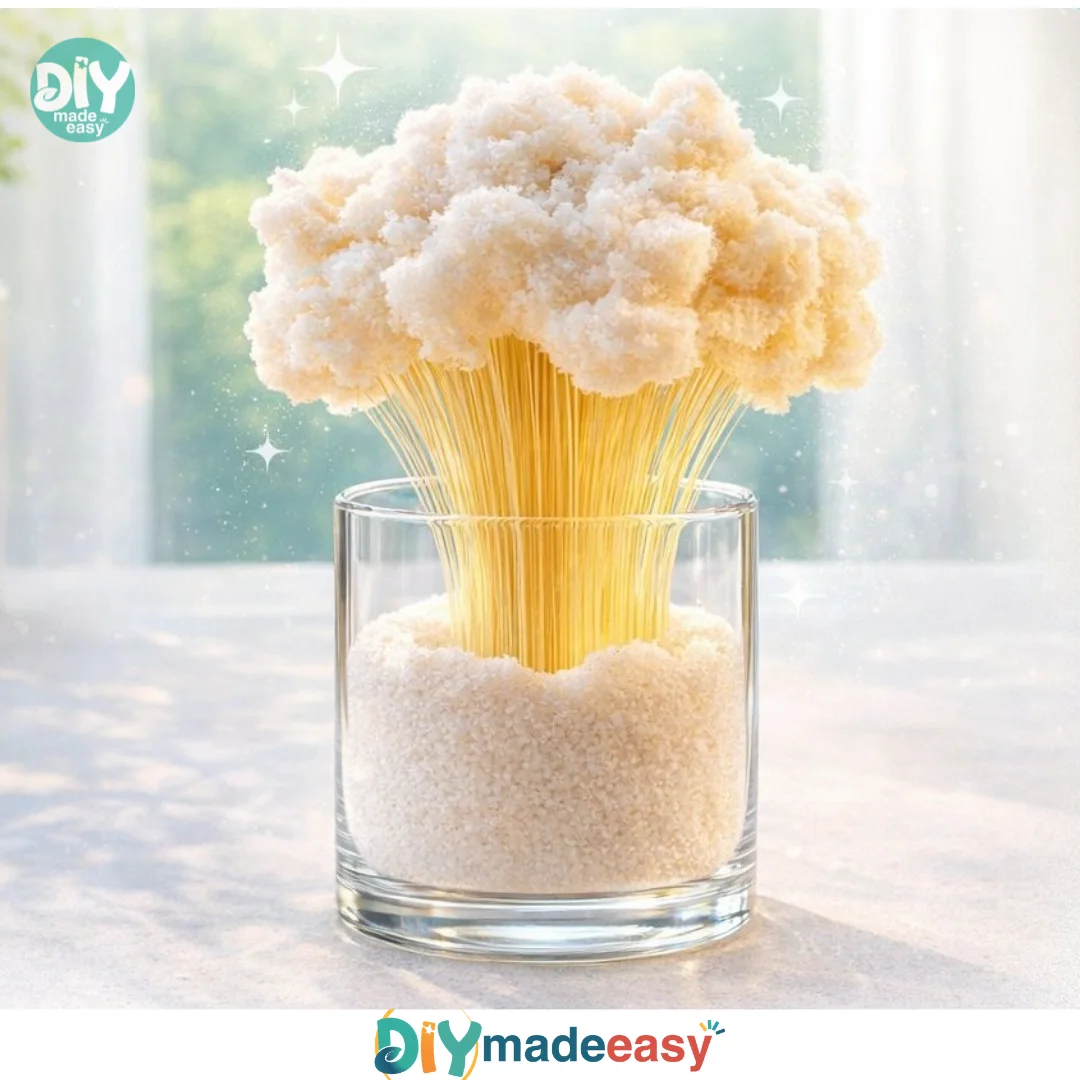
The DIY Salt Volcano Science Experiment is not just a visually appealing activity; it’s a fantastic learning opportunity. Children practice fine motor skills and coordination as they mix and pour different elements. They see firsthand how changes in one material can affect others, learning about density and separation.
The activity promotes understanding of cause and effect, too. When they sprinkle the salt onto the oil, they’ll immediately observe the reaction, witnessing science in action. This playful method of discovery captures kids’ imaginations, making learning feel natural and exciting.
Troubleshooting Common Issues
Sometimes, things don’t go as planned, and that’s perfectly normal. If the colors don’t mix well, or you don’t see the bubbly reaction you expected, it might mean the salt didn’t get enough contact with the oil. Just give it a little more time and ensure you sprinkle the salt evenly for the best response.
If your volcano doesn’t bubble as much as you’d like, there might not be enough salt. Ensure you’re using a full tablespoon and maybe even try breaking the salt pieces up a bit to enhance the reaction.
Cleanup can feel daunting, but most of it can be contained. A wet cloth will easily take care of any spills, and the glitter will likely collect on your work surface or the floor with little fuss. Keep the cleanup light!
Easy Variations to Try
There are many ways to switch this activity up a bit and keep it fresh. Here are a few ideas:
- Create Theme-based Volcanoes: Choose colors and glitters that match a seasonal holiday. Red and green for Christmas, or pastel for Easter can spice things up.
- Use different liquids: Try using colored soda instead of water for a fizzier result. The bubbles will tickle the kids with excitement.
- Larger versions: Create a bigger volcano using a larger container, allowing them to have more fun with proportions and reactions.
- Time the eruptions: Make a game of timing how long the eruption lasts or how long it takes to settle again.
- Change the shapes: Use different containers to create unique volcano shapes, perhaps resembling famous volcanoes around the world!
Storing or Reusing This Project
After your fun is over, consider storing any leftover materials for your next science activity. You can keep your colored water mixture sealed tightly in a container. However, if you want to reuse the glitter, it’s best to let everything dry out before storing, so nothing sticks together.
Cleaning up is equally straightforward. Any spills can be wiped up easily, and if you use a tray or plate under the container, that’s even better; it minimizes mess. With minimal waste and easy cleanup, this DIY project allows you to feel proud of your work.
FAQs About DIY Salt Volcano Science Experiment
“What if my kids make a mess when we do this experiment?
” It’s perfectly normal to feel concerned about mess. Most of the materials can easily be cleaned up with a damp cloth. Just lay down some paper towel for a simple cleanup afterward.
“Is this safe for young children?
” Yes! All of the materials involved are safe to handle. Just be sure to supervise if they are younger, especially when adding the food coloring.
“If I don’t have food coloring, can I skip it?
” You can skip it, but the experiment may not be as visually exciting. However, you may use other substitutes like fruit juice or non-toxic paint, though the outcome will differ.
“Do the results always look the same?
” While this experiment typically produces a mesmerizing result, variations can occur based on the amounts used. Don’t fret; that’s part of the fun of experimenting!
“Can I repeat this many times?
” Absolutely! This is a reusable activity as long as you keep your materials in good shape, not using them when they’ve dried out. It’s great for multiple days of entertainment!
Conclusion
Making the DIY Salt Volcano Science Experiment at home offers an engaging way to combine learning with play. By witnessing the colorful eruptions, kids experience science in a tangible way. It’s satisfying to see reactions occur right in front of them, sparking curiosity and creativity. If you want to explore more captivating science ideas, check out our kitchen science experiments for additional fun or check out some easy variations to this experiment. It’s all about keeping things fresh and exciting while fostering learning and delight. Enjoy your volcano adventure!
PrintDIY Salt Volcano Science Experiment
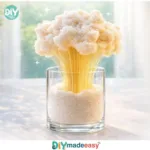
A fun and educational DIY science experiment that showcases colorful eruptions using household items.
- Prep Time: 10 minutes
- Cook Time: 5 minutes
- Total Time: 15 minutes
- Yield: 1 experiment 1x
- Category: Science Experiment
- Method: N/A
- Cuisine: N/A
- Diet: N/A
Ingredients
- 1 cup room temperature water
- 1/4 cup vegetable oil
- 1 tablespoon salt
- 2–3 drops food coloring
- 1 tablespoon glitter
- 1 tablespoon fine sand
Instructions
- Pour the cup of room temperature water into a clear container and let it settle.
- Drizzle the vegetable oil on top, watching it float separately on the water.
- Sprinkle the salt over the oil and add food coloring for a fun splash.
- Mix in the glitter and fine sand, then sit back and enjoy as your volcano erupts with bubbles!
Notes
The experiment is engaging for kids and can be done easily with adult supervision.
Nutrition
- Serving Size: N/A
- Calories: N/A
- Sugar: N/A
- Sodium: N/A
- Fat: N/A
- Saturated Fat: N/A
- Unsaturated Fat: N/A
- Trans Fat: N/A
- Carbohydrates: N/A
- Fiber: N/A
- Protein: N/A
- Cholesterol: N/A