


A busy afternoon, a quick kitchen setup, and a few impatient kids asking to make something colorful right now that is one of my favorite starting points for easy crafts. DIY Rainbow Glue Suncatchers step in perfectly on days like that. They use clear school glue and food coloring you probably already have, and they come together with almost no prep. If you want a simple, hands-on activity that feels creative but stays calm, this is it and you can read more ideas like this in our our glue suncatcher guide for extra inspiration.
Why You’ll Love Making DIY Rainbow Glue Suncatchers

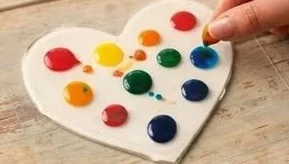
This project stays low-prep because you only pull out a few things: clear school glue, food coloring, wax paper or a plastic sheet, scissors, and a paintbrush if you want neater lines. Setup takes less than five minutes. That matters on busy days when you need a quick win that still feels like a treat.
It feels approachable for kids and adults. The steps are easy to follow and the materials behave predictably. Glue dries clear and holds color well, so you usually get bright results without complex mixing tricks.
It works reliably because the glue becomes a thin, flexible sheet that catches light like stained glass. You do not need special tools or long drying rooms. You can make several suncatchers in one afternoon and hang them the next day.
Finally, it fits real-life schedules. You can pause between steps, walk away, and come back if a layer needs more drying time. That flexibility makes this an ideal rainy day, after-school, or last-minute party activity.
The Flow of Making DIY Rainbow Glue Suncatchers
This section gives a calm overview so you know what to expect before you start.
Plan on about 5 minutes of active work and a few hours to fully dry, depending on how thick you lay the glue. Thin layers dry faster; thick layers take longer.
Prepare a small workspace with wax paper on the table to protect the surface. Keep a damp cloth nearby for quick spills. Kids can work at the table while an adult mixes the first color and shows how to apply it.
Mess level stays low if you use small bowls and a single paintbrush or popsicle stick for mixing. Expect a few drops of colored glue on hands or the counter; that washes off easily with soap and warm water.
You will want gentle adult help for peeling the finished suncatcher, especially if it is large. But kids can do the whole decorating part themselves and see immediate, colorful results.
Materials You’ll Need
Clear school glue
common household item, the main material that becomes the suncatcher
Food coloring (various colors)
common household item, use drops to get bright hues
Wax paper or plastic sheet
easy substitute for a craft mat, prevents sticking
Scissors
simple tool to cut shapes once dry
Paintbrush (optional)
optional, great for neat lines and spreading glue
Sunlight (for displaying)
the final showcase, hang suncatchers where light can shine through
STEP-BY-STEP DIRECTIONS

- Start by pouring clear school glue into a small bowl.
Use a bowl that is easy to hold and wipe. Pour enough to cover the area you plan to decorate. - Add a few drops of food coloring to the glue and mix until you achieve your desired color.
Stir gently and watch the color spread. A little goes a long way, so start with 2 to 3 drops. - Use a paintbrush to apply the colored glue to a piece of wax paper or a plastic sheet in a rainbow pattern or any design you like.
Paint thin ribbons or shapes; thinner lines dry faster and let light shine through. - Repeat with different colors of glue, allowing each layer to dry slightly before adding more.
Let layers set to the touch so colors do not bleed into each other unless you want a blended look. - Once completely dry, carefully peel the suncatcher off the wax paper.
Lift from one corner and go slowly. If the piece bends, rest it flat until it flattens out. - Hang your rainbow glue suncatcher in a sunny window to enjoy the colors!
Use a loop of string or a suction cup clip and place it where direct sunlight brings out the shine.
The Simple Science or Skills at Work


Making a glue suncatcher offers a few quiet learning moments that kids enjoy.
Glue and food coloring mix because the dye molecules dissolve into the glue’s water base. As the water evaporates, the colored dye stays suspended in the thin plastic-like film the glue forms. That film catches light and makes color shine through.
Fine motor skills improve when kids pour, mix, and paint thin lines with a brush. Those steadying motions help hand-eye coordination.
You also get cause and effect in real time. If you add too much color the first time, the shade turns darker. If you lay glue thickly, drying takes longer. Kids learn to make choices and see immediate consequences.
Simple observation skills develop as you watch drying times, notice bubbles, and learn when a layer is just set enough to add the next color. Describe what you see aloud to help younger makers learn the vocabulary of change.
Troubleshooting Common Issues
If Something Doesn’t Go as Planned
If the color looks washed out after drying, you probably used too little food coloring.
Fix this next time by adding one more drop when you mix. For the current piece, a thin second layer of the same color can boost saturation.
If colors bleed together when you paint the next band, the previous layer was too wet.
Let that layer sit until it is just tacky or dry to the touch before adding the next color. You can speed drying with a gentle fan, but avoid hot sources that warp the glue.
If bubbles appear while stirring, they usually settle on their own.
Tap the bowl gently on the table to pop large bubbles, or wait a few minutes and pop them with the brush tip. Tiny bubbles often disappear as the glue levels out.
If the suncatcher sticks and tears when you try to peel it, the glue may have set too thin or stuck to tiny bits of wax paper.
Go slowly and lift a corner with a fingernail or thin spatula. If it tears, trim ragged edges with scissors and press the piece back flat under a heavy book for an hour or two.
If a layer is too thick and never fully dries, you can trim the sticky parts away after peeling and press the rest flat to finish drying. Keep expectations realistic; homemade suncatchers look charming, not factory-perfect.
Easy Variations to Try
Seasonal or Creative Twists
Try ombre strips by mixing one color from darker to lighter in several small bowls before painting.
This makes a smooth gradient and looks great in a sunny window.
Make shaped suncatchers by drawing a simple outline on the wax paper first, then filling the shape with colored glue.
You cut along the outline once dry. Simple shapes like hearts, stars, and rainbows work best for young hands.
Add tiny details by painting on white glue outlines and filling them with thin colors.
This gives a stained glass effect without introducing new materials.
Work with age groups by simplifying the task for younger kids and increasing control for older children.
Toddlers can squeeze pre-mixed cups of colored glue, while older kids can paint precise patterns and experiment with layering.
Use layered transparency to create scenes by painting a background in one glue layer, letting it dry, then adding foreground shapes in the next.
This creates depth and encourages planning before you paint.
Storing or Reusing This Project
What to Do With It After
Keep finished suncatchers flat until fully dry to avoid warping. Lay them on a smooth surface covered with clean wax paper and let them rest for 24 hours if needed.
If you want to reuse the glue left in bowls, cover the bowls tightly and store them in a cool place for a short while.
Remember, mixed glue dries as it loses moisture, so it will not last weeks. Use leftovers within a day for best results.
Save paintbrushes by rinsing them quickly in warm water right after use.
Glue washes out easily when wet but becomes hard when dry. Soak brushes if some glue already dried on them.
Trim and recycle scrap wax paper and plastic sheets if you can. If pieces tear, patch them with a small strip of clear tape on the back for a longer life.
If you want to display suncatchers seasonally, store them flat in a shallow box between sheets of wax paper to prevent sticking. Label the box and you can bring them out again for the next sunny season.
FAQs About DIY Rainbow Glue Suncatchers
Will this make a big mess?
I understand that worry. In practice, this project stays pretty tidy if you lay down wax paper and use small bowls for color. You will get a few drops on the table or hands. Keep a damp cloth handy and show kids how to wipe brushes on the wax paper between colors. Cleanup usually takes five minutes and soap and water remove colored glue before it sets.
Is this safe for young kids to handle?
Yes with supervision. The materials are common household items, but food coloring can stain clothes and surfaces, and small children might taste or squeeze glue. I stay close for toddlers and preschoolers during mixing and painting. For very young makers, use a smock and a short guided session. Older children can work more independently after a quick demo.
Can I use liquid watercolors or paint instead of food coloring?
You might be tempted, but stick to food coloring as directed for predictable color mixing and safety. Water-based dye like food coloring mixes well with clear glue and dries without muddying. If you experiment, test a small amount first so you know how it behaves.
How long do they take to dry and how long do they last in a window?
Drying time depends on thickness and humidity. Thin layers may be dry to the touch in an hour and fully set in 6 to 12 hours. Thicker pieces can take a full day or longer. Once dry, they last months to a year in a window. Direct sun over long periods can fade brighter shades slowly, but you will still get lovely color as they age.
What if my finished piece curls or does not lay flat?
This happens sometimes. If a suncatcher curls, lay it flat between clean sheets of wax paper and place a heavy book on top for several hours. If a piece bends permanently, press it gently and let it sit on a flat surface in a warm room overnight. Very warped pieces can still hang and catch light in interesting ways, so do not worry if the shape is imperfect.
A Final Helpful Note
One last tip before you go: keep expectations flexible and enjoy the process. The joy of this craft comes from bright colors, tactile mixing, and the surprise when sunlight makes your art glow. If something does not turn out exactly as planned, treat it as a learning step. Try a small correction, or turn it into a new design.
If you want more ideas that use simple materials and easy steps, I recommend checking other projects for color play and similar techniques. You will find both quick wins and next-step projects that grow skills and confidence.
Conclusion
If you like exploring different effects with transparent layers, this tutorial pairs well with other creative suncatcher ideas like those shown in How to Make Cosmic Suncatchers – Babble Dabble Do for inspiration on cosmic colors and textures. You might also enjoy the painted glue approach explained in Painted Glue Suncatchers – Capturing Parenthood to see how paint and glue combine for vibrant, window-ready art.
PrintDIY Rainbow Glue Suncatchers

Create beautiful rainbow suncatchers using clear school glue and food coloring for a fun and colorful craft project.
- Prep Time: 5 minutes
- Cook Time: 0 minutes
- Total Time: 240 minutes
- Yield: 5 suncatchers
- Category: Craft
- Method: Crafting
- Cuisine: N/A
- Diet: N/A
Ingredients
- Clear school glue
- Food coloring (various colors)
- Wax paper or plastic sheet
- Scissors
- Paintbrush (optional)
Instructions
- Start by pouring clear school glue into a small bowl.
- Add a few drops of food coloring to the glue and mix until you achieve your desired color.
- Use a paintbrush to apply the colored glue to a piece of wax paper or a plastic sheet in a rainbow pattern or any design you like.
- Repeat with different colors of glue, allowing each layer to dry slightly before adding more.
- Once completely dry, carefully peel the suncatcher off the wax paper.
- Hang your rainbow glue suncatcher in a sunny window to enjoy the colors!
Notes
Keep a damp cloth handy for quick spills and supervise young children during the craft.
Nutrition
- Serving Size: 1 suncatcher
- Calories: N/A
- Sugar: N/A
- Sodium: N/A
- Fat: N/A
- Saturated Fat: N/A
- Unsaturated Fat: N/A
- Trans Fat: N/A
- Carbohydrates: N/A
- Fiber: N/A
- Protein: N/A
- Cholesterol: N/A