

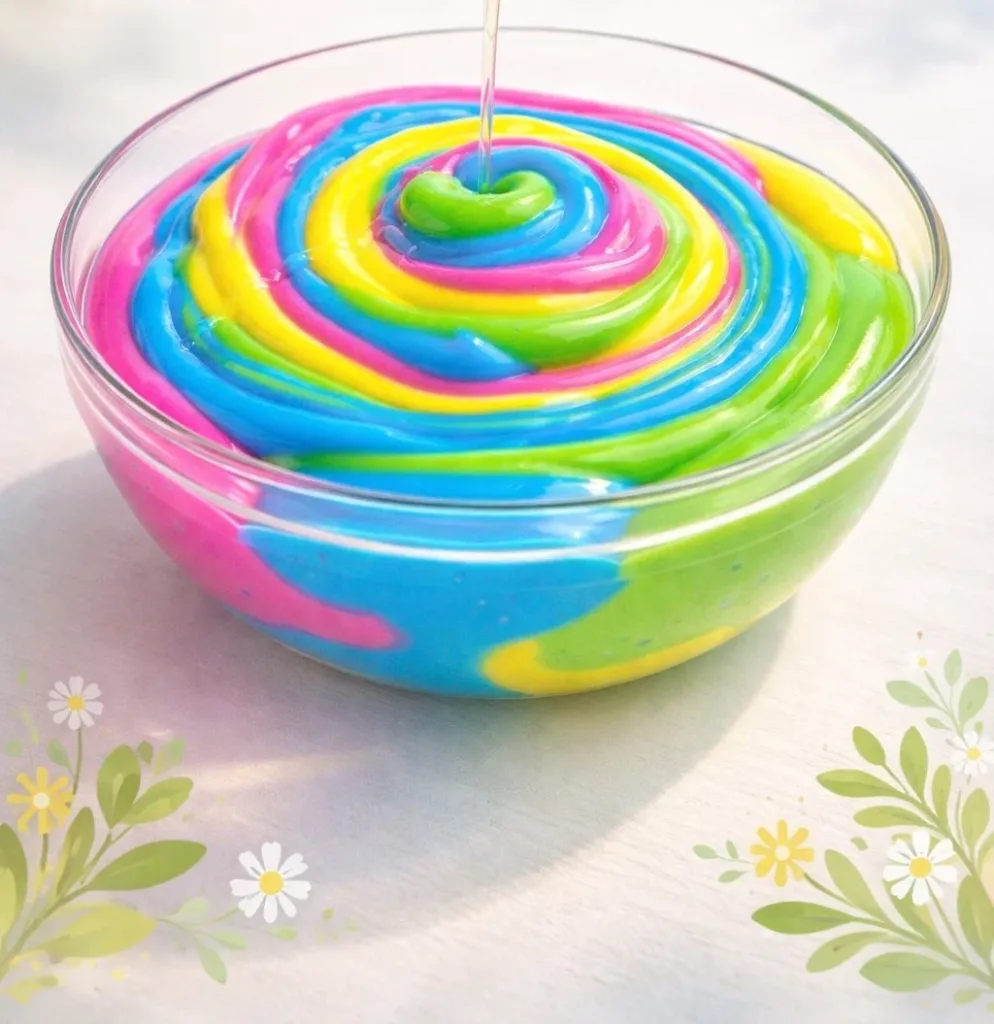
A busy afternoon, a crate of school glue, and three kids asking for something to do right now. That is the moment I reach for a quick, satisfying project like DIY Calm-Color Bouncy Balls. It feels small but fun. It needs little setup, uses things you likely have on the shelf, and it gives a real result kids can hold, test, and play with. If you have ten minutes to prep and twenty minutes to finish, this is an activity that fits into the in-between of errands, snacks, or a rainy backyard break. For another playful glue-based project we love, see the magical bouncy balls recipe for a different texture and finish.
Why You’ll Love Making DIY Calm-Color Bouncy Balls
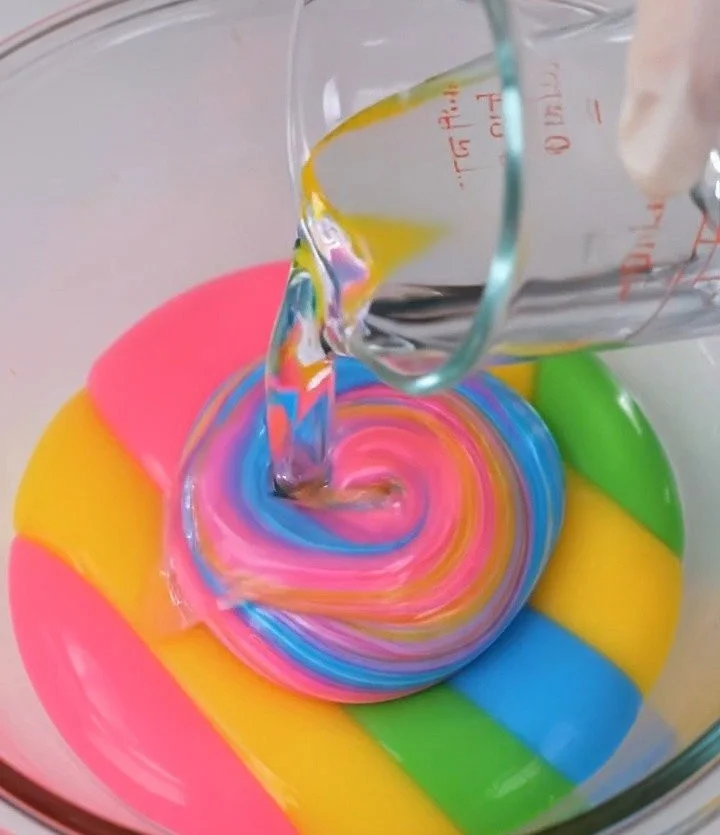
This project works because it keeps things small and clear. You only need a few measures, a single bowl, and a spoon. Preparation takes minutes. Clean up takes a few wipes and a damp towel. That low-prep rhythm makes it easy to slide the activity into a busy day without turning the whole kitchen into a craft zone.
It feels approachable because the steps follow simple cues you can see and touch. When the glue thickens, you will notice the tack turn into a soft mass. When the ball is ready to roll, it will pull away from the sides of the bowl and no longer stick to your fingers. Those cues make the process predictable and satisfying.
This method also fits real family schedules. You can pair the making with snack time, let the balls rest while you tidy up, then test the bounce when everyone is nearby. If you want a slightly different effect, we link to other easy glue crafts in this section to try later. For a bright suncatcher idea that pairs well with kid-made projects, check the bioplastic suncatchers recipe.
A Quick Look Before You Begin
You will spend about 10 to 30 minutes from start to finish depending on how many balls you make and how fussy the kids get with color or glitter. Setup takes only a couple of minutes. Lay out the glue, starch or borax solution, a small bowl, and a damp towel for quick cleanup.
Mess level sits in the low-to-moderate range. Glue can drip, and a little glitter will travel if you let it. A shallow tray and a sheet of wax paper keep most of the mess contained. Adult involvement depends on the ages. Younger kids will need help measuring and stirring. Older kids can likely manage most steps on their own with a quick demonstration.
Materials You’ll Need
Clear or white glue (school glue)
common household item; clear gives a glassy look, white gives an opaque finish
Liquid starch or a liquid borax solution
activator; liquid starch is easy to find and simple to use
Fine glitter or mica powder (optional)
optional; adds sparkle or shimmer without changing texture much
Non-toxic food coloring or liquid watercolors
small amounts add calm, soft color; two drops go a long way
Small measuring spoons
use for consistent results and small batches
A small mixing bowl or disposable cup
easy to handle and disposable for quick cleanup
A sturdy spoon or craft stick for stirring
helps you see the mixture change as you stir
A damp towel for hands and surfaces
essential for quick cleanup and sticky fingers
A shallow tray or plate for resting finished balls
keeps them from rolling off counters
Wax paper or parchment to prevent sticking (optional)
optional but helpful when the balls rest or cure
Step-by-Step Directions
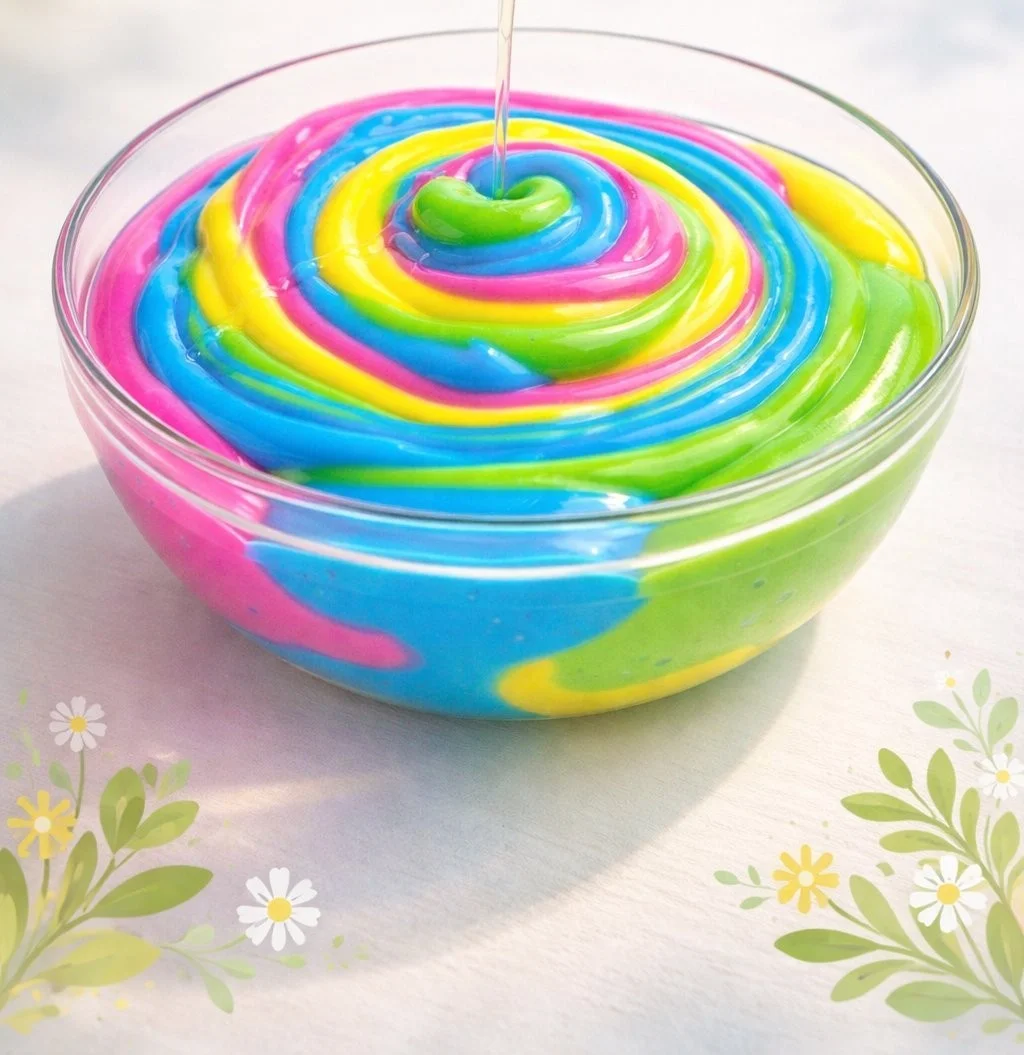
- Pour 2 tablespoons of glue into a mixing bowl.
Measure carefully so you get a similar result each time.
Use clear glue for a glassy look or white glue for soft matte color. - Add one or two drops of food coloring or a tiny pinch of mica.
Start with the smallest amount and add more if you want deeper color.
A tiny pinch of mica goes a long way, especially with clear glue. - Stir gently until the color spreads and the glue feels smooth.
Use a slow circular motion to avoid air bubbles.
The mixture should look evenly tinted and glossy. - If using glitter or mica, sprinkle a small amount now.
Add only a little so the ball keeps a soft, calm look.
Too much glitter can change the texture and make cleaning harder. - Add 1 tablespoon of liquid starch or a teaspoon of borax solution slowly, stirring until mixture thickens.
Pour in a little at a time and stir between additions.
You want the glue to clump and pull away from the bowl sides. - Knead gently until it forms a soft mass.
Take the sticky blob and fold it over itself in your palms.
Knead until it becomes less sticky and more elastic. - Roll the mass between your palms to shape it into a ball.
Use light pressure and turn often to keep it smooth.
If it flattens, give it a few more quick rolls. - If the ball is sticky, adjust with starch or cornstarch.
Dust your palms with a tiny pinch of cornstarch or add a drop more starch.
Work gently so you do not dry the ball too much. - Place the ball on wax paper to rest for 10 to 20 minutes.
Let it sit so the surface firms up a little.
Resting helps the ball keep a round shape and bounce better. - Test the bounce and adjust as needed.
Drop it from a low height to check how it reacts.
If it is too soft, knead in a touch more starch and rest again. - Store finished balls in an airtight container or pouch.
Keep them away from direct heat or sunlight.
A sealed bag prevents dust or lint from sticking to them.
What Kids Practice While Making This
Kids exercise fine motor skills when they measure, pour, and knead.
The small spoon and careful drops of color help hand control and focus.
Rolling the balls between palms strengthens coordination and builds finger strength.
They also get hands-on cause and effect. When they add starch the glue lumps and changes texture. That change feels satisfying and concrete. Children learn simple chemistry ideas like mixing a glue polymer with an activator to make something new, without jargon.
The activity also supports patience and testing. The short rest time teaches waiting for a better result. When a ball bounces differently after an adjustment, kids see how small changes produce real differences. That kind of feedback builds confidence.
Troubleshooting Common Issues
If the mixture stays runny it likely needs more activator.
Add the starch or borax solution slowly, a little at a time, kneading between additions.
If you overdo it the ball can become stiff; stop adding at the first sign it holds together.
If the ball feels crumbly it has too much activator or too much cornstarch.
Add a small bit of plain glue to soften it, then knead gently to combine.
Work with small corrections so you keep control of the texture.
If the ball stays sticky, your hands will show it right away.
Dust them with a touch of cornstarch or add a quick drop more starch and knead.
A sticky ball often just needs a few extra minutes of kneading.
If glitter clumps or spreads unevenly, sprinkle less next time.
Glitter and mica look best when sparse; a little goes far in clear glue.
If it feels gritty, the particle size may be too large for a smooth surface.
Easy Variations to Try
Add a soft ombre: mix a drop of color and then add a second drop of a slightly darker shade, blending gently for a subtle gradient.
Try a few tiny clear beads: if you want a textured look, add a couple of small, smooth beads into the center while kneading.
Make mini calming balls: use half the recipe for a smaller, pocket-sized bouncy ball that is great for calm-down kits.
Create a matched set with suncatchers: pair the balls with a light project like the bioplastic suncatchers for afternoon displays and crafts.
Storing or Reusing This Project
Store finished balls in an airtight container or pouch to prevent them from drying.
A little plastic container or a zip pouch works well and keeps dust out.
If a ball picks up lint, a quick roll in clean hands or a wipe on wax paper usually fixes it.
Reuse leftover glue batches by sealing them until the next session.
If you make a larger batch and want to keep a sample, press it flat and wrap it in wax paper before sealing in a bag.
When you are done for the day, rinse bowls and spoons with warm water and a wipe; glue loosens easily with simple rinsing.
FAQs About DIY Calm-Color Bouncy Balls
Will this activity be too messy for my kitchen table?
It will make a little mess but nothing dramatic. Lay down a sheet of wax paper or a placemat first and keep a damp towel nearby. Kids will get glue on fingers, but it rinses off with water and a quick wipe. If you add glitter, place it in a small cup to limit spillage and sweep up any stray bits after play.
Is this safe for younger kids to do by themselves?
I would not leave very young children alone with the activator. Older preschoolers can do much of the stirring and rolling with close supervision. The glue and food coloring are non-toxic, but borax solution can irritate skin, so an adult should measure and add the activator. Liquid starch is simpler and often kinder on sensitive skin.
Can I substitute anything for the activator?
Liquid starch and a mild borax solution are the two options we include for a reason. Both work as activators that change the glue’s texture. If you are unsure, choose liquid starch because it is easy to find and tends to be forgiving. Avoid swapping in other strong cleaners or chemicals. If you want different textures, try adjusting the amount of starch slowly rather than substituting.
How long will these balls last, and will they stay bouncy?
Stored in an airtight container, they stay nice for several weeks to a few months, depending on how much starch you used and how they are handled. Touch and play will change them over time. They may slowly firm or lose some spring, but most families get good playtime out of them.
What if the balls do not bounce the first time?
That happens. Test the bounce gently and adjust. If a ball feels too soft, knead in a tiny bit more starch and give it a short rest. If it feels dry or crumbly, try a smidge of glue to soften. Small changes and short rests usually get a better bounce.
A Final Helpful Note
Keep the attitude light and expect small variations.
The process matters as much as the final bounce because kids learn by feeling and testing.
If your first batch is not perfect, treat it like a learning moment and try a small tweak. Celebrate the colors, the textures, and the time spent together. You will get consistent results once you notice the cues in the bowl and on your hands.
Conclusion
Thanks for taking a little craft break and making DIY Calm-Color Bouncy Balls today. For a colorful outdoor decoration idea that complements kid-made projects, try the DIY Outdoor Candy Land Decorations guide. If you want to see a playful bouncing toy option for pets, take a look at the Joyhound® Electronic Bouncing Ball Dog Toy.
PrintDIY Calm-Color Bouncy Balls
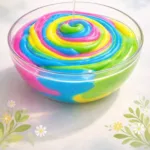
A fun and easy DIY project to make colorful bouncy balls using glue, starch, and food coloring, perfect for kids.
- Prep Time: 10 minutes
- Cook Time: 20 minutes
- Total Time: 30 minutes
- Yield: 4 balls 1x
- Category: Craft
- Method: Crafting
- Cuisine: N/A
- Diet: N/A
Ingredients
- 2 tablespoons clear or white glue
- 1 tablespoon liquid starch or 1 teaspoon borax solution
- 1–2 drops non-toxic food coloring or a tiny pinch of mica
- Fine glitter or mica powder (optional)
- Small measuring spoons
- A small mixing bowl or disposable cup
- A sturdy spoon or craft stick for stirring
- A damp towel for hands and surfaces
- A shallow tray or plate for resting finished balls
- Wax paper or parchment (optional)
Instructions
- Pour 2 tablespoons of glue into a mixing bowl.
- Add one or two drops of food coloring or a tiny pinch of mica.
- Stir gently until the color spreads and the glue feels smooth.
- If using glitter or mica, sprinkle a small amount now.
- Add 1 tablespoon of liquid starch or a teaspoon of borax solution slowly, stirring until mixture thickens.
- Knead gently until it forms a soft mass.
- Roll the mass between your palms to shape it into a ball.
- If the ball is sticky, adjust with starch or cornstarch.
- Place the ball on wax paper to rest for 10 to 20 minutes.
- Test the bounce and adjust as needed.
- Store finished balls in an airtight container or pouch.
Notes
For best results, allow the balls to rest properly and make adjustments based on texture during preparation.
Nutrition
- Serving Size: 1 ball
- Calories: N/A
- Sugar: N/A
- Sodium: N/A
- Fat: N/A
- Saturated Fat: N/A
- Unsaturated Fat: N/A
- Trans Fat: N/A
- Carbohydrates: N/A
- Fiber: N/A
- Protein: N/A
- Cholesterol: N/A