

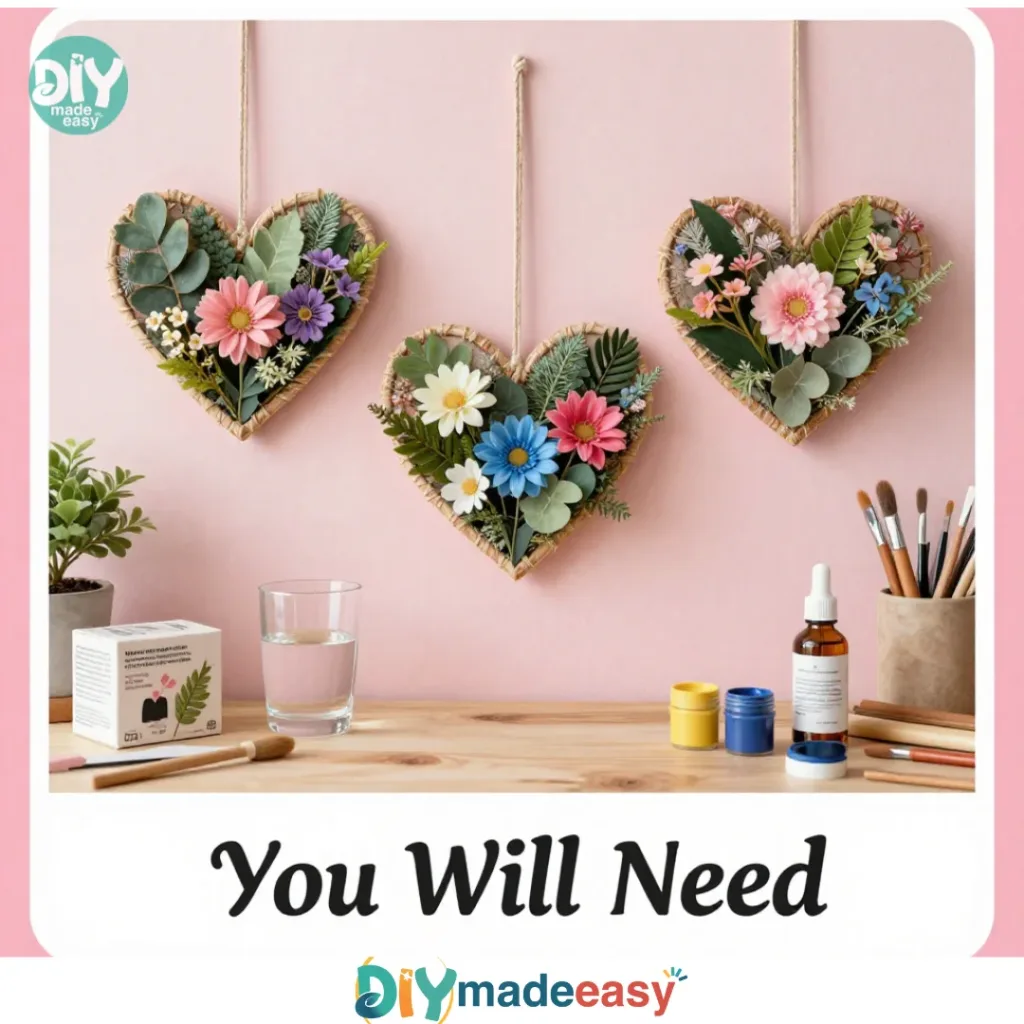
Creating art can sometimes feel like an overwhelming task, especially on busy afternoons when kids are clamoring for something fun to make. You want an activity that holds their interest, inspires creativity, and doesn’t require hours of prep or cleanup. That’s where creating eco-friendly plant art comes in. This engaging project allows you to explore vibrant colors and textures using materials found right around your home. You can turn a quiet afternoon into a wholesome and enjoyable artistic experience while teaching your kids about nature and resourcefulness.
Why This Creating Eco-friendly Plant Art Works So Well
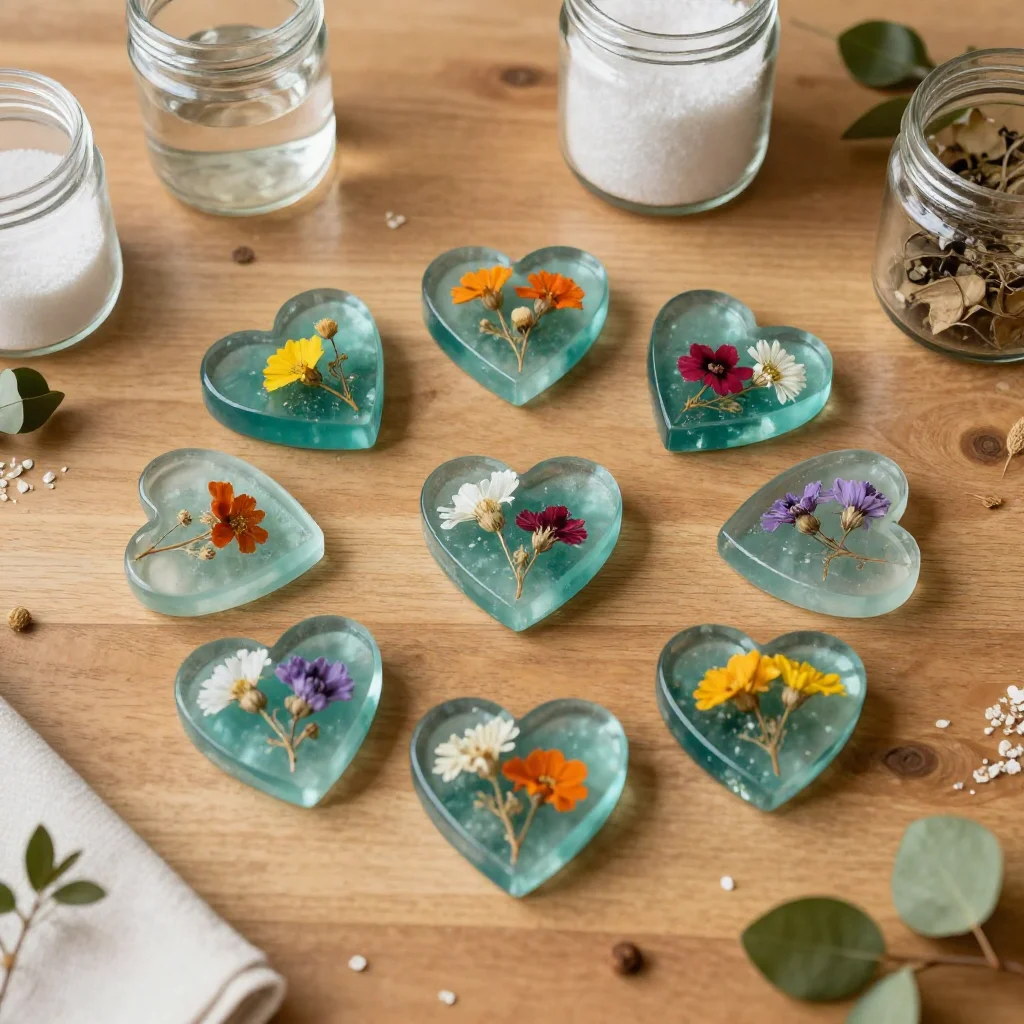
Creating eco-friendly plant art is an excellent choice for families. The project is low-prep, which means you can dive right in without the need for extensive planning or shopping. You won’t find yourself scrambling for supplies. Instead, you gather ordinary household items and let creativity take over.
The approachable nature of this activity makes it perfect for all skill levels. Whether you are an experienced artist or a beginner, the results are both satisfying and beautiful. Kids can express their imaginations, and adults can enjoy the calming process of painting.
Moreover, this project is reliable for real-life schedules. It can easily fit into a cozy Saturday afternoon or be an impromptu activity to fill in the gaps of your day. With simple materials and clear steps, creating eco-friendly plant art becomes a manageable endeavor, even for busy families.
A Quick Look Before You Begin
Creating eco-friendly plant art is designed to be straightforward, but it’s helpful to know what to expect before you start. Plan for about an hour of creative fun, allowing for a little extra time for your masterpiece to dry later.
Setup is simple. Clear a space on a table or countertop where little hands can work comfortably. You should have good light so everyone can see their work and the colors well.
Expect some mess; paints can spill or get on clothes. Cover your table with newspaper or a plastic sheet to help with cleanup. And remember the mess means fun! Adult supervision is a good idea, especially with younger children, to guide them and help manage the paints.
Explore Visual Creative Crafts
Get inspired by eye-catching projects. Browse our Visual DIY Creative Crafts and bring your creative ideas to life with simple, visual guides.
Materials You’ll Need
For this eco-friendly plant art project, gather these supplies:
- Canvas or wooden panel
- Natural acrylic paints (plant-based options)
- Brushes in various sizes (soft bristles)
- Water container (for rinsing brushes)
- Palette or mixing surface (ceramic or glass)
- Paper towels
- Optional: stencils or natural textures (like leaves for imprinting)
These materials are common household items, and you can easily find them at a local craft store or even online.
Step-by-Step Directions
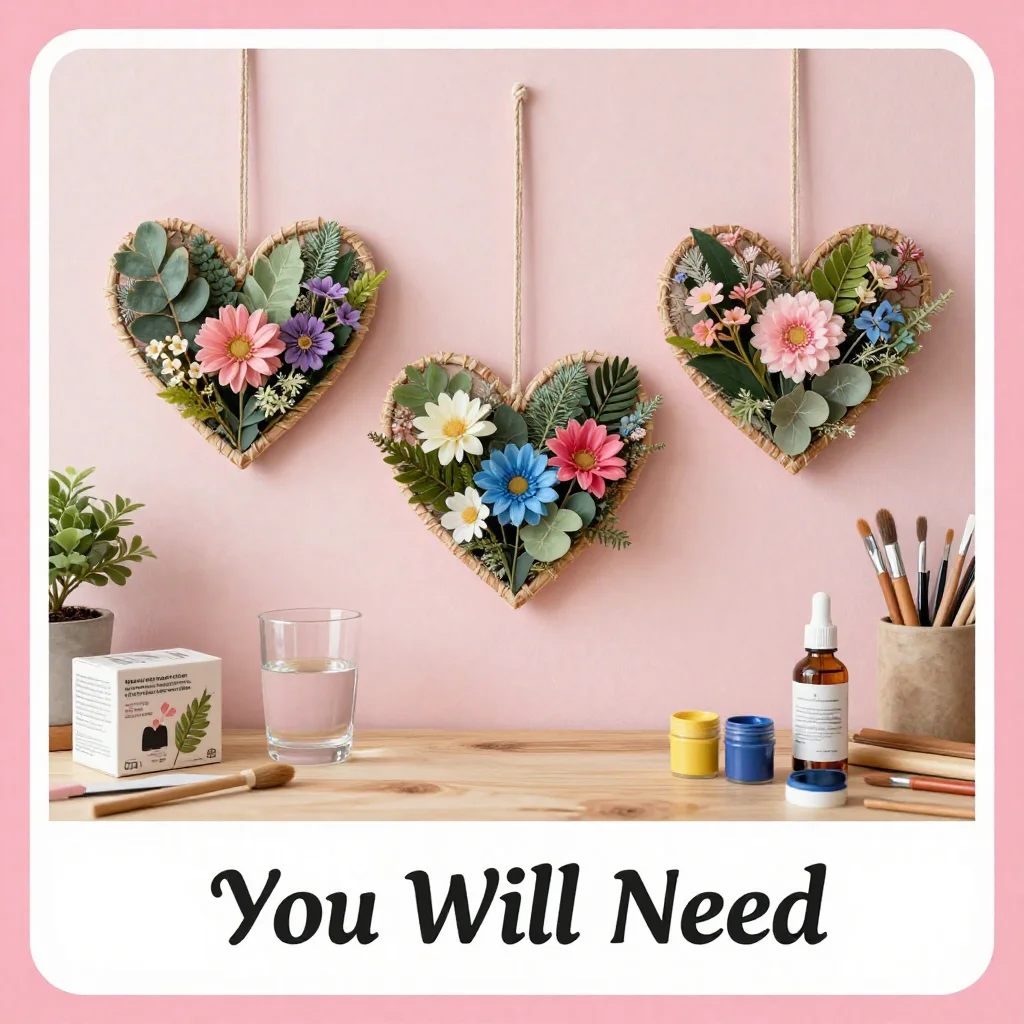
Now, let’s dive into the step-by-step process for creating your eco-friendly plant art.
- Prepare your workspace: Find a quiet spot with good light and lay out your materials. A clean, organized area helps everyone focus and enjoy the process better.
- Select your colors: Choose a palette of plant-inspired colors that resonate with you. Think about the greens of leaves, earthy browns, bright floral hues all the colors that nature offers.
- Mix your paints: Blend your colors gently using your palette. Pay attention to the texture as you create different shades.
- Sketch your design: Lightly draw your intended design on the canvas with a pencil. Take your time to map out where each color will go.
- Start painting: Dip your brush into the paint and fill in the shapes with slow, deliberate strokes. Enjoy the sensation of the brush gliding across the canvas.
- Layer the colors: Once a layer dries, add new colors and details to deepen the visual texture. Layering creates depth and vibrancy in your artwork.
- Add final touches: Step back to evaluate and fine-tune your piece. Sometimes a little extra color or detail makes all the difference.
- Let it dry: Set your artwork aside to dry completely before displaying. This is always a good time to clean up your supplies and workspace.
- Display your art: Find a cozy space to showcase your new piece. Hang it on a wall or place it on a shelf for everyone to admire.
What Kids Practice While Making This
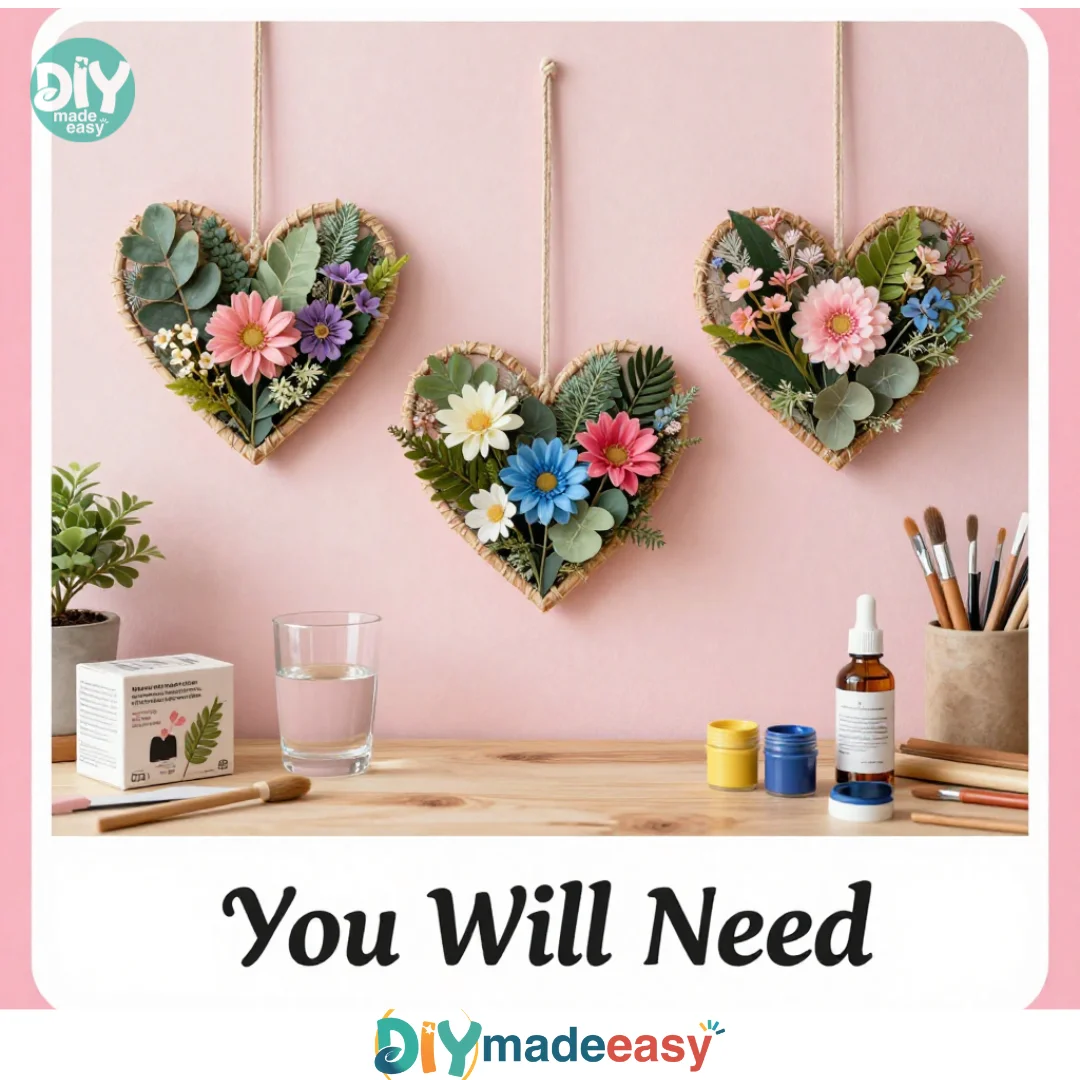
Creating eco-friendly plant art is not just about making a pretty picture. It helps kids practice valuable skills without them even realizing it.
As they mix paints, they learn about color theory, seeing how different shades interact and blend together. This introduction to basic art concepts encourages a sense of wonder and exploration. They also enhance their fine motor skills as they navigate brushes and paint, mastering control and precision with each stroke.
Moreover, the act of layering paint gives children a tangible understanding of cause and effect. They see how the drying layers build texture and depth in their artwork. This project cultivates a sense of patience, too, as they wait for layers to dry before proceeding.
Overall, these little moments stack up to create a rich learning experience.
Troubleshooting Common Issues
Creating art is all about experimentation, but sometimes things don’t go as planned. Here are common problems you might encounter, along with easy fixes.
First, if the paint looks too thin, try letting it dry completely before applying another layer. This way, your colors won’t mix unexpectedly.
If your brushes become stiff with dry paint, rinse them promptly in your water container and reshape the bristles as needed.
Sometimes colors don’t mix quite right, resulting in a shade that feels off. Don’t worry! Just keep adding tiny amounts of other colors until you achieve a shade you love.
Additionally, if kids spill paint, encourage them to embrace the mess. Give them paper towels to clean up, or use it as a creative opportunity. They can incorporate the spill into their artwork for a unique effect.
Easy Variations to Try
Want to add a twist to your eco-friendly plant art project? Here are some simple variations to spark creativity:
- Nature prints: Instead of painting freehand, use leaves or flowers to create imprints. Just apply paint to one side and press it onto the canvas.
- Acrylic pouring: Try a pouring technique if you feel adventurous! Mix paints with a pouring medium, then tilt your canvas to let the colors flow and blend naturally.
- Seasonal themes: Change your color palette and designs with the seasons. Think autumn leaves, spring blooms, or summer landscapes to reflect different times of the year.
- Collage elements: Add cut-out shapes or textures from magazines or old books to your artwork for an added layer of interest.
- Collaborative art: Set up larger canvases or wooden panels, and let multiple family members contribute to a single piece. It fosters teamwork and creates a meaningful family keepsake.
Storing or Reusing This Project
After creating your stunning piece of eco-friendly plant art, you might wonder what to do next.
To keep your artwork looking fresh, store it in a dry place away from direct sunlight. If you want to repurpose materials, consider cleaning your brushes immediately after use. Rinse them in water and reshape the bristles for future projects.
For any unused paint mixtures, feel free to cover your palette with plastic wrap to save them for later. Paint can last several days this way, allowing you to create again without starting from scratch.
Encouraging reuse nurtures creativity in kids and teaches them valuable lessons about sustainability and reducing waste.
FAQs About Creating Eco-friendly Plant Art
What about the mess?
Will it be hard to clean up? It’s normal for there to be some mess with painting. Just cover your work area with newspaper or a tablecloth to help. Clean up involves rinsing brushes and wiping spills. Encourage kids to help with cleanup, turning it into part of the activity.
What age is this project suitable for?
This project can be enjoyed by all ages, but younger kids will need supervision and assistance. Adjust the complexity of the designs based on their skills.
Can we use other types of paint?
While natural acrylic paints are ideal, you can also use other washable paints. Just check if they are easy to clean up and safe for kids.
How long does the finished art take to dry?
Typically, a piece will take a few hours to dry, but it’s best to leave it overnight if you layered colors.
What if I don’t have a palette?
A plate or a piece of cardboard can work as a makeshift palette. Just avoid using anything that can’t be easily cleaned later.
Conclusion
Creating eco-friendly plant art is a fantastic way to encourage creativity in your family and embrace the beauty of nature. By gathering simple materials and enjoying the easy-to-follow steps, you’ll craft something truly unique together. Remember, the process is just as important as the outcome, so take your time and enjoy the experience.
If you want to explore more eco-friendly projects, check out the insights on eco-friendly art making or learn about innovative techniques with eco-friendly techniques for conscious creators. These resources can provide even more inspiration for your next creative adventure!
PrintCreating Eco-friendly Plant Art

An engaging eco-friendly art project that uses household materials to explore creativity and nature with kids.
- Prep Time: 15 minutes
- Cook Time: 0 minutes
- Total Time: 60 minutes
- Yield: 1 art project
- Category: Arts & Crafts
- Method: Art
- Cuisine: N/A
- Diet: N/A
Ingredients
- Canvas or wooden panel
- Natural acrylic paints (plant-based options)
- Brushes in various sizes (soft bristles)
- Water container (for rinsing brushes)
- Palette or mixing surface (ceramic or glass)
- Paper towels
- Optional: stencils or natural textures (like leaves for imprinting)
Instructions
- Prepare your workspace: Find a quiet spot with good light and lay out your materials.
- Select your colors: Choose a palette of plant-inspired colors that resonate with you.
- Mix your paints: Blend your colors gently using your palette.
- Sketch your design: Lightly draw your intended design on the canvas with a pencil.
- Start painting: Dip your brush into the paint and fill in the shapes with slow strokes.
- Layer the colors: Once a layer dries, add new colors and details to deepen texture.
- Add final touches: Step back to evaluate and fine-tune your piece.
- Let it dry: Set your artwork aside to dry completely before displaying.
- Display your art: Find a cozy space to showcase your new piece.
Notes
Adult supervision is recommended for younger children. Embrace the mess and encourage creativity.
Nutrition
- Serving Size: 1 project
- Calories: 0
- Sugar: 0g
- Sodium: 0mg
- Fat: 0g
- Saturated Fat: 0g
- Unsaturated Fat: 0g
- Trans Fat: 0g
- Carbohydrates: 0g
- Fiber: 0g
- Protein: 0g
- Cholesterol: 0mg