
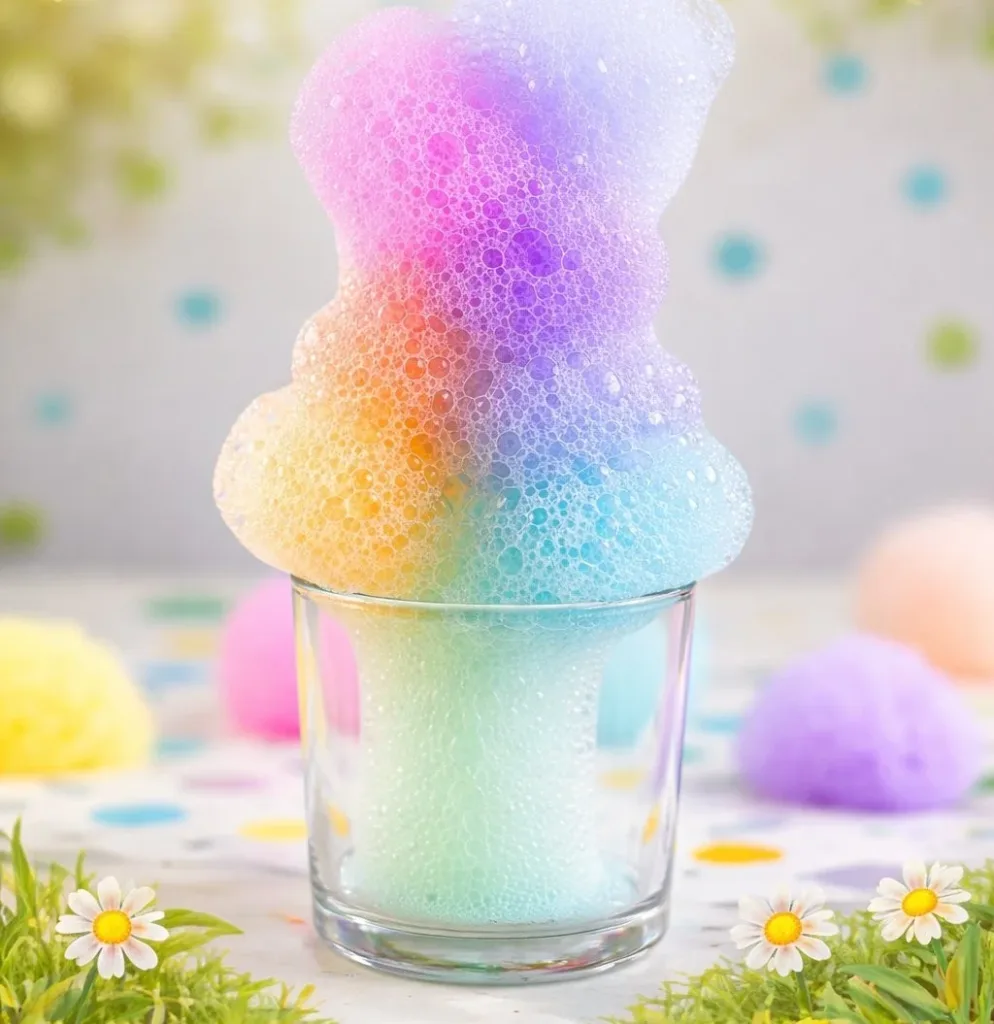
A busy afternoon. The kids burst through the door with the kind of energy that needs a quick win. You want something fast, messy enough to be fun, and simple enough to set up between snacks and homework. That is exactly when the Color Burst Foam Eruption Science Experiment works best. It uses things you already have in the kitchen and gives clear, colorful results that feel like magic without a lot of fuss. If you like other easy, hands-on kitchen projects, try a similar idea like the balloon baking soda experiment for more fizz-based fun the whole family enjoys.
Why This Color Burst Foam Eruption Science Experiment Works So Well

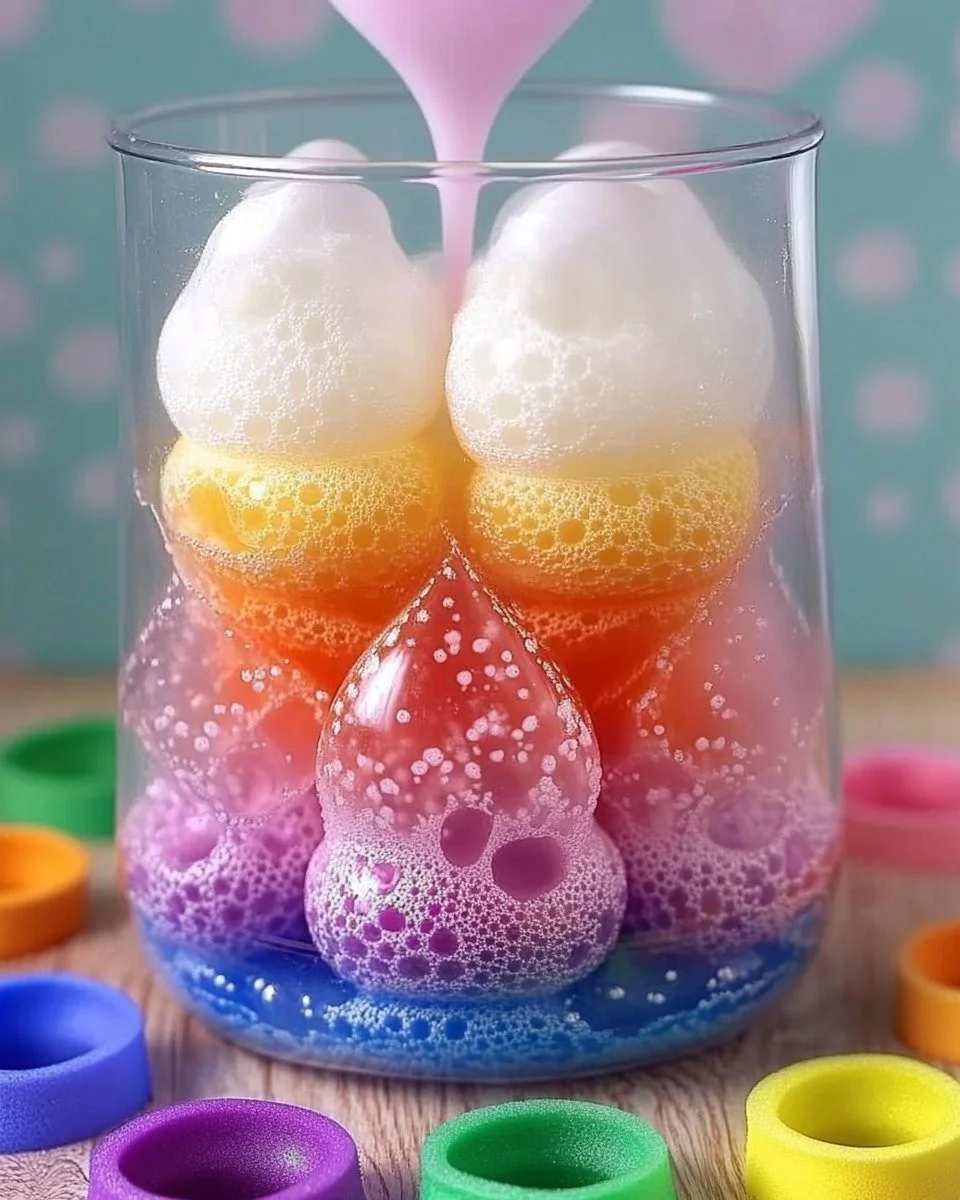
This activity feels low-prep because you use one measuring cup of baking soda and one measuring cup of vinegar. The two ingredients react reliably, so you get results without a lot of trial and error. You do not need special tools or long setup time. A shallow tray, a tablespoon of dish soap, and a few droppers are enough.
The project fits real-life schedules. It takes minutes to set up, and the active fizz lasts long enough to keep attention but not so long that it becomes a chore. You can run it on a rainy afternoon, after nap time, or as a fast science break between activities. The mixture gives visible foam that rises and spreads color in a way that feels satisfying to kids and adults.
The experiment also stays approachable. You can control how dramatic the reaction looks by pouring the vinegar slowly or in a steady stream. That control helps you turn a surprising mess into a predictable, calming experience. If you enjoy short, playful science moments, this joins a family of easy projects in our kitchen science experiments that work well in small spaces and on tight schedules.
A Quick Look Before You Begin
Time wise, plan for a ten to twenty minute active session. Setup takes five minutes. The eruption itself happens fast but you will spend a few minutes watching, adding color, and nudging foam. Give yourself an extra five minutes for cleanup. The whole thing suits short attention spans.
Setup needs a flat table, a towel underneath, and a clear tray. The mess level ranges from light to medium. The tray contains most of the foam and colored liquid, and the towel catches small spills. Expect some splatter on hands and clothes if kids get excited. Keep paper towels handy.
Adult involvement depends on age. Toddlers need close supervision to avoid tasting materials. Older kids can run the droppers and pour the vinegar with guidance. You can step back and let them lead while you watch nearby. This activity gives a good balance of independence and safe supervision.
Materials You’ll Need
1 cup baking soda
common household item, easy to scoop
1 cup white vinegar
common household item, the active acid in the reaction
1 tablespoon Dawn or gentle dish soap
adds foam and texture, gentle on hands
Food coloring or liquid watercolors (optional)
optional; choose washable food colors
Shallow tray or baking dish
keeps the mess contained
Small cups or droppers
for adding color and pouring
Measuring spoons and cup
accurate amounts keep results consistent
Spoon or small whisk
to smooth the baking soda and mix the soap
Towels or paper towels
for under the tray and quick cleanups
A short note about supplies: you do not need fancy droppers. Small plastic condiment cups or even an old medicine dropper work fine. If you want seasonal color ideas, try one of our themed projects for easy color play like the valentine science experiments for inspiration.
STEP-BY-STEP DIRECTIONS
- Arrange your tray and materials on a table with a towel underneath.
Place the shallow tray on the towel and put your cups, droppers, and measuring tools nearby.
This keeps everything within reach and protects the table. - Spoon baking soda into the shallow tray in an even layer and smooth it out.
Aim for a flat, even layer so the color pools sit on top and the reaction spreads outward.
You should see a soft white surface that looks like a light dusting. - Mix dish soap into the vinegar in a small measuring cup, stirring slowly.
One tablespoon of dish soap goes into the one cup of vinegar; stir gently to avoid splashes.
The soap makes the bubbles foam richer and hold color longer. - Use droppers to place small pools of food coloring on the baking soda, spacing them apart.
Drop a few small pools across the tray, leaving room between them so colors can spread.
Use bright colors for the best visual contrast against the baking soda. - Pour the soap-vinegar mixture slowly over the colored baking soda.
Pour in a steady stream to control the foam rise and let colors bleed outward.
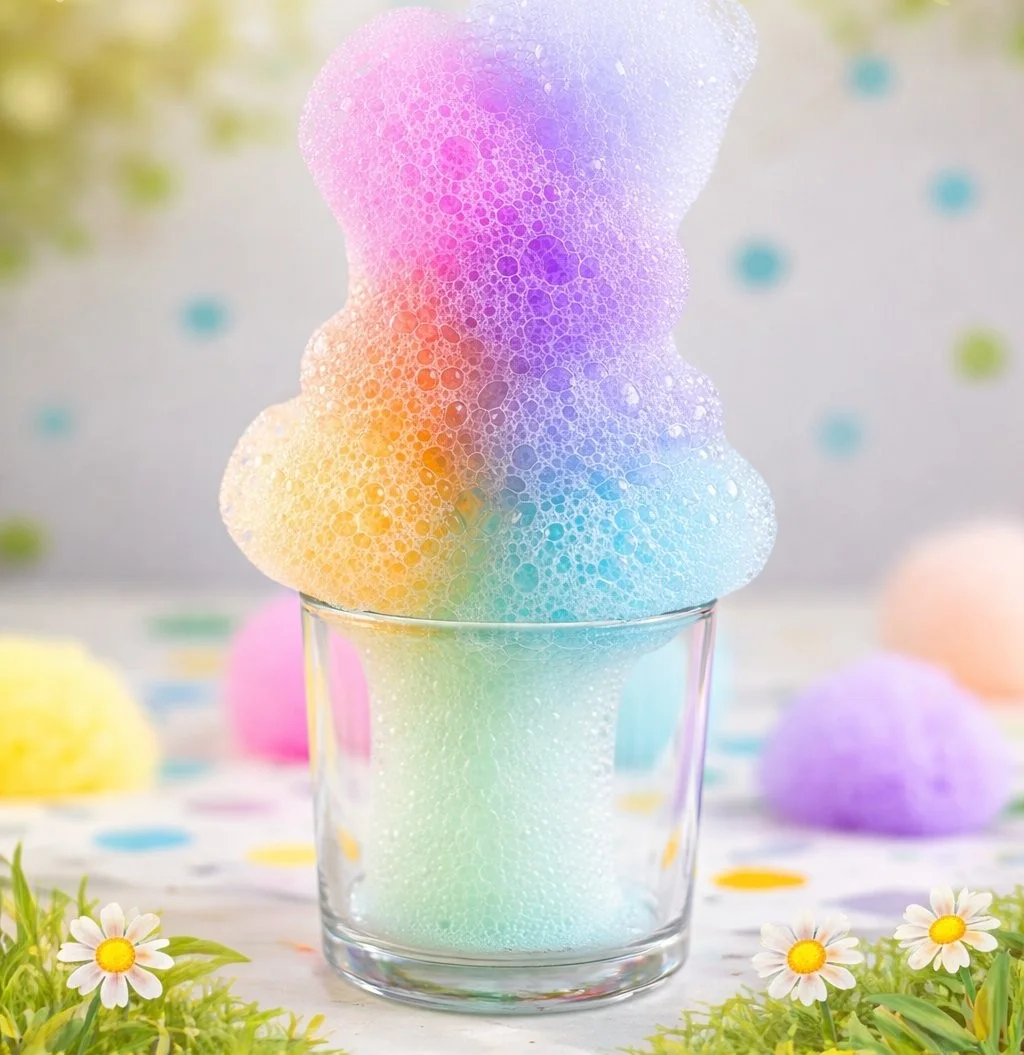
Pouring too fast makes a big splash; slow pouring gives smoother foam flow. - Step back and watch the foam rise and colors flow outward.
The reaction will fizz and foam up, pushing the colors across the tray.
Enjoy the rising foam and the way the colors drift and mix. - Drip more color into active foam if desired.
If you want deeper hues, drop more color into the moving foam while it is active.
The wet foam accepts drops and sends ripples of pigment through the eruption. - Nudge foam gently if it piles unevenly.
Use a spoon to push foam along if one side bulks up more than another.
A light nudge helps shapes and colors flow without breaking the foam too much. - Scoop a little foam to feel its texture once the fizz quiets.
After the main fizz slows, try scooping a small amount to show kids the foamy texture.
It feels airy and soft, and kids often like the tactile end to the sensory moment. - Clean up mindfully, pouring leftover liquid down the sink and rinsing tools.
Gather paper towels, rinse droppers and cups, and wipe the tray clean.
The leftover foam rinses easily with water and does not leave stubborn stains if you use washable food color.
The Learning Behind This DIY
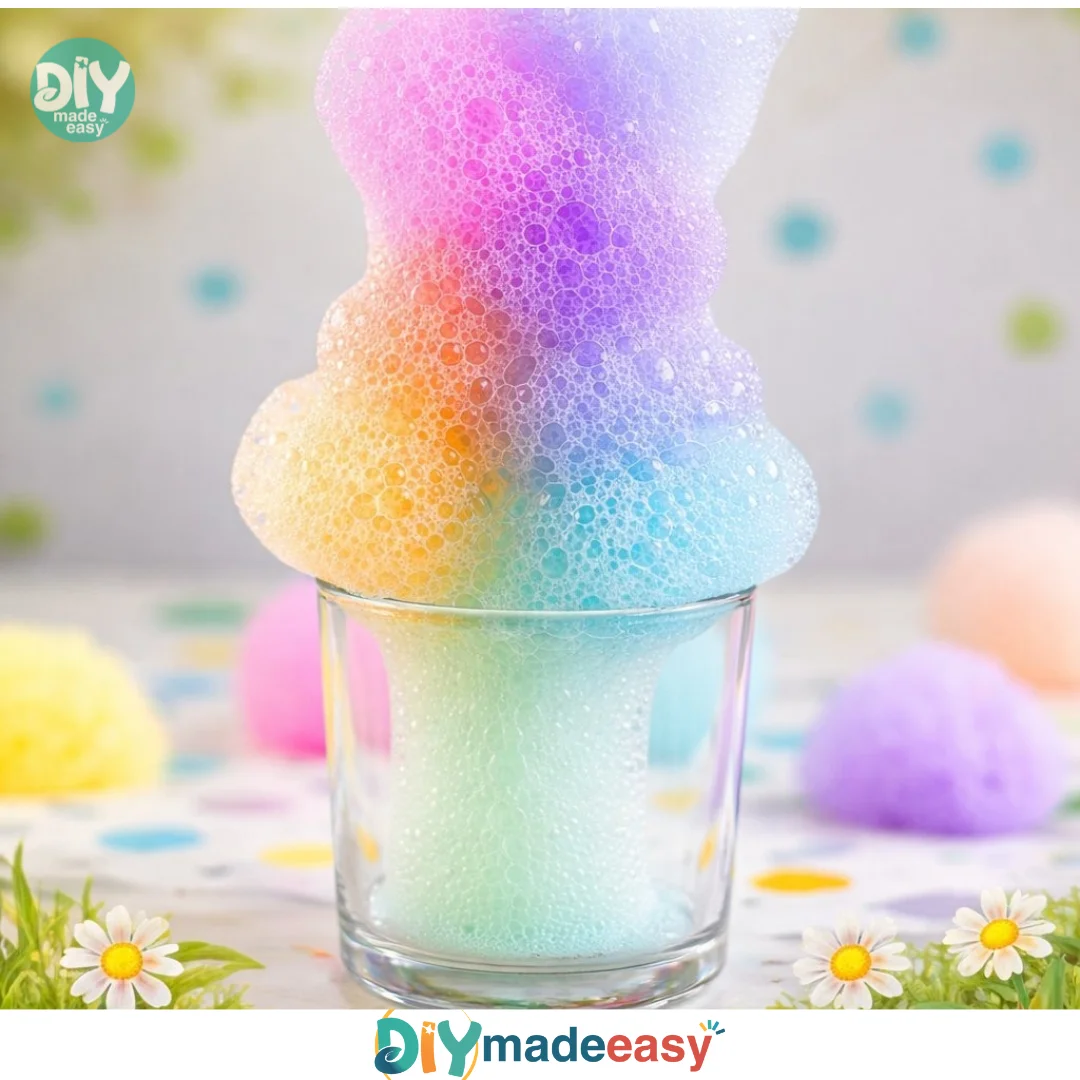
Kids practice cause and effect every time you pour vinegar onto baking soda. They see a dry powder turn into bubbling foam when it meets liquid acid. The dish soap changes the reaction by trapping gas in bubbles, so the outcome looks different from simple fizz. Keep the explanation simple: vinegar meets baking soda, gas forms, soap catches the gas as bubbles.
Fine motor skills improve when kids use droppers to place color. Squeezing small droppers requires hand strength and control. Spoon work and smoothing the baking soda build wrist coordination. These small motions stack up into useful practice for writing, craft work, and other hands-on tasks.
The project also helps observational skills. Children learn to watch how different pouring speeds change the foam. They notice how colors spread and mix. You can ask gentle questions like, What happens when you add more color? or Which color moves faster? That keeps curiosity alive without pressure.
Troubleshooting Common Issues
If the foam looks weak or slow, you probably poured the vinegar too slowly or used cold vinegar. Pour a little more vinegar in one spot to get a stronger reaction. Warmer vinegar reacts a touch faster, but do not heat anything room temperature works fine.
If the foam piles up in one place, the tray might sit slightly tilted or you poured unevenly. Level the tray and gently nudge the foam with a spoon to redistribute it. Sometimes a single big pool of color draws most of the reaction; add a small pour of vinegar to quieter spots to bring them to life.
If colors look muddy when they mix, try keeping the color pools a bit farther apart next time. Use fewer drops to start and add more later. Lighter colors like yellow can fade when mixed with darker shades, so plan color placement if you want distinct bands.
If kids want to taste or touch ingredients, remind them vinegar and baking soda are safe in small amounts but not tasty. Keep close supervision with young children and explain that this is a look and feel project, not for eating. Use gentle dish soap and rinse hands after the activity.
Easy Variations to Try
Try a staged pour. Pour a little vinegar at first to create a gentle fizz, then add a larger pour for a dramatic second wave. This teaches timing and builds anticipation.
Use different color patterns. Place colors in concentric circles, stripes, or a random scatter. Watch how patterns change as foam moves. Older kids can plan a color map and try to predict where each color will go.
Turn it into a counting game. Place numbered color drops and ask kids to count to three before you pour. This adds a simple math moment and slows things down for younger children.
Make it seasonal. Choose warm oranges and browns for autumn or pastels for spring. You can link colors to seasonal topics and talk about leaves or flowers while you watch the foam.
Combine with art. After the foam quiets, let the tray sit until it dries. The colored residue can form interesting patterns. Press paper gently to lift a faint print for a simple, abstract keepsake.
Storing or Reusing This Project
You can save unused baking soda in a sealed container for future experiments. Keep it dry and away from moisture. The baking soda you already used will not taste good or behave the same after it mixes with vinegar, so do not try to store the used mixture.
Leftover vinegar with dish soap can go down the sink with running water. Rinse droppers and cups right away to avoid colored staining. Place wet paper towels in a small trash bag and dispose of them in your regular trash.
If you want to repeat the experiment the same day, wipe the tray and add a fresh layer of baking soda. You will need fresh vinegar and soap mix to get the same fizz. Plan for small batches if you want repeated runs without a big cleanup.
When possible, reuse tools such as droppers and measuring cups. Label a small container for science tools so kids know which items they can use for experiments. This reduces waste and keeps supplies ready for the next busy afternoon.
FAQs About Color Burst Foam Eruption Science Experiment
Will this make a big mess on my table?
I worry about colored stains.
A little mess is part of the fun but you can keep it in check. Lay a towel under the tray and use washable food coloring. Most of the color stays in the tray and rinses off with soap and water. If something splashes, blot quickly with a damp cloth. The dish soap and vinegar rinse clean, so stains rarely remain on hard surfaces. If you use liquid watercolors on fabric, act fast and rinse with cold water.
Is this safe for my preschooler to do alone?
Young children need close supervision with this one. The ingredients are common household items and are not highly dangerous, but vinegar tastes sour and baking soda is not food in this context. Help them with pouring and handle the vinegar mixing yourself. Toddlers can do the coloring and scooping with your hands nearby. For older preschoolers, give them a dropper and watch from a short distance.
Can I swap any ingredients if I do not have dish soap or food coloring?
You should keep the core ingredients to get the expected result. The baking soda and vinegar create the reaction, and the dish soap improves foam texture. If you do not have dish soap, the reaction will still fizz but will create fewer long-lasting bubbles. For color, regular food coloring works well. Liquid watercolors also work but test a small drop first if you worry about staining.
What if the foam does not look like the pictures?
Results vary based on how you pour and how wet the baking soda is. If the baking soda is clumpy, break it up and smooth the surface. If the vinegar pours too slowly, the foam stays low. Try a slightly faster pour or add one extra tablespoon of vinegar for a stronger burst. Expect some variation; the experiment shows small differences each time and that is part of the learning.
How long can I keep the tools and reuse supplies?
You can clean and reuse droppers, cups, and the tray right away. Rinse them under running water and wash with soap if needed. Store unused baking soda and vinegar as usual in kitchen containers. The used baking soda mixture should go in the trash if you do not need it anymore.
A Final Helpful Note
You do not need perfection to enjoy this. Keep expectations simple: a short setup, a bright moment of fizz, and a quick, mindful cleanup. Let kids help where they can and take the lead where they cannot. If a color runs more than you expect, treat it as a new effect and watch how patterns change. The small unpredictable parts make the activity lively and teach adaptability.
If you try this often, you learn tiny tricks like pouring speed, spacing of color drops, and how to nudge foam for a better spread. Those tips come from doing it a few times, so give yourself and your kids permission to experiment and laugh over the unexpected results.
Conclusion
If you want a playful twist for bath time or a colorful treat for sensory play, consider extras that match the mood. For a fun gift-style idea or bath-themed follow up, the Kids Bath Bombs Powder with Mini Unicorn Inside brings similar sensory delight in a different format and pairs well with foamy experiments.
For more background and ideas about volcano and eruptive-style experiments, read the helpful overview in The Ultimate Guide to Volcano Experiments for Kids (2026), which gives good context for the same chemical reactions at work and offers safe variations to try later.
PrintColor Burst Foam Eruption Science Experiment
A fun and engaging science experiment using baking soda and vinegar to create colorful foam eruptions that kids will love.
- Prep Time: 5 minutes
- Cook Time: 10 minutes
- Total Time: 15 minutes
- Yield: 2 servings 1x
- Category: Activity
- Method: Hands-on
- Cuisine: Science Experiment
- Diet: N/A
Ingredients
- 1 cup baking soda
- 1 cup white vinegar
- 1 tablespoon Dawn or gentle dish soap
- Food coloring or liquid watercolors (optional)
- Shallow tray or baking dish
- Small cups or droppers
- Measuring spoons and cup
- Spoon or small whisk
- Towels or paper towels
Instructions
- Arrange your tray and materials on a table with a towel underneath.
- Place the shallow tray on the towel and put your cups, droppers, and measuring tools nearby.
- Spoon baking soda into the shallow tray in an even layer and smooth it out.
- Mix dish soap into the vinegar in a small measuring cup, stirring slowly.
- Use droppers to place small pools of food coloring on the baking soda.
- Pour the soap-vinegar mixture slowly over the colored baking soda.
- Step back and watch the foam rise and colors flow outward.
- Drip more color into active foam if desired.
- Nudge foam gently if it piles unevenly.
- Scoop a little foam to feel its texture once the fizz quiets.
- Clean up mindfully, pouring leftover liquid down the sink and rinsing tools.
Notes
Supervise young children closely as vinegar tastes sour and baking soda is not food in this context. Use washable food coloring to prevent stains.
Nutrition
- Serving Size: 1 serving
- Calories: N/A
- Sugar: N/A
- Sodium: N/A
- Fat: N/A
- Saturated Fat: N/A
- Unsaturated Fat: N/A
- Trans Fat: N/A
- Carbohydrates: N/A
- Fiber: N/A
- Protein: N/A
- Cholesterol: N/A