

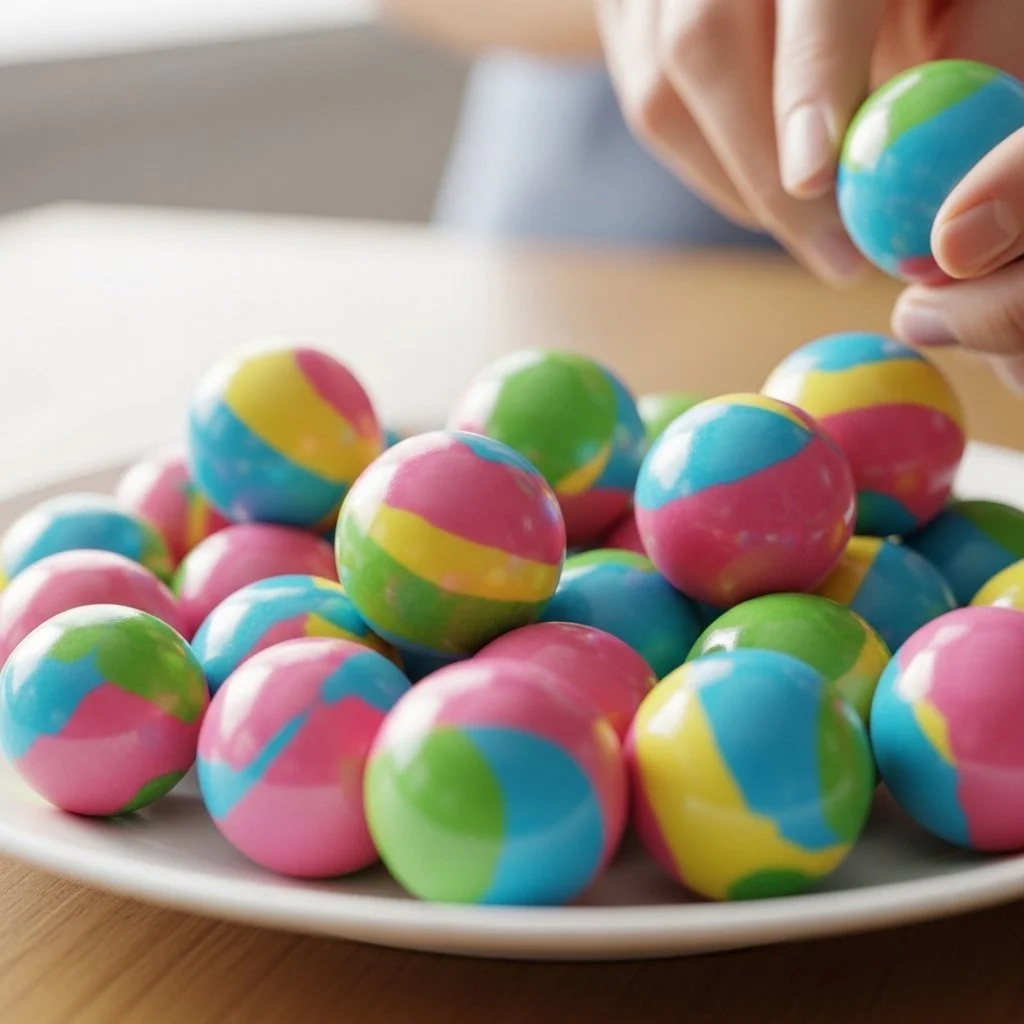
A rainy afternoon had the kids at the kitchen table saying they wanted to make something now, right this minute. I cleared a small corner, set out a couple of bowls and a towel, and we made Calm Bouncy Balls together. The recipe uses simple items from around the house and gives a calm, hands-on project that finishes in less than an hour. If you want a quick win that leaves everyone smiling, try our Magical Bouncy Balls guide for another playful take on bouncy projects.
Why This Calm Bouncy Balls Works So Well
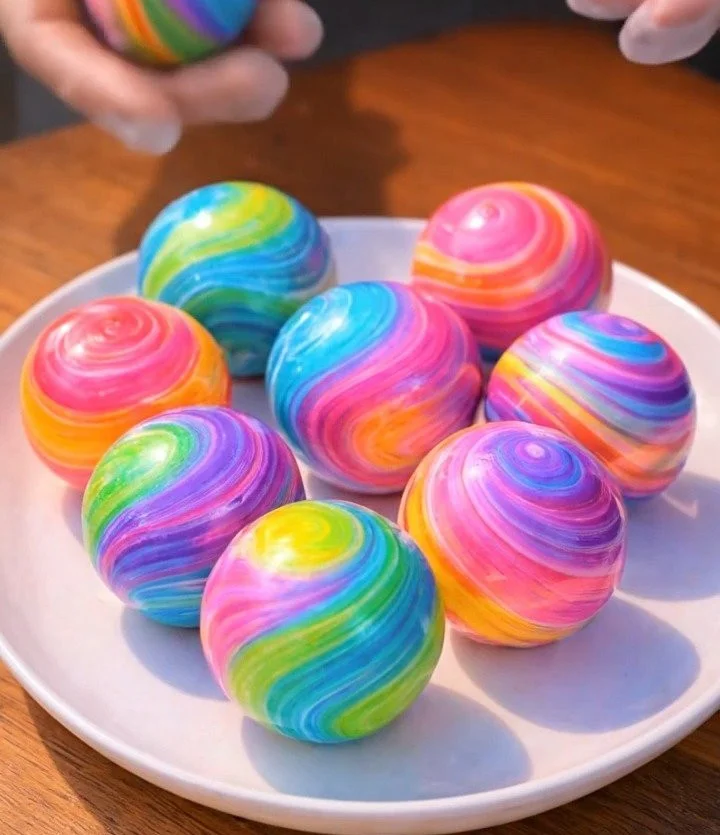
This project stays low-prep because the ingredients live in most pantries or craft drawers. Glue, cornstarch, a little borax and warm water add up to a tactile, satisfying result without long waits. You can set it up on a small towel and still get real results without a big mess.
It feels approachable for kids because the steps are simple and visible. Each change has a clear cue: the glue softens, the mixture clumps, the dough feels sticky then firm. Those cues let you guide without taking over. If you need a calm activity that fits an afternoon, this one plays well with busy schedules and short attention spans.
The method proves reliable because it uses a gentle recipe balance. The borax crosslinks the PVA glue to create elasticity. Cornstarch adds body and reduces tack. Together they make a ball that bounces and holds together without much fuss. You will see why as the mixture shifts textures under your hands.
A Quick Look Before You Begin
This project takes about 20 to 45 minutes from start to finish, depending on how long you knead and let the ball rest. You will have a little cleanup: a dish for mixing, a spoon, and a small container for storage. Nothing intensive, but plan a towel or silicone mat under your work to catch spills.
Adult help works best for the borax step and for very small children who like to taste everything. Older kids can do most steps alone with a quick safety chat. The mess level stays low if you measure in small bowls and keep cornstarch in a small cup to dust with.
If you want to explore variations or deeper instructions later, you can check our Magical Bouncy Balls guide for more ideas and tweaks. The pace here stays gentle and clear, so you can relax while you make.
Materials You’ll Need
1/4 cup White PVA glue
1/2 teaspoon Borax powder
Warm water (two small bowls for mixing)
2 to 3 tablespoons Cornstarch
Food coloring or mica powder (optional for color and shimmer)
Each item uses common home supplies where possible.
White PVA glue is the usual school glue.
Borax comes as a powder in the laundry aisle.
Warm water helps dissolve borax and soften the glue.
Cornstarch thickens and reduces stickiness.
Food coloring or mica gives color or sparkle and stays optional.
If you want a quick refresher on the basics before starting, visit our Magical Bouncy Balls guide for a companion page with photos. That page can help if you like more visual cues while you work.
STEP-BY-STEP DIRECTIONS
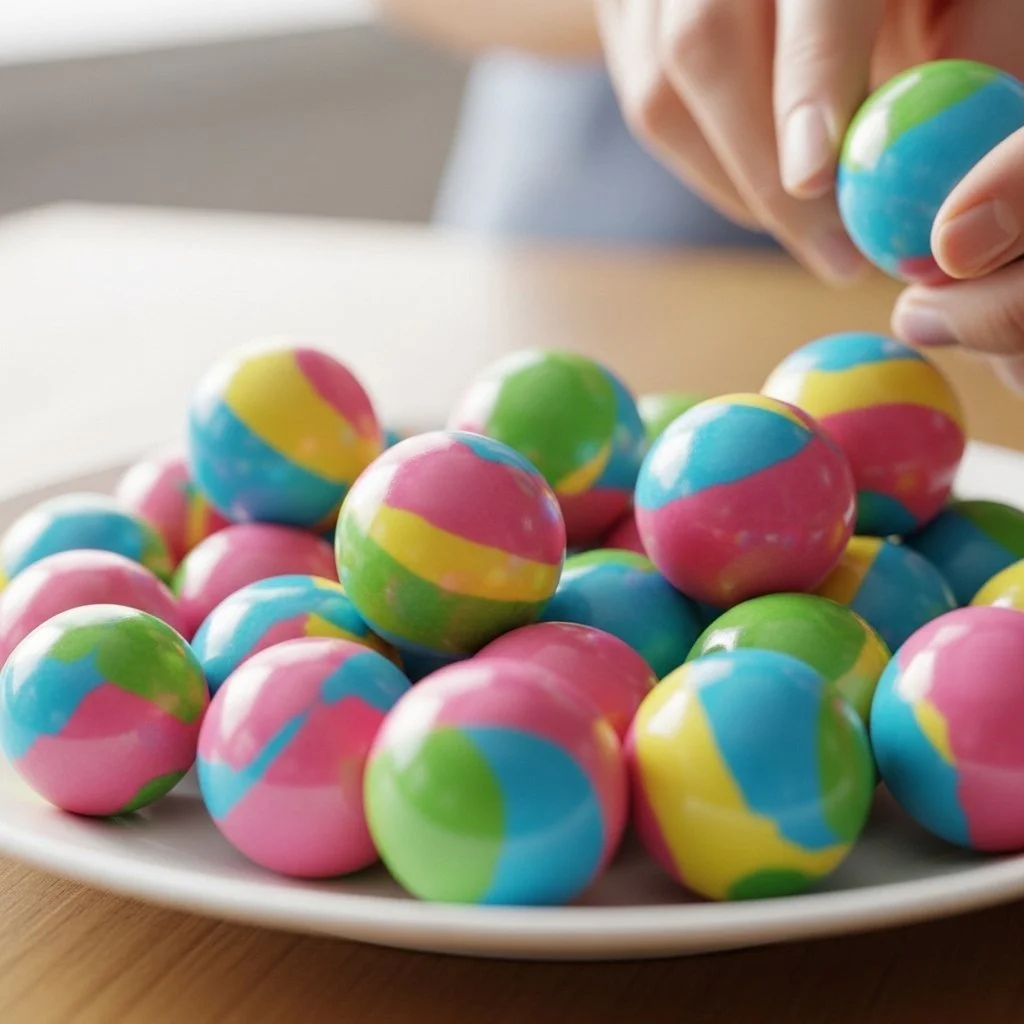
- Mix the borax solution by stirring 1/2 teaspoon of borax into 1/4 cup of warm water until dissolved. Set aside.
Stir until the powder looks gone and the water clears a little.
If a few tiny specks remain, let it sit for a minute and stir again. - Pour the glue into a mixing bowl, add a splash of warm water and a few drops of color if desired, and stir until the texture softens.
The glue will loosen and feel silkier as you mix.
This step makes it easier to fold in cornstarch later. - Add 2 tablespoons of cornstarch into the glue and fold gently until thickened.
Use a spatula to fold so you keep the mix airy at first.
The mixture should look matte and start to hold shape. - Slowly add the borax solution drop by drop while stirring until it begins to clump.
Take your time and watch the mix change where the drops hit.
When it clumps, stop adding for a moment and stir to combine. - Knead the mixture in your hands until it becomes elastic and bouncy.
Work it like play dough, folding from the outside in.
You will feel it go from sticky to smooth as the borax links the glue molecules. - Roll the ball between your palms to shape it, ensuring a smooth surface.
Push and roll gently to warm the ball and smooth out seams.
If the surface shows cracks, keep kneading a little more. - Dust with cornstarch if sticky and let it rest for 15 to 30 minutes. Test the bounce by dropping it from a low height.
A short rest helps the glue and corn starch settle and firm up.
Drop it from about waist height or a chair to see the bounce. - If crumbling occurs, add a drop of borax solution and knead; if sticky, dust with more cornstarch and knead again.
Small adjustments fix most problems quickly.
Add only a drop at a time so you do not overdo the borax. - Store the finished ball in an airtight container.
Keep it out of direct sun and away from very hot places.
Check it after a day; if it gets tough, knead with a tiny bit of water to soften.
The Simple Science or Skills at Work
Making Calm Bouncy Balls mixes craft with a little kitchen science in a friendly way. The glue contains long, flexible molecules that slide past each other when loose. Borax acts as a gentle connector that links those molecules into a network. That network gives the ball elasticity so it bounces.
Cornstarch fills gaps and adds bulk. It helps prevent the surface from feeling tacky and makes shaping easier. Warm water speeds up the mixing and helps dissolve the borax so it does not clump in the finished ball.
Beyond the science, this project supports real skills. Kids practice measuring, careful pouring, and gentle stirring. Kneading and rolling build hand strength and coordination. Watching cause and effect teaches patience and experiment, since small tweaks change the feel and bounce.
If your child likes to experiment, encourage them to note what happens when you change just one thing. They will learn how small amounts of ingredient and different actions affect the outcome. For another step-by-step reference, our Magical Bouncy Balls guide gives helpful photos that match these cues.
Troubleshooting Common Issues
If your ball feels too sticky, it probably needs more cornstarch on the surface or a little more kneading. Dust a bit of cornstarch on your hands and press it into the ball until the tackiness reduces. Avoid adding lots of cornstarch into the center at once. It can make the ball crumbly.
If the ball crumbles or flakes apart, you likely need a tiny bit more borax solution. Add a single drop, knead thoroughly, and pause to check the texture. It takes very little borax to bring more elasticity. Too much borax makes the ball stiff, so add slowly.
If the ball stays limp or does not bounce, you may not have stirred enough borax into the glue earlier. Return to step 4, add a few more drops as you stir, and knead. If the glue started old or thicker than usual, a little more borax and a bit longer kneading often helps.
If bits of borax settle in the bowl, they can make rough spots in the ball. Use warm water and stir the borax until it fully dissolves before adding. If you see specks after adding, remove them with a spoon rather than mixing them in.
Easy Variations to Try
Add mica powder or a few drops of food coloring to the glue in step 2 to give a pearl or color. Try two colors at once for a marbled look by rolling small amounts together.
Press in tiny sequins or glitter after shaping for a slow sparkle effect. Use just a few to avoid roughness on the surface.
Make a small fleet of mini balls by dividing the glue into portions before adding borax. Kids like testing which ball bounces higher.
Try a thin layer of cooking oil on your hands when rolling for a super smooth finish. Wipe the excess oil off with a paper towel before storing.
These ideas keep the process playful. Offer them as options and let kids choose one variation to keep things simple.
Storing or Reusing This Project
Store Calm Bouncy Balls in a small airtight container or a zip-top bag. Press out excess air before sealing. Keep the container in a cool, dry place away from pets.
If a ball dries out in storage, knead it with a drop of warm water to restore some softness. If it gets very hard, try a few minutes in your hands to warm it, then add a drop or two of water and fold it in.
When you finish for the day, rinse your bowls and spoon with warm water and a little dish soap. Cornstarch can leave a powdery film, so give them a quick scrub. Clean-up takes only a few minutes and keeps the area ready for the next quick project.
FAQs About Calm Bouncy Balls
Can little kids help without swallowing anything?
I worry about borax. You can absolutely include little hands, but supervise the borax step closely. Let an adult mix and dissolve the borax in warm water, then hand the solution to older kids for adding a drop at a time. Remind children not to put the materials near the mouth and wash hands after kneading. If you prefer to avoid borax with very young children, you might choose a different sensory recipe. I have used this method safely, but I treat borax as an adult-handled ingredient every time.
How messy will this get on the kitchen table and clothes?
Expect light dusting from cornstarch and a few glue streaks if kids are very eager. Work on a towel or silicone mat and wear old shirts or aprons. I keep a damp cloth nearby and wipe glue spots quickly. Most spills wash out easily with warm water and soap if you act fast.
Can I swap borax or cornstarch for something else?
Borax and cornstarch give a predictably good texture here. Small swaps change the feel and the steps, so I do not recommend random replacements on the first try. If you need alternatives for safety reasons, look up borax-free recipes separately, but know that results will differ. If you want to see another approach that I tested, check the photos in our Magical Bouncy Balls guide to compare textures and outcomes.
How long will the ball bounce and last?
A well-made ball lasts for days or weeks with proper storage. It will not stay perfect forever. Over time it can get tacky or harden slightly. If it loses bounce, a quick knead with a drop of water or a little borax solution can bring it back. Store it in an airtight container to extend life.
What if my ball crumbles or is too stiff after making it?
Small fixes work well. If it crumbles, add a single drop of borax solution and knead until elastic. If it gets stiff, knead with a drop of warm water to soften, then dust with cornstarch if it becomes sticky. I have fixed many crumbly batches this way with success.
A Final Helpful Note
Take your time with the borax drops. That small pause changes everything from sticky clumps to a smooth, bouncy ball. Watch the cues the mixture gives you and respond with tiny adjustments. Celebrate the small wins, the smooth round shape, and the first little bounce.
If the kids get restless while the ball rests, hand them a tiny task like cleaning the spoon or lining up a few small toys for a bounce test. These small rituals keep the activity calm and keep everyone engaged without rushing the science.
When you try it the first time, expect a learning curve. Keep the mood playful and use the troubleshooting tips rather than starting over. You will likely get a good ball on the first try and better ones after a few batches. Trust the process and enjoy the moment.
Conclusion
If you want a classroom tool to help manage noise during active times, see how Manage classroom noise with bouncing balls offers ideas that pair well with hands-on projects like these Calm Bouncy Balls. For families looking to buy ready-made options with light-up or sensory features, consider checking Sensory Light Up Bouncy Balls to compare store-bought alternatives and inspire new versions at home.
PrintCalm Bouncy Balls
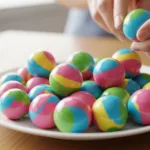
A hands-on project to make bouncy balls using simple household ingredients, perfect for a fun afternoon activity with kids.
- Prep Time: 20 minutes
- Cook Time: 25 minutes
- Total Time: 45 minutes
- Yield: 1 ball 1x
- Category: Craft
- Method: Mixing
- Cuisine: N/A
- Diet: N/A
Ingredients
- 1/4 cup White PVA glue
- 1/2 teaspoon Borax powder
- Warm water (two small bowls for mixing)
- 2 to 3 tablespoons Cornstarch
- Food coloring or mica powder (optional for color and shimmer)
Instructions
- Mix the borax solution by stirring 1/2 teaspoon of borax into 1/4 cup of warm water until dissolved. Set aside.
- Pour the glue into a mixing bowl, add a splash of warm water and a few drops of color if desired, and stir until the texture softens.
- Add 2 tablespoons of cornstarch into the glue and fold gently until thickened.
- Slowly add the borax solution drop by drop while stirring until it begins to clump.
- Knead the mixture in your hands until it becomes elastic and bouncy.
- Roll the ball between your palms to shape it, ensuring a smooth surface.
- Dust with cornstarch if sticky and let it rest for 15 to 30 minutes.
- If crumbling occurs, add a drop of borax solution and knead; if sticky, dust with more cornstarch and knead again.
- Store the finished ball in an airtight container away from direct sun and heat.
Notes
Adult supervision is recommended for the borax step, especially for small children.
Nutrition
- Serving Size: 1 ball
- Calories: 50
- Sugar: 0g
- Sodium: 5mg
- Fat: 0g
- Saturated Fat: 0g
- Unsaturated Fat: 0g
- Trans Fat: 0g
- Carbohydrates: 12g
- Fiber: 0g
- Protein: 0g
- Cholesterol: 0mg