

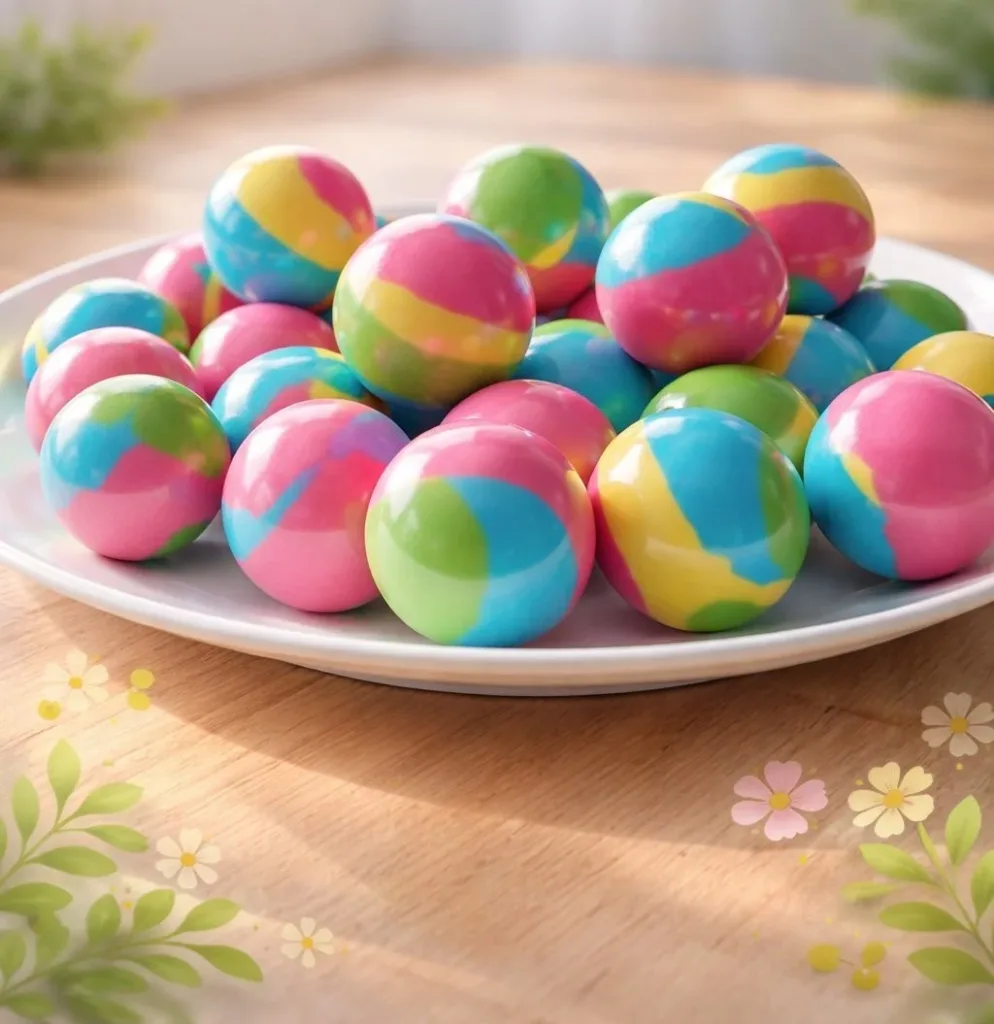
It was a busy afternoon and the kids wanted something to do right now, not in an hour. You pull out a few kitchen items, clear a small patch of table, and set up for Calm Bouncy Balls. This quick project uses a 4 ounce bottle of white school glue, a tiny activator, and a few simple extras. It feels like a small win: kids stay busy, you keep control of the mess, and by the end everyone has a little handmade toy that bounces with a soft, springy feel.
If you want a slightly different bounce or a fun color to match the season, this activity adapts easily to whatever you have on hand. For more ways to play with similar materials, check our magical bouncy balls guide for kids where we explore other shapes and textures.
Why You’ll Love Making Calm Bouncy Balls
This project stands out because it needs almost no prep and uses items most households already have. You measure, mix, and shape in short bursts, so you can stop whenever you need to and pick up again later. It works for a quick afternoon activity, a rainy day, or a calm-down corner after school.
The process stays simple: one small bowl, one activator cup, and a nonstick surface to work on. You get real results fast. The balls feel springy but not hard, which makes them safe for indoor play and good for quiet bouncing on carpet or a soft mat. If you like projects that finish within an hour and let kids be hands-on, this one fits well.
How this ties into everyday life: you don’t need a full craft table. A corner of the kitchen, a tray, and a damp cloth for cleanup keep things tidy. If you want more ideas like this, see our easy variations and tips to match different ages and energy levels.
How This DIY Comes Together
This activity runs in short, clear stages: measure, mix, activate, knead, and shape. Expect about 20 to 40 minutes from start to finished resting time, with most of that hands-on time spent kneading and shaping. The balls then rest for an hour, which gives you a chance to reset the table or make a snack.
Set up: lay a silicone mat or a clean, nonstick surface on the table. Keep a small cup of warm water nearby to dissolve the borax. Put gloves on if you prefer and keep a damp cloth at hand for quick spills. You will need an adult to mix the hot water if you are using borax, while older kids can stir the glue and color.
Mess level stays low if you plan a tray and damp cloth. The glue can drip, but it peels up easily from silicone or a nonstick mat. If things do get a little sticky, a wipe with a damp cloth usually fixes it. If you want a deeper dive into texture changes and bounce, try our step-by-step bouncy ball tips which show how small changes affect the feel.
Materials You’ll Need
White school glue, 4 ounces
borax powder or saline solution
water, room temperature
cornstarch, 1 to 2 tablespoons (optional)
food coloring or mica powder (optional)
small mixing bowl
measuring spoons and cup
nonstick surface or silicone mat
small storage container or soft pouch
scented oil or essential oil (optional)
safety items: gloves and a clean, damp cloth
Notes: The 4 ounce white school glue is the core ingredient and gives the right texture. Borax acts as the activator; if you prefer not to use borax you can try saline solution with caution. Cornstarch is optional and helps dry the balls slightly for a firmer bounce. Food coloring or mica adds color without changing the chemistry. Keep the safety items close; a damp cloth saves cleanup time.
For another quick reference on how different glues and activators behave, visit our mixing tips and tricks where we compare small changes that affect bounce and stretch.
STEP-BY-STEP DIRECTIONS
- Measure glue and pour it into the mixing bowl.
Measure a full 4 ounce bottle of white school glue and pour it into a small bowl. Let it sit a moment so it settles and you can see the surface clearly. - Add a small amount of water and stir slowly.
Add about one to two tablespoons of room temperature water and stir gently. The glue thins slightly and becomes easier to mix but should not become runny. - Stir in color and a drop of scent if desired.
Drop in a tiny bit of food coloring or a pinch of mica powder and stir until the color looks even. Add one small drop of scented oil if you like a light smell. - Dissolve borax in warm water in a separate cup.
In a separate cup, dissolve about half a teaspoon of borax in two to three tablespoons of warm water. Stir until the borax is mostly dissolved. If you use saline solution, keep it at room temperature in a small bottle. - Add activator slowly, stirring as you go.
Pour the borax solution or saline a few drops at a time into the glue mix while stirring gently. Add slowly so the glue can respond and start to clump. - When the mix clumps, tip it onto the nonstick surface.
Once the mixture pulls away from the bowl and forms clumps, tip it out onto your silicone mat or nonstick surface. It will look and feel like a loose, sticky mass. - Knead until the texture becomes springy and cohesive.
Use your hands to knead the mix on the mat. It will change from sticky to springy. Keep kneading until it holds together in a smooth, elastic ball. - Shape each ball with slow, circular motions.
Take small portions and roll them slowly in your palm using circular motions to make smooth balls. Move slowly so the surface becomes even and firm. - Rest the balls for an hour before use.
Place the finished balls on the mat and let them rest for about an hour. This lets the texture stabilize and gives you a better bounce. - Store in a sealed container when not in use.
Put the Calm Bouncy Balls in a small airtight container or soft pouch to keep them from drying out. If they get dusty, wipe them gently with a damp cloth before play.
What Kids Practice While Making This
This simple project builds a handful of useful skills. Children practice measuring with small spoons, which helps number sense and careful hand movement. Stirring and kneading ask for controlled motions that improve fine motor strength.
They also learn cause and effect: add a little activator and the mix pulls together, add too much and it firms up. Kids notice textures change from runny to sticky to springy, and that observation helps build scientific thinking in a gentle way.
Making Calm Bouncy Balls also gives a quiet chance to work together. One child can stir while another shapes the balls. That teamwork builds patience and social skills without feeling like a lesson.
Troubleshooting Common Issues
If the mix stays sticky and never firms up, you probably need a bit more activator. Add just a few more drops of the borax solution, knead, and wait a minute. Too much activator makes the ball crumbly; if that happens, knead in a tiny bit of water or a smear of glue to soften it.
If the balls feel gooey after resting, they may need more kneading. Spend a few more minutes pressing and rolling them; the texture will smooth out. If they attract dust or lint, store them in an airtight container or keep them in a soft pouch to protect the surface.
If the color looks uneven, you likely added the pigment too late or did not mix enough. Undo the ball, add a little more pigment to the sticky mass, and knead until the color blends. Avoid adding too much water to dilute the glue.
For spills, wipe up glue with a damp cloth before it dries. Dried glue peels from silicone or plastic but may stain fabric. Wear gloves if skin sensitivity worries you and keep a small first aid kit nearby for kids who get hands-on.
If you want quick fixes and real-world advice, our storage and cleanup section shows how to keep balls fresh and toolbox-ready for the next day.
Easy Variations to Try
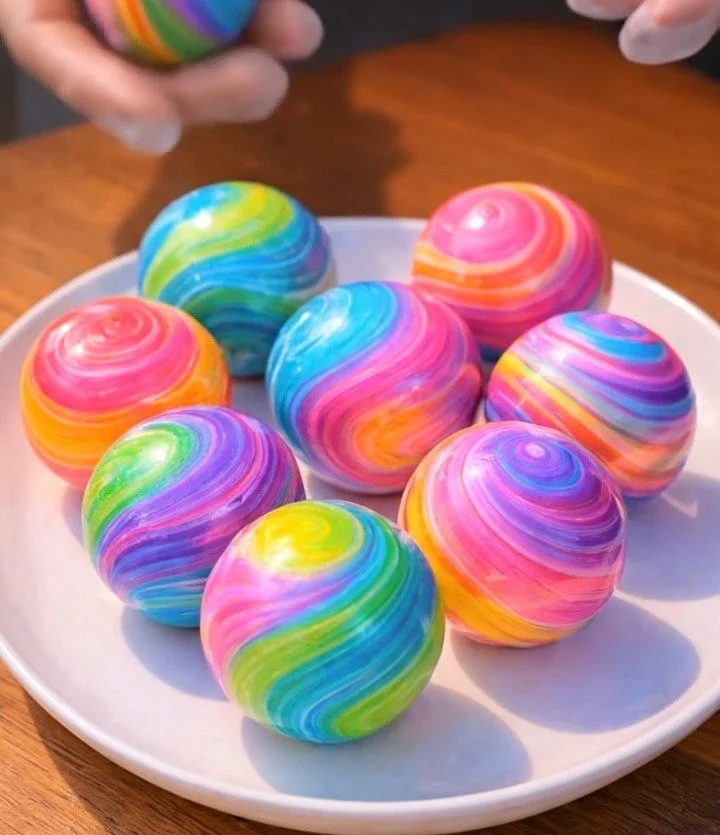
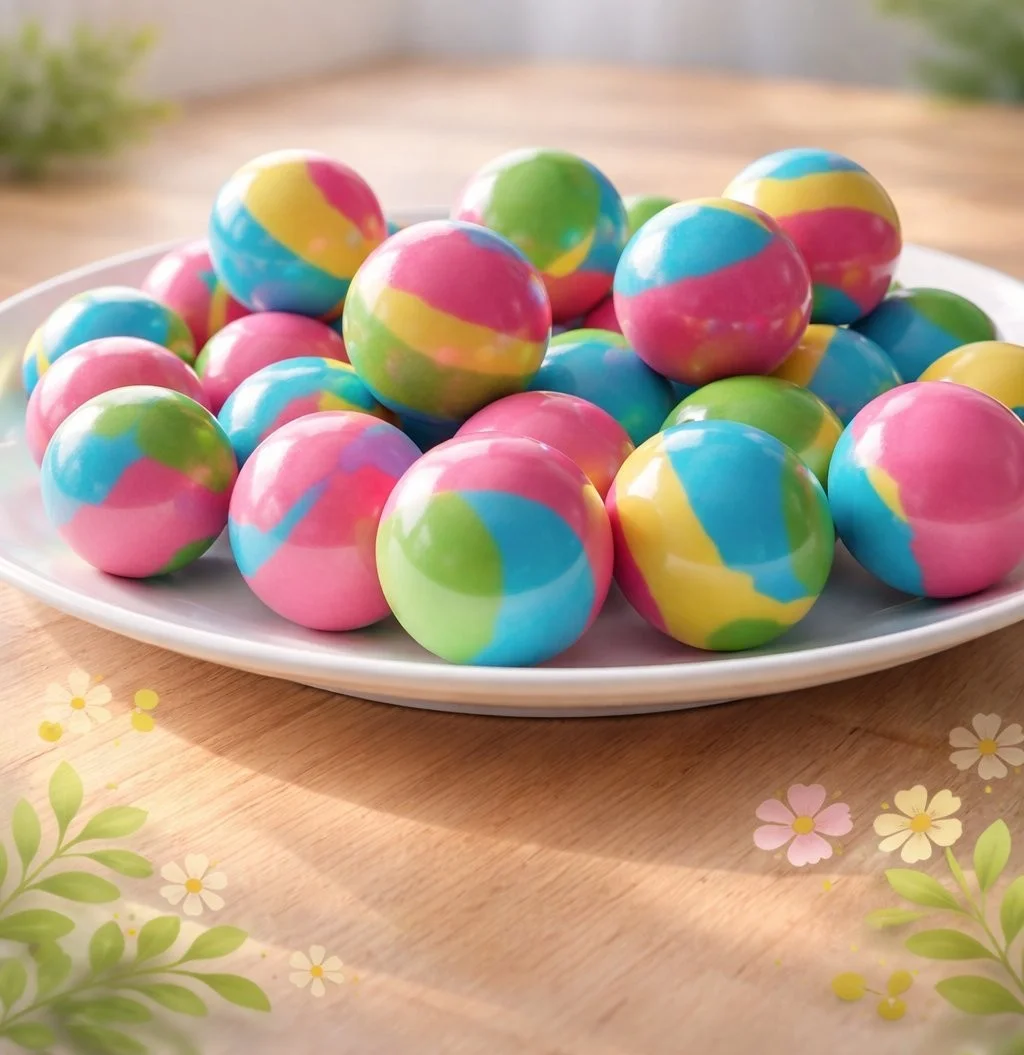
Try a color mix: split the glue into two bowls and add different colors. When you roll each ball, swirl the colors together for a marbled look.
Make a firmer ball: add 1 to 2 teaspoons of cornstarch to the glue before activating. It dries a bit more and gives a crisper bounce.
Add sparkle: a pinch of mica powder gives a soft shimmer without changing how the ball feels. Mix it in during step three.
Seasonal themes: add a tiny scent like citrus for summer or cinnamon for fall. Use matching colors for themed play.
Use different sizes: make a batch of small and medium balls to experiment with how size changes bounce and rolling behavior.
Offer these as suggestions, not rules. Try one at a time so you see how each change affects the texture and bounce.
Storing or Reusing This Project
Store Calm Bouncy Balls in an airtight container or soft pouch to keep out dust and slow drying. If a ball dries a little, you can try kneading in a few drops of water or a little glue to restore squish.
If a ball gets dirty, wipe it with a clean, damp cloth and let it air dry. Avoid putting the balls in washing machines or dishwashers. If a ball becomes crumbly or breaks, set aside the pieces and mix them with fresh glue and a touch of activator to reform a lump.
Keep your workspace tidy by lining a container with a silicone mat during play. Reuse bowls and spoons after a quick rinse; glue cleans up with warm water if you act before it dries. Save leftover activator in a small bottle for the next session rather than making a new batch every time.
If you want ideas for longer storage or small gifts, our gift and storage guide shows how to wrap and label small batches for parties or classroom rewards.
FAQs About Calm Bouncy Balls
Will this make a big mess?
It can be tidy. Lay a silicone mat or tray down and keep a damp cloth nearby. The glue will stick if it touches fabric, but it peels easily off nonstick surfaces. Expect a few drips, but nothing that full table resurfacing cannot fix. Use gloves if you want less cleanup.
Is this safe for young kids?
Supervision matters. For toddlers who still mouth things, this is not a recommended toy. For school-age kids with supervision, it works well. Keep borax or activator out of reach when not in use, and wash hands after playing.
Can I skip borax and still get good balls?
You can use saline solution as an alternative in many cases, but it responds a bit differently. Saline often needs more kneading and sometimes a touch more time to set. Borax gives more predictable results for the texture most kids like.
How long will the balls last?
With good storage, several weeks to a few months is realistic. They will slowly dry out over time. If they lose bounce, knead in a drop of water or a little glue. If they crumble, you can mix scraps back together with fresh glue and a tiny activator amount.
What if my ball is crumbly or too hard?
Crumbly or hard balls mean too much activator hit the mix. Try kneading in a drop or two of water and a small smear of glue. Work it slowly; small corrections help more than big ones.
A Final Helpful Note
This is a project that grows with you and your kids. On the first try aim for a simple ball and one or two variations. Take time to let kids feel the texture change and to notice the small wins like a smooth surface or a lively bounce. You will learn what works in your kitchen: how much activator your brand of glue needs, and whether your kids like a firmer or softer bounce.
If something goes wrong, treat it as part of the making. Most issues have easy fixes and you can often salvage material. Keep your cleanup supplies handy and choose a spot that is easy to wipe. Above all, enjoy the process and the small moments of pride when the kids show off their bouncy creations.
Conclusion
If you want ideas for managing energetic play, try tools and tips from collections like Bouncy Balls – Manage classroom noise with bouncing balls, which offer ways to channel bouncing into quiet routines. For ready-made options or sensory toys, consider choices such as Sensory Light Up Bouncy Balls – Sensory Toys for Kids for other sensory-friendly play ideas and comparisons.
PrintCalm Bouncy Balls
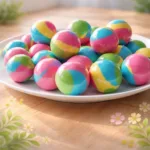
A fun and simple DIY project for kids to create their own bouncy balls using basic household materials.
- Prep Time: 10 minutes
- Cook Time: 0 minutes
- Total Time: 70 minutes
- Yield: 4 bouncy balls 1x
- Category: Craft
- Method: Crafting
- Cuisine: American
- Diet: N/A
Ingredients
- 4 ounces white school glue
- 1/2 teaspoon borax powder or saline solution
- 2–3 tablespoons warm water
- 1–2 tablespoons cornstarch (optional)
- Food coloring or mica powder (optional)
- Small mixing bowl
- Measuring spoons and cup
- Nonstick surface or silicone mat
- Small storage container or soft pouch
- Scented oil or essential oil (optional)
- Safety items: gloves and a clean, damp cloth
Instructions
- Measure glue and pour it into the mixing bowl.
- Add a small amount of water and stir slowly.
- Stir in color and a drop of scent if desired.
- Dissolve borax in warm water in a separate cup.
- Add activator slowly, stirring as you go.
- When the mix clumps, tip it onto the nonstick surface.
- Knead until the texture becomes springy and cohesive.
- Shape each ball with slow, circular motions.
- Rest the balls for an hour before use.
- Store in a sealed container when not in use.
Notes
The 4 ounce white school glue is the core ingredient and gives the right texture. Borax acts as the activator; if you prefer not to use borax you can try saline solution with caution. Cornstarch is optional and helps dry the balls slightly for a firmer bounce.
Nutrition
- Serving Size: 1 bouncy ball
- Calories: 0
- Sugar: 0g
- Sodium: 0mg
- Fat: 0g
- Saturated Fat: 0g
- Unsaturated Fat: 0g
- Trans Fat: 0g
- Carbohydrates: 0g
- Fiber: 0g
- Protein: 0g
- Cholesterol: 0mg