

If you’re having a busy afternoon and seeking a quick yet engaging activity for the kids, the Baking Soda and Vinegar Fireworks Experiment can be a delightful solution. This simple science project is not only entertaining but also educational, making it perfect for curious young minds. The fizzing and bubbling reactions mimic the excitement of fireworks, transforming your kitchen into a colorful, chaotic laboratory. With just a few common household items, you can create a memorable experience while exploring the wonders of chemical reactions together.
Why This Baking Soda and Vinegar Fireworks Experiment Works So Well
This Baking Soda and Vinegar Fireworks Experiment is incredibly easy to start. The project requires minimal preparation, making it suitable for those spontaneous afternoons when creativity and learning are just a few steps away. The materials are common, budget-friendly items that you likely have at home already.
It’s approachable because kids can participate actively without needing advanced skills or heavy adult supervision. You’ll appreciate how reliable the results are; the fizz and color reactions happen consistently, making it a trustworthy choice for all ages. This project fits perfectly into real-life schedules, providing an excellent opportunity for family bonding without going overboard on time or complexity.
Discover Easy Kids Activities
Looking for simple, fun ideas for kids? Explore our Low Prep Kids Activities and find quick projects that spark creativity without long prep time.
A Quick Look Before You Begin
The flow of making this experiment is smooth and straightforward. A well-timed setup will have you ready in just a few minutes. Set aside about 15-20 minutes for the entire activity, which includes preparation, execution, and a bit of cleanup afterward.
The mess level is minimal, especially since you will be using a tray or baking dish to catch any fizz. The delightful reaction creates bubbles, and some might overflow, so it’s advisable to do this in a space that can tolerate a little spill. Adult involvement is needed mainly for supervision and to assist with pouring vinegar into the bowls, ensuring that everyone stays safe during the fun.
Materials You’ll Need
- Baking soda (1–2 cups)
- White vinegar
- Food coloring (multiple colors)
- Small bowls or cups
- Spoon
- Dropper or small cup for pouring
- Tray or baking dish (to catch the fizz)
All these materials are straightforward and often found in your kitchen. Baking soda and vinegar are staples that many home cooks keep on hand. The food coloring adds vibrancy to the experiment and is easily available at grocery stores. If you don’t have food coloring, using fruit juices or natural colors is a great alternative. Get ready to unleash a splash of creativity with these simple supplies from home.
Step-by-Step Directions
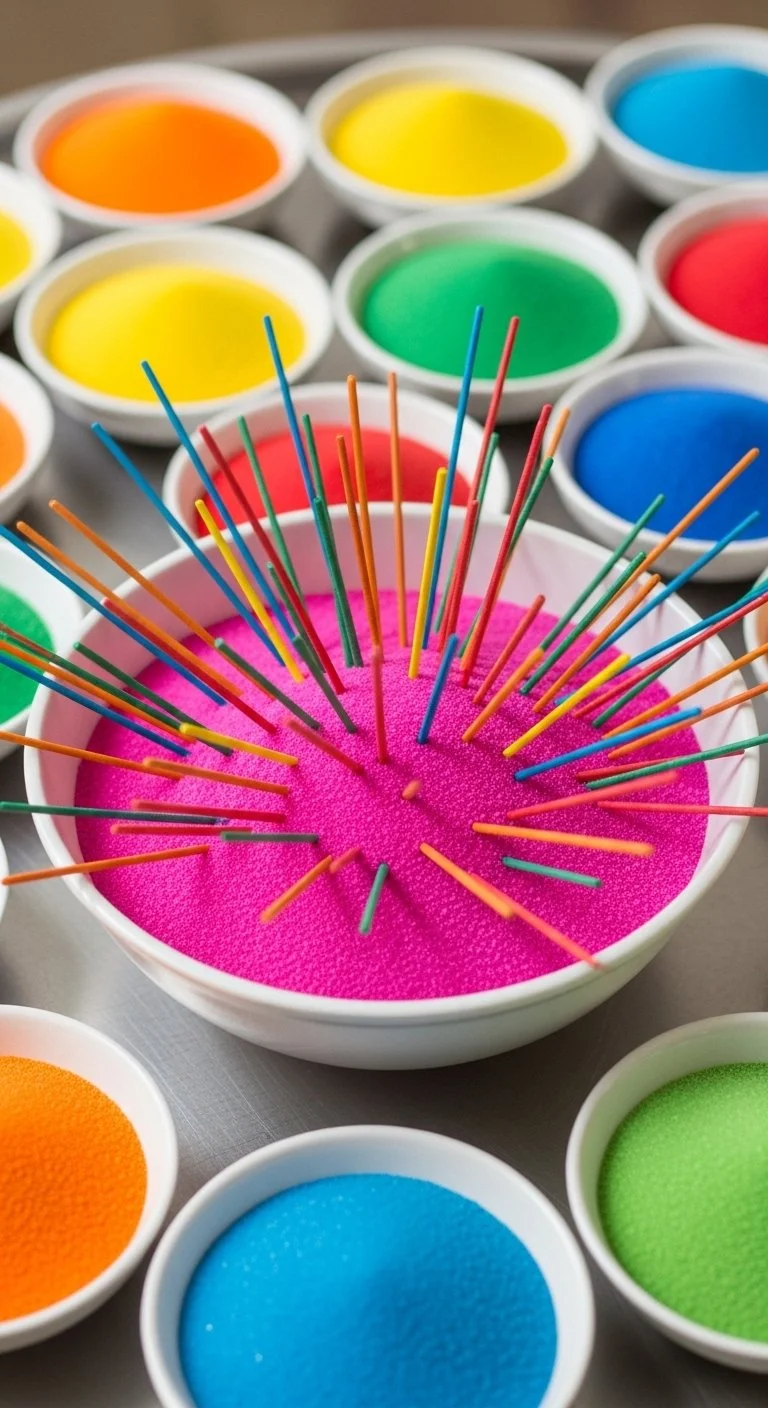
- Start by placing several small bowls on a tray. Add 2–3 tablespoons of baking soda into each bowl. This is our colorful canvas! The white powder creates a perfect base for the vibrant colors that will soon join in.
- Next, drop a few drops of different food coloring into each bowl. Then mix lightly with a spoon to watch the colors swirl. This action brings excitement as the colors start to merge, creating a colorful backdrop for the upcoming fizz.
- Now for the fun part – slowly pour or drip the vinegar into the bowls. Enjoy the delightful fizzing reactions as the colors dance together! The bubbling will rise dramatically, creating an effect that can feel magical to kids.
- Feel free to add more vinegar for extra fizzing joy! The more vinegar you pour, the more exhilarating the reaction will be. This is where you can experiment a little more and even challenge the kids to see how high the fizz can go.
The Learning Behind This DIY
This simple experiment introduces some basic science concepts. Kids learn about chemical reactions as they mix baking soda (a base) with vinegar (an acid). Watching this process helps them understand cause and effect in a tangible way.
The bubbling and fizzing involve gas creation, demonstrating how materials change states and interact. Kids also practice fine motor skills as they carefully pour the vinegar and manage the colors with the dropper. Coordination plays a vital role in controlling the materials and managing how the colors blend. Overall, it’s a fun, hands-on way to learn about science in action.
Troubleshooting Common Issues
Sometimes, things might not go exactly as planned, and that’s perfectly okay. If the fizz seems less exciting than expected, check if the baking soda is fresh. Baking soda loses its effectiveness over time and won’t fizz as much if it’s old.
If the colors don’t seem vibrant enough, consider using more food coloring, or mix different colors in the bowls before adding vinegar for a more impressive effect. If spills happen, don’t worry cleaning up baking soda and vinegar is straightforward. A simple cloth or sponge should do the trick, as these materials are non-toxic and easy to wipe away.
Easy Variations to Try
Incorporate your family’s twists to make this science activity even more unique. Here are some suggestions to change it up:
- Try different shapes of containers, like muffin tins or jars, which can lead to size variations in fizz and color interactions.
- For added excitement, combine the experiment with other sensory elements. Use sparkling water instead of vinegar for a fizzy, bubbly experience.
- Challenge your kids to create color patterns or designs in the baking soda before adding vinegar for a more artistic approach.
These variations can make the experiment appealing to various age groups and interests, ensuring everyone finds something to enjoy.
Storing or Reusing This Project
Cleanup is generally an easy task. After the excitement subsides, you can simply rinse out the bowls with warm water. If you wish to reuse your materials, store any leftover baking soda in an airtight container, and make sure the vinegar is closed tightly.
Consider even combining the used food coloring into new mixtures for another go later. Waste can be minimized by reimagining the leftovers into fresh creative activities or a larger experiment.
FAQs About Baking Soda and Vinegar Fireworks Experiment
One common concern is about mess and cleanup. It’s understandable to worry about the cleanup after such a colorful, bubbling explosion. The good news is that the mess is manageable. Using a tray or dish helps contain most of the reaction, making it easy to wipe down afterward.
Another question often asked is about safety and the appropriate age range for this activity. The Beauty of this project is that it is safe for young children. However, adult supervision is always advisable, especially during pouring.
Parents sometimes ask if there are ingredient substitutions. If you find yourself out of food coloring, some alternatives, like fruit juices, can create colors and a similar visual experience.
Families may also wonder about what results to expect. Fizzing and bubbling should happen regularly, but results can vary depending on how much vinegar you use initially. There is no need to aim for perfection just enjoy the process, and remember to have fun with it.
Conclusion
The Baking Soda and Vinegar Fireworks Experiment is a wonderful way to create a little chaos while learning about science. It’s low prep and packs a big punch in terms of color and interaction, making it enjoyable for both kids and parents. For more experiments, you can explore resources like Baking Soda and Vinegar Fireworks – Measuring Chemical Reactions and other fun ideas, such as How to Make Fireworks in a Jar – One Time Through. Get ready to embrace the joy of exploration right in your kitchen where every moment can lead to delightful discoveries.
PrintBaking Soda and Vinegar Fireworks Experiment
A delightful and educational science project that demonstrates chemical reactions using common household items.
- Prep Time: 5 minutes
- Cook Time: 10 minutes
- Total Time: 15 minutes
- Yield: Varies by number of bowls used
- Category: Science Experiment
- Method: Mixing
- Cuisine: N/A
- Diet: N/A
Ingredients
- Baking soda (1–2 cups)
- White vinegar
- Food coloring (multiple colors)
- Small bowls or cups
- Spoon
- Dropper or small cup for pouring
- Tray or baking dish (to catch the fizz)
Instructions
- Start by placing several small bowls on a tray. Add 2–3 tablespoons of baking soda into each bowl.
- Next, drop a few drops of different food coloring into each bowl and mix lightly.
- Now for the fun part – slowly pour or drip the vinegar into the bowls.
- Feel free to add more vinegar for extra fizzing joy!
Notes
Use a tray to contain the mess. Adult supervision is recommended during pouring.
Nutrition
- Serving Size: 1 experiment
- Calories: 0
- Sugar: 0g
- Sodium: 0mg
- Fat: 0g
- Saturated Fat: 0g
- Unsaturated Fat: 0g
- Trans Fat: 0g
- Carbohydrates: 0g
- Fiber: 0g
- Protein: 0g
- Cholesterol: 0mg