

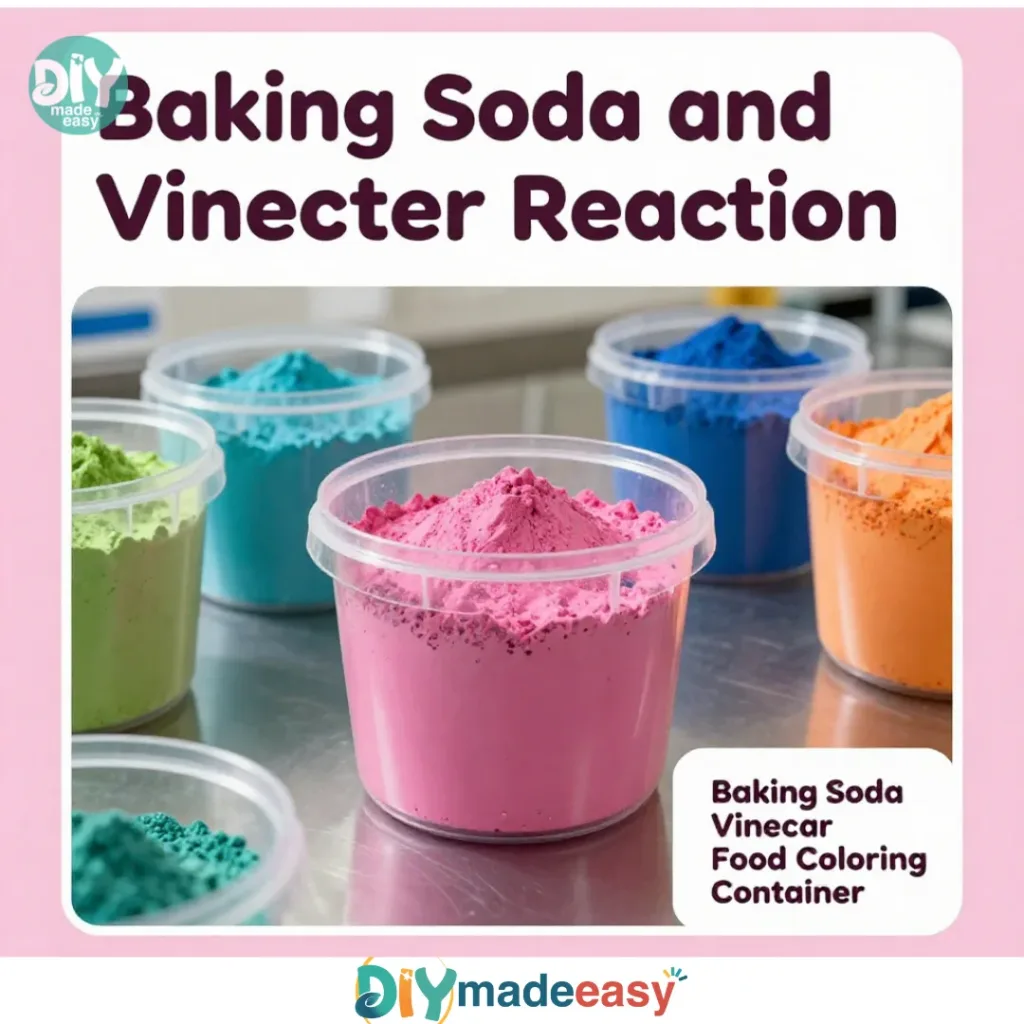
Baking soda and vinegar experiments have a unique charm. Maybe it’s a busy afternoon, and your kids come rushing in, asking to make something fun. Or perhaps you’re planning a quick activity to keep them engaged before dinner. Whatever the moment, a baking soda and vinegar reaction can transform a simple setup into an exciting and educational experience. There’s no need for elaborate planning or long setups. All you need are a few household items for a burst of creativity and joy.
Why This Baking Soda and Vinegar Reaction Works So Well
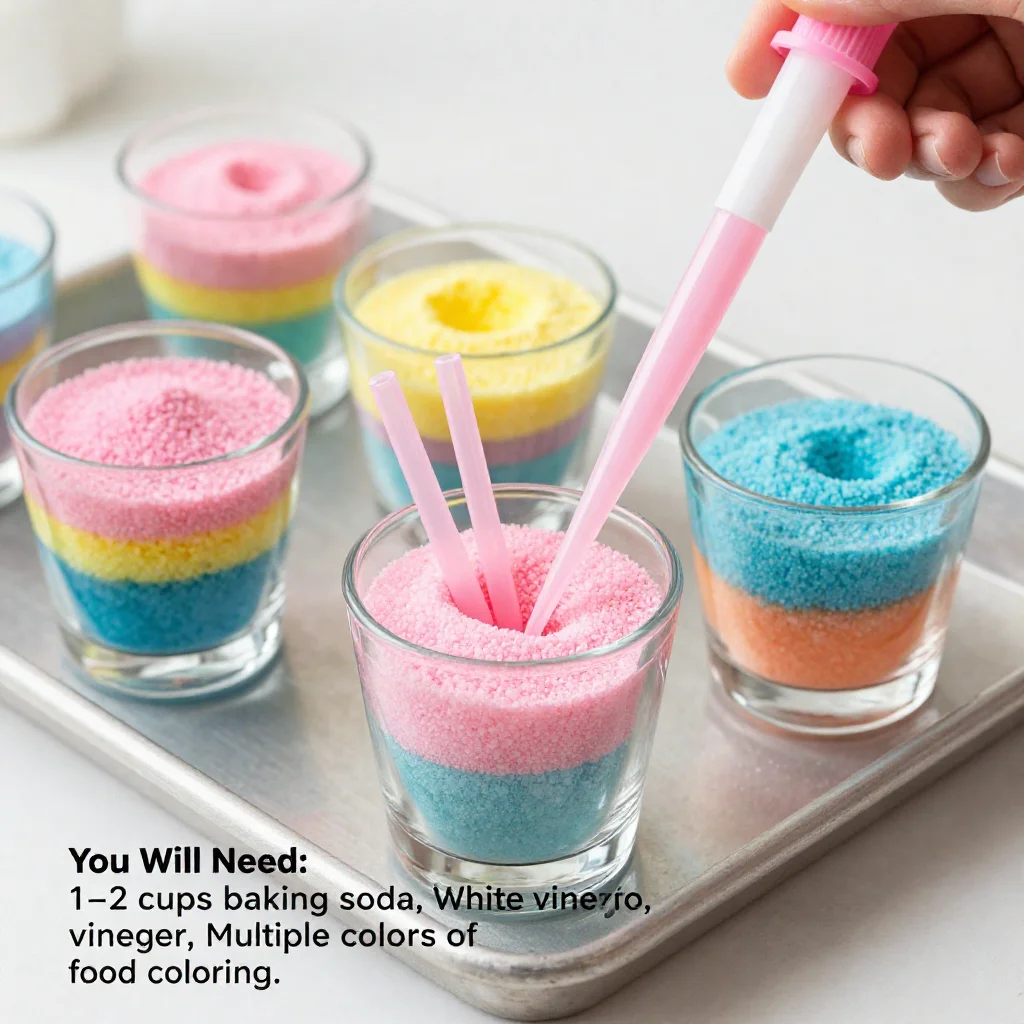
This project stands out for its low-prep nature. You can gather everything you need from your kitchen in minutes. Baking soda, vinegar, and a bowl are likely already on your shelves. It allows you to dive right into the fun without hunting for supplies.
The baking soda and vinegar reaction is reliable, exciting, and straightforward. You can count on it to fizz and bubble every time, creating a spectacle that delights kids and adults alike. When you need a quick burst of enjoyment, it reliably delivers that ‘wow’ factor, making it perfect for real-life schedules like after-school moments or weekend afternoons.
This science-inspired activity is approachable. Even if you’re not a science enthusiast, you can feel confident guiding your kids through this simple yet mesmerizing experiment. It fosters a love for learning without any pressure. As the ingredients fizz together, it emphasizes exploration and creativity in everyday life.
A Quick Look Before You Begin
When you decide to try the baking soda and vinegar reaction, consider the timing and setup. The whole process takes just a few minutes, making it ideal for a quick afternoon adventure. You don’t need to dedicate an hour. Instead, dedicate just 10 to 15 minutes to set up and enjoy the activity.
Mess levels can vary, but it’s usually manageable. A little fizz and bubbling might spill over, so having towels handy is a good idea. As for adult involvement, you can supervise from nearby and leave space for the kids to explore and take the lead.
Discover Easy Kids Activities
Looking for simple, fun ideas for kids? Explore our Low Prep Kids Activities and find quick projects that spark creativity without long prep time.
Materials You’ll Need
- Baking soda
- Vinegar (white or apple cider)
- Food coloring (optional)
- Container or bowl
- Measuring spoons (optional)
These materials are common in most households. The baking soda and vinegar work together to create an exciting chemical reaction, while food coloring lets you customize the experience, making it visually appealing. You might already have these items at home, so there’s no need for special shopping trips. This makes the whole undertaking budget-friendly, too.
Step-by-Step Directions
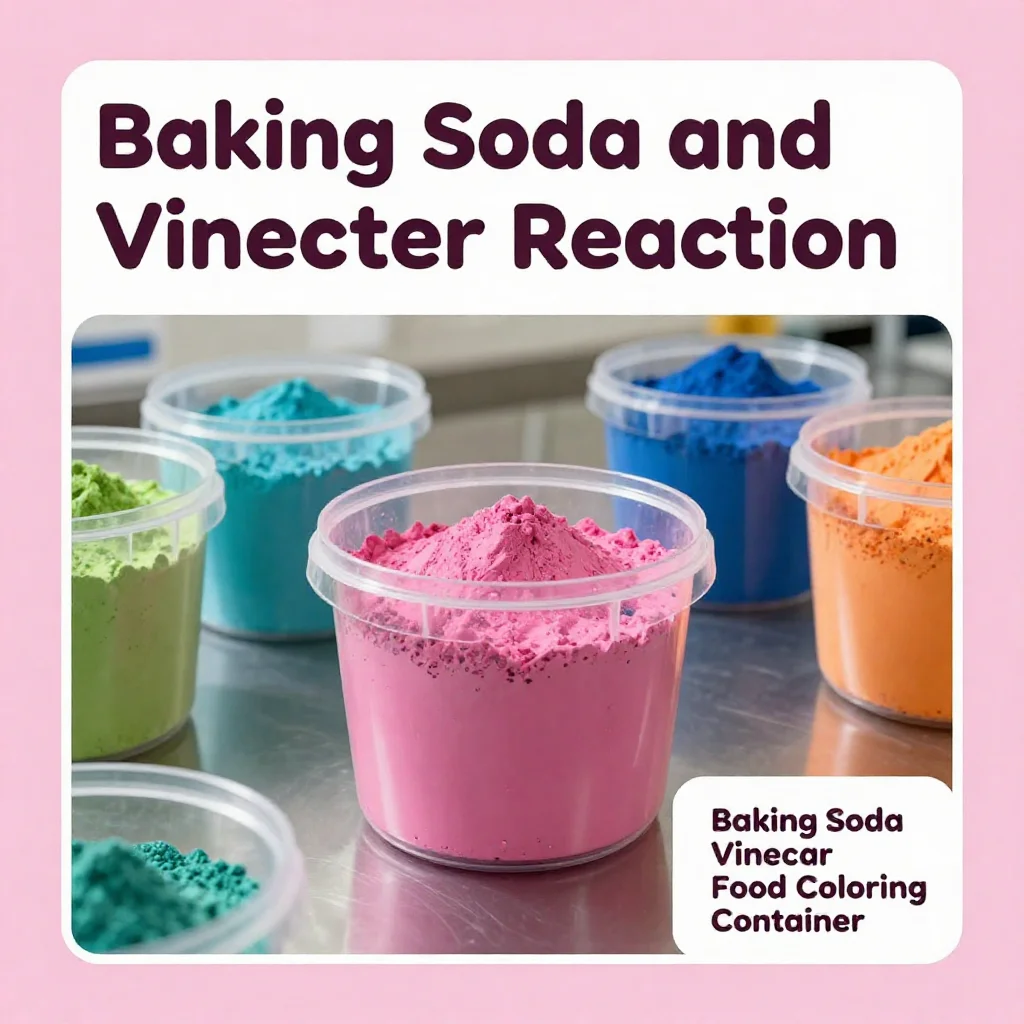
- Place your bowl or container on a flat surface. A sturdy, stable spot works best to prevent spills as the reaction progresses.
- Scoop about 2 tablespoons of baking soda into the bowl. This simple measurement ensures you have enough to create a great reaction without needing too much space.
- If desired, add a few drops of food coloring to the baking soda and mix gently. You can choose any color you like. When the reaction begins, it can create vibrant hues that add an artistic element.
- Pour approximately half a cup of vinegar into a separate container. This vinegar will mix with the baking soda to create the exciting fizzing.
- Slowly pour the vinegar over the baking soda and step back to observe the reaction. Watch as the bubbling erupts! The fizzing sound and foam can be thrilling, adding an exciting sensory element.
- Enjoy the fizzing and bubbling, and take note of the textures and sounds created by the reaction. It can be a fun time to pause and wonder about what’s happening. The kids might love the way the mixture looks and sounds as it bubbles away.
- Once the reaction subsides, explore the materials left behind. You’ll notice the meaningful change—the baking soda and vinegar have transformed into a fizzy foam. Kids can feel free to play with the residue, seeing how it feels.
- Consider sharing this experience with a friend or keep the container as a memento of creativity and calm. This could become a wonderful memory of a day spent enjoying science and fun together.
The Learning Behind This DIY
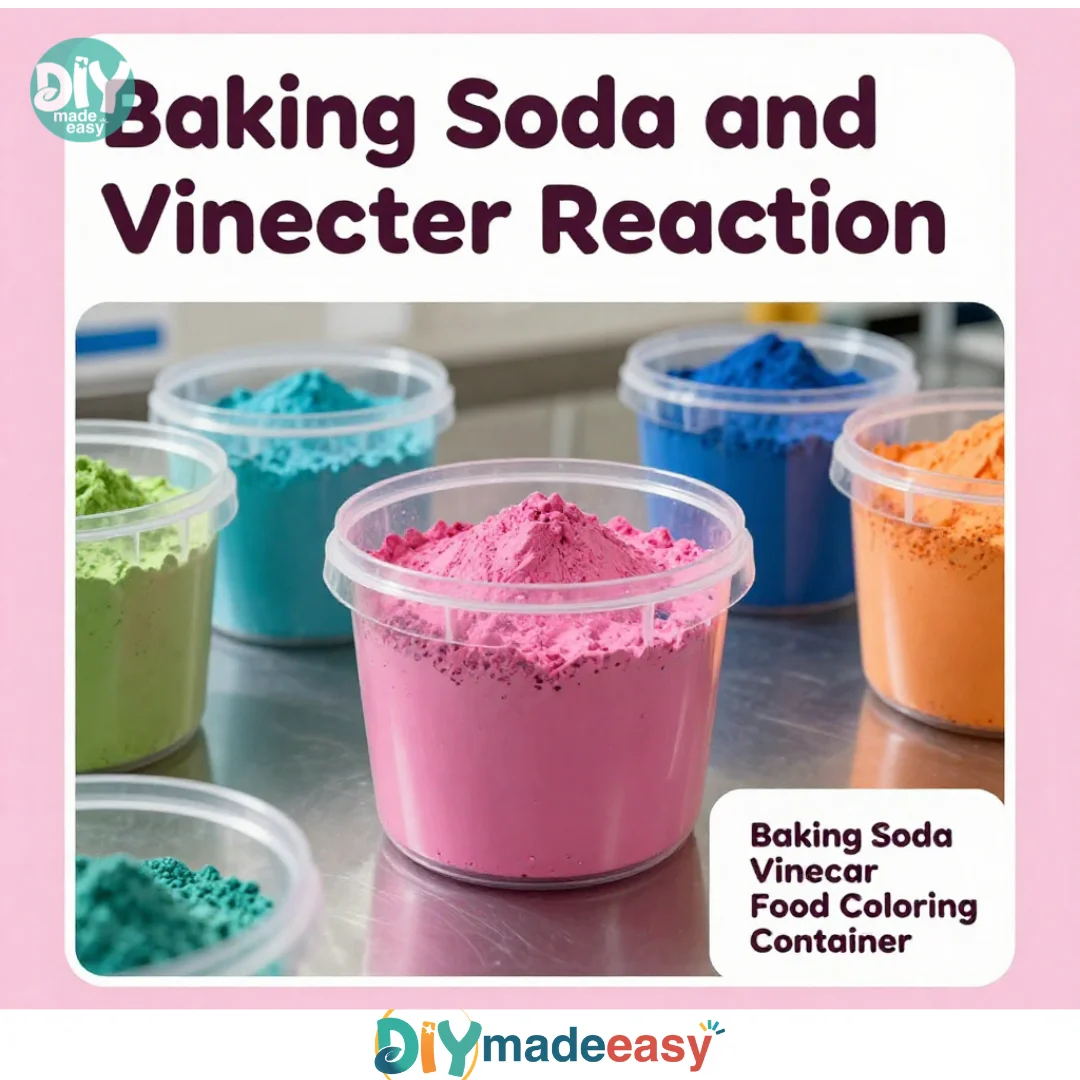
While this activity seems straightforward, it offers many learning opportunities. When you combine baking soda and vinegar, you engage with fundamental scientific concepts. The reaction is a classic example of an acid-base reaction. Baking soda, a base, interacts with vinegar, which is acidic. Kids can see firsthand how these substances react, creating carbon dioxide gas that leads to fizzing.
This project also supports various skills. The mixing process helps develop fine motor coordination, while pouring teaches measurement and control. Kids can practice patience, waiting to see how their ingredients will interact and observing the changes unfold. Beyond science, it fosters curiosity and encourages exploration. Making it a group activity can also enhance social skills, as kids share their excitement and wonder with one another.
Troubleshooting Common Issues
If something doesn’t go as planned during your experiment, worry not! Sometimes, the reaction might not fizz as expected. This could happen if the baking soda or vinegar has lost potency. Checking expiration dates can help.
Another common issue is overspilling. If the reaction fizzes over the top, that’s part of the fun! Consider using a larger bowl next time or pouring the vinegar more slowly to control the overflow.
If the kids are left wondering, “What happened to the fizz?” remind them that some reactions may vary depending on the specific vinegar or baking soda used. Encourage curiosity about why things change, sparking deeper learning.
Easy Variations to Try
To keep the excitement alive, explore some variations of this experiment:
- Different Types of Vinegar: Try using different types of vinegar, like balsamic or red wine, for unique results. Each type can lead to a different color or fizzing effect.
- Add Glitter or Confetti: Make it visually stunning by adding a sprinkle of glitter or confetti into the bowl. When the reaction happens, it will create a sparkling effect.
- Make it Themed: Consider seasonal themes, like red and green for Christmas or orange and black for Halloween. Using food coloring can help set the mood.
- Expand the Experiment: Experiment with the amounts of baking soda and vinegar used. Try different ratios to see how it affects the reaction. This can turn into a learning experience about measurement and outcomes.
- Create a Volcano: Build a small “volcano” with clay or playdough around the bowl and then add your baking soda and vinegar for a mini volcanic eruption.
These variations can keep things fresh and provide an ongoing opportunity for learning and discovery.
Storing or Reusing This Project
After your reaction completes, cleanup can be simple. If you used a bowl, give it a quick rinse to remove any leftover residue. Baking soda and vinegar are non-toxic, so you don’t have to worry about harmful chemicals during disposal.
If you’re feeling creative, consider saving the memento container. Kids can look back on their work, reflecting on the fun they had. You could even use it for future projects, promoting reuse and reducing waste.
FAQs About Baking Soda and Vinegar Reaction
Is it messy?
Yes, it can be a little messy, especially if the fizz overflows. Have towels handy to clean any spills. It’s part of the excitement!
Is this safe for kids?
Absolutely! Baking soda and vinegar are both safe household ingredients. Just remind the kids to avoid drinking them.
What if I don’t have food coloring?
No problem! The reaction is still fun without it. The bubbles and fizz are the main attractions.
Can I store the mixture?
It’s best to dispose of the mixture after the reaction. You can always start fresh with new ingredients for more experiments.
What age is this suitable for?
It’s perfect for young children under supervision, but older kids can manage it independently, enjoying the science behind the fun.
Conclusion
Engaging in a baking soda and vinegar reaction can be a delightful experience, offering both fun and learning. It’s an ideal choice for busy afternoons or last-minute creative bursts that enhances curiosity and awe. By understanding how simple materials can lead to spectacular outcomes, you create lasting memories.
For more exciting ideas, check out these resources for other baking soda and vinegar projects: Easy STEM Activities & Experiments with Baking Soda & Vinegar and How to get the Best Baking Soda and Vinegar Reaction!. Enjoy exploring the wonders of science and creativity with your loved ones!
PrintBaking Soda and Vinegar Reaction Experiment
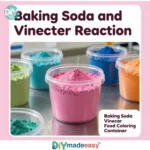
A fun and educational activity that demonstrates a chemical reaction using household ingredients.
- Prep Time: 5 minutes
- Cook Time: 5 minutes
- Total Time: 10 minutes
- Yield: Variable (depends on the amount used)
- Category: Educational Activity
- Method: Experimental
- Cuisine: N/A
- Diet: N/A
Ingredients
- Baking soda
- Vinegar (white or apple cider)
- Food coloring (optional)
- Container or bowl
- Measuring spoons (optional)
Instructions
- Place your bowl or container on a flat surface.
- Scoop about 2 tablespoons of baking soda into the bowl.
- Add a few drops of food coloring to the baking soda and mix gently, if desired.
- Pour approximately half a cup of vinegar into a separate container.
- Slowly pour the vinegar over the baking soda and step back to observe the reaction.
- Enjoy the fizzing and bubbling as it erupts.
- Explore the materials left behind once the reaction subsides.
- Consider sharing this experience with a friend.
Notes
Have towels handy for any possible spills. Supervise children closely during the experiment.
Nutrition
- Serving Size: Not applicable
- Calories: N/A
- Sugar: N/A
- Sodium: N/A
- Fat: N/A
- Saturated Fat: N/A
- Unsaturated Fat: N/A
- Trans Fat: N/A
- Carbohydrates: N/A
- Fiber: N/A
- Protein: N/A
- Cholesterol: N/A