

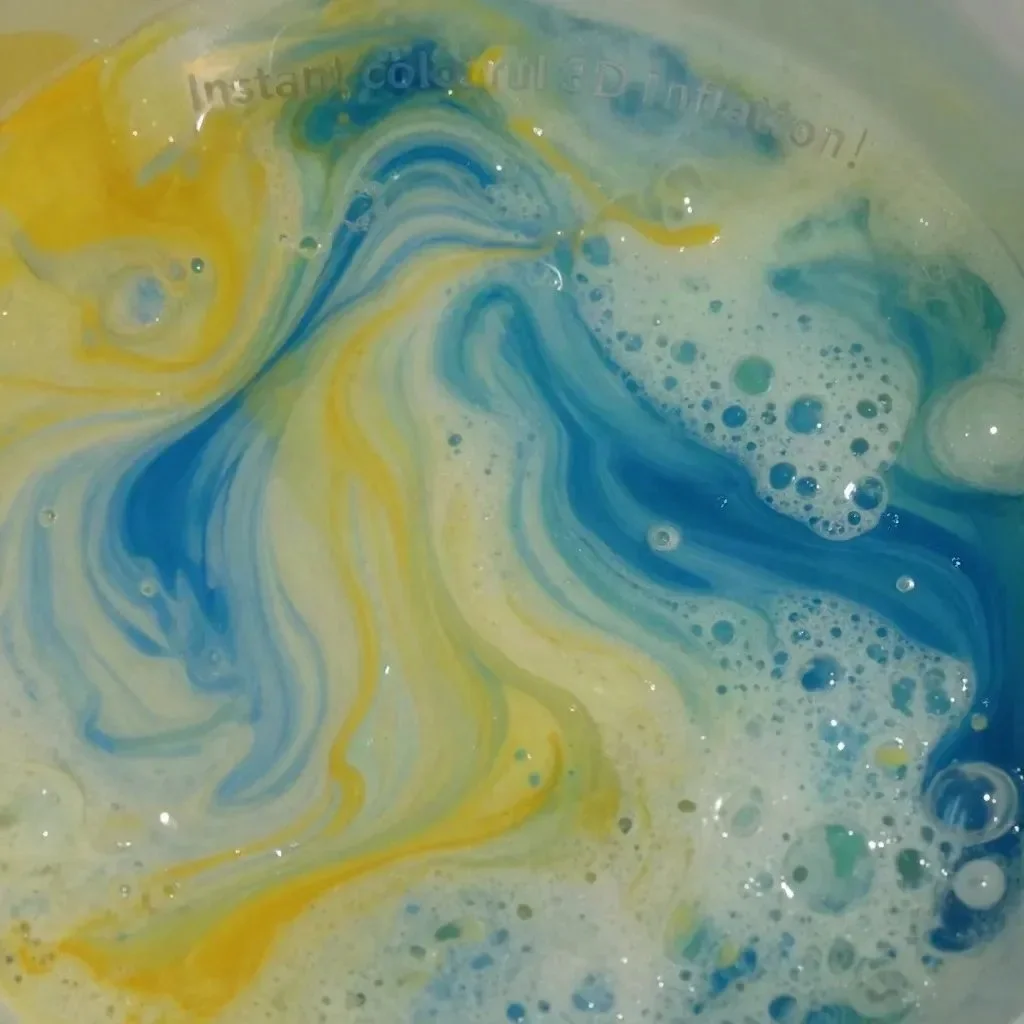
The afternoon is filled with the cheerful squeals of children eager to create something fun. If you’re looking for an engaging and easy activity, the Baking Soda Balloon Science Experiment is a perfect choice. This hands-on project not only brings joy but also sparks curiosity about science in a delightful way. Combining baking soda and vinegar to inflate a balloon is a visual treat that kids will love, and you probably have all the supplies right in your kitchen. You may also find Balloon Baking Soda Experiment Savory Splash useful.
Why This Baking Soda Balloon Science Experiment Works So Well
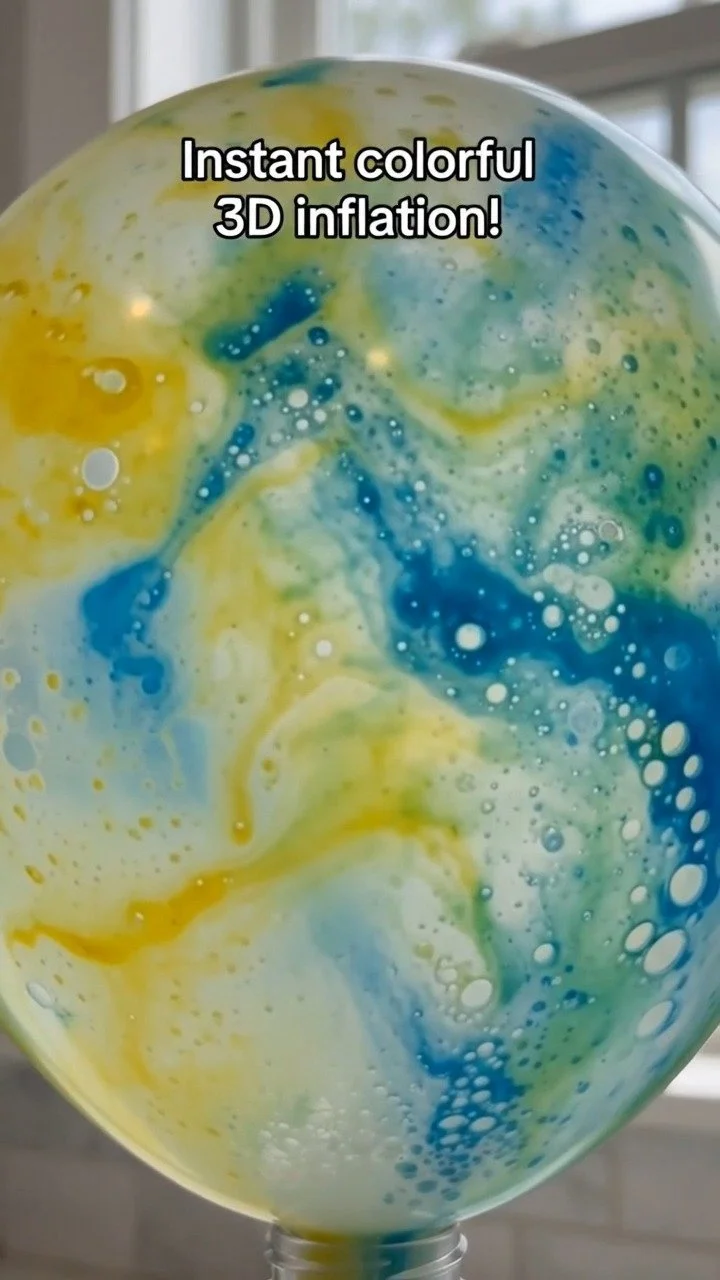
The Baking Soda Balloon Science Experiment is a fantastic project because it’s incredibly low-prep and approachable. You only need a few common household items, so there’s no need to run to the store for specialty supplies. The simplicity of this DIY makes it perfect for busy days, working well alongside the family schedule. You’ll find that it’s reliable, consistently producing fizzy reactions that amaze first-timers and seasoned experimenters alike. Since this project requires minimal adult involvement, it empowers kids to take charge of their science exploration! You may also find Easy Baking Soda And Vinegar Experiment useful.
A Quick Look Before You Begin
This fun experiment is quick to set up, usually taking about 10–15 minutes from start to finish. The only way to spice things up is by adding a few drops of food coloring, which enhances the visual experience during the reaction. Expect a bit of bubbling and fizzing, which can surely lead to some delightful surprises! Overall, the mess level is quite manageable—just be prepared for a bit of clean-up afterward. You’ll enjoy watching your kids engage with science as they giggle through the process. You may also find Baking Soda And Vinegar Fireworks useful.
Materials You’ll Need
You’ll find the materials for the Baking Soda Balloon Science Experiment both familiar and easy to assemble. Here’s what you’ll need: You may also find Baking Soda Crystals Transform Into Glassy Art useful.
- 2 tablespoons of baking soda
- 1/2 cup of white vinegar
- 1 empty 16-ounce plastic bottle
- 1 latex balloon (12-inch)
- 1 small plastic funnel
- 3 drops of liquid food coloring
The baking soda and vinegar are common items in most households, making this experiment budget-friendly and wonderful for spontaneous fun!
Step-by-Step Directions
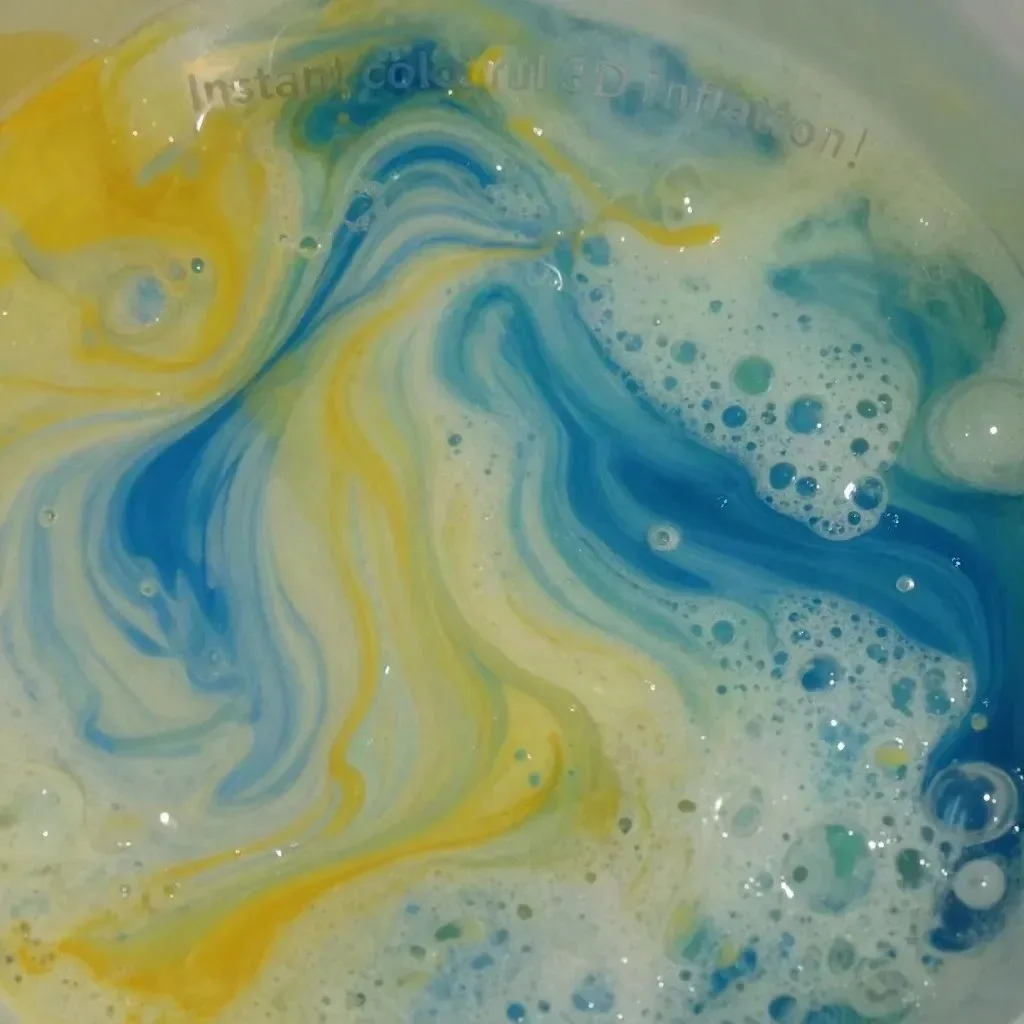
Here’s how to perform the Baking Soda Balloon Science Experiment in four easy steps:
Use the funnel to pour 2 tablespoons of baking soda into the uninflated balloon. This can be a little tricky, so make sure the funnel is secure, and take your time to avoid any spills.
Pour 1/2 cup of white vinegar and 3 drops of food coloring into the plastic bottle. As you pour in the food coloring, take a moment to admire the vibrant hues before the fun begins.
Carefully stretch the neck of the balloon over the bottle without spilling the baking soda. This step requires a steady hand, as you want to keep everything inside until you’re ready for the fizzing surprise!
Lift the balloon upright to dump the baking soda into the vinegar and watch the fun fizz! You’ll observe an exciting reaction as the two ingredients mix, creating bubbles that inflate the balloon and fill the room with laughter.
The Learning Behind This DIY

This fun experiment highlights several important science concepts in a playful way. As the baking soda reacts with the acid in the vinegar, a chemical reaction occurs, producing carbon dioxide gas. Kids not only grasp the basics of chemical reactions but also practice fine motor skills and coordination while manipulating the balloon and funnel. It’s a beautiful example of cause and effect, where they can see firsthand how mixing two substances leads to a lively outcome.
Troubleshooting Common Issues
If the experiment doesn’t go as planned, don’t worry! Here are some common hiccups and their easy fixes. If you don’t get enough fizzing, ensure that your baking soda is fresh—the reaction works best when using new ingredients. Should the balloon not inflate properly, check that you’ve securely attached the balloon to the bottle and that all the baking soda has fallen into the vinegar. In another case, if you find spills, it might help to pour slower next time or use a larger funnel!
Easy Variations to Try
To keep things fresh, consider mixing up the recipe a bit! Here are a few easy variations:
Color The Fizz: Instead of regular food coloring, use multiple colors for a vibrant reaction that creates a rainbow effect in the balloon.
Funny Shapes: For an entertaining twist, try using different shaped balloons. A long balloon will create a different look as it inflates.
Experiment with Ratios: Change the amounts of baking soda and vinegar to see how it affects the reaction. More vinegar will create a bigger fizz!
Outdoor Version: Take the experiment outside for a giant version using larger bottles and balloons. Kids can marvel at the increased bubbling and fun.
Themed Experiments: Try themed versions for holidays, such as red and green food coloring for Christmas!
Storing or Reusing This Project
Once you finish the experiment, you’ll probably have leftover materials waiting for another round of fun! You can store any unused baking soda in a cool, dry place and save the vinegar for cooking or cleaning tasks. If you’re feeling creative, try cleaning the funnel and balloon to reuse them for your next science project. This approach not only reduces waste but also instills a sense of responsibility by teaching kids about reusing supplies.
FAQs About Baking Soda Balloon Science Experiment
One common question is whether this project will create a lot of mess. It can bubble over, but overall, it’s pretty contained, so you just need to be prepared for a quick wipe-down afterward. Some parents wonder about the appropriate age range for this activity. Generally, kids over four can enjoy the experiment, especially with adult supervision for safety.
If you’re concerned about ingredient substitutions, keep in mind that baking soda and vinegar are essential for the fizzing reaction, but you can experiment with other acids and bases at home. Lastly, if you wonder about storage, unused materials can be kept for future projects, ensuring you both have the ingredients and inspiration ready next time!
Conclusion
Conclusion
The Baking Soda Balloon Science Experiment is a delightful way to spend time with kids while engaging them in science. It’s simple, educational, and produces impressive results that spark curiosity. If you’re looking to expand your science endeavors at home, you might want to check out this Baking Soda and Vinegar Balloon Experiment for Kids for more fun ideas. You can also explore the Baking Soda and Vinegar Balloon Experiment ~ At Home Science for additional inspiration. Enjoy the fizz and fun!
PrintBaking Soda Balloon Science Experiment

Engage children with this fun and easy baking soda and vinegar reaction that inflates a balloon, creating an exciting science project at home.
- Prep Time: 10 minutes
- Cook Time: 5 minutes
- Total Time: 15 minutes
- Yield: 1 experiment 1x
- Category: Science Project
- Method: Mixing
- Cuisine: N/A
- Diet: N/A
Ingredients
- 2 tablespoons of baking soda
- 1/2 cup of white vinegar
- 1 empty 16-ounce plastic bottle
- 1 latex balloon (12-inch)
- 1 small plastic funnel
- 3 drops of liquid food coloring
Instructions
- Use the funnel to pour 2 tablespoons of baking soda into the uninflated balloon.
- Pour 1/2 cup of white vinegar and 3 drops of food coloring into the plastic bottle.
- Carefully stretch the neck of the balloon over the bottle.
- Lift the balloon upright to dump the baking soda into the vinegar and watch the fun fizz!
Notes
Consider variations such as using multiple food coloring shades or experimenting with different ratios of baking soda and vinegar.
Nutrition
- Serving Size: N/A
- Calories: N/A
- Sugar: N/A
- Sodium: N/A
- Fat: N/A
- Saturated Fat: N/A
- Unsaturated Fat: N/A
- Trans Fat: N/A
- Carbohydrates: N/A
- Fiber: N/A
- Protein: N/A
- Cholesterol: N/A