

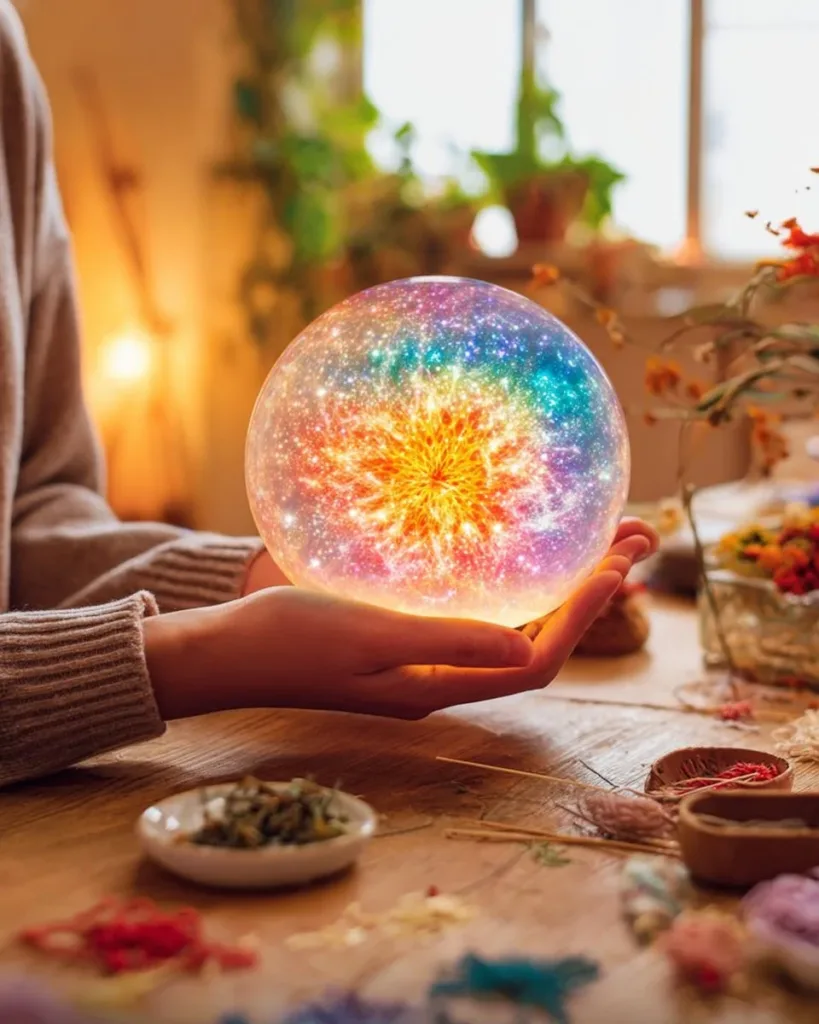
A busy afternoon, a quick setup in the kitchen, and kids asking for something fun to make now that is the moment the Glowing Ball Activity fits perfectly. We pull out a small jar, a cup of sugar, a little water, some food coloring, and glitter, and the mood shifts. This activity moves from idea to hands-on in a few minutes, and the glow at the end gives everyone a small wow. If you like short, low-fuss projects that still feel special, this is one of those wins you can do between snacks and homework. If you want more quick, kid-friendly projects for busy days, check out this activity binder for preschool to keep ideas handy: activity binder for preschool.
Why You’ll Love Making Glowing Ball Activity
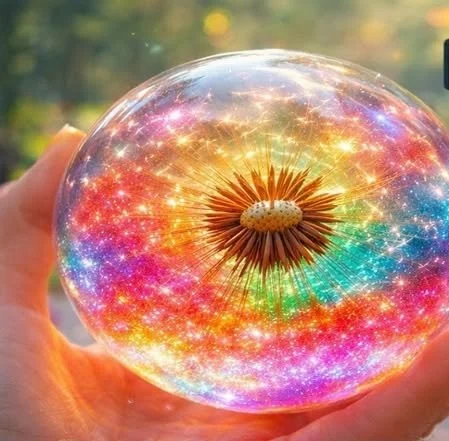
This project works because it keeps things simple and satisfying. You use five items most homes already have, so you do not need a special trip to the store. The steps need a few minutes of attention, and then you can leave the jar alone while it settles. That makes it easy to fit into nap time, a short window between errands, or a rainy afternoon.
The materials feel familiar and safe. Sugar and water dissolve in a predictable way, which helps the glow effect behave reliably. Food coloring gives an immediate visual change that kids love. Glitter adds sparkle without changing the main chemistry. All of this makes results clear to young helpers, which helps build confidence.
Because this takes minimal adult prep, you can hand parts of the work to kids. Younger kids can help stir or add drops, while an adult handles any quick cleanup. The whole activity rarely creates a big mess, and it cleans up with a damp cloth or a rinse. That low-mess factor helps it fit into real family routines where time and patience run thin.
A Quick Look Before You Begin
Set aside about 10 to 20 minutes in total active time. Most of that is mixing and watching the jar change. You will also want to plan a few quiet minutes to let the jar settle in a dim room so the glow is most visible.
Setup is easy. Clear a small patch of table, lay down a towel or paper towel if you worry about spills, and line up your five ingredients. The work area does not need elaborate coverings. A small jar or clear container helps you see what happens, and the clear sides make the glow more exciting.
You should expect low to moderate adult involvement. For preschoolers, an adult will likely guide the mixing and supervise the glitter. For older kids, you can step back and let them take the lead. The activity rarely needs constant hands-on correction a few gentle nudges and helpful reminders usually keep it on track.
There is a small chance of drips or sticky fingers. That is normal and not a sign you did something wrong. Keep a damp cloth nearby, and remember that sugar is easy to wash away. The payoff a glowing, twinkly jar feels worth that tiny bit of cleanup.
Materials You’ll Need
1 cup sugar
- common household item
1/2 cup water
- easy to measure, room temperature works fine
Food coloring
- use any food-safe drops you have; a few colors give options
Glitter
- optional for extra sparkle; any craft glitter will do
Small jar or clear container
- clear glass or plastic shows the glow best
STEP-BY-STEP DIRECTIONS
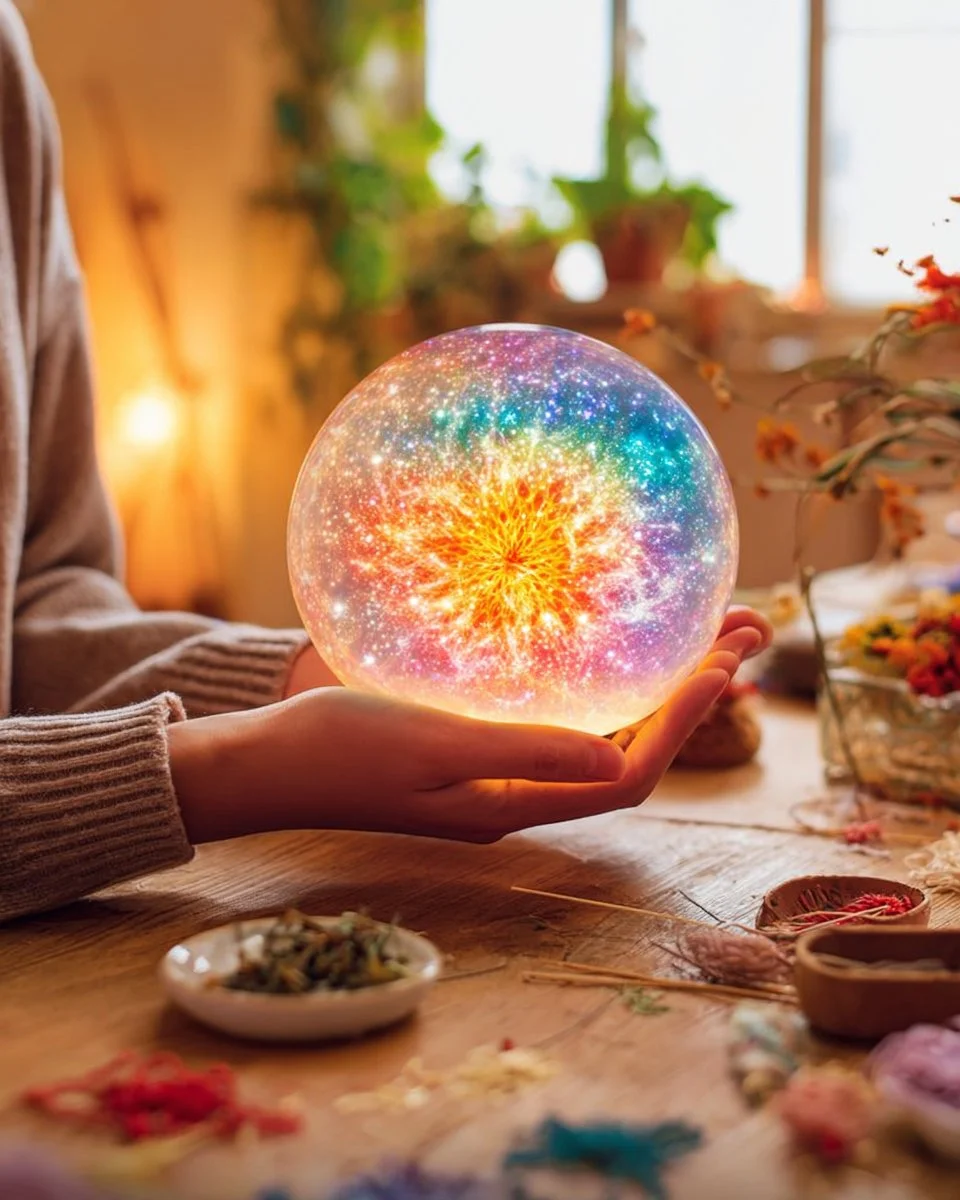
- In a small jar, mix the sugar and water until it’s dissolved.
Stir steadily until the liquid looks clear and the sugar feels fully blended.
You will notice a slightly thick texture when it is fully dissolved. - Add a few drops of your favorite food coloring and stir gently.
Drop in one to three drops depending on how bright you want it to look.
Stir slowly so the color spreads without making a lot of bubbles. - Sprinkle in some glitter and lightly swirl to combine.
Add just a pinch to avoid heavy clumping on the jar sides.
Swirl the jar gently so glitter floats and sparkles around the liquid. - Let it settle and watch how it glows in the dark!
Place the jar in a dim room or under a small lamp for a minute, then turn off the light.
Look for the subtle glow and shifting sparkles as the mixture rests.
What Kids Practice While Making This
Kids pick up a lot from this simple activity without feeling like they are doing lessons. Fine motor skills improve when they pour sugar, use a spoon to stir, or carefully drop food coloring into the jar. Those small, controlled motions help hand-eye coordination.
They also learn cause and effect. They see how sugar changes texture when it dissolves, how color spreads through liquid, and how glitter moves when the jar tilts. Those observations translate to curiosity; children often ask why the jar glows and want to try different colors or amounts.
This activity supports early science thinking. It introduces the idea of mixtures and solutions in a friendly way. Kids notice timing that the mix needs a few minutes to settle and they learn that small changes, like an extra drop of color or more glitter, can change what they see.
If you want a different hands-on science option later, this activity pairs well with other simple experiments like a fizzing balloon project that also uses kitchen staples: balloon baking soda experiment.
Troubleshooting Common Issues
If the sugar does not dissolve easily, warm your water slightly before mixing. Room temperature water works most times, but warm water speeds up dissolving and reduces grit. If you do warm it, do not use boiling water; just comfortably warm by touch.
If the color pools at the bottom or looks streaky, stir a little longer. Sometimes food coloring clings to the spoon or the jar side, so a slow, even stir helps the color move through the whole jar. A gentle swirl of the jar also evens things out.
If the glitter settles too quickly, add a very small extra stir or tilt the jar once in a while to keep things moving. Another trick is to use finer glitter if you have it; it suspends better than chunky pieces. But do not add more ingredients to thicken the liquid keep to the list provided.
If the glow seems faint, move the jar into a darker room and give your eyes a moment to adjust. The glow effect often appears subtle at first and becomes clearer after 30 to 60 seconds in dim light. If kids expect a neon glow like a glow stick, set calm expectations: the jar gives a soft glow and sparkles, not permanent bright light.
Easy Variations to Try
Try one color per jar to set up a small glowing collection. Kids enjoy comparing which color looks brightest in dim light. Use the same basic steps but different food coloring to make a mini display.
Make a “surprise swirl” by adding color in layers. Let the first color settle for a minute, then add another color on top and watch the bands blend slowly. This adds patience practice and a built-in moment of anticipation.
Turn it seasonal by matching colors to holidays. Soft pastels for spring, bright primary colors for summer, warm oranges and reds for fall, or icy blues for winter. The basic recipe stays the same, but presentation feels new.
Use different glitter sizes and colors for texture experiments. Finer glitter gives a mist of sparkle while larger pieces make slower-moving, chunky glints. Let kids test a pinch of each and describe what they see.
If you want a creative follow-up that keeps the hands busy, try making small bouncy balls with a different, child-friendly recipe: calm bouncy balls recipe.
Storing or Reusing This Project
If you want to keep the jar as a little night light, close it with a lid and store it in a dark place. The glow will not last forever like a chemical glow stick, but in the first few nights the subtle shimmer can still be pleasing.
To reuse the glitter and jar, pour the mixture down a sink with running water and rinse the jar well. Use warm water and soap and you will remove most sugar and color stains. If you plan to reuse the glitter, scoop it out onto a paper towel before rinsing, but know that glitter often clings and cleaning it perfectly can be tricky.
For cleanup, sugar can get sticky as it dries, so wipe spills promptly with a damp cloth. If children get food coloring on hands or surfaces, a bit of soap and water handles most stains. Keep a small cleanup station nearby when you work, with paper towels and a damp cloth ready.
If you want to reduce waste, reuse jars from food you already have. That keeps costs down and turns everyday containers into a creative tool. When disposing of excess glitter, try to limit how much goes down the drain to reduce small-particle pollution.
FAQs About Glowing Ball Activity
Will this project make a big mess?
A small sticky spot or a few glitter specks is most likely. Sugar dissolves in water easily, so it rarely leaves a stubborn mess. If glitter escapes the jar, it can spread, but a quick wipe or a small vacuum run on the table clears most of it. Keep a towel under the jar if you worry about spills.
Is this safe for young children?
The ingredients are food-safe but this activity is not for eating. Supervise young children so they do not taste the mixture and to limit glitter handling. For preschoolers, let an adult handle the stirring if they get too enthusiastic. This is a low-risk craft when you stay nearby.
Can I substitute anything for the sugar or water?
Stick with the 1 cup sugar and 1/2 cup water for best, predictable results. I have tried slightly different ratios and found the sugar-to-water balance gives the right texture and clarity. Substituting other liquids can change how the coloring and glitter behave.
How long will the glow last?
Expect a subtle glow that is best right after you dim the lights. The jar does not glow indefinitely like a charged object, but the color and sparkle look nice for a while. If you leave the jar closed and in a darker space, the visual effect stays pleasant for a short time, but do not expect long-term luminescence.
What if the color looks dull or uneven?
That happens sometimes with heavier drops or slow stirring. A gentle extra stir usually fixes it. If color is very uneven, let the jar sit undisturbed for a few minutes and the denser bits often even out as they dissolve.
A Final Helpful Note
You do not need perfect results to make this feel like a success. The small moments of mixing, the quiet watching as the color moves, and the shared surprise when the jar glows are the real wins. Let kids try different ideas, and if something spills or stains a little, treat it as part of the making story.
Trust your setup and keep it simple. A towel under the jar and a damp cloth for quick cleanup make this a low-stress activity. Change one small thing next time a different color, a pinch more glitter and you will see new reactions without more complicated steps. You can do this today, tomorrow, and again next week and it will still feel fresh.
Conclusion
If you want a playful digital distraction after crafting, consider checking out the puzzle-style challenge of Glow Ball on Steam for relaxing single-player puzzle time. For a faster, on-the-go game that kids often enjoy, take a look at Going Balls on Google Play.
PrintGlowing Ball Activity
A fun and simple science activity that creates a glowing jar using household ingredients, perfect for kids.
- Prep Time: 10 minutes
- Cook Time: 0 minutes
- Total Time: 10 minutes
- Yield: 1 glowing jar 1x
- Category: Activity
- Method: Mixing
- Cuisine: N/A
- Diet: N/A
Ingredients
- 1 cup sugar
- 1/2 cup water
- Food coloring (your choice)
- Glitter (optional)
- Small jar or clear container
Instructions
- In a small jar, mix the sugar and water until it’s dissolved.
- Stir steadily until the liquid looks clear and the sugar feels fully blended.
- Add a few drops of your favorite food coloring and stir gently.
- Sprinkle in some glitter and lightly swirl to combine.
- Let it settle and watch how it glows in the dark!
Notes
This activity is low-mess and great for teaching kids about mixtures and solutions. Supervise younger children to ensure safety.
Nutrition
- Serving Size: 1 jar
- Calories: 100
- Sugar: 24g
- Sodium: 0mg
- Fat: 0g
- Saturated Fat: 0g
- Unsaturated Fat: 0g
- Trans Fat: 0g
- Carbohydrates: 25g
- Fiber: 0g
- Protein: 0g
- Cholesterol: 0mg