

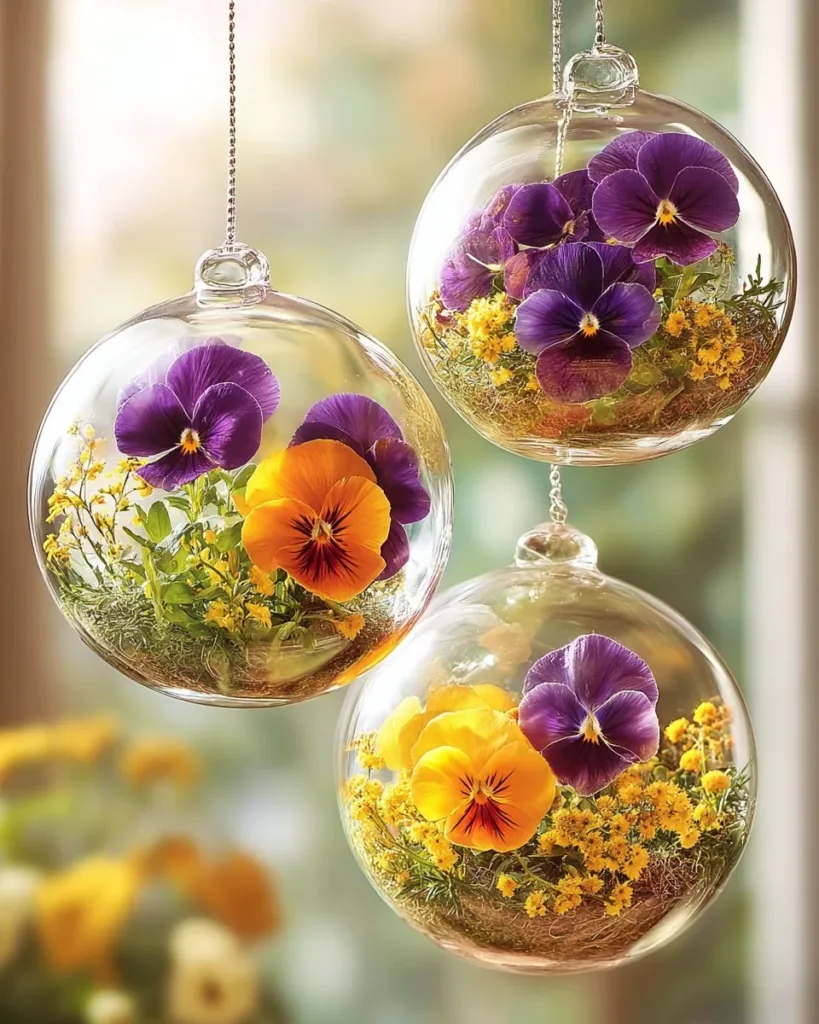
A busy afternoon, kids buzzing with energy, and a window that could use a little cheer. That was my scene the first time I tried this Suncatcher project with my two kids and a half-empty jar of glass paint. We cleared a small patch on the kitchen table, set out a few dried pressed flowers and acrylic discs, and the whole hour turned into a calm, colorful ripple in an otherwise hectic day.
If you need a quick, low-stress craft that still looks special, this Suncatcher fits the bill. It brightens a window, uses simple household items, and gives kids a real sense of accomplishment without a huge mess. If you want to see another take that uses thin bioplastic and pressed flowers, I often point curious readers to my bioplastic suncatchers for a slightly different method that also works well for gifts.
Why You’ll Love Making Suncatcher
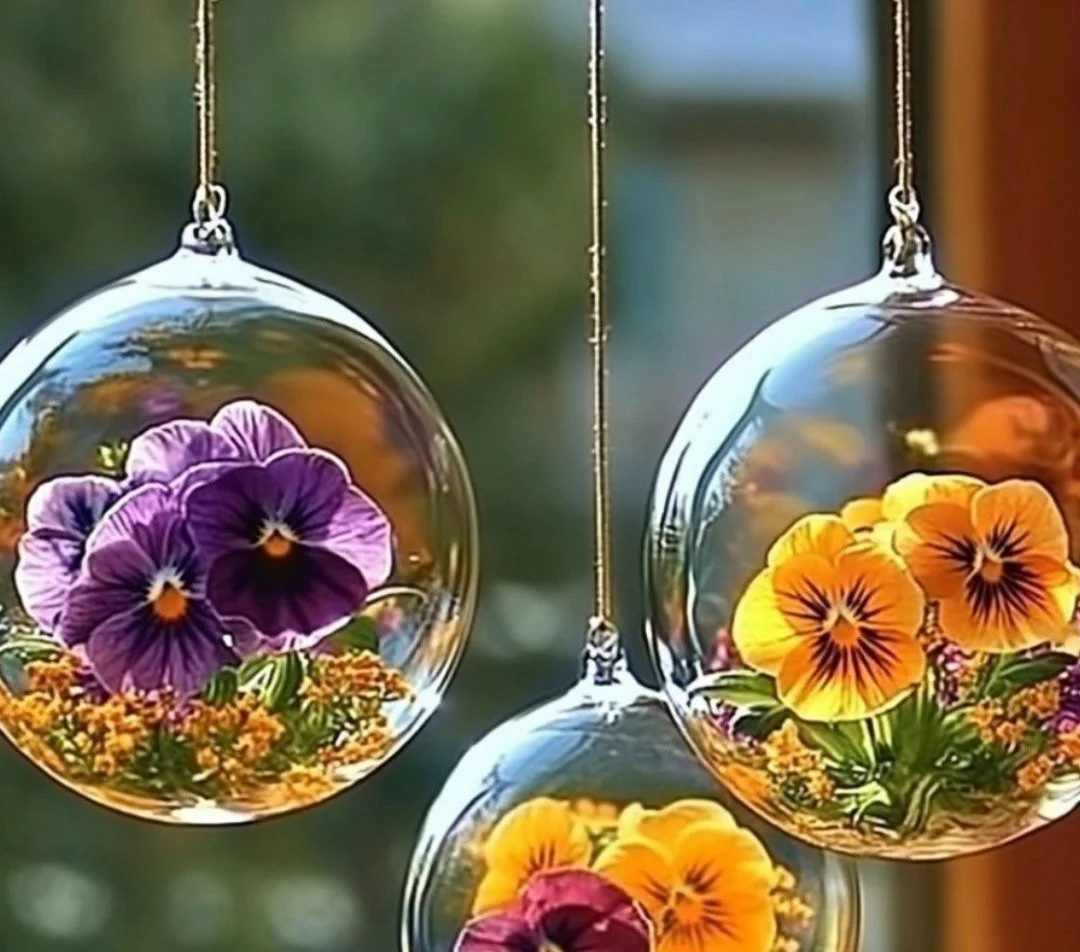
This project works because it keeps things small and satisfying. You work on one clear circle at a time, so it never feels overwhelming. The materials list stays short, and most items are easy to source or already in a craft drawer.
It stays low-prep. You do a simple wipe of the disc, outline, fill, and hang. The most patient part is drying time, not your active work time.
It fits real schedules. Kids can help with outlining and placing flowers while adults handle the outline if needed. You can start in the afternoon and hang them the next morning.
A Quick Look Before You Begin
Give yourself an hour of hands-on time and then a longer quiet stretch while paint dries. Plan for at least 1 to 12 hours of drying depending on the paint you use.
Setup stays simple. Lay down a towel or craft paper, gather brushes, paints, and pressed flowers, and keep a small cup of water for brushes nearby.
Mess is minimal but real. Expect a few paint blobs, maybe a smudge on a fingertip, and some stray leaves. Have wet wipes handy and a small tray for tiny bits.
Adult help depends on age. Younger children will need a hand with outlining and placing delicate pressed flowers. Older kids can manage most of the steps with a quick demonstration.
Materials You’ll Need
Clear glass circles or clear acrylic discs
Glass paint or permanent markers
Small brushes or toothpicks
Liquid leading or puffy paint
Ribbon, twine, or fishing line
Suction cup hooks or a window safe hanging method
Laminating pouches or transparency sheets
Dried pressed flowers, leaves, ferns
Scissors
String or invisible thread
Black paper
Notes: Most of these are common household or craft-store items. Permanent markers can work in place of glass paint for a quicker finish. Laminating pouches are optional for extra protection or to create a layered effect. Black paper makes colors pop when you hold the suncatcher up to a window.
Step-by-Step Directions
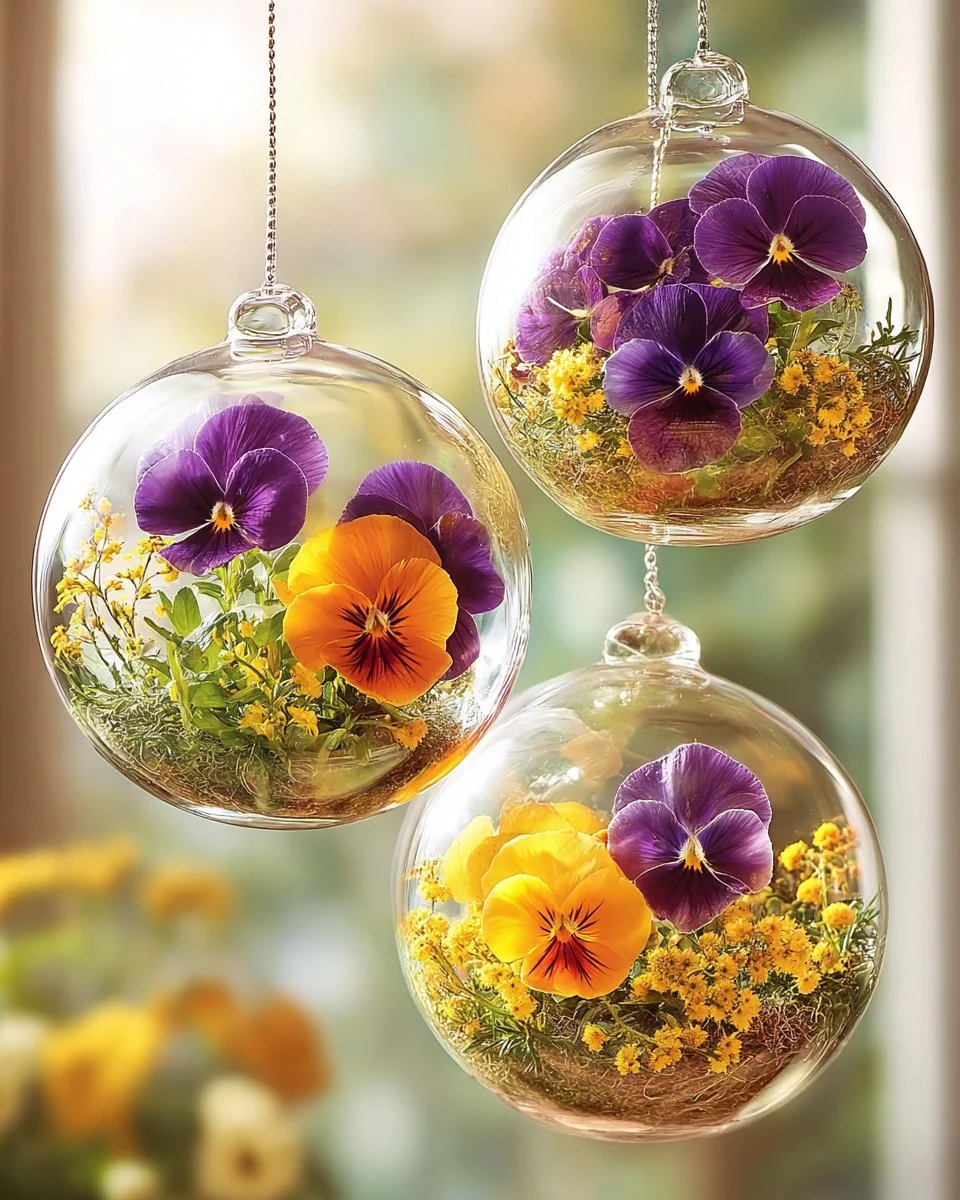
- Start by cleaning your glass or acrylic discs with soap and water. Make sure they’re completely dry.
Wipe each disc with a soft cloth and let air-dry on a towel.
Look for fingerprints or dust before the next step; a quick breath test shows any remaining particles. - Use liquid leading or puffy paint to outline your design. Let it dry for 1-2 hours.
Draw a steady outline around the edge or make shapes in the center for a stained-glass feel.
Check that the leading feels firm and no longer tacky before moving on. - Fill in your design with glass paint, and it’s best to let it dry overnight.
Apply thin layers and let small sections dry so colors do not run together.
You will notice a glossy finish and a slightly raised texture where colors meet the leading after full drying. - Add a ribbon or twine to hang it up, or you can glue a hook on the back.
Thread ribbon, fishing line, or invisible thread through a hole or wrap it securely if the disc has no hole.
Use a small suction cup hook on a clean window or a low-hanging nail for display.
The Learning Behind This DIY

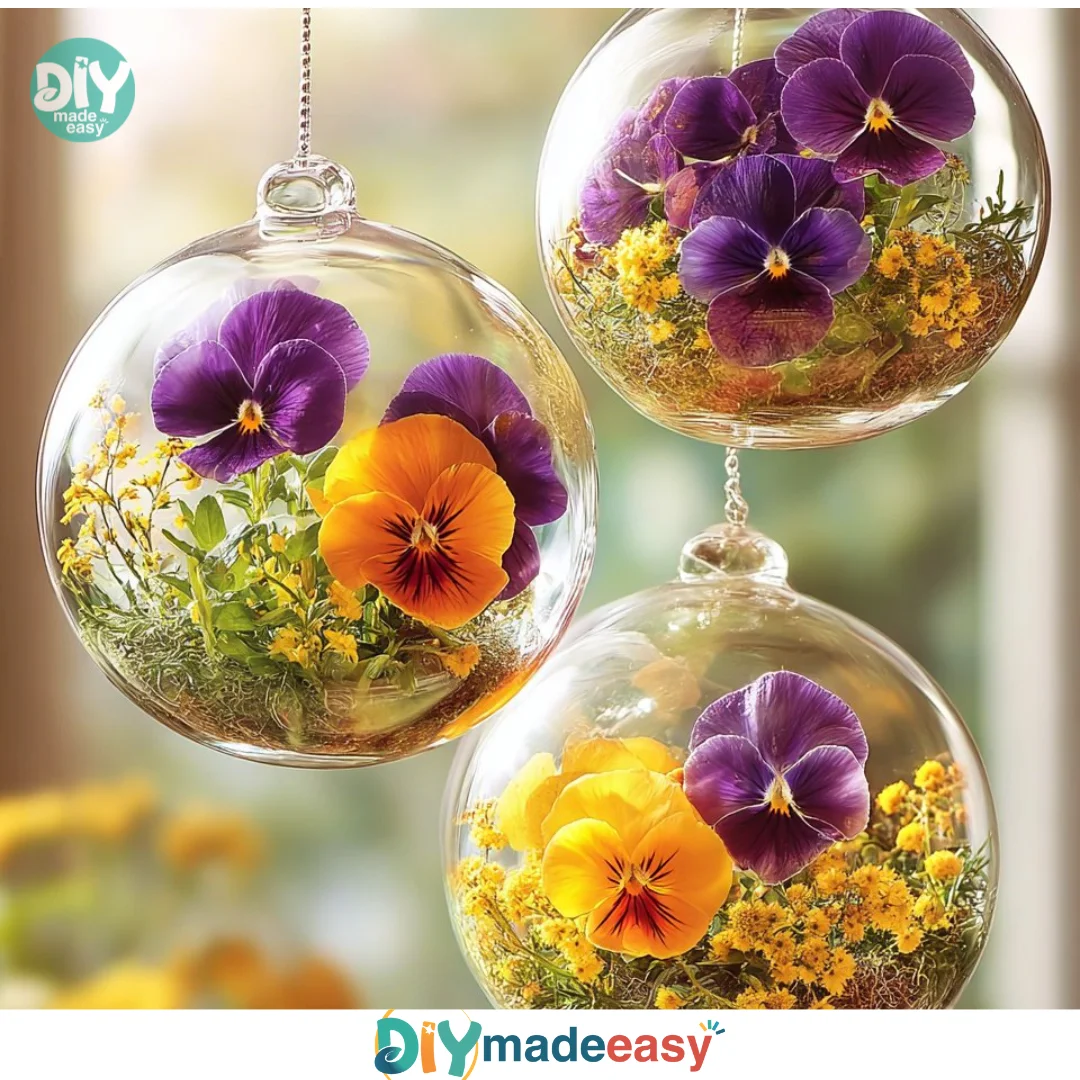
Kids practice fine motor control while tracing outlines with liquid leading. The slow squeeze and gentle movement build hand strength and steady coordination.
They see cause and effect with paint drying. A watery blob spreads; a thicker layer stays in place. Those moments teach patience and visual judgment.
This project uses simple science: light passing through colored paint changes how colors look. Pressed flowers block light, creating silhouettes. It gives a clear, friendly window into how light and color interact.
Hands-on cues help learning. You can ask kids to feel the dry leading, watch the paint change as it cures, and decide if a petal sits flat enough to seal.
Troubleshooting Common Issues
If your outline looks lumpy or has air bubbles, it probably came from a shaky squeeze or cold paint. Warm the tube in your hands briefly, then practice on scrap plastic first.
If paint pools or beads up, you used too much at once. Gently dab excess with a toothpick and let that section dry before adding more color nearby.
If pressed flowers lift after you place them, press them back down and weigh them gently with a clean tool. You can add a tiny dab of clear glue under the petal to secure it before sealing.
If colors run together, you likely painted before the leading fully dried. Wait longer for the outline to set, or allow each color to dry a bit before painting adjacent areas.
If the final piece looks cloudy instead of clear, it may have dust trapped while drying. Keep projects indoors away from fans and drafts and allow full drying on a clean surface.
Easy Variations to Try
Use transparent markers for a quick version that dries fast and cleans up easily. This works well for last-minute making.
Create a nature scene by arranging pressed ferns and leaves in a layered look. Add a pale blue wash of paint for a sky effect.
Make a set of small discs and string them together as a sun-catching garland. Vary sizes and colors to make movement in the light.
Try a bold, modern look by painting thick black outlines and filling them with bright, opaque colors. For more inspiration, I sometimes mix this approach with techniques from my bold color bioplastic suncatchers post for a playful, saturated finish.
Making this work for different ages: let preschoolers place flowers and older kids handle painting and hanging. For very young kids, skip liquid leading and use the laminating pouch method to press flowers between two clear sheets.
Storing or Reusing This Project
To keep suncatchers looking fresh, wipe them with a soft cloth and mild soap. Avoid harsh chemicals that dull the paint.
Reuse leftover paint by sealing lids tightly and storing in a cool, dry place. Glass paint lasts if you prevent air exposure.
If a piece gets nicked, you can carefully touch up with a small brush or marker. For fragile petals, place the disc behind a laminating pouch to protect it.
To store completed suncatchers flat, wrap each in tissue paper and lay them in a shallow box. Avoid stacking heavy items on top.
If you have laminating pouches left over, use them to create small pressed-flower bookmarks or to protect practice pieces for future use.
FAQs About Suncatcher
Will this make a big mess in my kitchen?
I am worried about paint on the table. It will not be a disaster. Lay down a towel or craft paper and keep wet wipes handy. The active paint time is short and most mess comes from tools, not walls. If a bit of paint gets on the table, it usually lifts off with soap and a soft scrub while it is still wet.
Can young children do this safely?
Yes with supervision. The main safety considerations are small bits like dried leaves and small hooks, and keeping paint away from mouths. I let preschoolers place flowers and older kids squeeze paints. Always supervise and use non-toxic paints if that is a concern.
What if I do not have glass paint?
Permanent markers can work in a pinch. They dry faster and reduce smudging, though they will not have the same glossy depth. If you use markers, avoid heavy layering and test how they look on a spare disc.
How realistic will the finished suncatcher look?
It will look charming and handmade, not factory-perfect. Lines may be a bit wobbly and petals may sit slightly raised. That handmade look is part of the appeal. Expect nice color and a satisfying, window-ready finish when you follow the dry times.
How long do finished pieces last in sunlight?
They last well with gentle sun exposure for months to years depending on materials. Glass paint can fade slowly in strong, direct sun over many months. Rotating display spots and storing extras out of direct, hot sun helps them keep their best color.
A Final Helpful Note
Take it slow and enjoy the small wins. If the outline takes a little longer to dry, that is okay. If a flower shifts, use that as a teaching moment about gentle handling.
This craft rewards patience. The next morning, you will see how the light changes every petal. If a piece does not come out exactly as you hoped, make another and try a small tweak. You will get the hang of the squeeze, the brush stroke, and the right moment to place a petal.
Conclusion
If you want a very different take that brings craft and small-batch flavor together, check out Suncatcher Brewing for an unrelated note of inspiration on creative names and local crafts. For those who love boats, sunlight, and the relaxed feel of lakeside color, see the visual style on SunCatcher Pontoons: Homepage to imagine these suncatchers catching light in a summer window.
PrintDIY Suncatcher
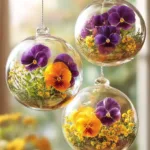
A fun and engaging craft project for kids to create colorful suncatchers using household items.
- Prep Time: 60 minutes
- Cook Time: 720 minutes
- Total Time: 780 minutes
- Yield: 1 suncatcher
- Category: Craft
- Method: Crafting
- Cuisine: N/A
- Diet: N/A
Ingredients
- Clear glass circles or clear acrylic discs
- Glass paint or permanent markers
- Small brushes or toothpicks
- Liquid leading or puffy paint
- Ribbon, twine, or fishing line
- Suction cup hooks or window-safe hanging method
- Laminating pouches or transparency sheets (optional)
- Dried pressed flowers, leaves, ferns
- Scissors
- String or invisible thread
- Black paper (optional)
Instructions
- Start by cleaning your glass or acrylic discs with soap and water. Make sure they’re completely dry.
- Wipe each disc with a soft cloth and let air-dry on a towel.
- Look for fingerprints or dust before the next step.
- Use liquid leading or puffy paint to outline your design and let it dry for 1-2 hours.
- Draw a steady outline around the edge or make shapes in the center.
- Fill in your design with glass paint, and it’s best to let it dry overnight.
- Add a ribbon or twine to hang it up, or glue a hook on the back.
- Thread ribbon, fishing line, or invisible thread through a hole or wrap it securely.
- Display your suncatcher on a clean window or a low-hanging nail.
Notes
Use permanent markers for a quicker finish. Laminating pouches are optional for extra protection. Black paper can help colors pop when displayed against the light.
Nutrition
- Serving Size: 1 project
- Calories: N/A
- Sugar: N/A
- Sodium: N/A
- Fat: N/A
- Saturated Fat: N/A
- Unsaturated Fat: N/A
- Trans Fat: N/A
- Carbohydrates: N/A
- Fiber: N/A
- Protein: N/A
- Cholesterol: N/A