

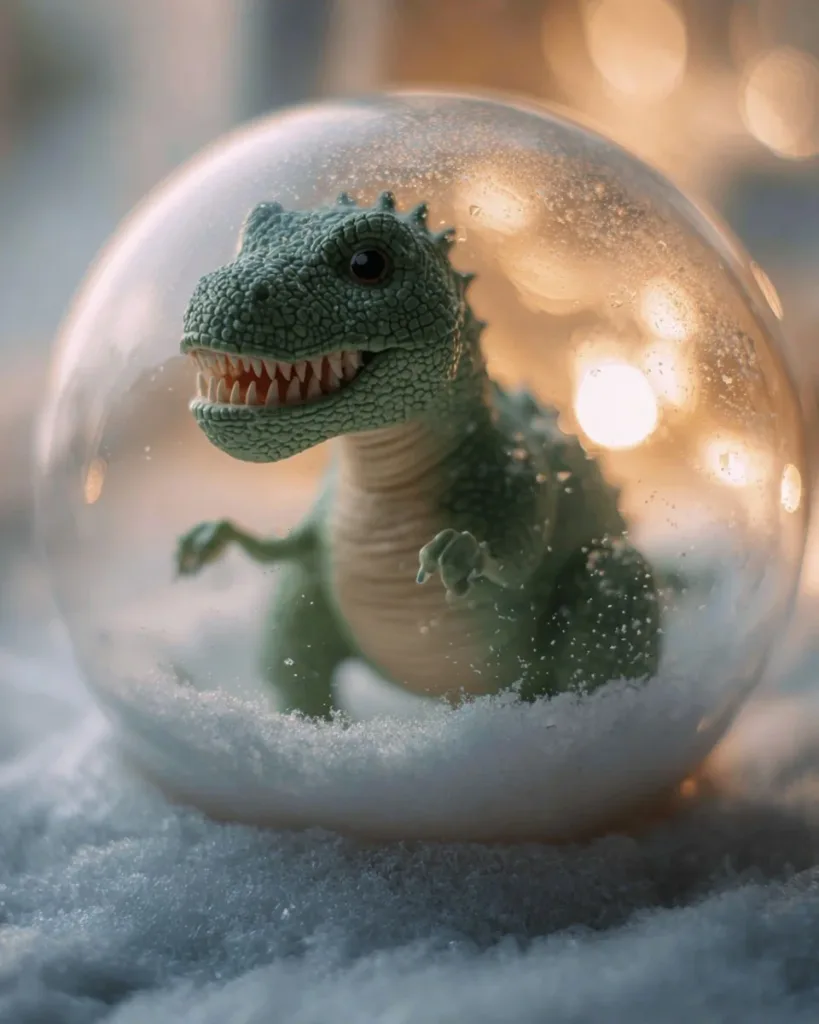
A late afternoon hits and the kids suddenly want something hands-on right now. You do not have a long setup window, but you want something that feels special, a little messy in the best way, and that will hold their attention. Frozen Dinosaur Eggs fits that moment perfectly.
It turns a few ordinary household items into a tiny excavation site, gives kids the thrill of chipping away at ice, and finishes with a small, exciting reveal. If you like short prep and big smiles, this is one to keep in your family activity bag. For another quick freezer-based idea that works well on busy days, try our take inspired by a frozen bubbles activity and use the same calm setup approach here.
Why You’ll Love Making Frozen Dinosaur Eggs
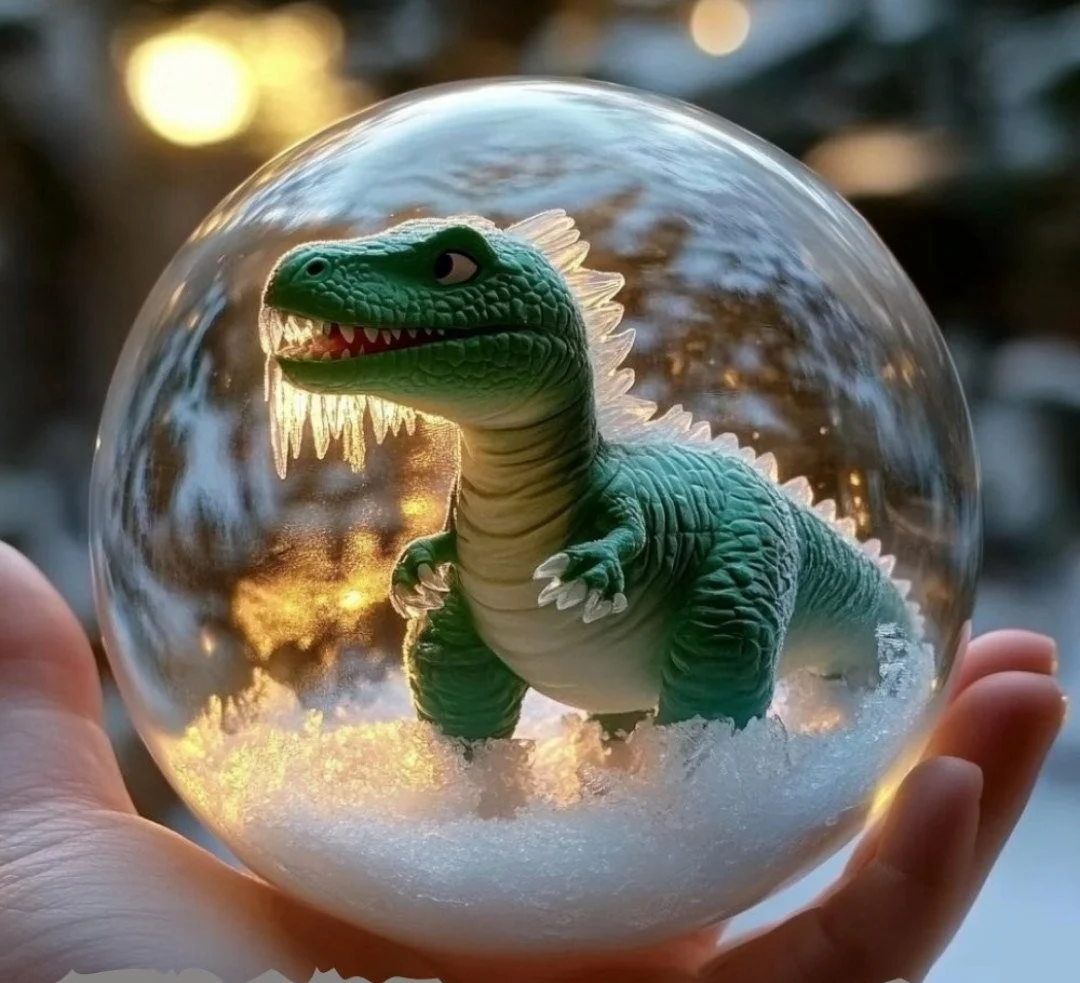
This activity lives where easy meets memorable. You get a project that takes very little time to prepare, uses things you likely already have, and gives a clear, satisfying finish when the toy is revealed. The steps are short, the mess is mostly water and melting ice, and kids get immediate feedback as they tap and watch pieces come away.
It works well with short windows because most of the effort is hands-off while the eggs freeze. You can set them up in under ten minutes. It feels fancy to kids because ice cracking and color mixing look dramatic. The materials are cheap. The results do not need perfection to be fun even unevenly frozen eggs still give a great experience.
How This DIY Comes Together
This project moves in two simple phases. First, you prepare the balloons and freeze them. That part is almost pure waiting. Second, you do the reveal, which is active, loud, and playful. Total adult involvement varies. You do the prep and the safety check for the reveal. Depending on age, kids can do most of the tapping under your watchful eye.
Expect a low level of mess. Melting ice makes puddles, so plan a towel or a tray nearby when you do the reveal. The noise level can jump when a hammer hits ice, so use a calm voice to set rules before starting. Timing is forgiving. If an egg takes a little longer to freeze, it only changes when you get to the fun part.
Materials You’ll Need
Balloons
common household item, use standard water balloons or any small balloon that can stretch over a toy
Small plastic dinosaur toys
toy figures work best when they slip easily into the balloon neck
Water
tap water is fine; colder water can make clearer ice
Food dye (optional)
adds color and makes each egg look unique; use just a drop per balloon
Hammer
a small hammer works; adult supervision required during tapping
STEP-BY-STEP DIRECTIONS

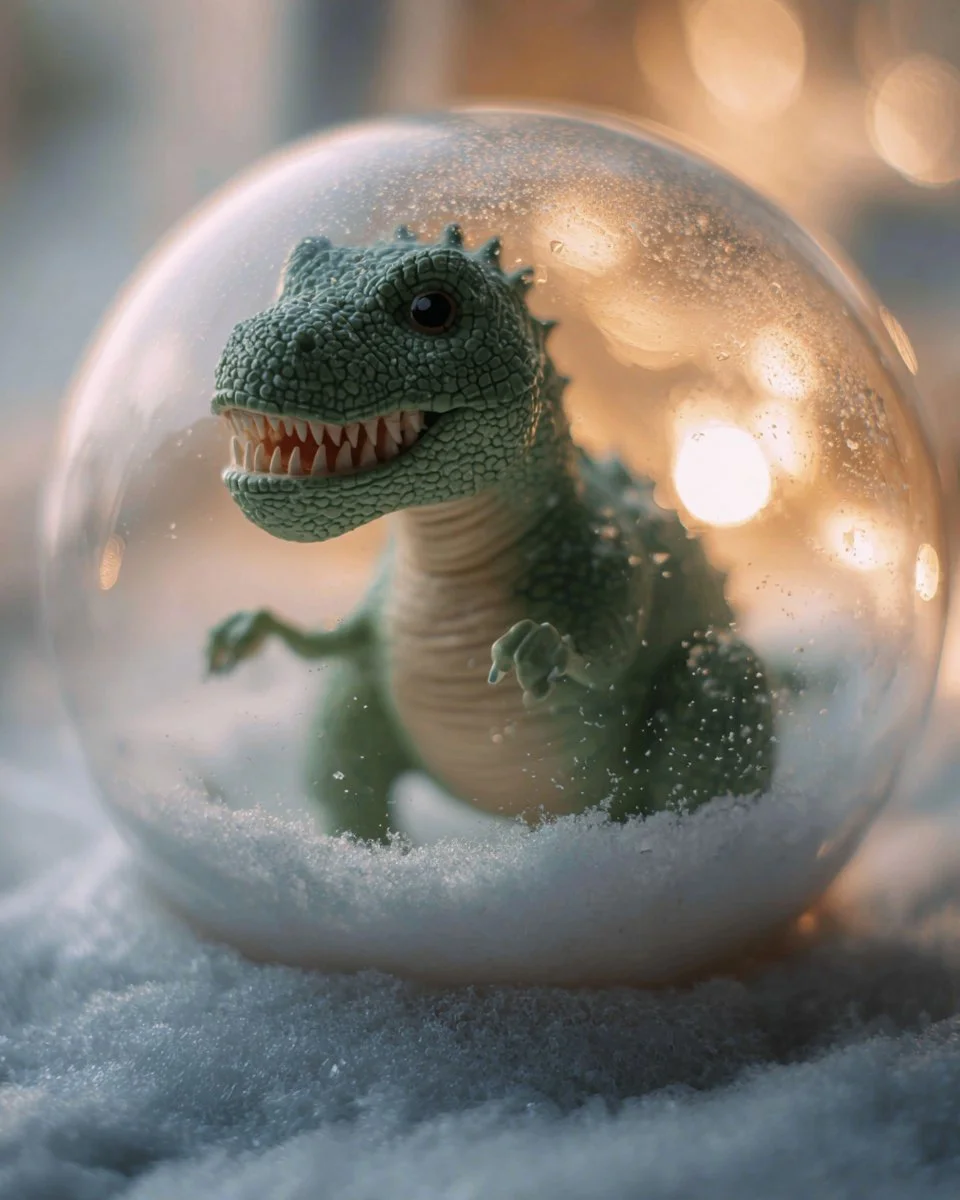
- Begin by placing a small plastic dinosaur toy inside each balloon.
Stretch the balloon open and slide the toy in feet first.
Make sure the toy sits low enough that the balloon neck can close around it. - Fill the balloons with water and add a drop of food dye for color if you like.
Hold the balloon neck while you pour slowly so you do not spill.
Fill to a size you want, remembering larger eggs take longer to freeze. - Tie off the balloons and place them in the freezer until they’re completely frozen.
Tie each balloon tightly so no water escapes while freezing.
Lay them flat or stand them in a bowl so they freeze in the shape you like. - When you’re ready, take the frozen balloons out, remove them, and let your little ones use a hammer to break the ice and reveal the ‘dinosaur eggs’.
Peel off the rubber balloon shell first so the ice is exposed.
Set each frozen egg on a towel or plate and let kids tap gently with the hammer until the toy appears.
The Learning Behind This DIY
This activity gives children hands-on practice with several simple science and motor skills. They see how water turns solid in the freezer and how cold makes the toy and dye sit inside clear ice. When kids tap at the ice, they learn cause and effect in a very direct way: hit, chip, reveal.
Fine motor skills get a workout. Holding a hammer with a controlled tap is different from swinging hard. Picking up small ice pieces and feeling the slick edges builds tactile awareness. If you let kids observe the melting process, they learn about temperature change. The colored water mixing around a toy shows how dye spreads through a liquid and then stays trapped once frozen.
Troubleshooting Common Issues
If the balloon splits while filling, the water likely filled too fast or the balloon thinned at one spot. Let the little spill be a short cleanup wipe the counter and refill more slowly. Try a smaller fill size next time.
If the ice looks cloudy instead of clear, that is normal with tap water. It happens because tiny air bubbles or minerals freeze unevenly. It does not affect the fun. If you want clearer ice next time, try letting water sit for a bit before freezing to let some air escape.
If a toy shifts and the balloon neck cannot tie well, push the toy down a little deeper and try again. You can also squeeze out a bit of water to get a tighter tie. A loose tie may leak during freezing but the egg will still form; it just might be flatter.
If kids tap and the ice only cracks in one place, ask them to tap around the top and sides instead of the same spot. Rotate the egg as they work. Small, repeated taps usually work better than one hard swing and feel safer for younger kids.
Easy Variations to Try
Color-coded eggs
try a different food dye color for each egg so kids can match colors when they find their dinosaur.
Mini excavation
bury the frozen eggs in a shallow tub of sand or rice for a soil-like dig that adds patience and focus.
Timed challenge
for older kids, set a gentle timer and see who can reveal their dinosaur first using steady taps.
Seasonal themes
use green and brown tones in spring or icy blues in winter to make the eggs feel like part of a holiday project.
Making this work for different ages
for toddlers, pre-crack the ice and let them pull pieces away. For school-age kids, set up a small “dig station” that lets them work with tools and record which dinosaur they found.
Storing or Reusing This Project
Keep the extra toys separate and dry so you can use them again in future batches. The frozen eggs do not store well once they thaw, but you can refreeze leftover water in the same balloon if the toy was not damaged. If you have extra balloons, you can keep a few already filled and labeled in the freezer for another last-minute session.
Clean up stays simple. Collect the melted water in a shallow bowl or on a towel that you can wring out. Rinse any sticky dye from toys quickly so color does not set into small crevices. Reuse the balloon shells if they are still intact, or place them in the trash. Reducing waste is easy: choose smaller balloons and small toys so you use less water and storage space.
FAQs About Frozen Dinosaur Eggs
How messy will this be in my kitchen?
You will get water on the counter and a few puddles as the ice melts. That is normal and usually quick to deal with. Put down a towel or a tray before the reveal and keep paper towels handy. If food dye gets on a surface, wipe it right away with warm water it usually cleans up without trouble. I have done this project multiple times and the worst mess is an enthusiastic puddle; it never takes long to clear.
Is this safe for young children?
This activity needs close adult supervision because of the hammer. I suggest children under five tap the ice with an adult nearby or use a safer tapping tool you already have at home. Make rules about gentle taps and show them how much force to use. I always position the egg on a stable surface and remind kids to keep fingers away from the strike area. With calm supervision, it is a playful and safe activity.
Can I substitute toys if I do not have dinosaurs?
You can use any small plastic toy that fits inside the balloon neck, but keep them similar in size so they freeze well. Do not use toys with loose parts that could come off in the ice. If you are trying this with different toys, test one first to be sure it sits down inside the balloon and ties without trapping pieces.
What if the balloon sticks to the ice when I peel it off?
That happens sometimes. Pull the balloon shell slowly and steadily. If it feels hard to remove, run a little warm water over the surface for a second to loosen it, then peel. Once the shell is off, the ice will be smooth and ready for tapping. I find that stretching the balloon gently as I pull makes the peel faster and less fiddly.
How long do these need to freeze?
Plan for at least several hours, and overnight is easy and low-effort. Thicker eggs need more time. If you are short on time, make smaller eggs so they freeze faster. From experience, a standard balloon filled to about the size of a small orange takes about eight hours to freeze solid in a regular home freezer.
A Final Helpful Note
This is one of those projects where the joy comes from the process as much as the result. Expect imperfect ice, slightly squished shapes, and loud giggles as the kids tap. Let the rules be gentle: one hammer rule, one eye on each child. If an egg breaks unevenly or a toy comes out wet with bits of ice, that still counts as success. Keep the mood light and celebrate the reveal, no matter how the ice looks.
Conclusion
If you want a few more ideas and a different take on the same concept, check out The Imagination Tree’s frozen dinosaur eggs sensory play for a variety of sensory twists that pair well with this activity. For step-by-step variations and a deeper look at hatching frozen eggs, visit Little Bins for Little Hands’ hatching frozen dinosaur eggs to see how other families make the reveal extra dramatic.
For more projects that use the same easy setup idea, explore our guides on crystal eggshell geodes for a sparkly follow-up and try our DIY dragon eggs for another imaginative twist that keeps the fun going.
PrintFrozen Dinosaur Eggs
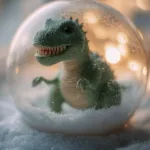
Transform ordinary household items into frozen dinosaur eggs that kids can excavate, providing a fun and engaging activity for the whole family.
- Prep Time: 10 minutes
- Cook Time: 480 minutes
- Total Time: 490 minutes
- Yield: 4 servings
- Category: Activity
- Method: Freezing
- Cuisine: N/A
- Diet: N/A
Ingredients
- Balloons
- Small plastic dinosaur toys
- Water
- Food dye (optional)
- Hammer
Instructions
- Begin by placing a small plastic dinosaur toy inside each balloon.
- Fill the balloons with water and add a drop of food dye for color if you like.
- Tie off the balloons and place them in the freezer until they’re completely frozen.
- When you’re ready, take the frozen balloons out, remove them, and let your little ones use a hammer to break the ice and reveal the ‘dinosaur eggs’.
Notes
Keep a towel or tray nearby to manage the melting ice. Supervise children closely during the hammering process for safety.
Nutrition
- Serving Size: 1 egg
- Calories: 50
- Sugar: 0g
- Sodium: 0mg
- Fat: 0g
- Saturated Fat: 0g
- Unsaturated Fat: 0g
- Trans Fat: 0g
- Carbohydrates: 12g
- Fiber: 0g
- Protein: 0g
- Cholesterol: 0mg