

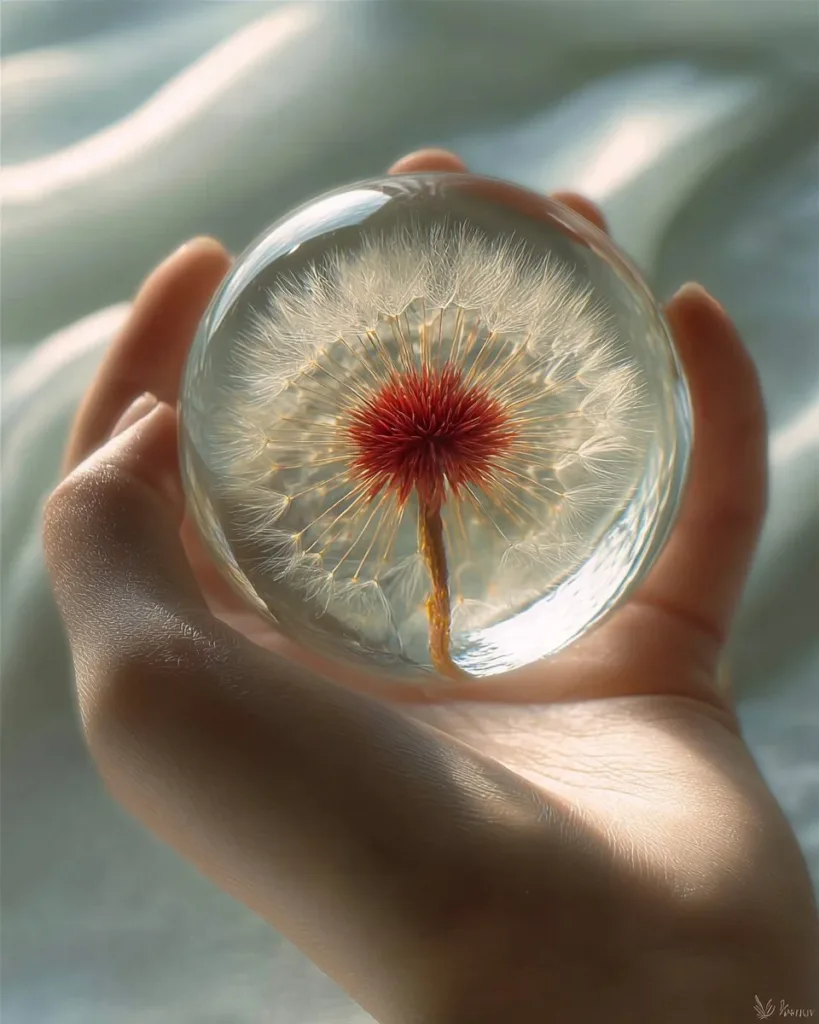
A late afternoon slump. The kids burst through the door, hungry and buzzing, asking to make something right now. You pull out a saucepan, glance at the clock, and remember a tiny recipe that turns a few kitchen staples into colorful, sturdy little treats. Colored Sugar Water Treats fit that exact moment: quick to start, safe enough for older kids to help with, and satisfying enough to feel like a real win on a busy day. If you want something cozy and hands-on that does not take all evening, this is it, and it pairs nicely with projects like our Fireworks Rainbow Sugar Explosion when you want to make a whole afternoon of sugar science.
Why This Colored Sugar Water Treats Works So Well
This recipe uses one straightforward idea: sugar plus water, with a splash of vinegar, becomes a clear, pourable mix that turns into a firm, slightly glossy treat once it cools. You do not need special tools or rare ingredients. That keeps the prep low and the setup simple.
It fits real life. You can get the saucepan out, involve an eager kid or two for color choices, and be pouring into molds in under 15 minutes. The timing gives you space to breathe. You do not have to babysit long simmering or complicated stirring.
It stays approachable. The textures are predictable. You will see sugar dissolve, the mix go from slightly cloudy to clear, and then it firms in a way you can feel with your fingers. Those cues guide you and your helpers without math or measuring drama.
It stays reliable. The vinegar helps control crystallization so the finished pieces set more evenly. That small detail means you will often get good-looking results on the first try, which matters when you want a quick win.
A Quick Look Before You Begin
This whole activity usually takes about 30 to 60 minutes from start to finish, depending on how long you let the pieces set. Active stove time sits around five to ten minutes for heating and stirring. Pouring and coloring take another five to ten.
Setup stays minimal. Pick a clear work surface, lay down a small towel for drips, and set molds or a lined tray near the stove. You will want a couple of small cups for dividing the sweet mix before adding color.
Mess level is low to medium. Sugar can be sticky, and a quick rinse solves most drips. Have a damp cloth ready and an extra measuring cup to avoid sticky hands spreading through the kitchen.
Adult involvement is important at the stove. Let kids pour and stir in small safe ways once the mix cools a little. For the heating phase, an adult needs to manage the pan and keep an eye on bubbles and steam.
Materials You’ll Need
1 cup sugar
Common household item. Granulated white sugar works best.
1/2 cup water
Common household item. Tap water is fine.
1/4 cup white vinegar
Common household item. This small amount helps the texture.
Food coloring
Common household item. Liquid food coloring or gel both work; use gel in very small amounts.
If you enjoy simple sugar projects, check out our take on Homemade Sugar Bubble Gum for another easy, family-friendly kitchen experiment.
STEP-BY-STEP DIRECTIONS
- In a saucepan, combine the sugar, water, and white vinegar.
Gently stir the dry sugar into the water first so it wets evenly.
Keep the pan on a medium setting and stand ready to stir. - Heat over medium heat, stirring until the sugar is completely dissolved.
Watch for the mix to go clear and gloss over; that tells you the sugar has dissolved.
Do not rush to a boil. You want a steady warm bubble, not a rolling boil. - Remove from heat and let cool slightly. Then, divide the mixture into separate containers.
A five-minute rest usually brings the mix down enough to safely handle.
Spoon or pour into small cups for coloring, watching for steam when you first open the pan. - Add food coloring to each container to achieve your desired colors and stir well.
Start with a drop or two; food coloring concentrates differently by brand.
Stir until the color runs even and the liquid stays smooth. - Pour the colored mixtures into molds or trays and let set until firm.
Tap molds gently to remove air bubbles and level the surface.
Let sit undisturbed until cool and firm to the touch, often 30 to 60 minutes depending on depth.
If you want a next-level twist on crystals and color, try comparing how these pourable treats set versus a more crystal-driven project we tested in the Rainbow Sugar Crystal Eruption Recipe. That comparison can be a nice way to show older kids how small changes in technique make different textures.
The Simple Science or Skills at Work

This recipe teaches simple cause and effect. Heat dissolves sugar into water. As the mix cools, sugar molecules re-arrange to form a firm structure. The vinegar acts as a helper. It interferes a bit with sugar’s tendency to crystallize too quickly, so the set is smoother.
Kids practice fine motor skills when they pour and stir in small cups. They practice measuring when they scoop the cup and half cup, and they observe timing when they watch colors spread through the clear mix. Those small actions build confidence and basic kitchen sense.
You also get sensory learning. The sugar mix moves from cool to warm. It goes from grainy to smooth, and then it becomes firm. Those changes are easy to notice and explain, and they give a real sense of progress.
Troubleshooting Common Issues
If the mixture looks grainy after cooling, it likely started to crystallize while cooling. That happens when the sugar sees rough surfaces or if the mix cools unevenly. Fix it by gently reheating the mix until smooth and pouring again into clean molds. Keep the pan and pouring tools smooth and dry next time.
If the color pools or separates, you used too much coloring or stirred unevenly. Stir the cup longer to blend, or dilute with a tiny splash of water, then pour. For very dark colors, use only a drop at first and add more slowly.
If the mixture does not firm up, the sugar ratio might have shifted by an accidental splash of extra water, or the mix did not cool long enough. Reheat slightly to evaporate a little water and pour again, or give it more time to set in the molds. Using thinner layers will help them set faster.
If the surface gets a white film or froth, that is normal in some batches. A light brush with a clean, slightly damp finger while the mix is still warm can smooth the surface before it fully sets. If it already set, a quick rinse of sticky edges in warm water cleans it up easily.
Easy Variations to Try
Layered colors: Pour a thin layer into the mold, let it firm for 10 to 15 minutes, then pour a second color. Repeat for stripes or ombre effects. This works best with shallow molds so each layer sets quickly.
Marbled look: Pour two colors side by side in the mold and use a toothpick or skewer to swirl them gently before the mix firms. Keep the swirl slow so the colors stay distinct but blended.
Shiny sprinkles: While the top is still tacky, press a few edible shimmery sprinkles or sanding sugar into the surface. Label these additions optional and small they add sparkle but can melt slightly over time.
Seasonal shapes: Use small holiday cookie cutters or silicone molds to shape the pieces into hearts, stars, or pumpkins. If you want to add delicate details like sugar dusting, do it right after pouring while the surface is a little tacky.
For younger children, involve them in choosing colors and in pouring pre-measured cups to molds. For older kids, let them try layering and marbling on their own with supervision near the stove.
Storing or Reusing This Project
Once fully firm, store the pieces in an airtight container at room temperature. They keep best away from humidity. If you live in a damp climate, add a small paper towel inside the container to soak extra moisture.
If some pieces get sticky or soften after a day or two, place them on a tray in a low oven or warm place briefly to dry them back out. Watch them closely so they do not melt.
If you have leftover colored mix that did not make it into molds, pour it onto a lined tray and break it into shards after it cools. Those shards work as fun toppings or little craft bits for dry decorations.
To reduce waste, reuse clean molds and cups for the next batch. Rinse sticky tools right away with warm water; sugar becomes harder to remove once it cools.
FAQs About Colored Sugar Water Treats
Will this make a huge sticky mess all over my kitchen?
You can expect small spills around the pan and the pouring area because sugar is sticky. A quick trick that usually helps is to set a damp cloth under your working cups and to keep a bowl of warm water nearby for rinsing. I have done this many times and find most drips wash off easily. If a big spill happens, scrape up cooled sugar with the edge of a spatula, then wipe with warm soapy water.
Is this safe for toddlers or younger kids to help with?
You need an adult at the stove because the mix gets hot and steamy. Kids can safely help with measuring, choosing colors, and pouring into molds after the mix cools slightly. I often have older toddlers press sprinkles on the finished surface under supervision. Match tasks to the child’s age and comfort, and keep hot-handling to adults.
What if I do not have food coloring?
The color is the fun part, but the treats will still set without it. If you want a light tint and only have natural ingredients like fruit juice, know that they add extra water and can change how the mix sets. I recommend sticking with small amounts of food coloring for predictable results.
How long do the treats last?
At room temperature in an airtight container, they stay best for a day or two. After that they can soften with humidity or get slightly sticky. For short-lived creative activities or party favors, they look and behave great within the first 24 hours.
What if my results look cloudy or not smooth?
Cloudiness usually comes from tiny sugar crystals or from stirring that trapped air bubbles. A gentle reheat often clears the mix. If the surface shows small bumps, smooth it lightly while it is still warm. I have remade a few batches by reheating and straining quickly into clean molds when I wanted a glossy finish.
A Final Helpful Note
This project rewards a relaxed approach. You do not need perfect tools or exact timing to get something pretty and fun. If things go a little sideways, treat it as part of the experiment. You can reheat and pour again, or use imperfect pieces as playful toppings or craft bits.
Give yourself and the kids permission to enjoy the process more than chasing a flawless look. The colors, the stirring, and the patience while the pieces set are the real win. Take pictures of the results. Celebrate small successes. Then clean up together while the rinse water is warm and forgiving.
Conclusion
If you want more colorful inspiration that uses simple sugar techniques, try the playful marshmallow versions shown in Colored Sugar-Covered Marshmallow Treats, which pair nicely with this project. For a charming twist on small sugar shapes, How to Make Heart Sugar Cubes – by Sharon Hsu gives lovely ideas you can adapt using the same basic supplies.
PrintColored Sugar Water Treats
Quick and colorful treats made from sugar, water, and vinegar that kids can help create.
- Prep Time: 15 minutes
- Cook Time: 10 minutes
- Total Time: 60 minutes
- Yield: 4 servings 1x
- Category: Dessert
- Method: Stovetop
- Cuisine: American
- Diet: Vegetarian
Ingredients
- 1 cup granulated white sugar
- 1/2 cup tap water
- 1/4 cup white vinegar
- Food coloring
Instructions
- In a saucepan, combine the sugar, water, and white vinegar.
- Gently stir the dry sugar into the water first so it wets evenly.
- Heat over medium heat, stirring until the sugar is completely dissolved.
- Watch for the mix to go clear and gloss over; that tells you the sugar has dissolved.
- Remove from heat and let cool slightly. Then, divide the mixture into separate containers.
- Add food coloring to each container to achieve your desired colors and stir well.
- Pour the colored mixtures into molds or trays and let set until firm.
Notes
For younger children, involve them in choosing colors and pouring pre-measured cups. For older kids, let them try layering and marbling on their own with supervision near the stove.
Nutrition
- Serving Size: 1 piece
- Calories: 250
- Sugar: 50g
- Sodium: 5mg
- Fat: 0g
- Saturated Fat: 0g
- Unsaturated Fat: 0g
- Trans Fat: 0g
- Carbohydrates: 65g
- Fiber: 0g
- Protein: 0g
- Cholesterol: 0mg