

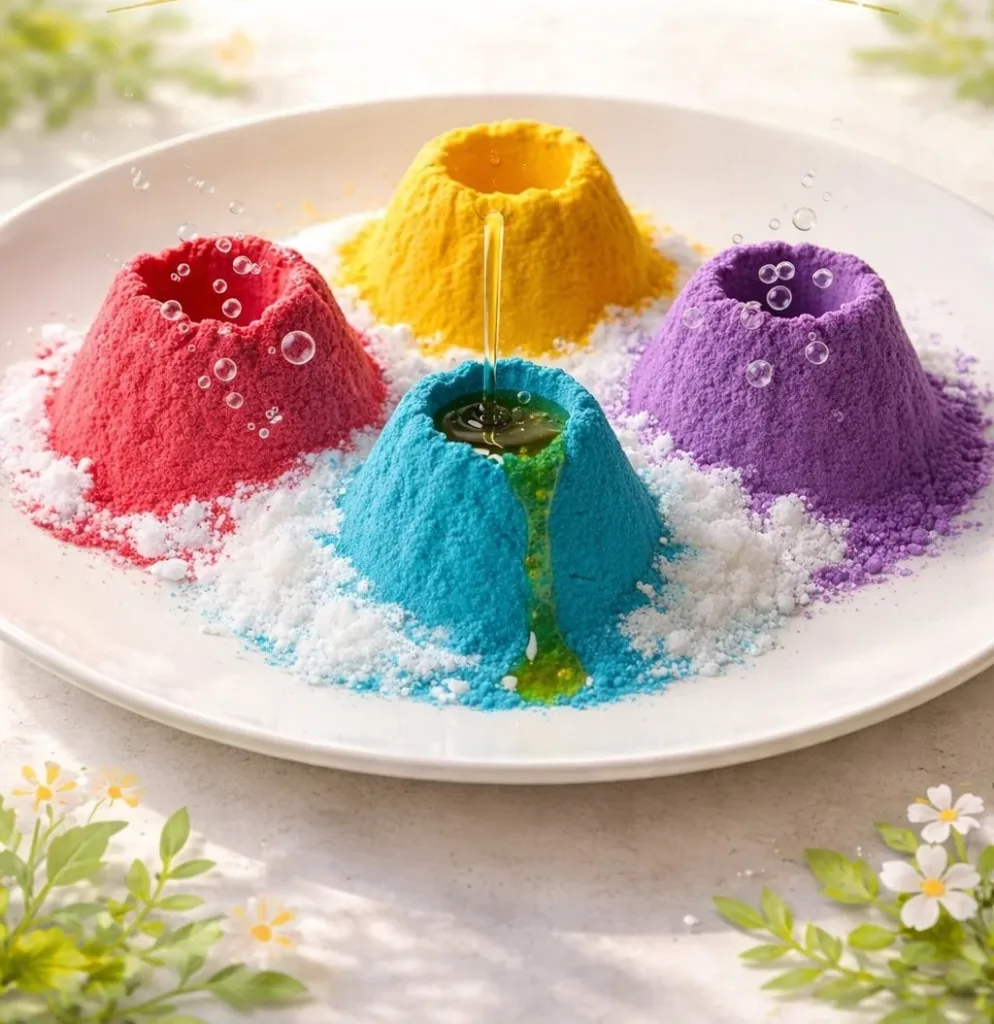
A busy afternoon, the kids asking for something to do, and a kitchen counter that already holds a cup of tea and a stack of mail that is often when the best projects start. Rainbow Crystal Urchins make a perfect rescue: quick to set up, comforting to watch while the crystals grow, and rewarding to display when they sparkle. They use simple supplies like air-dry clay, wooden skewers, and common salts, so you can gather everything from around the house and get started before the next snack request. If you liked our baking soda rainbow crystal forest tutorial, you will find this project just as satisfying and even easier to fit into a busy day.
Why You’ll Love Making Rainbow Crystal Urchins
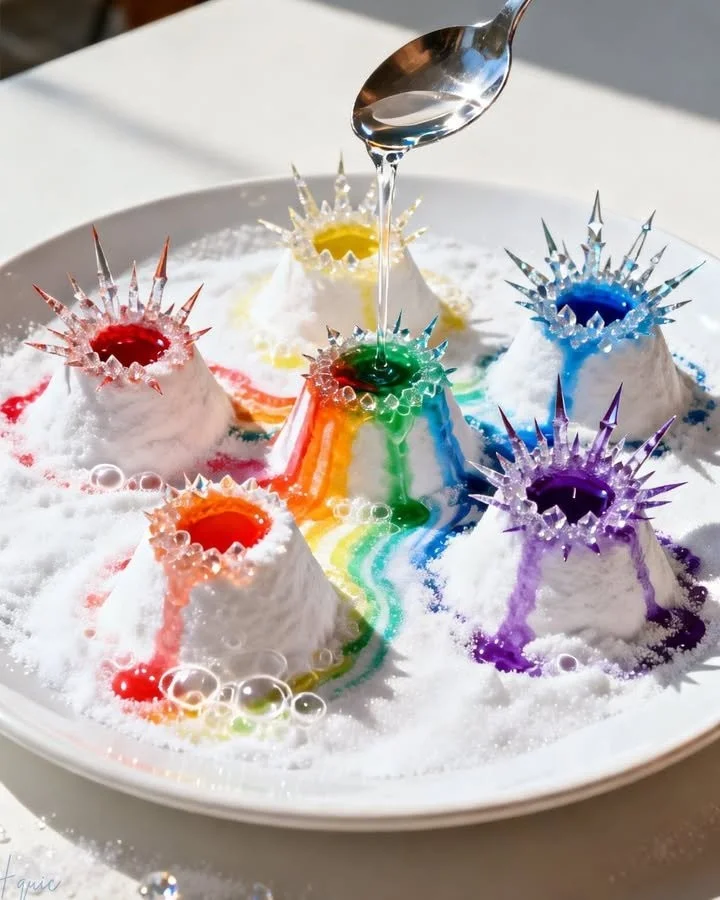
This project shines because it asks for very little prep and gives a lot of visual payoff. You do a small amount of hands-on sculpting up front, then switch to a gentle waiting game where the crystals do the rest. That mix feels highly doable after a long day: kids get to poke and place spikes, adults supervise the hot water step if needed, and everyone gets to watch beautiful, colorful crystals appear.
The materials stay simple and easy to source, so you do not need a big shopping trip. The steps repeat predictably, which makes success likely even the first time. The project also splits naturally into stages you can pause between make bases one afternoon, grow crystals the next morning. That schedule-friendly design works around real-life interruptions.
A Quick Look Before You Begin
Plan for about 20 minutes of active work and then several hours of quiet crystal growing. Making and marking the clay bases takes the most hands-on attention, but it only lasts a short time.
Set up on a tray or washable surface to catch drips. Have small jars or shallow dishes ready for your crystal solution and a towel handy for spills. Expect a little mess from salt and colored water; most of it brushes away easily.
Adult help is recommended for boiling or very hot water when making borax or some saturated Epsom solutions. If you use safer baking soda or room-temperature techniques, kids can help more directly. Overall, the activity rates low-to-moderate for mess and easy for time management.
Materials You’ll Need
- Air-dry clay or lightweight salt dough
- Thin wooden skewers or toothpicks
- Fine sand or a textured stamp (optional) optional texture for the base, nice for a realistic look
- Table salt, Epsom salts, or borax choose one crystal method
- Warm water for dissolving salts
- Food coloring or liquid watercolors (optional) gentle color accents
- Clear glue or PVA (optional) for sealing and extra shine
- Small jars or shallow dishes containers to hold the crystal solution
- Tweezers and small paintbrush for careful handling and cleaning
- A fine sieve or coffee filter for clearer solution and fewer undissolved bits
- Paper towels and a tray for easy cleanup and to hold your urchins
- Protective gloves and goggles (recommended if using borax) safety if you use borax
If you want a no-borax option, you can read how similar projects use baking soda and simple coloring in our rainbow crystal rocks no-borax guide for comparison and ideas.
Step-by-Step Directions
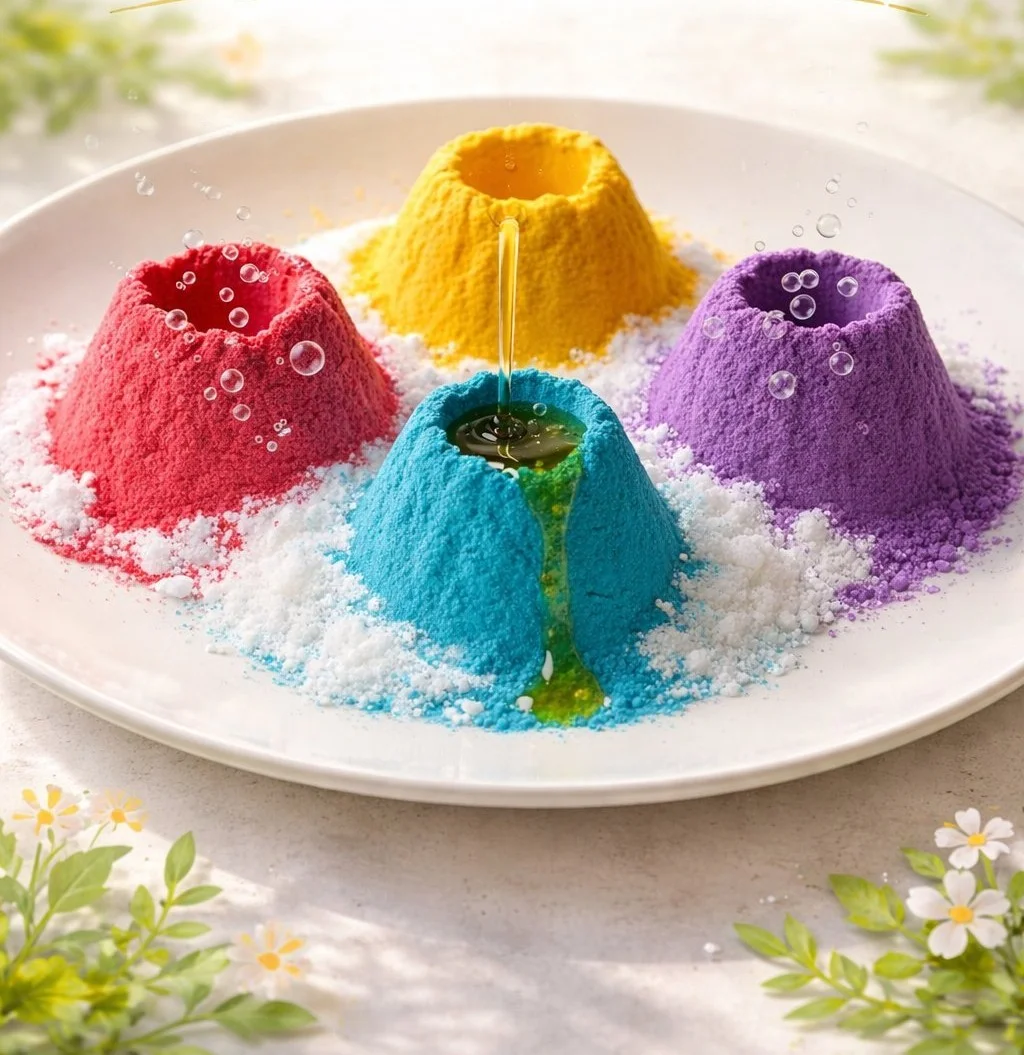
- Prepare your base by rolling a small ball of air-dry clay until smooth and pressing one side flat.
Use your fingers to feel for any cracks and smooth them out; clay should feel springy and not tacky. - Mark where spikes will go using a skewer.
Gently press the skewer tip to make a pattern of dots; this gives a guide so spikes sit evenly. - Insert spikes by pushing toothpicks or skewers into the holes.
Push each toothpick about the same depth so spikes look consistent; trim skewers if they are too long. - Let the base dry until firm, which may take 12 to 48 hours.
Place bases on a tray in a dry spot and check one after 12 hours; firm clay that holds its shape shows they are ready. - Mix your crystal solution based on the method chosen: for baking soda use 4 tablespoons per cup of warm water, for Epsom salt make a saturated solution, and for borax use 3 tablespoons per cup of hot water.
Stir until the crystals mostly dissolve and strain through a fine sieve or coffee filter if you see undissolved bits. - Optionally color the solution with food coloring.
Add a drop or two and stir; remember a little color goes a long way and layering different dips can create subtle rainbow effects. - Dip the urchin in the crystal solution.
Lower the base gently so the spikes and surface touch the liquid, then lift slowly to let a thin film of solution cling to the spikes and base. - Wait and watch the crystals form, checking periodically.
Place your dipped urchin on a tray and check back every 20–30 minutes; crystals grow from the suspended solution and along edges. - Rinse the urchin if using borax or Epsom salt and let it dry completely.
A quick gentle rinse removes loose salt and sharp edges; dry fully on paper towels so crystals harden and stabilize. - Finish by optionally brushing a thin layer of clear glue over the crystals for extra shine.
Use a small paintbrush and a light hand so the glue does not melt or dull delicate crystal points. - Display your Rainbow Crystal Urchins in a bright spot to enjoy their beauty.
Turn them occasionally so light hits different facets and watch the tiny crystals catch sun and lamp light.
The Simple Science or Skills at Work
This project blends simple science with useful skills. When you dissolve salt into warm water, the water can only hold so much; as it cools or evaporates, the dissolved particles come back together and form crystals. Different salts form crystals with different shapes and textures, so you will notice Epsom salt looks needle-like while table salt forms blocky crystals.
Kids practice fine motor skills when they press dots, insert toothpicks, and dip gently into solution. They also learn patience and careful observation while checking on crystal growth. The project gives a clear cause and effect: change the salt or the dipping time and you change the result. That makes this a great hands-on science and craft combination that stays friendly and low-stress.
Troubleshooting Common Issues
If crystals do not form well, check the concentration and the temperature.
Too little dissolved salt yields slow or sparse growth; try dissolving a bit more and warm the water slightly.
If crystals look dull or powdery, they may have absorbed moisture or been disturbed.
Move urchins to a drier spot and avoid touching crystal points until fully dry.
If spikes fall out or wobble, the clay base may not have dried enough or the spike hole was too large.
Remove the spike, add a touch of clay to the holebase, reinsert, and let dry longer on a flat tray.
If colors bleed together, you likely used too much liquid coloring.
Next time use one drop at a time or let a base dry between colored dips to keep stripes distinct.
Easy Variations to Try
Try a layered rainbow: dip different parts of the urchin into different colored solutions once the first coat dries.
Use shallow dishes to control how deep each dip goes, and let each color set a little before the next.
Make tiny urchin pairs: make smaller bases and use toothpicks instead of full skewers for a delicate look that fits in a jar.
These make sweet homemade accents for gifts or small display clusters.
Add texture before drying: press fine sand lightly into the flat side of the base or use a textured stamp for a natural look.
Texture helps crystals anchor and creates interesting patterns as the salt grows.
Seasonal themes: pick colors to match seasons icy blues and silvers for winter, bright pastels for spring.
You can also glue a small loop or hook to the base before growing crystals to create lightweight suncatchers.
If you want a heart-shaped take on the basic idea, our post about the rainbow crystal heart shows how the same crystal-growing idea works on different forms.
Storing or Reusing This Project
Keep finished urchins in a dry display case or on a shelf away from direct humidity.
Crystals can slowly absorb moisture, so a closet shelf or glass dome helps them last longer.
If crystals start to dull or flake, you can gently brush away loose bits with a soft paintbrush and reapply a thin coat of clear glue to seal and refresh shine.
Avoid water on finished pieces unless you plan to re-grow crystals after a full dry.
Save leftover salt solution in a sealed jar for a day or two if you plan to coat more bases soon.
Strain before reuse to remove any grit so your future crystals grow cleanly.
Recycle tools and jars by rinsing them immediately after use; most containers clean easily with warm water and a little soap so you can use them again for another project.
FAQs About Rainbow Crystal Urchins
Will this make a huge mess in my kitchen?
I do not want salt everywhere. You can keep this tidy by working on a tray or a washable mat and using small jars for the solution. Salt tends to stay in one place and brushes up easily, and a coffee filter catches most undissolved bits. If a spill happens, a damp cloth wipes it up quickly. I often set a towel under the kids’ workspace and they clean up like it is part of the fun.
Is this safe for younger kids?
How old should they be? Young children can help shape bases and press spikes at a table with supervision, but I recommend adult help for hot water or if you choose borax. For fully child-led work, use the baking soda method with warm, not boiling, water. If you use borax, put on gloves and goggles and handle hot water yourself. We have done this with kids as young as five when adults manage the hot steps and children do the dipping and watching.
What if I do not have borax?
Can I still get nice crystals? Yes. Table salt or Epsom salt make pretty crystals too; the shapes just differ. The baking soda method gives large, sparkly growths with a little patience. If you want a no-borax pathway, try the baking soda ratio and expect slower but still lovely results. For tips on no-borax techniques, our other projects show how to coax good crystals using safer salts.
How long will these keep and can I gift them?
When fully dry and kept away from humidity, Rainbow Crystal Urchins can last many weeks or months as decorative pieces. For gifting, package them in a small box with tissue and a note about keeping them dry. If crystals chip in transit, you can brush loose bits off and reseal with a thin glue coat to restore sparkle.
A Final Helpful Note
This project rewards patience more than precision. The first time I made a batch, one urchin filled out in a few hours while another took nearly a day both looked great in the end. If something looks off, step back, let it dry, and try again with a small tweak. You do not need perfect symmetry for these to be charming.
Give yourself permission to experiment. Let kids choose a color or pattern, and keep a spare set of toothpicks and a few extra bases on hand so you can try again without starting from scratch. Little adjustments teach more than a single perfect attempt ever will. Have fun watching tiny crystals grow into a colorful, tactile display that makes a plain shelf feel special.
Conclusion
If you enjoy inspired, beachy decor or want ideas for a grown-up handmade gift, this colorful approach connects to things people love; a handcrafted suncatcher can echo store-bought styles like the Sea Urchin Suncatcher: Rainbow Crystal Air Plant Holder without the price tag or wait time. For a playful reminder that small, sparkly projects pair well with sunny days and sunglasses, you might also enjoy the unexpected sparkle reference in the Costa Maya XL with Shiny Urchin Crystal collection.
PrintRainbow Crystal Urchins
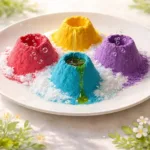
A fun and engaging project to create beautiful Rainbow Crystal Urchins using simple materials and a bit of patience.
- Prep Time: 20 minutes
- Cook Time: 0 minutes
- Total Time: 240 minutes
- Yield: 4-6 urchins
- Category: Craft
- Method: DIY Craft
- Cuisine: N/A
- Diet: N/A
Ingredients
- Air-dry clay or lightweight salt dough
- Thin wooden skewers or toothpicks
- Fine sand or a textured stamp (optional)
- Table salt, Epsom salts, or borax
- Warm water
- Food coloring or liquid watercolors (optional)
- Clear glue or PVA (optional)
- Small jars or shallow dishes
- Tweezers and small paintbrush
- A fine sieve or coffee filter
- Paper towels and a tray
- Protective gloves and goggles (recommended if using borax)
Instructions
- Prepare your base by rolling a small ball of air-dry clay until smooth and pressing one side flat.
- Mark where spikes will go using a skewer.
- Insert spikes by pushing toothpicks or skewers into the holes.
- Let the base dry until firm, which may take 12 to 48 hours.
- Mix your crystal solution based on the method chosen.
- Optionally color the solution with food coloring.
- Dip the urchin in the crystal solution.
- Wait and watch the crystals form, checking periodically.
- Rinse the urchin if using borax or Epsom salt and let it dry completely.
- Finish by optionally brushing a thin layer of clear glue over the crystals for extra shine.
- Display your Rainbow Crystal Urchins in a bright spot to enjoy their beauty.
Notes
Adult supervision is recommended when handling hot water and borax. Always prioritize safety when crafting with children.
Nutrition
- Serving Size: 1 urchin
- Calories: N/A
- Sugar: N/A
- Sodium: N/A
- Fat: N/A
- Saturated Fat: N/A
- Unsaturated Fat: N/A
- Trans Fat: N/A
- Carbohydrates: N/A
- Fiber: N/A
- Protein: N/A
- Cholesterol: N/A