

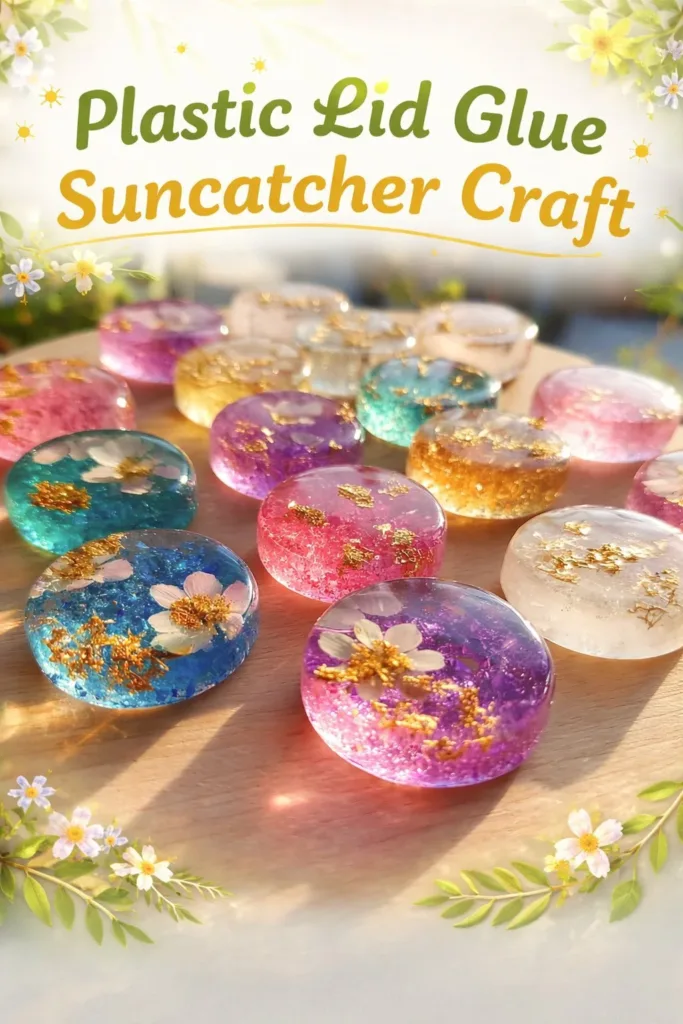
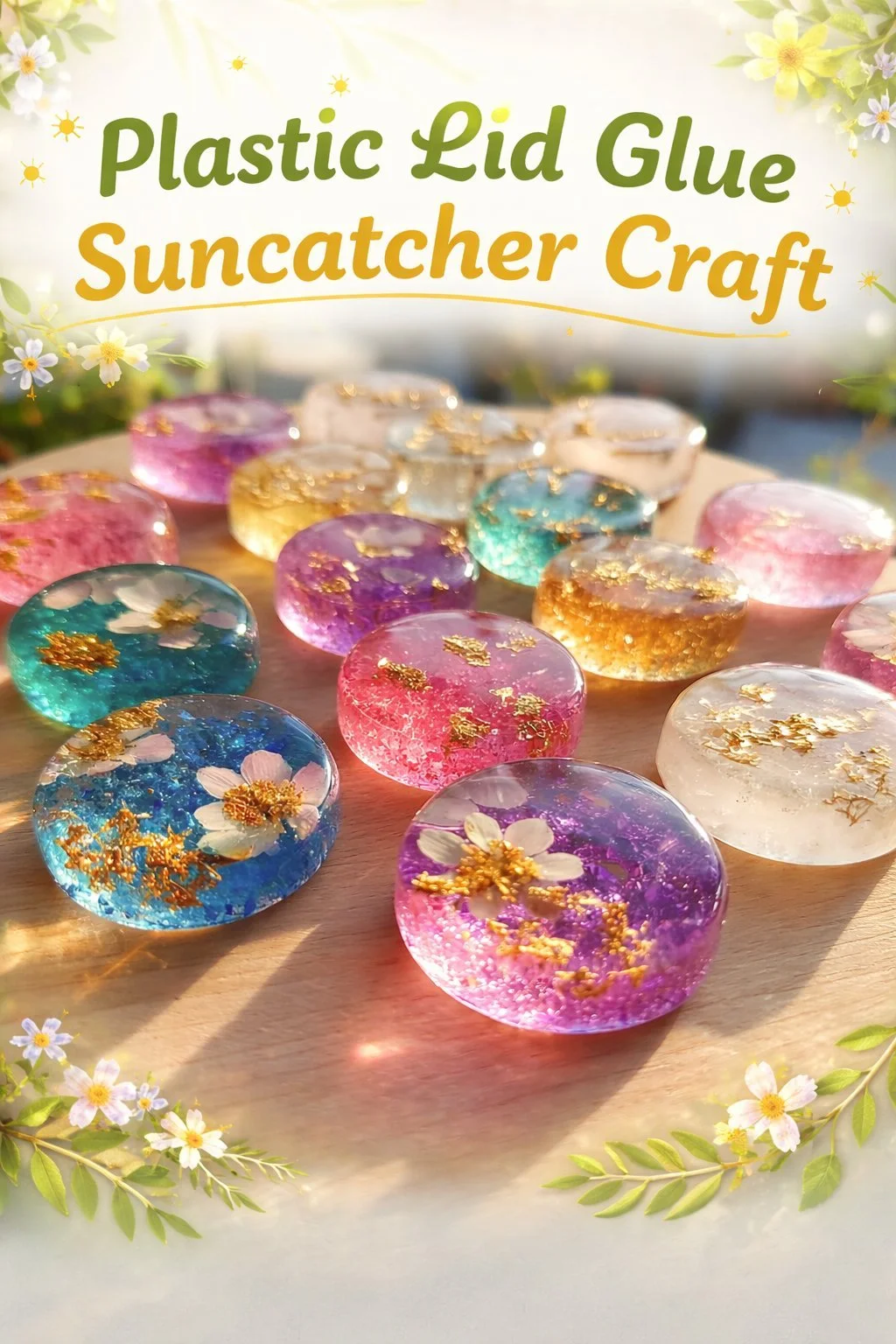
A busy afternoon, a sudden craving for something quiet to do, and a small stack of clean yogurt lids on the counter: that is how The Quiet Joy of Making Plastic Lid Glue Suncatcher Craft usually begins in our house. Kids ask for something colorful right now, adults want low prep and low fuss, and the kitchen table needs a project that cleans up easily. This suncatcher fits that exact moment.
It uses lids you already have, a bottle of clear craft glue, a few drops of food coloring, and a few simple tools. It turns into a calm, hands-on activity that finishes with bright colors catching the light in the window. If you liked the relaxed coloring and layering feeling of our galaxy crystal seashells project, you will find the same gentle rhythm here: easy steps, quick setup, and a satisfying finished piece you can hang by the window. Quiet Joy: Galaxy Crystal Seashells
Why You’ll Love Making The Quiet Joy of Making Plastic Lid Glue Suncatcher Craft

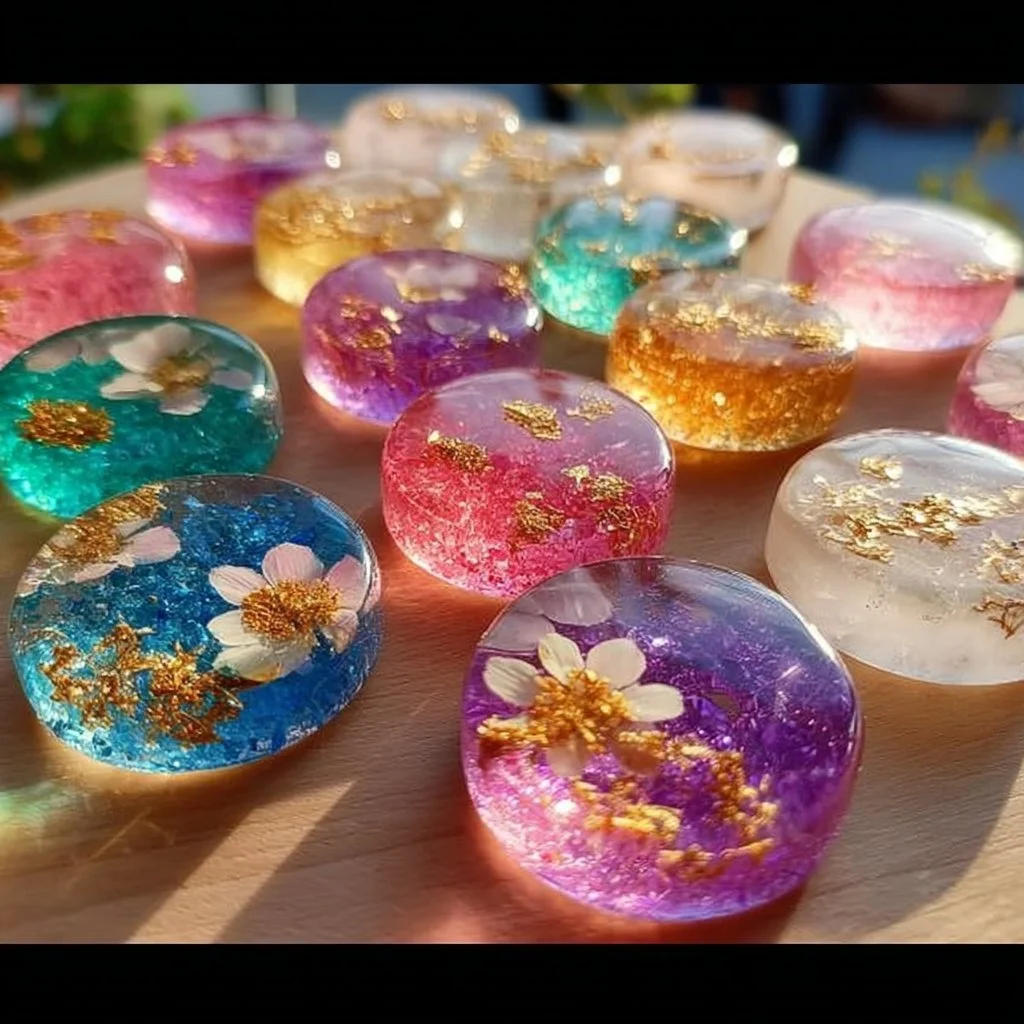
This project works because it keeps everything simple and focused. You do not need special tools or complicated measurements. One lid, a puddle of clear glue, and a few drops of color make something pretty and bright.
It fits small pockets of time. You can start this between errands, while dinner simmers, or as a short rainy-day activity. The hands-on part takes ten to twenty minutes. The drying takes longer, but that is mostly waiting, not doing.
It stays tidy. Glue sits in the lid, so spills are contained. You may need wipes, but cleanup usually takes a minute. That makes it ideal when kids want to make something now and you do not want a long setup.
It gives real results. The glue flattens and becomes clear as it cures, holding the color softly like stained glass. Even simple patterns look intentional and lovely in a sunny window.
A Quick Look Before You Begin
How This DIY Comes Together
This craft splits into two easy phases: the making and the waiting. The making phase is short and sensory. You pour glue, add color, swirl with a toothpick, and add a tiny sparkle if you want. That part usually takes ten to twenty minutes.
Then comes the waiting phase. The glue cures slowly. It clears and firms up over several hours to a full day depending on temperature and humidity. Put finished lids in a warm, dust-free spot and try not to move them while they skin over.
Mess level stays low if you prepare. Lay a washable table cover, keep safety wipes nearby, and work in a sunny area for faster drying. An adult may help with measuring or sanding, but older kids can do the main steps with little supervision.
Materials You’ll Need
What You’ll Use for This DIY
- Clean plastic lids (yogurt, sour cream, takeout) common household item
- Clear craft glue (PVA white glue) budget-friendly and easy to find
- Liquid water-based dye or food coloring food coloring works fine and is safe for kids
- Small mixing cups or disposable trays use a cup you do not mind tossing or rinsing
- Toothpicks or bamboo skewers great for stirring and making details
- Small paintbrush or disposable foam brush smooths edges and spreads glue softly
- Glitter or tiny sequins (optional) add sparingly for a subtle sparkle
- Fine sandpaper or nail file (optional) for softening sharp edges after cure
- Ribbon, thread, or thin fishing line for hanging lightweight for window display
- A well-ventilated, sunny drying spot sun helps glue clear and sets faster
- Safety wipes or a damp cloth for quick cleanup of sticky fingers
If you want more craft ideas that use the same calm, slow-making rhythm, our turquoise crystal heart project shows similar simple steps with a slightly different finish. Turquoise Crystal Heart
STEP-BY-STEP DIRECTIONS

- Clean and prepare a lid by washing and drying it fully.
Wipe the inner surface so it feels smooth and free of residue.
Cold or warm water and a little dish soap work fine; dry completely. - Pour a shallow puddle of glue into the center of the lid (2-4mm thick).
Squeeze gently to avoid a high mound; you want a thin, even layer.
Aim for roughly the thickness of a coin so it cures predictably. - Add color by placing drops of dye or food coloring into the glue.
Use tiny drops; color spreads more than you expect.
Place colors a little apart so they swirl rather than muddy. - Swirl color gently with a toothpick to create patterns.
Move slowly and lightly so you see marbling and lines.
Stop when the pattern feels balanced; over-stirring blurs it. - Add shimmer or small inclusions sparingly.
Drop one or two tiny sequins or a pinch of glitter if you like.
Less is better; big clumps can sit on top and take longer to set. - Smooth edges with a brush if needed.
Dip a clean brush in plain glue and blend jagged edges outward.
A light touch keeps the rim neat and prevents raised beads. - Tap gently to remove bubbles.
Lift the lid and tap it on the table a few times or flick the side.
Bubbles rise and pop; repeat if small bubbles keep appearing. - Move to a warm, dust-free drying spot.
Place the lid flat in sun or near gentle warmth but out of drafts.
Avoid moving it during the first hour when the surface skins over. - Wait for several hours to a full day to cure.
Check the center; it should feel firm and no longer tacky.
Humidity and colder rooms lengthen cure time, so be patient. - Sand edges if needed and add hanging thread.
Use fine sandpaper or a nail file to soften sharp bits once dry.
Tie ribbon or thread through the rim or glue to the back for a hanger.
The Learning Behind This DIY
Skills This Activity Supports
This craft teaches a handful of small, useful skills without feeling like practice. Kids practice fine motor control when they drop color, swirl patterns, and smooth edges. Those tiny, careful movements build steady hands and patient attention.
They learn cause and effect. A heavy hand blends colors into brown; a gentle touch keeps marbling. They see how warmth and airflow change drying time. Those observations help them plan the next step.
This activity also shows simple chemistry in an intuitive way. Water-based glue holds color and dries clear because the water evaporates slowly, leaving the glue polymers to lock together. You do not need to explain molecules to enjoy the change; a child can watch a cloudy puddle become a clear, solid disc and understand that time and air did the work.
If you want to pair this with another simple color experiment, our chromatography coffee butterflies show similar discovery with color movement and pattern. Colorful Chromatography Coffee Butterflies
Troubleshooting Common Issues
If Something Doesn’t Go as Planned
Problem: The color sinks to the edge and looks streaky.
Why it happens: You used too many drops or pushed the color to the rim.
Fix: Add a few drops of plain glue to the center and very gently swirl inward.
Tip: Start with less color next time and let the glue spread naturally.
Problem: The surface dries cloudy or tacky after a day.
Why it happens: The layer is too thick or the room is cold and humid.
Fix: Move the piece to a warmer, drier spot and wait longer.
Tip: Thin layers (2-4mm) dry clearer and faster than thick ones.
Problem: Bubbles keep appearing and won’t pop.
Why it happens: You stirred too vigorously or trapped air under inclusions.
Fix: Gently skim the surface with a clean toothpick or brush and tap the lid.
Tip: Let the glue sit a minute before adding color so some air escapes.
Problem: Glitter or sequins float and take forever to settle.
Why it happens: The inclusions are buoyant in the wet glue.
Fix: Add tiny, flat sequins or press larger pieces down slightly with a toothpick.
Tip: Use small, flat bits for less movement and faster curing.
Problem: The cured edge is sharp and uncomfortable.
Why it happens: Excess glue pulled toward the rim during pouring.
Fix: Gently sand or file the rim with fine sandpaper once fully dry.
Tip: Smooth edges while the glue is wet with a brush to avoid sanding.
Easy Variations to Try
Simple Ways to Change It Up
Layered color discs. Make two or three thin layers, letting each one dry enough to be tack-free, then pour another thin layer with a different color. You get depth like a tiny stained glass.
Themed palettes. Pick a seasonal set of colors: oranges and browns for fall, pale blues and whites for winter. Limit to two or three shades for a clean look.
Tiny silhouette. Before the glue fully sets, press a small paper cutout into the glue until it just sticks. Once dry, the paper forms a soft silhouette inside the suncatcher.
Tiny mosaic. Make several small lids with coordinated colors and hang them as a cluster. The variation feels intentional and looks great in a sunny corner.
Making this for different ages. Preschoolers enjoy simple drops and big swirls. Elementary kids can try marbling patterns and very small inclusions. Teens might explore layering and sanding for a cleaner finished look.
Storing or Reusing This Project
What to Do With It After
Keep finished suncatchers in a flat, safe spot until fully hard. Once dry, you can hang them in a sunny window with thread or ribbon. They make cheerful seasonal decorations and easy gifts.
Reuse lids for another project only if you completely remove the cured glue. Soak them in warm water to lift some glue, but expect some residue. In most cases, treat each lid as a one-time mold and reuse the lid itself only if you plan for residue.
Store leftover glue and color in a cool, dry place. Seal the glue tightly to prevent skinning. Keep dyes capped and out of reach of small children.
Clean up with safety wipes or a damp cloth. Wipe spills promptly while the glue is wet. If glue dries on a surface, soften it with warm water and a little soap, then scrub gently.
If you want to reduce waste, choose lids from containers you already planned to recycle and pick one lid per person rather than many attempt-and-discard rounds.
FAQs About The Quiet Joy of Making Plastic Lid Glue Suncatcher Craft
Will this make a big mess?
It usually stays tidy if you set up a protected work surface and keep safety wipes handy. The glue sits inside the lid, so most spills are contained. Expect sticky fingers and a few drips; that is normal. A damp cloth cleans hands and most surfaces quickly.
How old should kids be for this project?
You can start with preschoolers for the pouring and dotting parts with supervision. Older kids can swirl and decide on color combinations independently. Adults should handle moving lids to the drying spot and any sanding.
Can I substitute the glue or dye if I do not have exactly these items?
Clear, water-based PVA glue gives the clearest finish. Other water-based craft glues often work similarly, but avoid anything that is not water-based unless you know how it dries. Food coloring works as a gentle dye. If you only have liquid watercolors, use tiny amounts; they are more concentrated.
My suncatcher looks dull after a day. Is it ruined?
Not necessarily. Dullness often comes from a thick layer, cool conditions, or dust during drying. Move the lid to a warm, dust-free spot and give it more time. If the center still feels tacky after 24 hours, wait longer. The piece will usually clear up with patience.
Can I make these for a party or gift?
Yes. They scale well for groups because each person uses their own lid. Set out small cups of color and a helper to manage glue flow if you have many kids. Finished pieces stack flat while drying if you have limited window space.
A Final Helpful Note
One Last Tip Before You Go
Trust the slow pace of curing. The most common frustration is feeling rushed during the waiting step. The glue does the subtle part while you do other things. Start with small, gentle actions and resist overworking the design. When it goes well, you will feel a calm satisfaction watching color settle and harden into something that catches the light. If a piece does not come out perfectly, it still teaches a tidy lesson: small choices change the result, and every try offers a clearer idea for the next one. Take it slow, enjoy the quiet making, and let the sun do the finishing work.
Conclusion
If you want more simple suncatcher inspiration and project ideas to try with kids, this guide pairs nicely with another roundup of playful window crafts like Sparkling Fun: Easy Suncatcher Crafts for Kids | I’m the Chef Too, which shows several quick techniques to expand your stash. For creative themes that lean into space and color exploration, consider the fun activities collected in Space Art Activities That Will Orbit Toddlers With Joy – Turner Tots.
PrintPlastic Lid Glue Suncatcher Craft
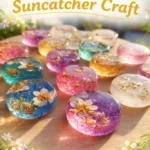
Create beautiful, colorful suncatchers using plastic lids, clear craft glue, and food coloring, perfect for a calm crafting session.
- Prep Time: 10 minutes
- Cook Time: 0 minutes
- Total Time: 1440 minutes
- Yield: 1 suncatcher
- Category: Craft
- Method: Crafting
- Cuisine: N/A
- Diet: N/A
Ingredients
- Clean plastic lids (yogurt, sour cream, takeout)
- Clear craft glue (PVA white glue)
- Liquid water-based dye or food coloring
- Small mixing cups or disposable trays
- Toothpicks or bamboo skewers
- Small paintbrush or disposable foam brush
- Glitter or tiny sequins (optional)
- Fine sandpaper or nail file (optional)
- Ribbon, thread, or thin fishing line for hanging
- A well-ventilated, sunny drying spot
- Safety wipes or a damp cloth
Instructions
- Clean and prepare a lid by washing and drying it fully.
- Pour a shallow puddle of glue into the center of the lid (2-4mm thick).
- Add color by placing drops of dye or food coloring into the glue.
- Swirl the color gently with a toothpick to create patterns.
- Add shimmer or small inclusions sparingly.
- Smooth edges with a brush if needed.
- Tap gently to remove bubbles.
- Move to a warm, dust-free drying spot.
- Wait for several hours to a full day to cure.
- Sand edges if needed and add hanging thread.
Notes
Ensure to keep the workspace tidy and have safety wipes handy for easy cleanup.
Nutrition
- Serving Size: 1 suncatcher
- Calories: 0
- Sugar: 0g
- Sodium: 0mg
- Fat: 0g
- Saturated Fat: 0g
- Unsaturated Fat: 0g
- Trans Fat: 0g
- Carbohydrates: 0g
- Fiber: 0g
- Protein: 0g
- Cholesterol: 0mg