
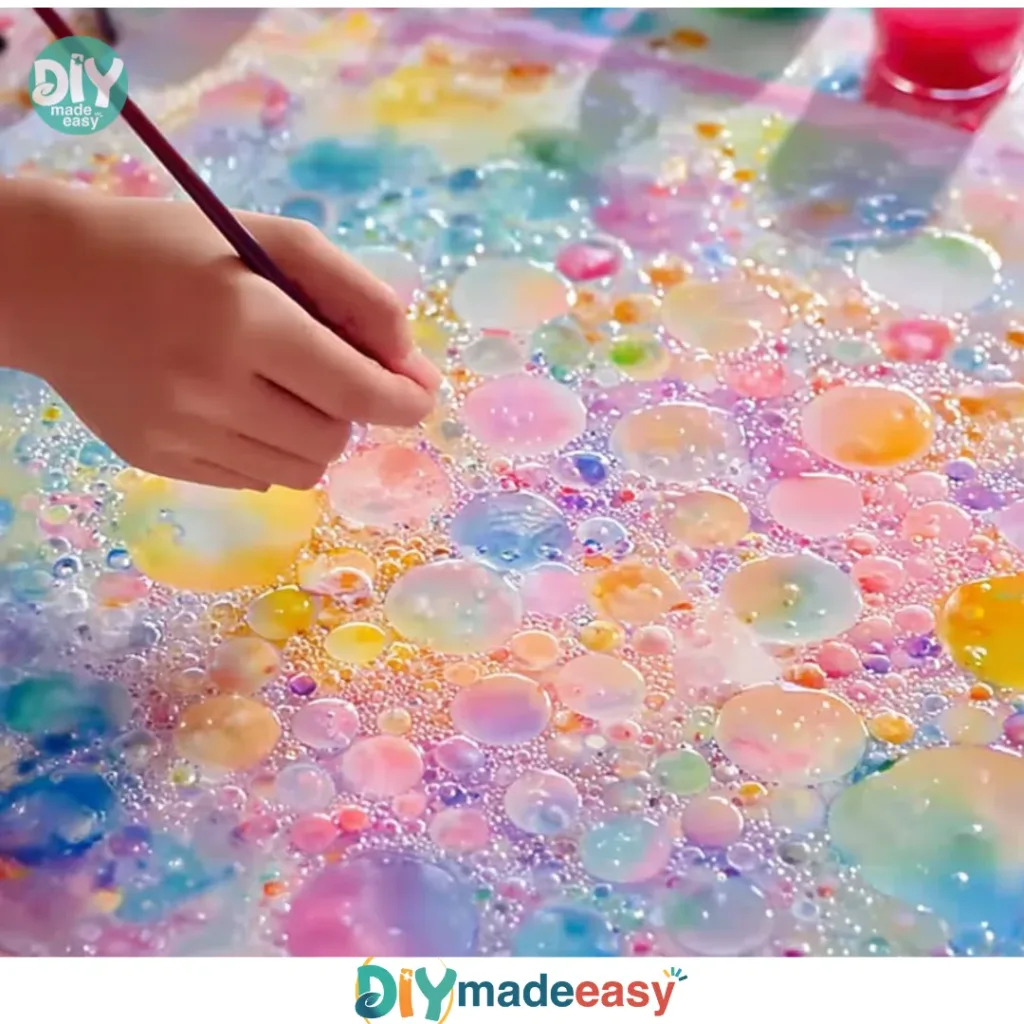
On a busy afternoon when the kids declare they need a craft right now and dinner still needs attention, Whimsical Bubble Painting Art for Kids: Easy DIY Fun! saves the day. I pull out a few familiar kitchen items, set up a small workspace on the counter, and the next thing I know everyone is laughing as colorful bubbles float and pop onto paper. It feels immediate and fun, and you can see results in minutes. If you want other low-prep projects to keep on hand for moments like this, our roundups of simple crafts help you plan ahead and reuse the same supplies; try our collection for more ideas at visual DIY creative crafts for inspiration and easy follow-ups.
Why This Whimsical Bubble Painting Art for Kids: Easy DIY Fun! Works So Well
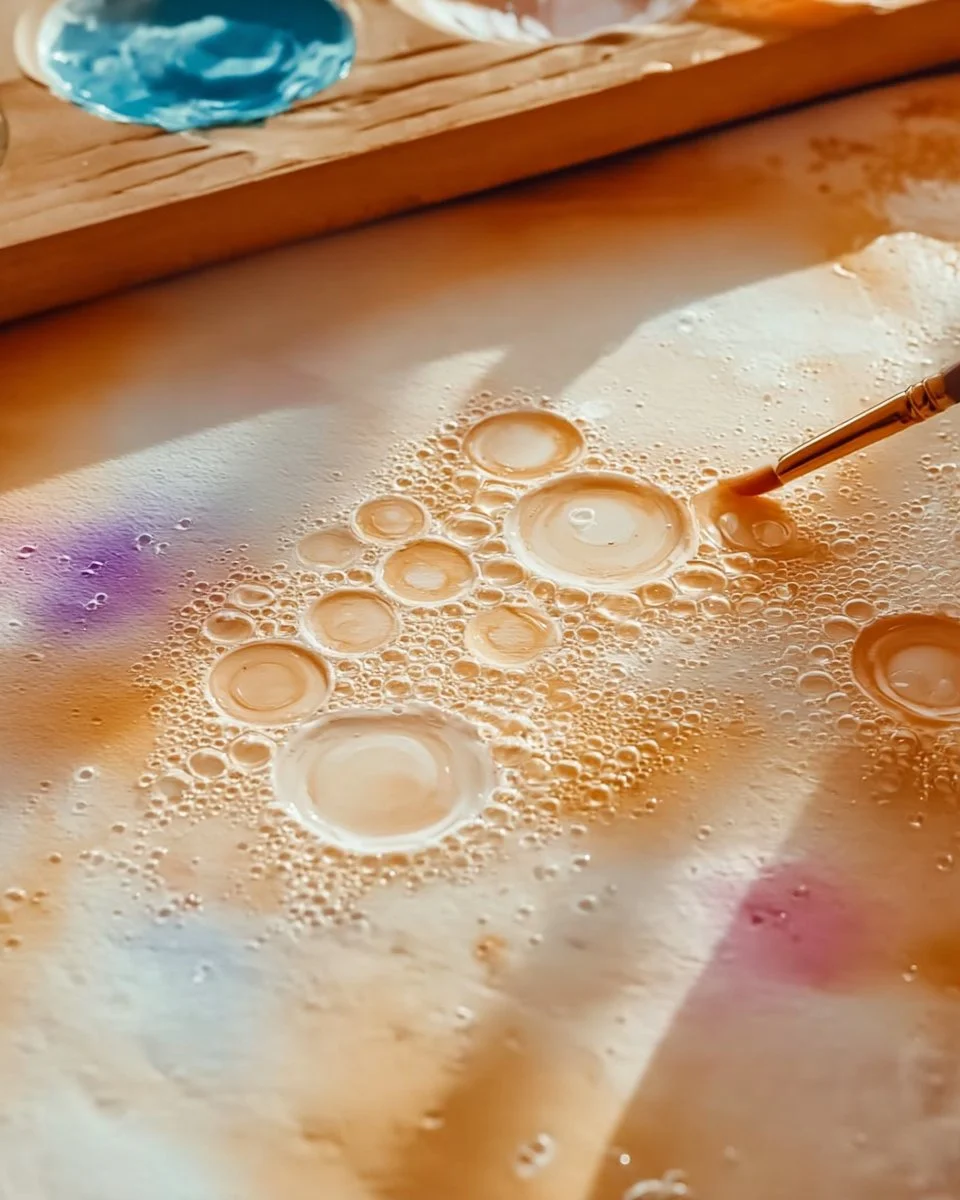
This project keeps things simple and satisfying. You use items most families already have, which means prep takes only a few minutes. It works for a range of ages because little ones enjoy the sensory side and older kids can experiment with color mixing and patterning. The mess level stays manageable if you set up a small tray or use washable paints. You will get visible, pleasing prints quickly, which helps kids stay engaged and proud of what they made.
Parents appreciate that the steps are predictable. The soap and water blend forms bubbles reliably if you follow the small ratios. You can set a timer for fifteen to thirty minutes and have a stack of finished pieces drying in that time. If you need a quick greeting card, wrapping paper, or a framed piece for the fridge, this delivers. The craft fits into real life because you can pause between color sets, reuse leftover bubble mixture later the same day, and clean up with warm water. It’s low-prep, approachable, and reliably fun for rainy afternoons and last-minute creative needs.
A Quick Look Before You Begin
This activity takes about 20 to 30 minutes from setup to having a few pieces drying, depending on how many color rounds you do. Plan one small table or the kitchen counter as your workspace and protect it with newspaper or a washable mat. Expect some splashes and damp paper edges, but nothing that needs special cleaners. Adults should prepare the bubble mix and help with straws for younger children, but older kids can handle most steps themselves.
You will need an open container to mix bubbles in and a flat area for paper to dry. If you do multiple colors, line up cups so colors do not mix until you want them to. Cleanup is simple: rinse cups and straws with warm water; any color left on hands usually washes off with soap. This makes the project a good fit for quick setups when you only have a short window for making.
Materials You’ll Need
2-3 tablespoons Dish Soap or Tear-Free Baby Wash (Substitute with eco-friendly soap for a greener option.)
0.25 cup Water (Essential for creating superb bubbles.)
a few drops Liquid Watercolors or Food Coloring (Feel free to use natural dyes for an organic twist.)
1 piece Straw (Consider opting for reusable straws.)
1 sheet Heavyweight Paper (Watercolor Paper or Cardstock) (Ideal medium for bubble art.)
1 piece Optional – Aprons or Old T-Shirts (Protects clothing from any potential mess.)
Each item here is a common household object or an easy-to-find supply. The soap and water create the bubble base. The liquid watercolors or food coloring give color without adding too much thickness, so the bubbles stay foamy and transfer well. Heavyweight paper soaks up the burst bubbles best and keeps the print crisp. If you want less clean-up, use aprons or old shirts to protect clothing. If you’re curious about other kid-friendly, low-prep crafts that use similar odds and ends, check out more easy projects at visual DIY creative crafts.
STEP-BY-STEP DIRECTIONS
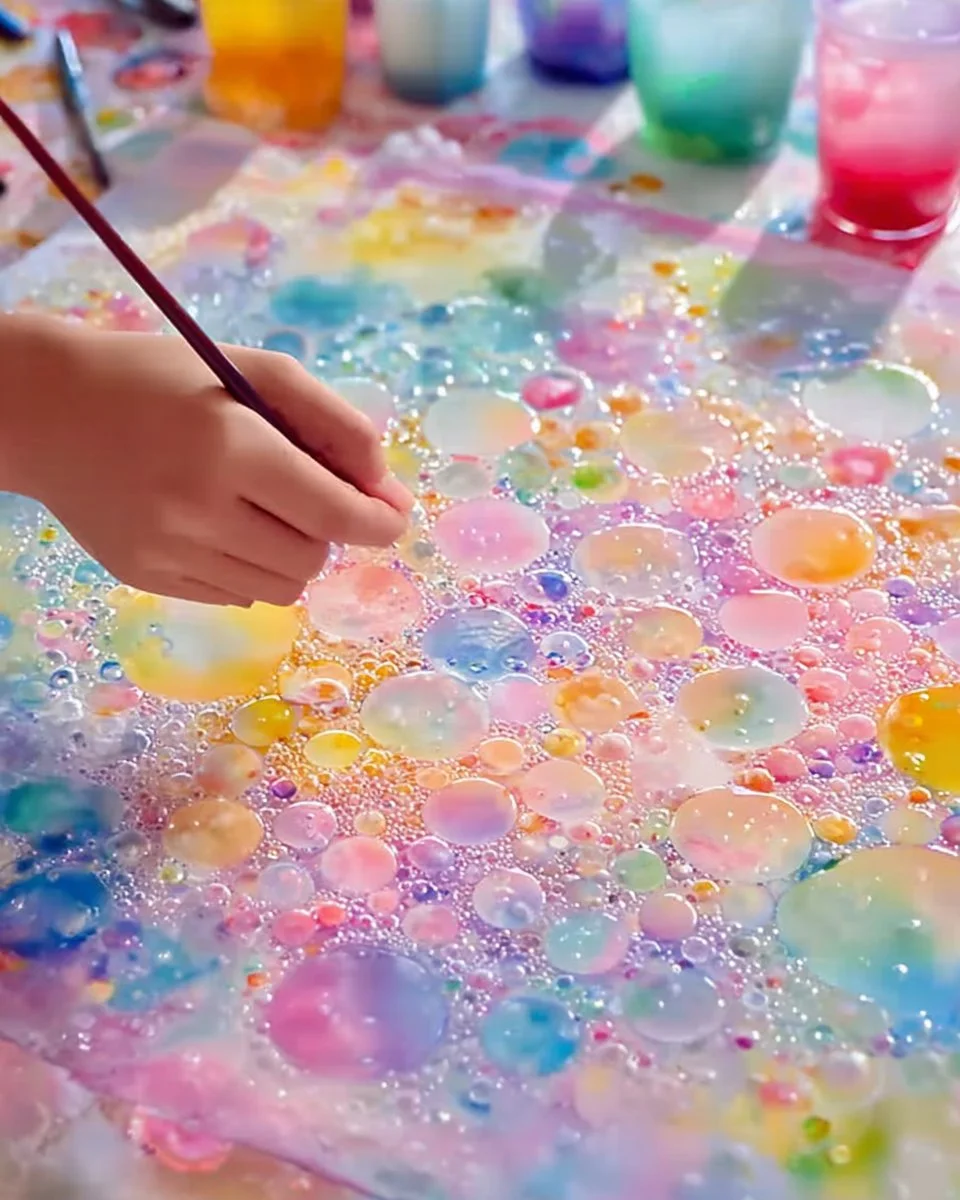
- Measure 0.25 cup water into a shallow cup and add 2-3 tablespoons dish soap or tear-free baby wash.
Mix gently until the soap and water combine into a slightly foamy base. Avoid vigorous stirring that collapses bubbles. - Add a few drops of liquid watercolors or food coloring to the mixture.
Stir slowly so the color disperses but the mixture remains bubbly. You can make different cups for different colors. - Dip the straw into a color cup, then blow gently to form colored bubbles above the rim.
Aim for steady, soft puffs rather than hard blows to get round, popping bubbles. You will see a small mound of bubbles form above the cup. - Press the heavyweight paper down onto the bubbling surface where bubbles sit.
Hold the paper for a quick second and lift straight up to transfer the bubble prints. Repeat on different areas for layered patterns. - Refresh the cups with a little stir or extra soap if bubbles weaken, then repeat with other colors.
Layer colors by letting one set of bubble prints dry a bit or overlap while wet for blended effects. Watch the patterns build. - Let finished pieces dry flat for at least an hour, longer for thicker paper or heavy paint.
Once dry, you can trim the edges, fold into cards, or frame the art. Clean cups and straws with warm water to reuse supplies.
The Simple Science or Skills at Work
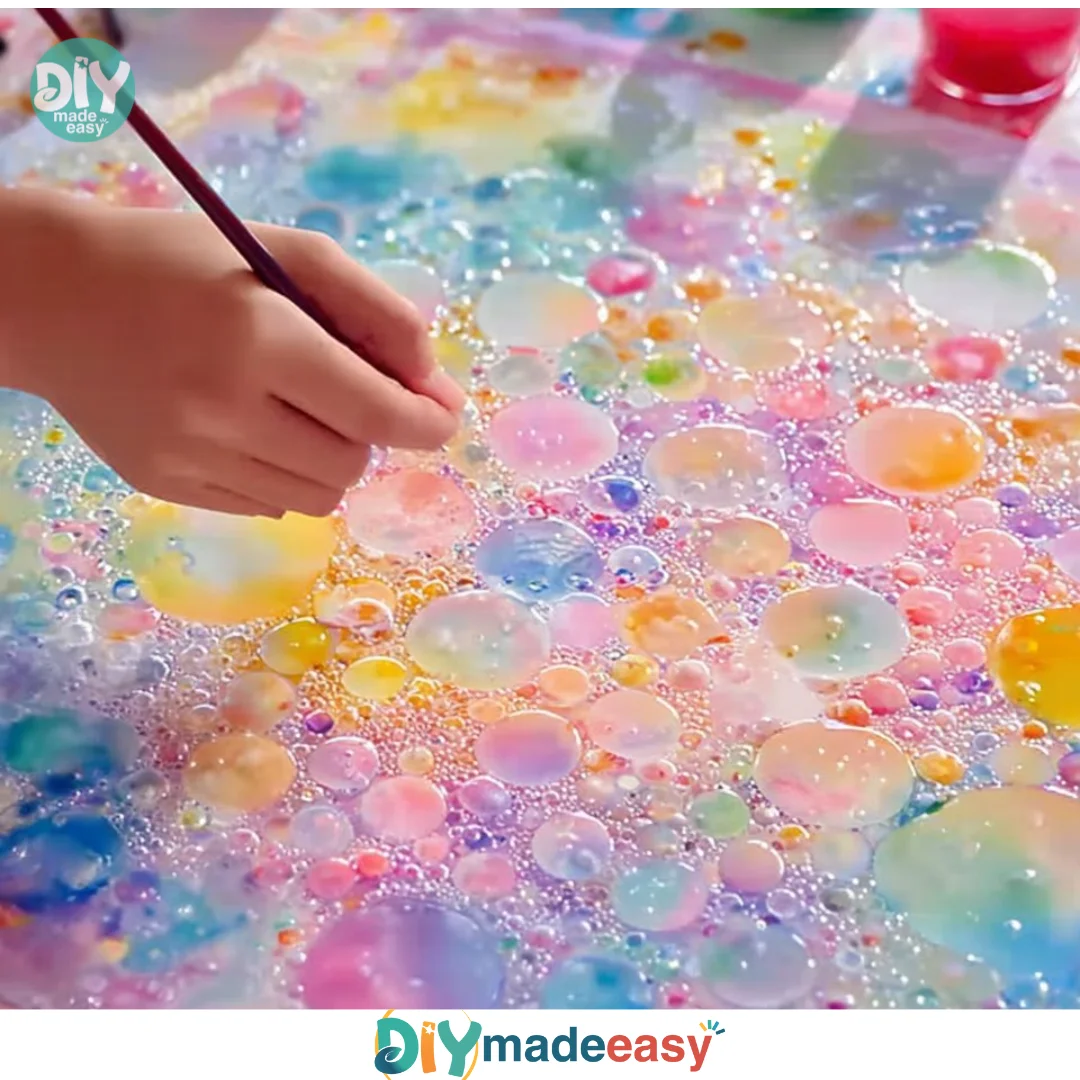
Bubble painting works because soap reduces water’s surface tension, so the mixture forms bubbles instead of flat water. When you blow through the straw, you trap air inside that soap film. Each bubble keeps a thin layer of colored liquid on its surface. When that bubble pops on the paper, the tiny colored droplets land as irregular rings and spots that make a whimsical pattern.
Kids practice a range of useful skills while doing this. They use fine motor control when they hold the straw and press the paper. They learn cause and effect by seeing how softer or harder breaths change bubble size. Color mixing appears naturally when layers of bubbles overlap. Children also build patience and planning when they decide which colors to use and when to switch cups. For younger kids this feels like play; for older kids it can become a little lesson in observation and deliberate color choices.
Troubleshooting Common Issues
If bubbles collapse right away, check the soap ratio; too little soap or too much water weakens bubbles. Add a touch more soap, stir gently, and try again. If bubbles form but do not transfer cleanly to paper, the color may be too diluted. Add one more drop of liquid watercolor or a tiny sprinkle of powdered food color to thicken the color without making the mix heavy.
When kids blow too hard and splash, set a larger container or tray under the cups and remind them to use soft puffs. If prints look washed out, let the paper dry a bit between layers so colors do not muddy. If you see streaks instead of round prints, the straw may be too deep in the mix; lift it slightly so bubbles form above the rim. These small adjustments usually fix common issues and keep the project moving without frustration.
Easy Variations to Try
Try seasonal palettes by swapping colors: pastels for spring, warm tones for fall, or red and green for holiday cards. Offer small stamping shapes, like bottle caps or cookie cutters, to press into a bubble mound before paper transfer for a mixed-pattern effect. For younger kids, make a two-color experiment: one cup with yellow and one with blue, then press paper onto both to show how green appears. Use different paper sizes, from tiny gift tags to large poster paper, to change scale and excitement. These variations stay simple and keep the core technique the same.
If you want to encourage older kids, ask them to create a series using similar color schemes or to design a cover for a handmade notebook. For a quieter version, let children blow bubbles into a shallow tray to watch the patterns before printing; this builds patience and observation skills without pressure to produce perfect prints. Another gentle change involves using a reusable straw and labeling each cup with the color name to build reading and matching practice for early learners.
Storing or Reusing This Project
You can store leftover bubble mixture in a covered container for a few hours the same day. Stir gently before using again; do not store overnight because the mixture loses its bubbling power and may grow soapy residue. To reuse simple supplies, rinse cups and straws right after play with warm water and a little dish soap. If the color stains a cup, soak it briefly to lift the pigment.
Finished artworks store well flat in a dry place. If you stack several wet pieces, put wax paper between them to avoid sticking. Small prints make charming gift tags or bookmarks; keep them in a labeled envelope for later crafts. For the most eco-friendly approach, choose an eco-friendly soap and reusable straws, and use leftover papers for collage projects so nothing goes to waste. If you enjoy exploring more ways to keep simple craft supplies working for multiple activities, our guides offer practical tips and ideas at visual DIY creative crafts.
FAQs About Whimsical Bubble Painting Art for Kids: Easy DIY Fun!
Will this make a big mess?
I worry about cleanup.
This project can be messy, but it usually stays contained if you use a tray or newspaper. The paint in liquid watercolors or food coloring washes off skin and most surfaces with warm water and soap. Protect clothing with an old shirt or apron and move any important items away from the table. If a spill happens, blot the area and rinse most colors lift easily. I have done this with toddlers on the kitchen floor and with older kids at the table; a little splash is normal, but cleanup only takes a few minutes.
Is it safe for young children to blow through straws?
Yes, when supervised. Children under three should not use straws unsupervised because of choking concerns and the need to supervise mouth tools. Show kids how to puff gently and keep the straw outside the mouth when dipping. For very young kids, an adult can make the bubbles and let them press the paper down. The soap we suggest is tear-free or mild, so it will not irritate skin or eyes from brief contact, but always keep a close watch and rinse if any soap gets in the eyes.
Can I use any kind of paper and still get good results?
Heavyweight paper like watercolor paper or thick cardstock gives the best results because it can take wet prints without buckling. Thin copier paper will wrinkle and may tear if soaked. If you only have lighter paper, work in smaller prints and let them dry flat under a heavy book once the surface feels dry. Experimenting is fine, and sometimes the wrinkled look becomes part of the charm, but for crisp, bright prints choose heavyweight paper.
What if my colors look muddy when layered?
Muddy colors usually happen when two saturated colors mix while still very wet. Try letting one color print set for a few minutes before adding another, or overlap with lighter touches instead of full coverage. You can also plan color layering by choosing combinations that mix cleanly, such as yellow under blue to make green, rather than mixing opposites that create brown. A little trial and error helps kids learn how colors interact without worrying about one “perfect” result.
Can I save extra bubble mixture for another day?
I recommend using leftover mixture the same day. It will lose its bubbly strength after several hours and may not produce the same crisp prints later. If you think you will want more later the same day, cover the cup tightly and store it in the fridge for a short while; stir gently before reuse. For longer storage, mix fresh; it only takes a couple of minutes and gives more reliable bubbles.
A Final Helpful Note
Start with low expectations and a cheerful setup. This craft is about discovery, not perfection. If the first few prints look different than you imagined, celebrate the texture and color anyway; those unexpected marks often become the favorite pieces later. Encourage kids to experiment gently and to try one color at a time until they feel confident. You can always trim and use parts of imperfect prints for cards or collage, so nothing has to be a complete masterpiece to have value. Trust the process, keep clean-up simple, and enjoy watching those tiny bubbles become artwork.
Conclusion
If you want to see another clear, step-by-step example of bubble painting techniques, this tutorial on Bubble Painting: Colorful Craft for Kids – Typically Simple gives a friendly visual walk-through that pairs well with the method we used here. For a seasonal spin and a different presentation idea, check the floral-focused guide at 5 Minute Bubble Painting Hydrangea Flowers – A Piece Of Rainbow; it shows how the same bubble technique can create themed art for gifts or decor.
PrintWhimsical Bubble Painting Art for Kids: Easy DIY Fun!
Engage kids in this fun bubble painting art project using common household items for colorful and creative results.
- Prep Time: 10 minutes
- Cook Time: 20 minutes
- Total Time: 30 minutes
- Yield: 2–4 kids 1x
- Category: Craft
- Method: Crafting
- Cuisine: N/A
- Diet: N/A
Ingredients
- 2–3 tablespoons Dish Soap or Tear-Free Baby Wash
- 0.25 cup Water
- a few drops Liquid Watercolors or Food Coloring
- 1 piece Straw (preferably reusable)
- 1 sheet Heavyweight Paper (Watercolor Paper or Cardstock)
- 1 piece Optional – Aprons or Old T-Shirts
Instructions
- Measure 0.25 cup water into a shallow cup and add 2-3 tablespoons dish soap or tear-free baby wash. Mix gently until combined into a foamy base.
- Add a few drops of liquid watercolors or food coloring to the mixture and stir slowly to disperse color.
- Dip the straw into the color cup and blow gently to form bubbles.
- Press the heavyweight paper down onto the bubbling surface to transfer bubble prints.
- Repeat with different colors, layering as desired.
- Let finished pieces dry flat for at least an hour before trimming or using them.
Notes
For added fun, try different color palettes, stamping shapes, or larger paper sizes. Remember to protect clothing with aprons or old shirts.
Nutrition
- Serving Size: 1 piece of art
- Calories: 0
- Sugar: 0g
- Sodium: 0mg
- Fat: 0g
- Saturated Fat: 0g
- Unsaturated Fat: 0g
- Trans Fat: 0g
- Carbohydrates: 0g
- Fiber: 0g
- Protein: 0g
- Cholesterol: 0mg