


A busy afternoon, the kids asking for something to do, and a handful of small shells from last summer tucked into a jar on the counter. You set out a tray, pull a few simple supplies from the craft shelf, and start making Turquoise Crystal Seashells together. It only takes a little setup, a few careful moments with resin, and that satisfying quiet where everyone watches color and glitter settle. These tiny, jewel-like shells brighten a shelf, a plant pot, or a holiday garland, and they come together with things you probably already have or can buy in a single stop.
Why You’ll Love Making Turquoise Crystal Seashells
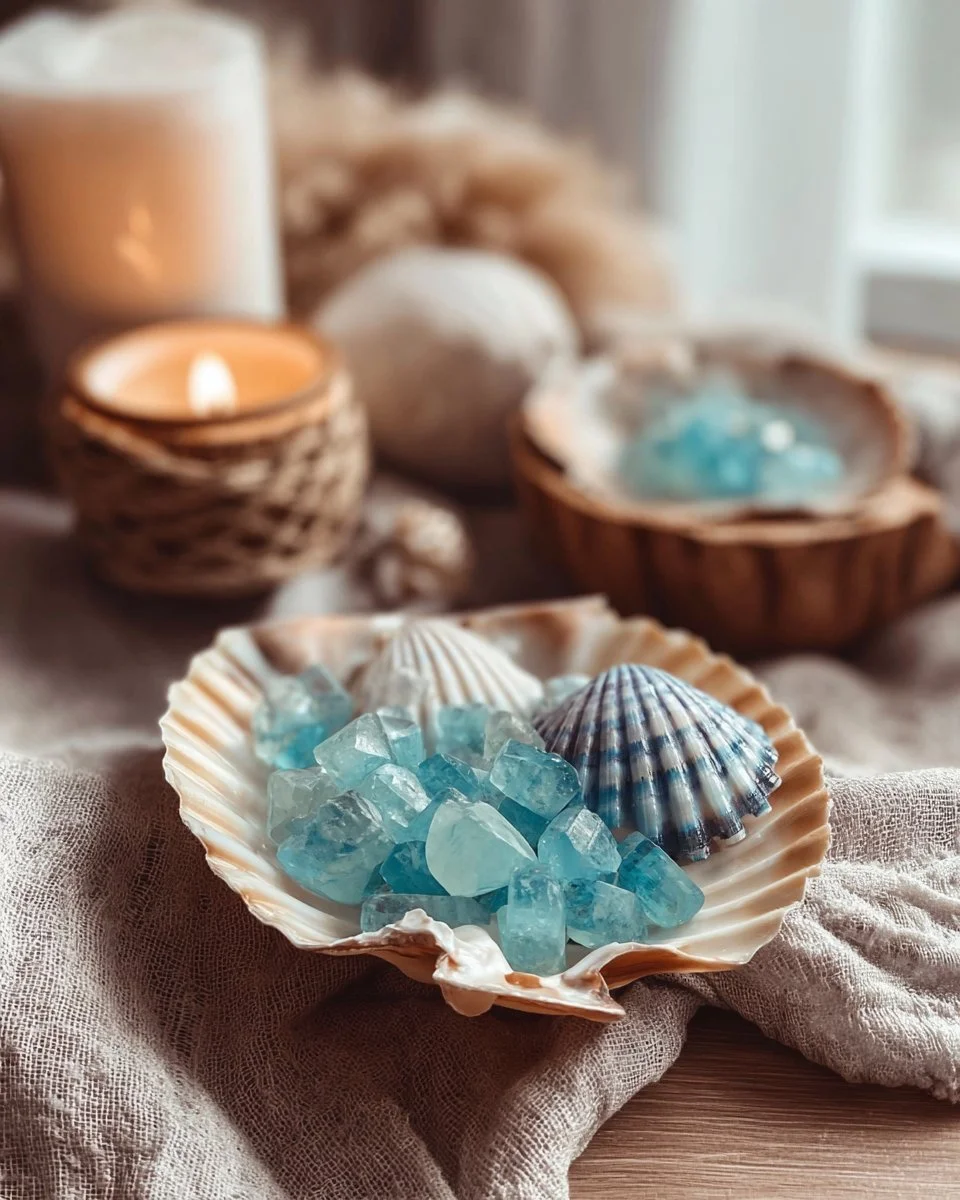
This project fits into a real, busy day because it asks for only a few minutes of active work and then time to let the resin do the rest. You do the prep, kids help where safe, and the curing happens on the side while you move on to dinner or a homework session. Turquoise mica powder gives a beautiful, consistent color that hides small imperfections in shells and looks polished without much fuss.
The supplies stay simple and familiar, so you do not need a special trip to a specialty store. The steps repeat cleanly: mix, tint, brush, and layer. That repeatable rhythm makes the results predictable and friendly to beginners. If you want to make several at once, you can batch the mixing and tinting, keeping the workflow smooth. If you only want one or two, you still get the same nice finish.
This is reliable because the technique uses thin resin layers and a bit of glue to help the resin stick to curved surfaces. That prevents drips and keeps bubbles under control. The project works equally well as a quiet craft with tweens or a short adult project after everyone goes to bed. It stays low-prep, approachable, and satisfying.
Explore Visual Creative Crafts
Get inspired by eye-catching projects. Browse our Visual DIY Creative Crafts and bring your creative ideas to life with simple, visual guides.
A Quick Look Before You Begin
Set aside about 20 to 40 minutes of hands-on time, depending on how many shells you do at once. Most of that time involves measuring, stirring, and brushing thin layers. The rest is waiting while resin becomes tacky or cures. Plan for a curing window of several hours to overnight, based on the resin you choose.
Your setup stays compact. Use a small tray or a bit of parchment paper to catch drips. You will want some open space to let pieces rest undisturbed while they cure. The mess level is medium at first because resin can run; use disposable cups and a lined tray. After that, the project cleans up quickly.
Adult supervision matters when you work with resin. Wear disposable gloves and a mask if the product instructions suggest it. Kids can help with dry steps like sprinkling glitter or holding shells steady with tweezers. Keep resin handling to an adult and plan small tasks that feel safe for younger hands.
Materials You’ll Need
Small seashells (clean and dry)
Common household item if you collected shells yourself; check for cracks before starting.
Turquoise mica powder or pigment
Gives the bright, shimmering turquoise finish; a little goes a long way.
Clear epoxy or slow-setting craft resin
The primary coating and the topcoat; choose a clear resin you trust.
Fine clear glitter or glass microbeads (optional)
Adds sparkle and texture; optional for a cleaner look.
White craft glue or PVA glue
Helps the resin stick to curved shell surfaces and prevents runs.
Fine sand or baking soda (optional)
Can add texture beneath the resin; optional and used sparingly.
Small mixing cups and stir sticks
Disposable cups make cleanup easy; use small amounts for control.
Soft brushes (small paint brushes)
Used to spread thin resin layers and control application.
Tweezers or toothpicks
Helpful for placing microbeads or holding tiny shells while working.
Disposable gloves and mask (if using resin)
Safety items for handling resin and reducing fumes; follow product guidance.
Small tray or parchment paper for drying
Keeps your workspace tidy and makes moving pieces simple while they cure.
Step-by-Step Directions
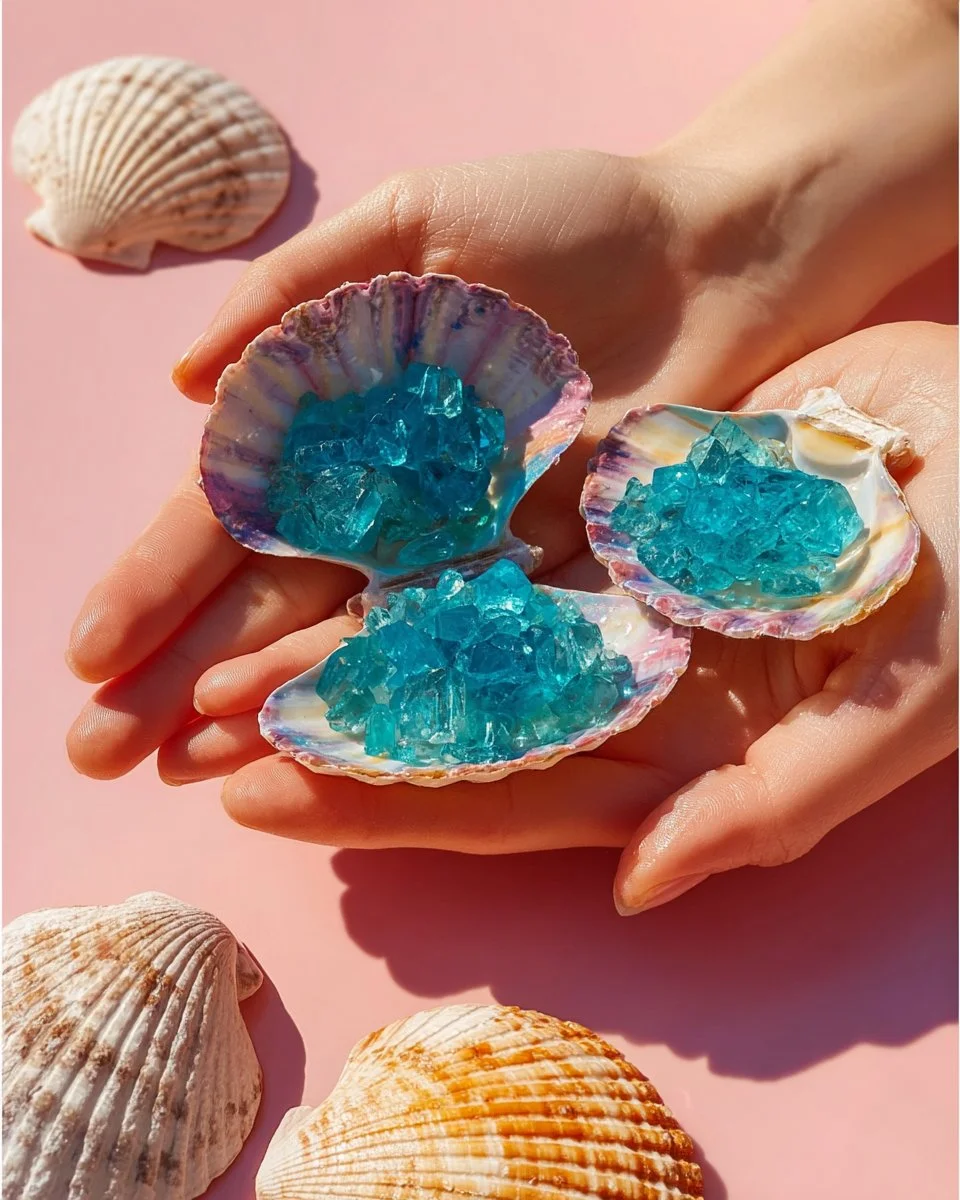
- Clean and dry each shell. Rinse to remove grit, then air dry.
Check inside grooves for sand and rinse until the water runs clear. Let shells sit on a towel for at least an hour so no moisture stays trapped. - Mix a small batch of epoxy or resin, stirring gently to avoid air bubbles.
Measure according to the product directions and stir slowly in a circular motion. Stop and let bubbles rise, and tap the cup gently on the table to help clear them. - Tint the resin with turquoise mica powder until the desired shade is achieved.
Add mica a little at a time and stir slowly; the color deepens as you mix. Aim for a tint that looks slightly lighter wet than you want when cured. - Apply a thin layer of glue to the shell’s curves.
Brush a small amount of white glue into hollows and along ridges where resin might run off. This gives the resin a sticky base to cling to. - Brush a thin layer of tinted resin over the glued areas.
Use a soft brush and flow the resin into corners with light strokes. Work quickly but carefully so the resin spreads evenly. - Sprinkle glitter or microbeads into the wet resin.
Use tweezers or a small spoon for control. Scatter sparingly at first; you can add more with each layer if you want higher sparkle. - Let the piece sit until tacky, then repeat for additional layers.
Wait until the resin feels slightly sticky to the touch but not wet. Add thin layers for depth and to build a small crystal effect without heavy drips. - Finish with a clear topcoat of resin and let cure according to product instructions.
Apply a smooth final coat and place shells on a tray to cure in a dust-free area. Follow the resin’s recommended cure time for best clarity. - Once cured, trim stray beads and clean with a soft cloth.
Use tweezers to remove any sharp bits and a dry soft cloth to buff the shine. If edges feel rough, a very light sanding on the underside helps. - Optionally, glue a loop for hanging.
Use a small amount of glue on the shell’s flat back and press in a jewelry loop or ribbon loop. Let the glue set fully before hanging.
The Learning Behind This DIY
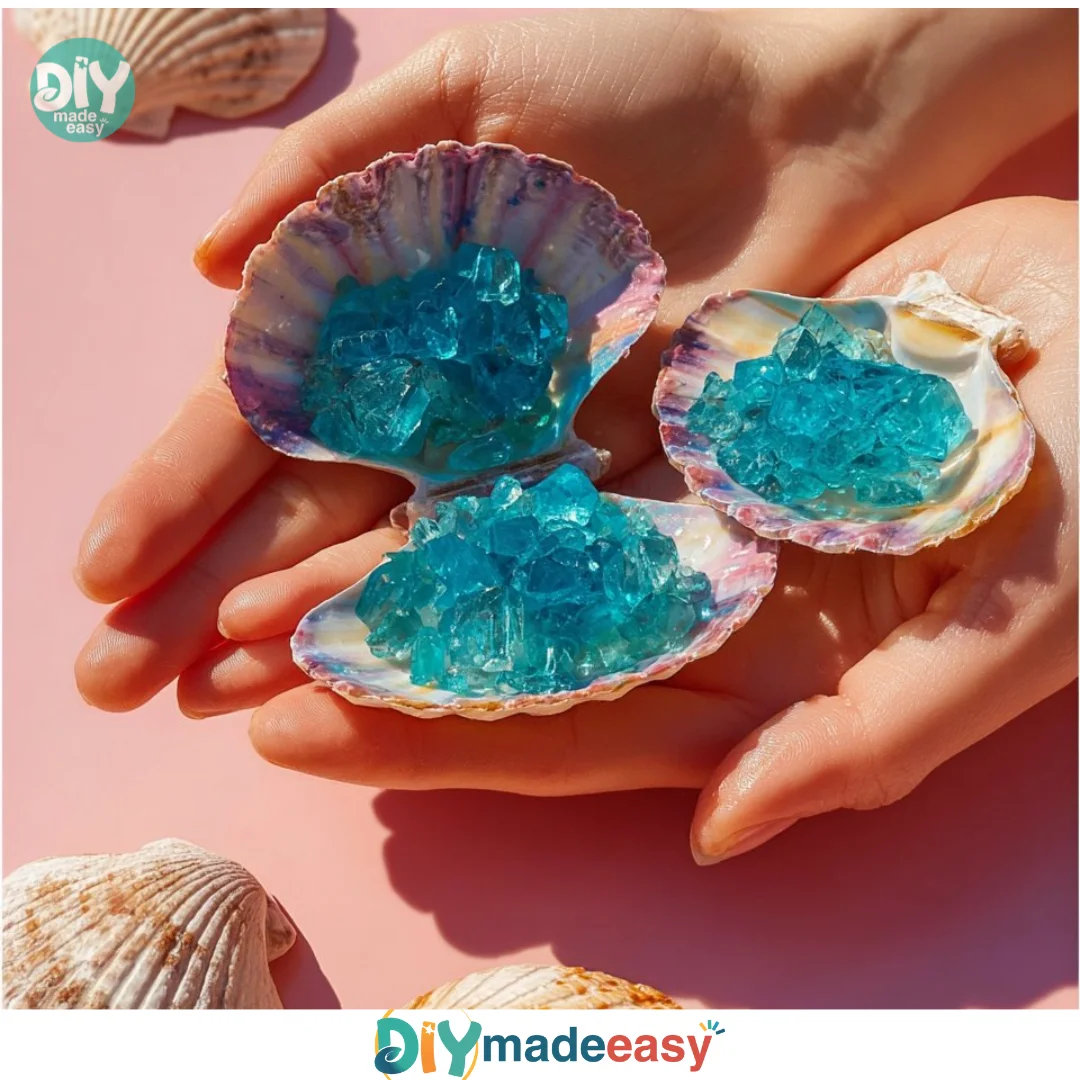
Making Turquoise Crystal Seashells teaches simple cause and effect. When you tint resin, you see color mix and settle right before your eyes. The way a thin layer levels out shows how liquids behave on curved surfaces. Waiting between layers helps learners understand timing and patience.
Fine motor skills improve through small tasks like sprinkling microbeads, holding tweezers steady, or brushing a thin line of glue. Kids practice careful movements and hand-eye coordination. They also learn to follow a sequence: clean, mix, tint, apply, wait, and repeat.
There is a bit of gentle chemistry here too. Resin cures from a liquid to a solid due to a chemical reaction. You do not need to explain the details to everyone. It helps to say that time and the right mix make the resin harden. That gives a simple predictability to the activity and helps kids appreciate planning and cleanup.
Troubleshooting Common Issues
If bubbles appear after you pour, they usually rise and pop on their own. Tap the mixing cup gently and run a low-heat tool, like a hairdryer on low and held at a distance, for a few seconds to coax bubbles away. Do not overheat the resin.
If the resin beads up on a shell, you likely applied too much or did not prime the surface. A thin coat of PVA glue usually fixes this by creating a tacky base. Wipe excess glue away before adding more resin.
If color looks uneven, it probably needs more mixing or thinner layers. Mix a small extra bit of tinted resin and flood the area carefully to even it out. Work in thin layers rather than one thick pour to avoid runs and uneven curing.
If pieces stick to the tray, use parchment paper under the shells when curing. Removing shells too early can leave a tacky finish; follow the resin’s cure time and leave pieces to rest undisturbed.
If microbeads fall out after curing, glue them back with a tiny drop of white glue and seal with a thin layer of clear resin. That spot will look slightly different, but the repair holds well.
Easy Variations to Try
Try a beachy gradient by mixing one batch of pale turquoise and another darker shade, then brushing the lighter tint toward the shell opening and the darker shade near the edge. Let layers blend slightly for a natural look.
Create a starry effect by using only a few microbeads in random spots and finishing with a glossy topcoat. This keeps the shell elegant and less busy for older kids or adult gifts.
Mix in a pinch of fine sand or baking soda under the resin to make the shell look like it has a tiny shoreline. Apply the sand and glue first, then seal with a thin resin layer.
Make tiny hanging ornaments by glueing loop findings to the backs after curing. Add a short ribbon or cord for a mobile or window hanger.
Use a completely clear topcoat with no mica for a glass-like finish that highlights the natural shell color while keeping a hint of turquoise beneath. This works well if you want a subtler, more refined piece.
Storing or Reusing This Project
Store finished shells in a small box with layers of tissue to keep pieces from rubbing together. Lay them flat and avoid stacking heavy items on top. A shallow craft box or a photo storage box works well.
Leftover resin that has not cured cannot be saved for long. Mix only what you need in small batches to avoid waste. If you have resin waste, follow the product disposal instructions carefully. Do not pour unused resin down the sink.
Keep mica powder sealed in a small jar to prevent spills and moisture. Small resealable bags work for glitter and microbeads. Label any small containers so supplies stay organized and ready for the next project.
Clean brushes and mixing tools with the solvent recommended by your resin manufacturer while the resin is still wet. If resin has cured on a tool, let it harden and then peel or sand it off. Consider using disposable brushes for quick cleanup if you craft occasionally.
If you have shells that did not turn out, look at them closely for salvage options. A light sanding or a fresh topcoat can rescue many pieces. Broken shells can become mixed-media elements in other crafts, such as mosaics or shadow boxes.
FAQs About Turquoise Crystal Seashells
Will resin make a mess and how hard is cleanup?
Resin can drip if you pour too fast, but you can avoid major mess by working over parchment and using disposable cups. Wiping spills quickly with a paper towel while the resin is wet helps. Once resin cures it becomes hard, so cleaning wet resin is the key. I find small batches and a lined tray cut cleanup time dramatically.
Is this activity safe for kids and what age is appropriate?
Resin handling needs an adult. Kids can do safe parts like sprinkling glitter, holding tweezers, or brushing dried glue. For families, I separate tasks: adults mix and pour, kids decorate under supervision. If you use a slow-curing, low-odor epoxy and wear gloves, it keeps the workspace friendly but still adult-led.
Can I skip the mica powder or use something else?
You can skip mica for a clear crystal look, or use a tiny amount for a hint of color. Mica is ideal because it blends smoothly and stays suspended in resin. I recommend not substituting oil-based paints or substances not intended for resin because they can interfere with curing.
My shells look cloudy after curing. Is that normal?
Cloudiness often means there was moisture trapped in a shell or the resin was mixed too fast and brought in tiny bubbles. Always dry shells well and stir resin slowly. If a piece is slightly cloudy, a thin clear topcoat sometimes brings back the shine, but do not expect a perfect factory finish.
How long do finished shells last and how should I store them?
When cured properly, resin shells hold up for years like small decorative objects. Keep them out of direct, hot sunlight if possible to protect color. Store them flat and separate with tissue paper to avoid scratches.
A Final Helpful Note
Trust your first few pieces to teach you. The first shell may show small bubbles or uneven spots, and that is part of learning. Each attempt will feel easier and look better. Keep work sessions short and relaxed; the process is part of the pleasure.
If you feel unsure about timing, remember that patience wins here. Thin layers take longer but give you a more controlled finish. Let the resin set where it will not be bumped, and enjoy the neat little collection you make. You do not need perfect results to make something charming.
Conclusion
If you want inspiration from finished pieces that use similar color palettes and layout ideas, take a look at this example of teal and turquoise shell art on Etsy: Teal & Turquoise Seashell Art, Sea Glass Wall Decor. For ideas on complementary beads and findings to use with your Turquoise Crystal Seashells, this ocean-themed jewelry kit offers lots of small parts to play with: SUNNYCLUE 1 Box 284Pcs Ocean Jewelry Making Kit Sea Turtle.
PrintTurquoise Crystal Seashells
Create stunning turquoise crystal seashells with simple household materials. Perfect for a fun afternoon craft with kids or a relaxing project for adults.
- Prep Time: 20 minutes
- Cook Time: 40 minutes
- Total Time: 60 minutes
- Yield: Multiple shells
- Category: Craft
- Method: Crafting
- Cuisine: DIY
- Diet: N/A
Ingredients
- Small seashells (clean and dry)
- Turquoise mica powder
- Clear epoxy or slow-setting craft resin
- Fine clear glitter or glass microbeads (optional)
- White craft glue or PVA glue
- Fine sand or baking soda (optional)
- Small mixing cups and stir sticks
- Soft brushes (small paint brushes)
- Tweezers or toothpicks
- Disposable gloves and mask (if using resin)
- Small tray or parchment paper for drying
Instructions
- Clean and dry each shell. Rinse to remove grit, then air dry.
- Mix a small batch of epoxy or resin, stirring gently to avoid air bubbles.
- Tint the resin with turquoise mica powder until the desired shade is achieved.
- Apply a thin layer of glue to the shell’s curves.
- Brush a thin layer of tinted resin over the glued areas.
- Sprinkle glitter or microbeads into the wet resin.
- Let the piece sit until tacky, then repeat for additional layers.
- Finish with a clear topcoat of resin and let cure according to product instructions.
- Once cured, trim stray beads and clean with a soft cloth.
- Optionally, glue a loop for hanging.
Notes
Adult supervision is required when working with resin. Ensure children assist with safe tasks and follow product directions for resin use.
Nutrition
- Serving Size: 1 shell
- Calories: 0
- Sugar: 0g
- Sodium: 0mg
- Fat: 0g
- Saturated Fat: 0g
- Unsaturated Fat: 0g
- Trans Fat: 0g
- Carbohydrates: 0g
- Fiber: 0g
- Protein: 0g
- Cholesterol: 0mg