

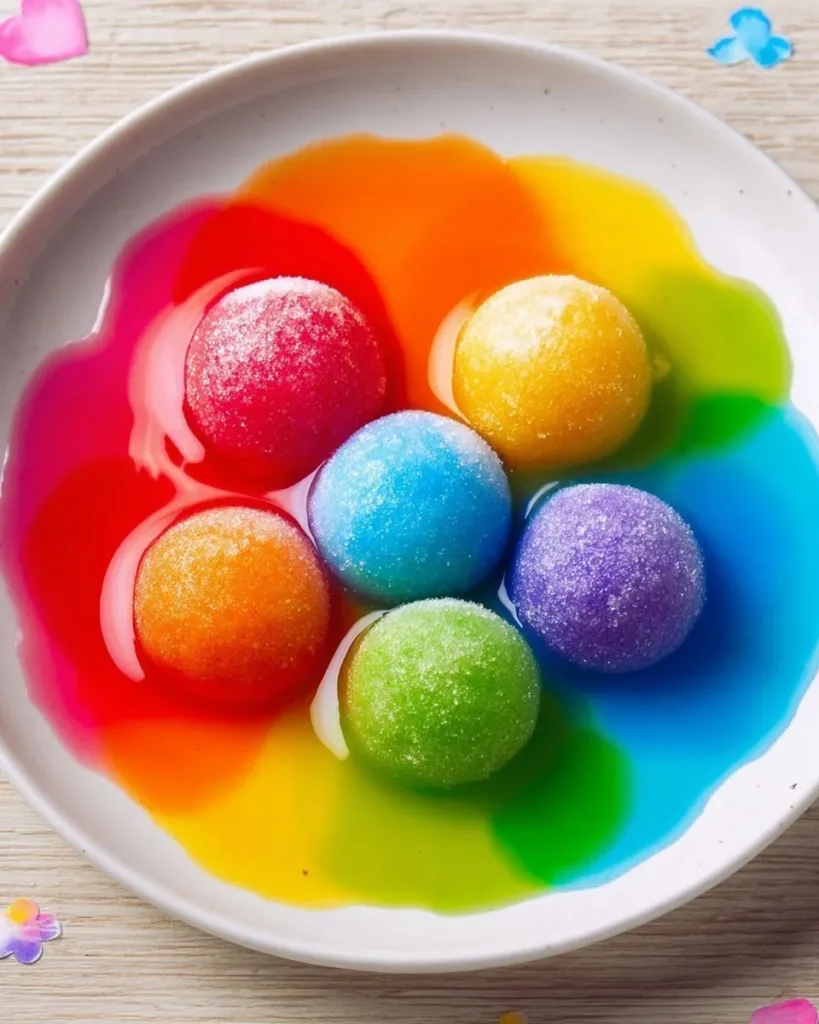
A busy afternoon, laundry half folded and a sudden chorus of kids asking to make something now can feel like a small emergency. That exact day, the Rapid-Growing Rainbow Sugar Crystal Eruption saved us. We cleared a small patch of counter, pulled out a saucepan and some jars, and turned a few simple pantry staples into a bright, hands-on activity that held attention for days. It feels like a quick kitchen setup, but it becomes a calm, satisfying science-lab-and-craft at once. If you like cheerful messes and clear wins, this project fits the moment perfectly, and it pairs nicely with other easy crystal projects like our Fireworks Rainbow Sugar Explosion when you want a sparkier follow-up.
Why You’ll Love Making Rapid-Growing Rainbow Sugar Crystal Eruption
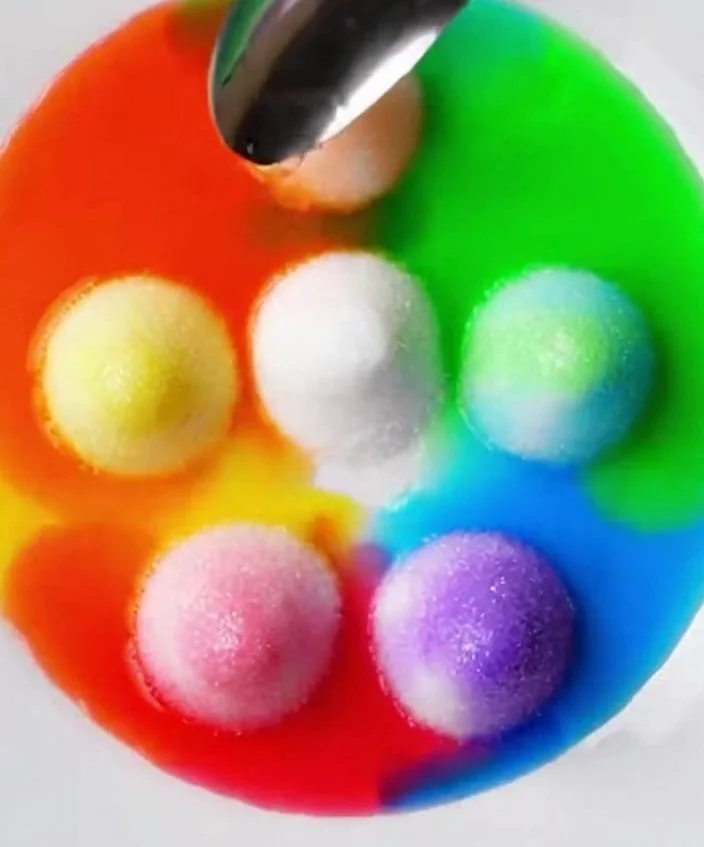
This project works so well because it keeps prep tiny and results obvious. You make a simple sugar syrup, color it, and suspend a seed string. Then you wait and watch as crystals form each day. The steps take minutes, not hours, and you can leave the jars to do most of the work while you handle snacks and homework.
It fits busy schedules because you only need short, focused blocks of work. The active time sits around the stove and the jars for a few minutes each, and then checking time is a quick peek every day. The mess level stays low if you set down a tray or use a cloth under the jars. The materials are ordinary and cheap, so you can set up two or three jars for practice without stress.
This method proves reliable for a wide range of ages. Little hands can stir and choose colors, while older kids handle the simmering under supervision. The visual payoff is strong and steady. That makes it a go-to for last-minute rainy day plans and for simple family science moments that feel special without needing a full weekend commitment.
A Quick Look Before You Begin
This makes-and-wait activity usually takes 3 to 7 days from start to finish. Plan for about 15 to 25 minutes of active work up front, then a minute or two each day to check progress. Set the jars somewhere steady and out of heavy traffic. A quiet shelf, a low cupboard, or a windowsill with gentle light works well.
Expect light cleanup. Some sticky spots may appear around jar rims or where syrup splashed. A damp cloth and warm soapy water usually clean that right away. Adults should handle the hot syrup step and any jar pouring. Kids shine best choosing colors, tying strings, and watching the geometry of crystals as they grow.
If you want a preview of different crystal styles or a faster visual drama, try a small test jar first. That helps you tune how much color you use and where to hang the seed. If you plan to try other crystal projects later, you can compare notes from this project and another like the heart-shaped crystals we make in a different post.
Materials You’ll Need
1 cup granulated sugar
- common household item, measured for this recipe
3 cups water
- plain tap water works fine
Food coloring (liquid or gel)
- bright gel colors give stronger tones, liquid works for lighter shades
Cotton strings or wooden skewers
- cotton seeds crystals better; wooden skewers work as a holder
Clear glass jars
- easy to watch crystals grow
Clothespins or clips
- to hold skewers steady across jars
Medium saucepan
- for warming the syrup safely on the stove
Long-handled spoon or wooden stirrer
- keeps hands away from hot syrup
Measuring cup and spoon
- for accurate sugar to water ratio
Small funnel (optional)
- helpful for neat pouring, optional
Pliers or scissors
- to trim strings or cut skewers if needed
Notebook and pen (optional)
- jot growth notes, color mixes, or daily observations
A quick note: if you want to try shaped or themed crystals later, take a look at our step-by-step heart project for ideas. You can learn from those patterns and bring a few techniques back into this simple jar method via our rainbow crystal heart post.
STEP-BY-STEP DIRECTIONS
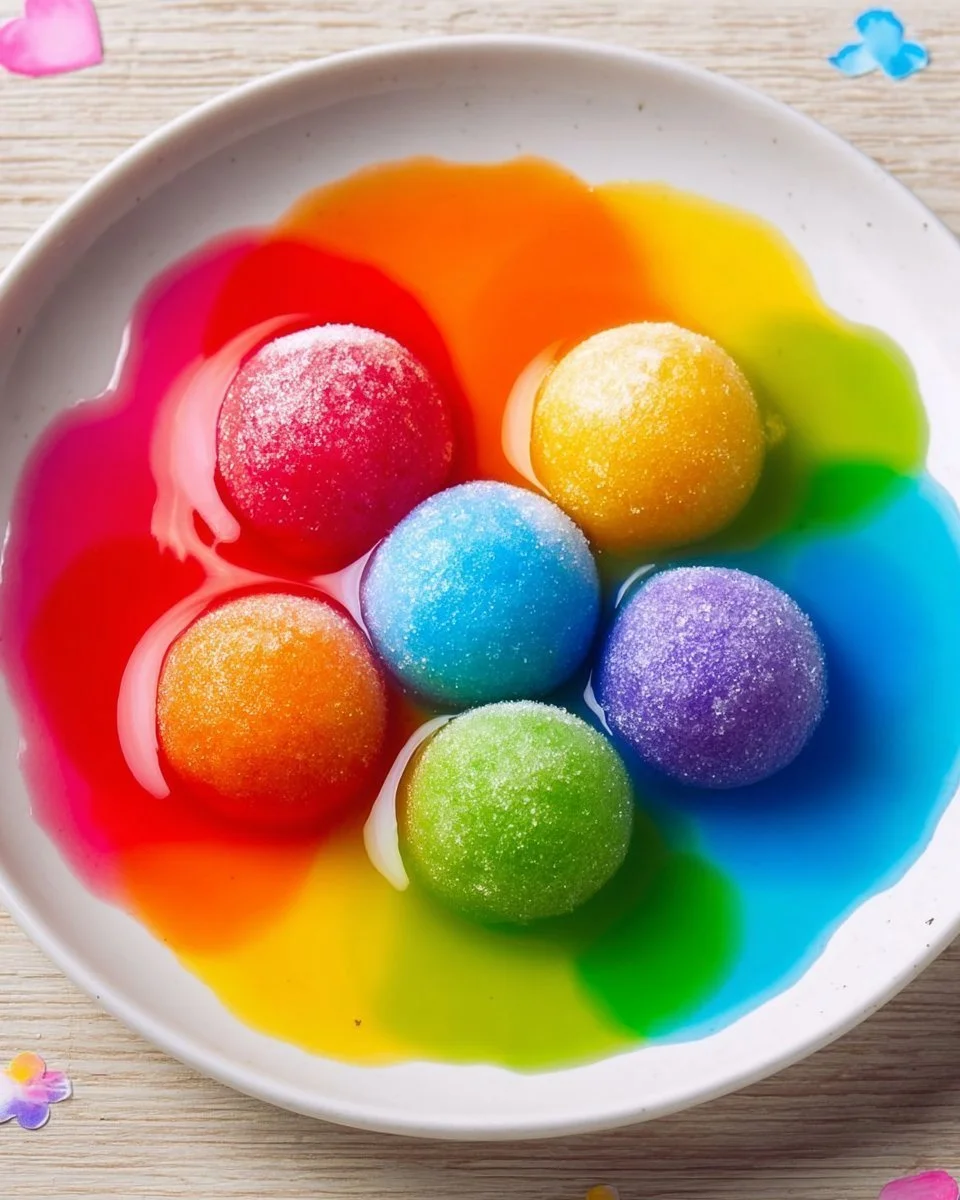
- Measure and warm: Stir one cup of water into a saucepan and gently simmer. Add three cups of sugar, stirring until dissolved and glossy.
Let the sugar melt smoothly into the warm water. You should see the syrup become shiny and clear as the sugar dissolves. - Watch the syrup: Keep heat low; the syrup will thicken. Once it trails clear from the spoon, remove it from heat and let cool slightly.
A good cue is when a drip from the spoon forms a clear line before falling. Don’t let it boil hard; gentle heat prevents burnt sugar. - Pour into jars: Use a funnel or pour carefully to fill jars to three-quarters full.
Work slowly and steady. If any syrup lands on the jar rim, wipe it clean so the lid or clip will sit straight. - Add color: Stir in a small amount of food coloring to each jar until evenly mixed.
Add color a drop at a time for liquid coloring, or a tiny dab if you use gel. Mix until the color runs even through the syrup. - Prepare the seed: Tie clean string to a skewer or clip, adding sugar crystals if desired.
Wet the string slightly and roll it in loose sugar to give crystals a starting place, or leave it plain for a smoother initial coat. - Suspend the string: Clip the skewer across the jar mouth so the string hangs freely in syrup.
Make sure the string does not touch the jar sides or bottom. The skewer should rest on the rim and the string should hang in the center. - Cover and rest: Loosely cover jars and place in a quiet spot at room temperature.
Covering keeps dust out but allows slow evaporation. A low-traffic shelf gives steady conditions which encourage even crystal growth. - Check progress: Observe daily crystal growth and tilt jars if needed for even formation.
Look for tiny sparkles forming along the string after the first day. If one side forms more, gently rotate the skewer to balance growth. - Finish the project: After 3-7 days, remove strings and let them dry on wax paper.
When crystals look full and firm to the touch, lift the string slow and steady. Lay them flat to dry so shapes set without breaking. - Create a mini eruption: Warm syrup and drop on the cluster base for a blooming effect.
Gently reheat a small spoonful of reserved syrup until pourable, then drip it onto the mass where crystals meet to see a fresh bloom and glossy glaze. - Clean and reflect: Wash jars and write notes about your observations.
Warm soapy water removes sticky residue well. Take a minute to jot what worked, what color was fastest, and what you might try next.
The Learning Behind This DIY
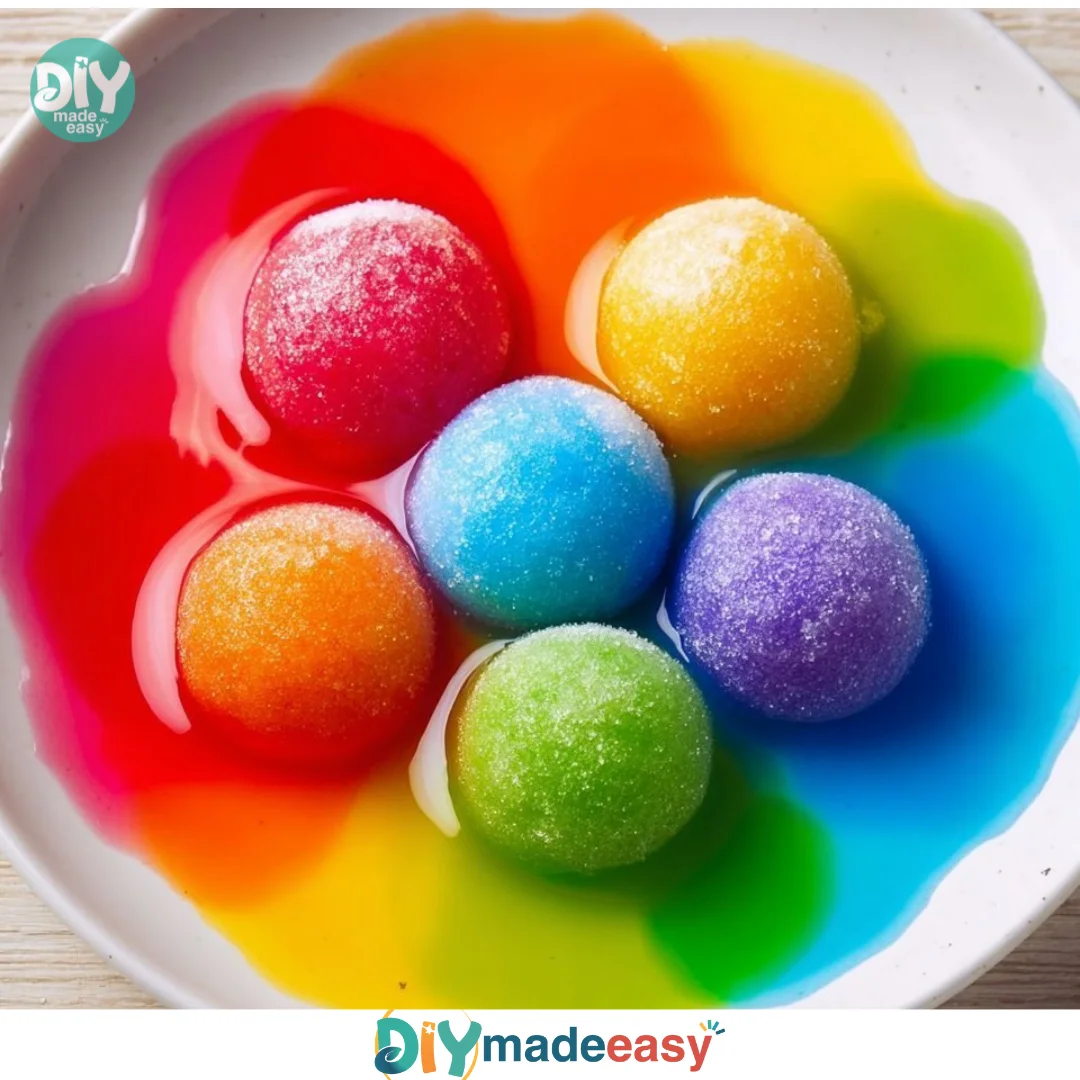
This project teaches simple science by letting kids see how sugar leaves solution and becomes solid crystal. As water slowly evaporates, the sugar molecules find each other and lock into repeating patterns. Watching that process make sense in real time helps young makers learn cause and effect.
Hands-on, kids practice fine motor skills when they tie strings and hold skewers steady. They use planning skills as they decide colors and how long to wait. It encourages patience and gentle observation, and it gives a clear visual reward for careful setup.
Parents can use this as a short lesson about solubility and saturation without heavy terms. A quick note about texture and timing helps too: thick syrup feels heavy and glossy; thin syrup feels runny. Those tactile cues teach confidence in kitchen chemistry while keeping things simple and family friendly.
Troubleshooting Common Issues
If your sugar crystal growth stalls, check the jar rim for sticky buildup. Sticky rims can cause the string to stick and crystals to form unevenly. Wipe the rim and gently reset the string if needed.
If crystals form mostly on the jar wall instead of the string, the string probably touched the glass. Reposition the skewer so the string hangs clear in the middle and try again with a fresh seed string.
If the syrup looks cloudy or has bits floating, it may have boiled or burned slightly. Cloudiness usually means the syrup cooled too fast or impurities are present. You can strain a reheated batch through a clean cloth into a jar to remove particles.
If growth is very slow, your room may be too cool or too humid. A slightly warmer, dryer spot speeds evaporation and helps crystals set. Just avoid direct sun or drafts that can cause temperature swings.
Easy Variations to Try
Try single-color jars next to multicolor jars to compare growth and color intensity. Mix a shallow tray of different colored strings for a rainbow garland once they dry.
Add a sugar-coated seed (roll a damp string in granulated sugar) for faster initial growth. This little rough coat gives crystals a surface to cling to and can speed up the first day or two of development.
Use different jar sizes and note how shape affects crystal shape. Narrow jars often form taller, more column-like crystals, while wider jars create broader clusters.
Try small themed displays, such as placing finished crystals on a cardboard “stage” and arranging them in a circle for a mini sculpture. Treat this as a craft step rather than another science test.
If you prefer a no-borax and simple approach with different textures, you can compare methods from our other crystal guides to see what fits your time and taste: check out Rainbow Crystal Rocks – No Borax for an alternate take.
Storing or Reusing This Project
Finished crystals make cheerful decorations for a few days to a couple of weeks if you keep them dry. Place them in a dry container or hang them out of direct sun to keep colors bright.
The jars wash up easily with warm soapy water. If syrup stuck inside, soak for a bit to loosen residue before scrubbing. Keep lids and clips in a drawer to reuse for another batch.
If you want to reuse strings or skewers, let everything dry thoroughly first. Wooden skewers may absorb syrup and warp, so treat them as single-use if they feel too sticky. Cotton strings sometimes hold on to crystals stubbornly and work best as one-time seeds.
To reduce waste, plan a second small batch soon after; you can reuse jars and clothespins and only replace the strings and fresh sugar. Reusing what you can keeps this project budget-friendly and easy to repeat.
FAQs About Rapid-Growing Rainbow Sugar Crystal Eruption
Will this be too messy for my kitchen if my kids help?
It can stay very tidy if you set a small tray under the jars and keep a damp cloth nearby. Kids can do the coloring and tying while an adult handles the warm syrup. Expect a sticky rim or two and have a warm soapy cloth ready. It cleans up easily and we usually find the quick mess pays off with a happy, focused hour.
Is this safe for young kids? How old should they be?
This works well for elementary-aged kids with adult supervision. The only hot step is the syrup on the stove, and adults should manage that. Younger kids enjoy the string tying, color choices, and watching. If you have toddlers, keep them at a safe distance during the heating and pouring steps.
Can I use substitutes like brown sugar or honey?
Stick to white granulated sugar for predictable results. Brown sugar or honey changes the chemistry and usually makes cloudier, slower-growing crystals. If you want a different look, change colors or jar shape rather than switching the main ingredient.
What if my crystals never get big or look dull?
Crystals that stay small often need a better seed or steadier conditions. Try rolling the seed string in dry sugar before suspending it to give crystals a head start. Check that the string does not touch the glass and keep jars somewhere with steady room temperature.
How long can I keep the finished crystals?
Finished pieces last longer if you keep them dry and out of direct sun. They will slowly lose sheen if they absorb moisture or sit in humid air. For display, aim for a few days to a couple of weeks. If they get sticky later, you can gently dry them or make a fresh batch.
A Final Helpful Note
This project wants patience and curiosity more than perfection. Small differences in jar size, room temperature, or color amount change the look, and that is part of the fun. If something feels off, write it down, try one small change next time, and enjoy the bright, sticky science with the family. You can always stretch this into a weekend of color and notes, or keep it as a quick, impressive kitchen experiment.
Conclusion
If you want more ideas for growing sugar crystals and seeing variations on the technique, this guide pairs well with a straightforward experiment explanation like Grow Dazzling Sugar Crystals: A Sweet Science Experiment for Kids, which shows simple steps and vivid photos. For a deeper how-to and background on reasons things work or snag, you may also find the detailed walk-through at Make Your Own Sugar Crystals for Rock Candy – ThoughtCo useful as a companion read.
PrintRapid-Growing Rainbow Sugar Crystal Eruption
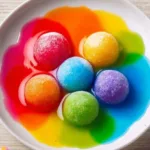
Create colorful sugar crystals with this fun and educational hands-on activity for kids, perfect for rainy days!
- Prep Time: 20 minutes
- Cook Time: 0 minutes
- Total Time: 5-10 days (with daily observation)
- Yield: Multiple jars
- Category: Dessert
- Method: DIY & Crafts
- Cuisine: American
- Diet: Vegetarian
Ingredients
- 1 cup granulated sugar
- 3 cups water
- Food coloring (liquid or gel)
- Cotton strings or wooden skewers
- Clear glass jars
- Clothespins or clips
- Medium saucepan
- Long-handled spoon or wooden stirrer
- Measuring cup and spoon
- Small funnel (optional)
- Pliers or scissors
- Notebook and pen (optional)
Instructions
- Measure and warm: Stir one cup of water into a saucepan and gently simmer. Add three cups of sugar, stirring until dissolved and glossy.
- Watch the syrup: Keep heat low; the syrup will thicken. Remove from heat and let cool slightly.
- Pour into jars: Use a funnel or pour carefully to fill jars to three-quarters full.
- Add color: Stir in a small amount of food coloring to each jar until evenly mixed.
- Prepare the seed: Tie clean string to a skewer or clip, rolling it in sugar if desired.
- Suspend the string: Clip the skewer across the jar mouth so the string hangs freely in syrup.
- Cover and rest: Loosely cover jars and place in a calm spot at room temperature.
- Check progress: Observe daily crystal growth and rotate jars if needed for even formation.
- Finish the project: After 3-7 days, remove strings and let them dry on wax paper.
- Create a mini eruption: Drop warm syrup on the cluster for a blooming effect.
- Clean and reflect: Wash jars and jot down observations.
Notes
This project can take 3 to 7 days from start to finish. Keep jars in a steady, quiet location for best results.
Nutrition
- Serving Size: 1 jar
- Calories: 250
- Sugar: 60g
- Sodium: 0mg
- Fat: 0g
- Saturated Fat: 0g
- Unsaturated Fat: 0g
- Trans Fat: 0g
- Carbohydrates: 61g
- Fiber: 0g
- Protein: 0g
- Cholesterol: 0mg