

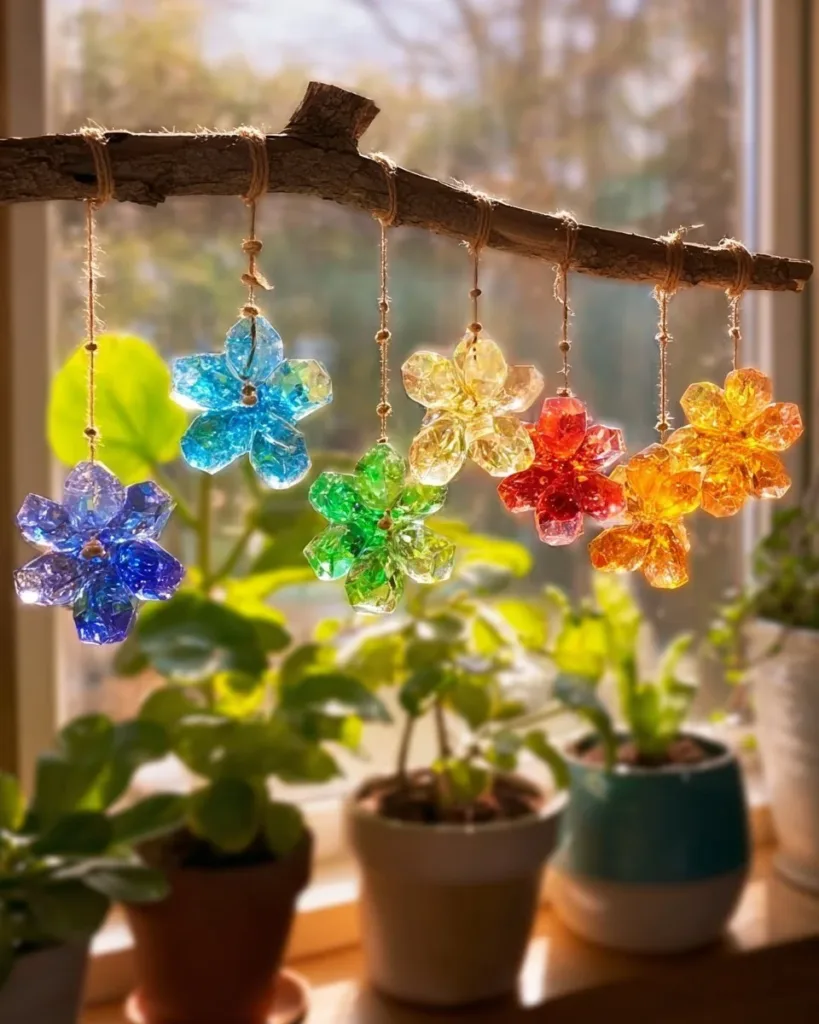
A late-afternoon rainstorm cancels playground plans and the kids ask for something to do right now. You clear a corner of the kitchen table, grab a towel, and set up a simple jar, some beads, and a box of Borax. In under an hour you can move from a busy afternoon to a calm, colorful experiment that fills the house with tiny, sparkly growths. Rainbow Crystals fit that exact moment: low-prep, hands-on, and satisfying for kids and adults alike. If you like projects that feel a little like magic and a lot like small victories, this one lands in the sweet spot. For another quick kitchen science idea that pairs well with this, try the rainbow light show activity I wrote about earlier at rainbow light show activity.
Why You’ll Love Making Rainbow Crystals
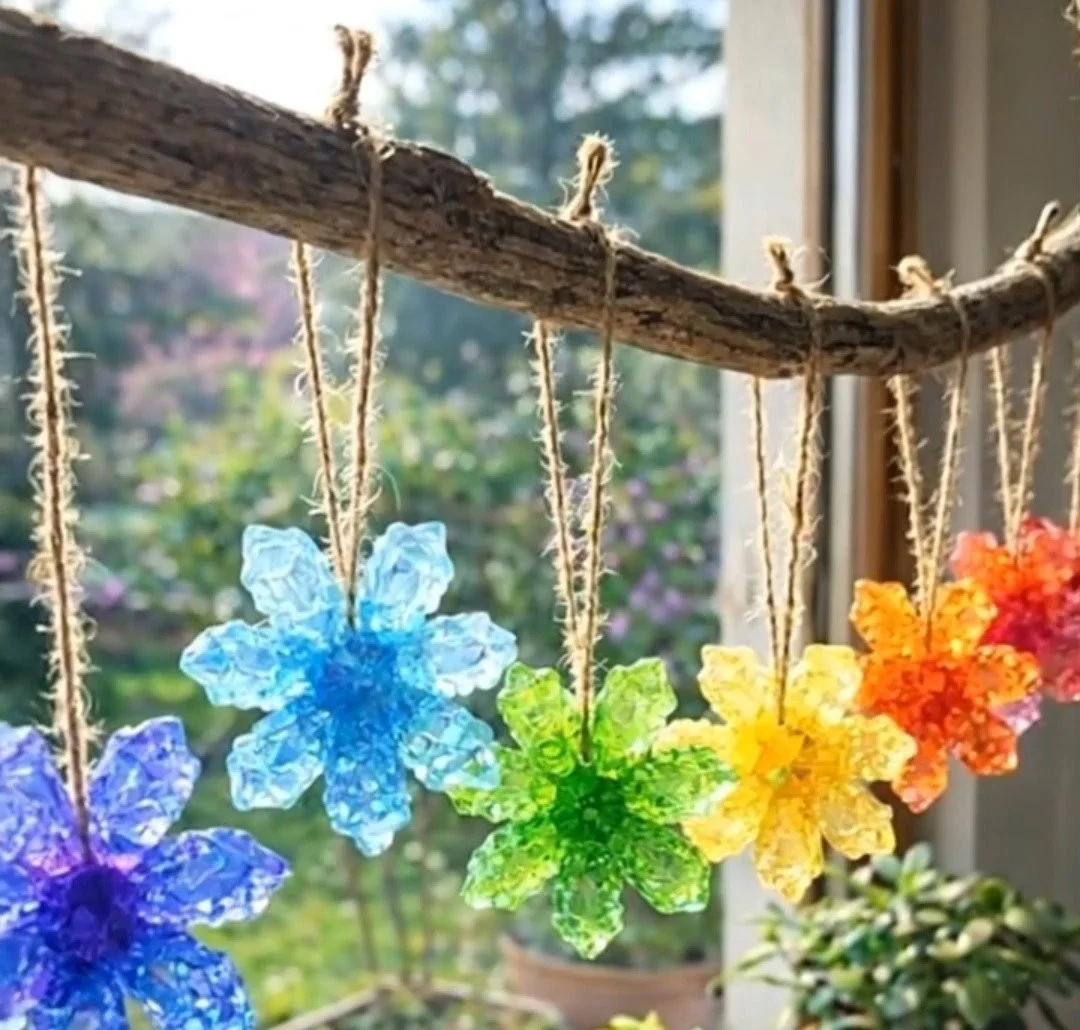
This craft works so well because it keeps things simple and flexible. You use things most people already have at home: a clear jar, hot water, and a crystal-forming powder like Borax, alum, or Epsom salt. That low-prep feel means you can set it up in minutes and still get good results. The process also spreads out over time, so a busy parent can set the initial work and come back to check progress while dinner cooks or homework gets done.
It stays approachable because you control the pace and the mess. The setup uses a towel and a tray to catch spills, and you can boil water once and let kids measure and stir under supervision. It stays reliable because the chemistry is forgiving: crystals grow slowly and visibly, so you get clear feedback. If one attempt doesn’t make big formations, you learn something small about temperature or saturation and try again. That makes it great for real-life schedules and realistic expectations.
A Quick Look Before You Begin
This activity runs in two parts: a short active setup and a slow waiting period. The setup takes 10 to 20 minutes. The waiting period can take several hours to a few days, depending on how large you want the crystals. Plan for some idle time where the jar sits undisturbed.
The mess level stays low if you follow a few simple habits. Lay a towel under the jar, use a small funnel if you have it, and keep tongs or gloves ready for handling hot glass. An adult should pour the hot water and handle the jar until it cools a bit. After that, kids can stir, tie beads to strings, and watch the slow growth with curiosity.
Expect to check your jar every few hours at first, then once a day. If you want extra fun while you wait, pair this with another quick kitchen project like the fireworks sugar explosion experiment for a different kind of colorful kitchen science at fireworks rainbow sugar explosion.
Materials You’ll Need
Clear glass jar or heatproof container
- common household item; choose a jar tall enough to suspend a bead
Clean glass beads or small metal shapes
- simple focal point for crystals; small and smooth works best
String or thin fishing line
- thin line helps crystals form evenly; fishing line is nearly invisible
Wooden skewer or pencil
- rests across the jar mouth; easy and common
Hot water, nearly boiling
- adult handles this; heat helps dissolve the crystal material
Borax, alum, or Epsom salt
- crystal-forming powder; Borax often gives the fastest, biggest crystals
Food coloring or small drops of liquid watercolor (optional)
- optional for color; a little goes a long way
Measuring cup and spoon
- for accurate mixing; kitchen measuring set will do
Small funnel (optional)
- optional for cleaner pouring when filling the jar
Tongs or heat-resistant gloves
- safety first; use these to handle hot glass
Tray or towel to catch spills
- lay a towel under the jar and keep a tray nearby
Paper and pen
- jot down how much powder you used and the time you started
STEP-BY-STEP DIRECTIONS
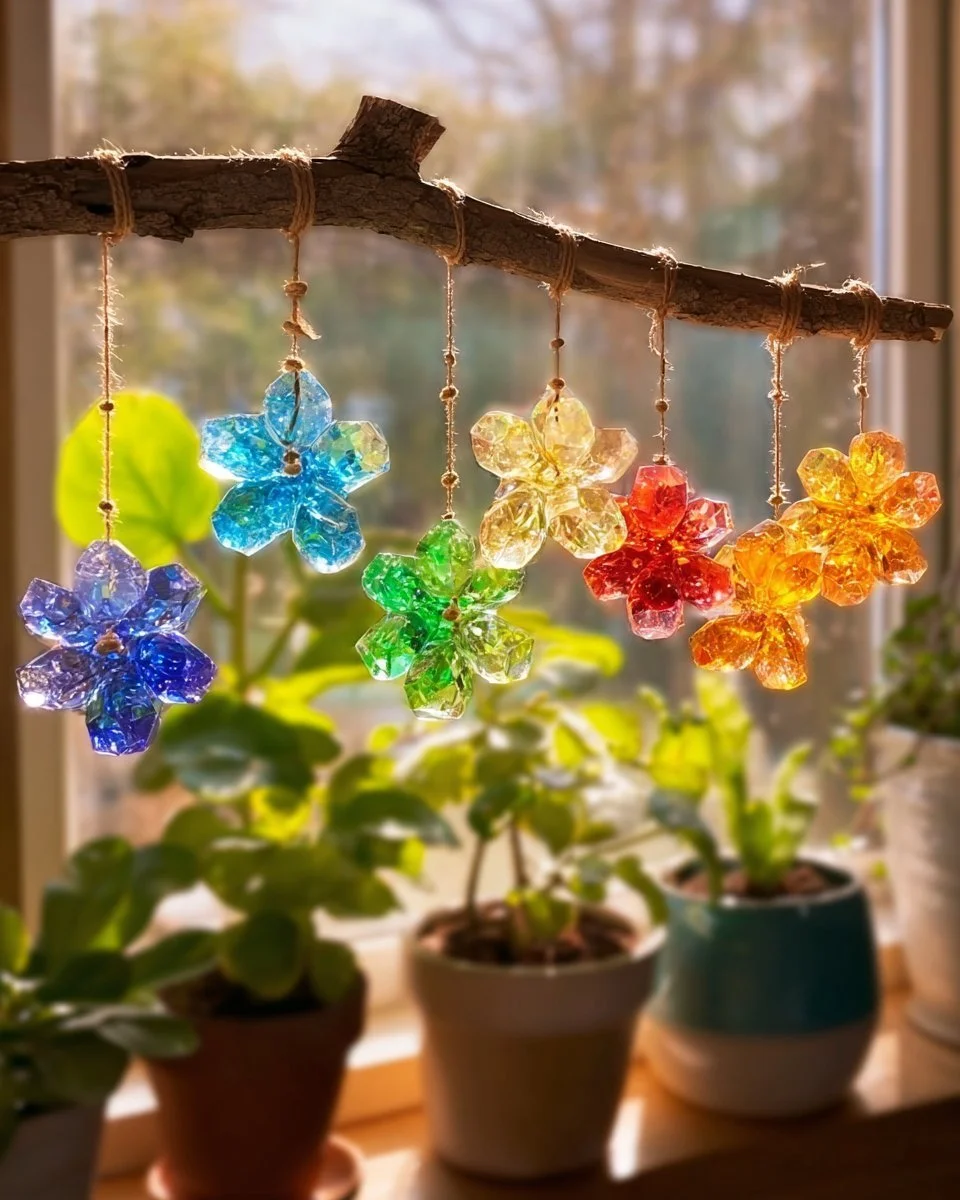
- Prepare your workspace by laying a towel on the table and placing the jar on it. Have gloves and tongs ready.
- Use a tray if you want extra protection. Keep paper and pen nearby to note amounts.
- Measure hot water into the jar and pour it slowly.
- Adult pours. Water should be nearly boiling so the powder dissolves well.
- Add the crystal-forming substance by spoonfuls and stir until it dissolves.
- Add a spoonful, stir, and watch the solution clear or cloud briefly before it clears.
- If desired, add food coloring and stir gently.
- A drop or two is enough. Stir slowly so you do not cool the water too fast.
- Tie a bead to one end of the string and suspend it in the solution using a pencil or skewer.
- The bead should hang without touching the jar sides. Adjust string length so it sits in the middle.
- Cover the jar loosely to keep dust out.
- A paper towel or loose lid works. Do not seal it tightly; crystals like slow cooling.
- Wait and watch for crystals to form, checking every few hours at first.
- You will see fuzzy growth at first, then solid facets. Note how they change on paper.
- Once the desired crystal size is reached, lift the bead and let excess solution drip.
- Use tongs or gloves. Hold it over the jar to let big drips fall back in.
- Place the finished crystals to dry until they harden.
- Set them on a towel or paper plate. Drying can take a day or two depending on humidity.
The Simple Science or Skills at Work
This project mixes a little cooking with a little science. When you dissolve Borax, alum, or Epsom salt in very hot water, the water simply holds more of the powder than it can at room temperature. As the solution cools, it cannot hold all the dissolved material. Bits of the substance come out of solution and form crystals on whatever surface is available. That explains why beads, strings, and jar sides become the starting points for growth.
Kids practice careful measuring and patience here more than pure math. They learn fine motor skills tying small knots and steady hands when suspending beads. They also see cause and effect: hotter water dissolves more, stirring helps mix, and slower cooling usually makes clearer crystals. These are small scientific habits that feel natural and not like a lesson.
Troubleshooting Common Issues
If nothing seems to grow, the solution may not be saturated enough. You should have added powder until no more dissolves with stirring. If the water cooled too much before you mixed, try reheating gently or start new with very hot water.
If the crystals are tiny and flaky, you probably had too rapid cooling or disturbed the jar. Try a new attempt with a looser cover and a quieter spot so the jar stays undisturbed as it cools.
If your crystals look cloudy or colored in unexpected ways, the jar or bead might have oil or residue on it. Clean glass beads and a fresh jar with warm, soapy water usually fix that. Rinse and dry well before you begin again.
If the bead sinks or touches the jar side, adjust the string length so it hangs freely. Crystals prefer an even spot on the bead to grow into nice shapes.
Easy Variations to Try
Try different crystal-forming powders and compare results. Borax often gives fast, spiky crystals. Alum can create finer, sparkly crystals. Epsom salt makes more feathery formations. Treat this like a taste test and keep notes so kids can compare.
Use different shapes for the crystal seed. Swap glass beads for small metal shapes to see how crystal patterns change. Metal surfaces sometimes give a different texture and can feel heavier when they grow.
Make a series of jars with color gradients. Use the same powder but add different small drops of food coloring in each jar to create a rainbow row. This works well on a sunny windowsill where each jar gets a little different light.
Turn a successful bead into a keepsake. Once the crystals dry, glue the bead to a ribbon or wire and make a simple ornament. Keep in mind these pieces will be delicate and work best as display items rather than toys.
Storing or Reusing This Project
If you want to keep your crystals, store them in a dry place away from direct humidity. A small box or sealed container prevents dust from settling on the fragile surfaces. Keep them out of reach of curious toddlers, as the crystals can break and leave sharp bits.
You can reuse a jar and string for another batch after cleaning. Rinse the jar and bead in warm water and let them dry completely. Scrape off leftover deposits if needed. The powder you dissolve mostly stays in the water; you can reheat and reuse the same powder only if it has not collected dust or debris.
If you have leftover solution, do not pour it down plants. Let it cool and solidify, then toss the solid into the trash. Small amounts of these powders can change soil chemistry. Always keep cleanup easy by wiping spills promptly and rinsing utensils.
FAQs About Rainbow Crystals
Will this make a big mess?
I am worried about cleanup. It usually stays neat if you place a towel under the jar and use a small funnel. Spills happen, but they rinse right off with warm water. If you get powder on the counter, sweep it into the trash before it dissolves so you do not clog the sink.
Is this safe for younger kids?
Children can join most steps, but an adult needs to handle the hot water and the jar until it cools. The powders are common household items but are not for eating. Keep them away from mouths and wash hands after handling. I have done this several times with elementary-age kids, and supervision keeps everything calm.
Can I swap out Borax for something else if I do not have it?
Yes. Alum and Epsom salt both work and give different crystal textures. The process stays the same. Be realistic results will vary. If you try a different powder, treat it like a small experiment and take notes on what you see.
What if the crystals do not look like the photos?
Real-life results vary with temperature, humidity, and how long you wait. Smaller crystals are not failures; they show the process worked. If you want larger, more defined crystals, try a hotter start, more powder to reach saturation, and a quieter spot so the jar does not get jostled.
How long do they last and how should I store them?
Crystals stay pretty for a long time if you keep them dry and dust-free. Store finished pieces in a small box or display them in a closed cabinet. Handle them gently these are more for looking than playing.
A Final Helpful Note
If you feel unsure about one step, that is okay. Stop, jot a note on your paper about what you tried, and try a small change next time. The project rewards small adjustments slightly more powder, a different bead, a quieter cupboard and those changes teach you what works in your kitchen. Most of all, enjoy the slow reveal as tiny crystal faces appear and grow. You will find the gentle wait part relaxing and satisfying, and kids love checking in like little scientists.
Conclusion
For a clear, family-friendly walkthrough with photos and tips, the Grow Your Own Rainbow Crystals guide offers an excellent companion to this post at Grow Your Own Rainbow Crystals guide. If you prefer ready-made kits or want to compare product options, you can browse Rainbow Crystals on Amazon at Rainbow Crystals on Amazon.
PrintRainbow Crystals
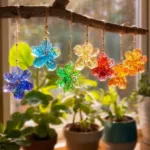
Create colorful crystals with a simple kitchen experiment using common household items.
- Prep Time: 20 minutes
- Cook Time: 0 minutes
- Total Time: 720 minutes
- Yield: 1 experiment
- Category: Craft
- Method: Science Experiment
- Cuisine: N/A
- Diet: N/A
Ingredients
- Clear glass jar or heatproof container
- Clean glass beads or small metal shapes
- String or thin fishing line
- Wooden skewer or pencil
- Hot water, nearly boiling
- Borax, alum, or Epsom salt
- Food coloring or small drops of liquid watercolor (optional)
- Measuring cup and spoon
- Small funnel (optional)
- Tongs or heat-resistant gloves
- Tray or towel to catch spills
- Paper and pen
Instructions
- Prepare your workspace by laying a towel on the table and placing the jar on it. Have gloves and tongs ready.
- Use a tray if you want extra protection. Keep paper and pen nearby to note amounts.
- Measure hot water into the jar and pour it slowly.
- Add the crystal-forming substance by spoonfuls and stir until it dissolves.
- If desired, add food coloring and stir gently.
- Tie a bead to one end of the string and suspend it in the solution using a pencil or skewer.
- Cover the jar loosely to keep dust out.
- Wait and watch for crystals to form, checking every few hours at first.
- Once the desired crystal size is reached, lift the bead and let excess solution drip.
- Place the finished crystals to dry until they harden.
Notes
This experiment allows flexibility and teaches patience to children. Supervision is required when handling hot water.
Nutrition
- Serving Size: 1 experiment
- Calories: 0
- Sugar: 0g
- Sodium: 0mg
- Fat: 0g
- Saturated Fat: 0g
- Unsaturated Fat: 0g
- Trans Fat: 0g
- Carbohydrates: 0g
- Fiber: 0g
- Protein: 0g
- Cholesterol: 0mg