

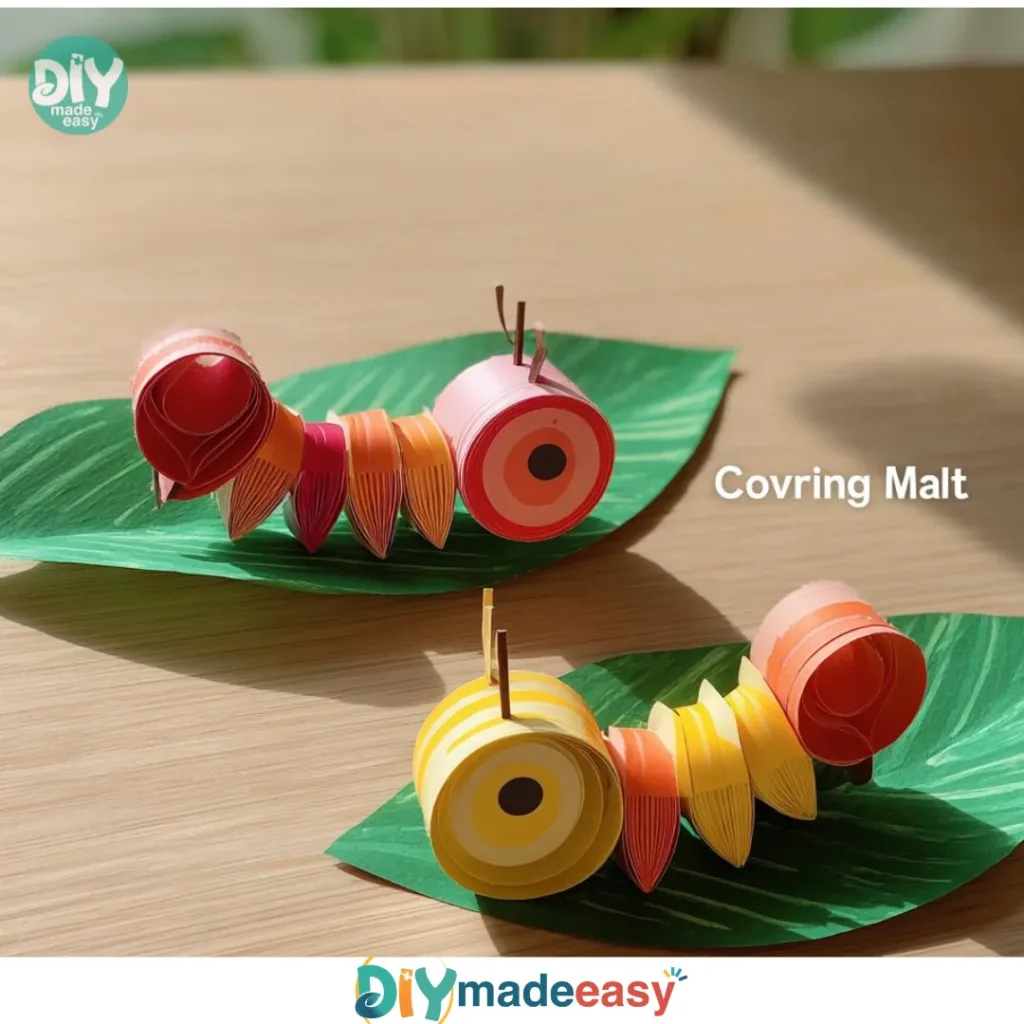
It was a rainy afternoon and the kids wanted something to make right now, not later. I pulled a few sheets of construction paper, a straw, and a couple of brads from a drawer and we turned a small kitchen table into a quick craft station. The Moving Caterpillar Craft felt just right for that moment: low prep, fast to explain, and oddly satisfying to see wiggle across the table. If you like projects that finish in one sitting and leave everyone smiling, this is one to keep in your go-to list of easy family activities, and you can find more fun ideas on our page about fun kids crafts to try next time.
Why You’ll Love Making Moving Caterpillar Craft
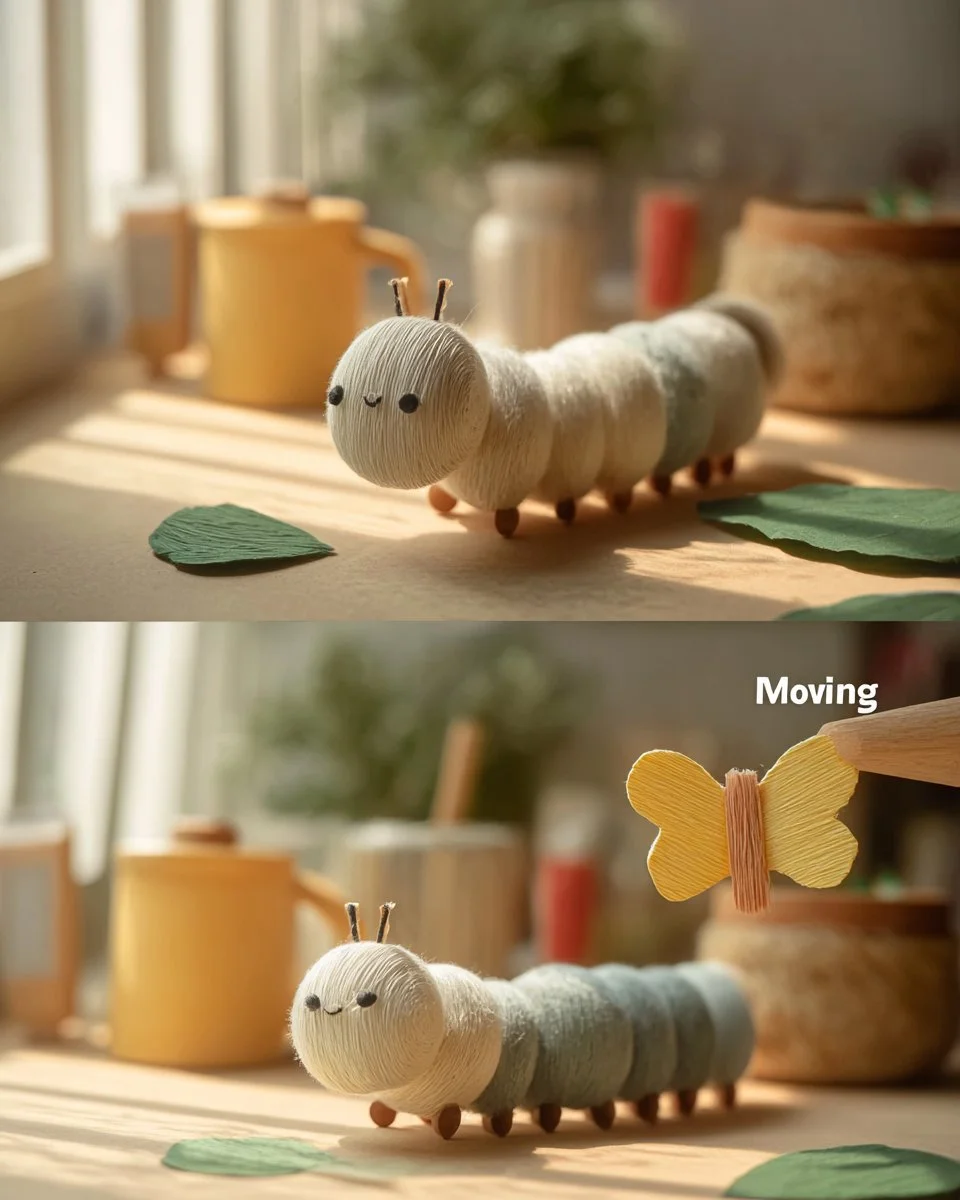
This craft works because it uses what you have on hand and asks for only a little attention span. Cut circles, add color, and link them with brads. It feels simple, and kids see progress fast.
It fits short afternoons, after-school hours, or a waiting-room stretch. The pieces dry quickly and cleanup stays small, so it works for busy families.
It plays into a child’s love of moving things. When the caterpillar wiggles, that quick reward keeps everyone engaged without needing a long setup.
You can scale the difficulty. Preschoolers can help decorate and press brads with supervision, while older kids can measure and add patterns for more control and pride.
The materials are cheap and common. You do not need a big craft cabinet. That makes it dependable and repeatable when a craft moment pops up.
A Quick Look Before You Begin
This project takes about 20 to 40 minutes depending on how many circles you cut and how elaborate decorations get. A simple five-segment caterpillar moves in minutes.
Set up on a table with a washable mat or newspaper if you like. The mess level stays low: markers and glue stick mostly, and a tiny bit of tape.
You will need an adult nearby when kids use scissors and brads. The adult role is short: help with holes and show how the brad opens and folds.
Clear a small tray for scraps and another for finished circles. That keeps little hands focused and makes cleanup faster.
What You’ll Use for This DIY
Construction paper or colored cardstock
common household item, bright and easy to cut
Scissors
kid-safe scissors work; adult scissors for thicker cardstock
Glue stick
fast, neat, and great for small pieces like antennae
Brads or split pins
the moving joints; the size matters use small to medium for kids’ projects
Drinking straw
a handy prop for guiding the caterpillar and making it “walk”
Markers or crayons
for stripes, dots, and personality
Googly eyes (optional)
fun and playful, but stickers or drawn eyes work fine
Tape (optional)
for fixing the straw in place at the head if you prefer a quick hold
Pencil
for tracing circles and marking holes
Ruler (optional)
helpful if you want evenly sized circles, but not required
STEP-BY-STEP DIRECTIONS
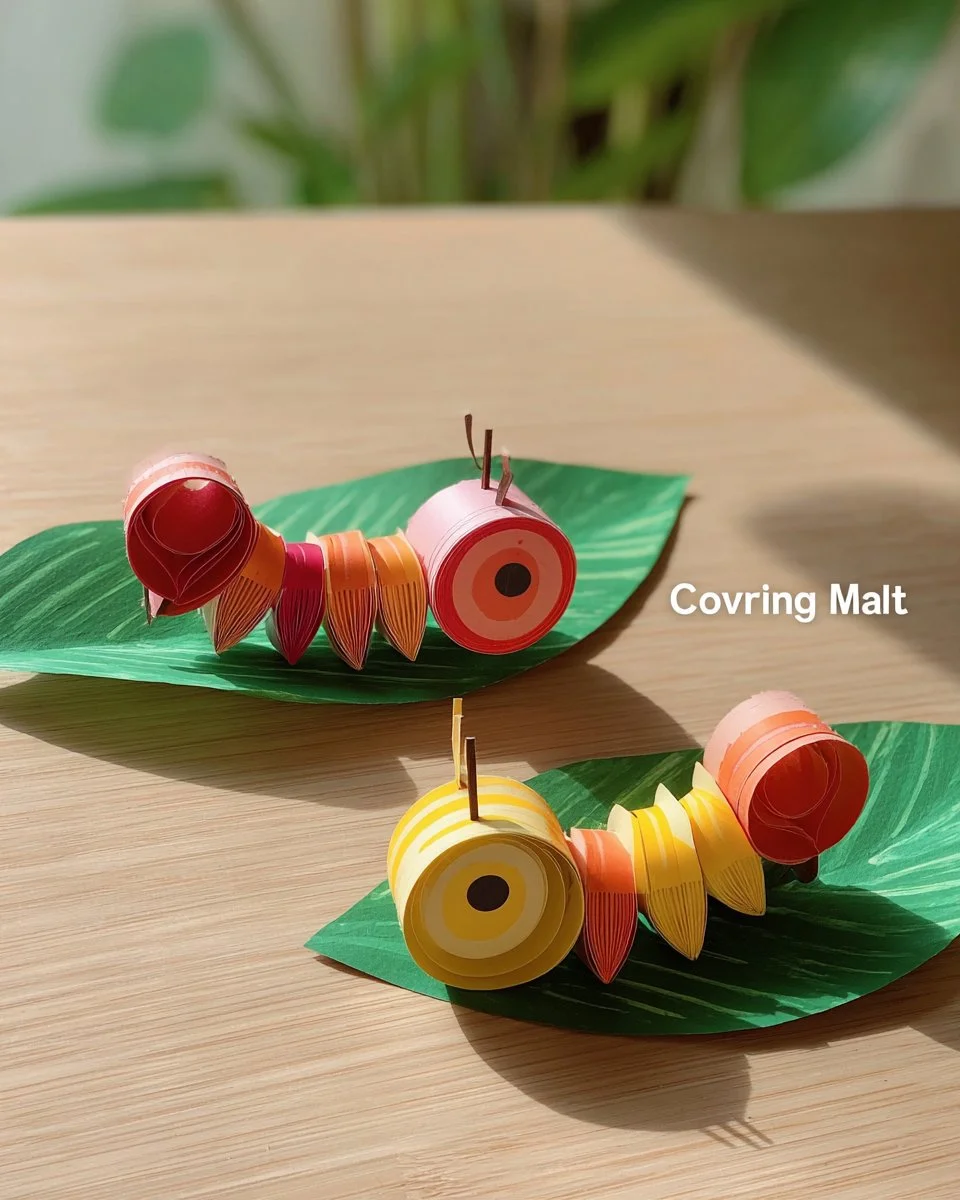
- Cut several circles from the construction paper for the caterpillar body, making them roughly the same size.
Trace a cup or use a freehand circle for quick shapes. Five to eight circles makes a nicely wiggly caterpillar. - Decorate each circle with stripes, dots, or patterns.
Use markers, crayons, or stickers. Encourage kids to try different patterns so the caterpillar looks lively. - Stack two circles and poke a small hole near their edges for the brad.
Hold the circles together and mark the edge. A pencil point or the tip of the scissors can make the hole with adult help. - Insert a brad through the circles to join them, leaving the prong loose to allow movement.
Push the brad through and fold the prongs back, but do not flatten them tight. Leave a small gap so the pieces can swivel. - Continue adding circles with brads to form a chain while ensuring alignment.
Line up holes so the body stays straight. If segments get crooked, reopen the brad slightly and realign. - Slide a drinking straw behind the chain and tape it in place at the caterpillar’s head.
Place the straw under the first circle, tape it gently, and leave enough straw showing to nudge the caterpillar along. - Create a head by decorating one end with eyes and antennae.
Glue on googly eyes or draw them. Cut thin strips for antennae and glue or tape them to the head circle. - Test the movement and make adjustments as needed for smooth operation.
Gently push the straw and watch the chain bend. If it sticks, check brad tightness and alignment; loosen or move holes slightly. - Reinforce any loose joins with glue and allow to dry before playing.
A dab of glue around the brad base helps older crafts hold up. Let it dry fully to avoid bending the prongs while wet.
Skills This Activity Supports
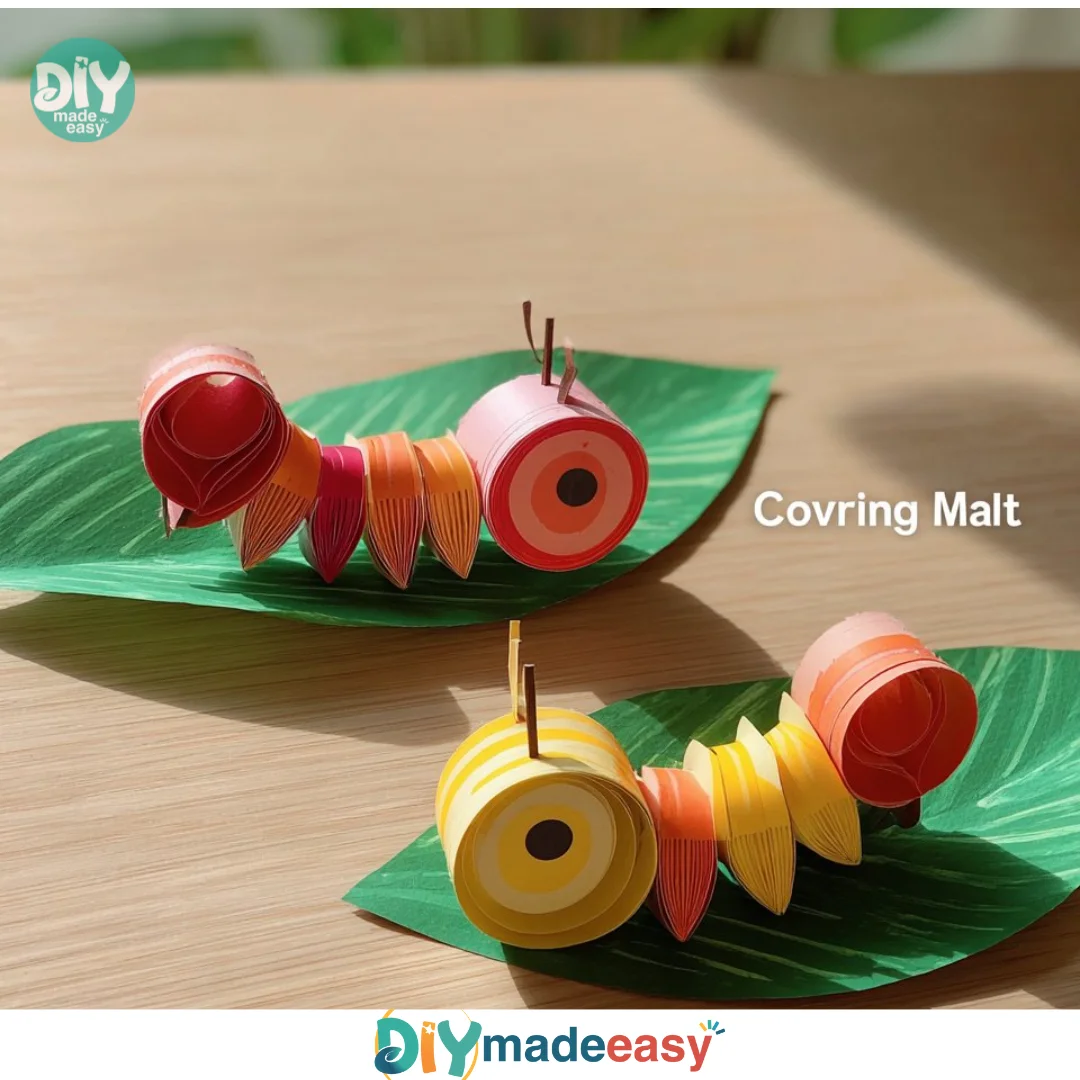
Kids practice fine motor control while cutting, holding small brads, and placing tape. Those tiny actions add up to stronger hand skills.
They learn cause and effect when the caterpillar moves or sticks. A loose brad means no wiggle; a straight chain means smoother motion.
This project reinforces planning and patterning. Choosing colors and repeating stripes or dots builds early math sense in a friendly way.
You can talk about simple mechanics: the brads act like tiny hinges and the straw gives you a handle to push without touching each piece.
Young makers gain confidence from seeing a project go from flat paper to a moving toy. That feeling keeps them trying new crafts.
Troubleshooting Common Issues
If something doesn’t move smoothly, the brads might be too tight.
Open the prongs a little and test again. You want enough play for swivel without the brad falling out.
If the caterpillar flops sideways, the holes may not align.
Reopen the brad and realign the circles so the line of holes stays consistent down the body.
If the brad slips out of thin paper, the hole might have torn.
Reinforce the area with a small glue dot or add a tiny paper washer cut from scrap paper before inserting the brad.
If the straw pulls free, use a small piece of tape or a glue dot to secure it at the head.
Make the tape as neat as possible so it does not catch the body segments while moving.
If kids poke too hard and fingers hurt, pause and show a safer way to make the hole.
Use a pencil or a single adult push with the scissors tip. Keep a first-aid kit nearby for tiny pricks if you worry.
Easy Variations to Try
Try a seasonal theme: use green and brown for an outdoor bug, or red and orange for an autumn crawler.
Add leaves cut from paper and glue them to a segment to make a “snack” for the caterpillar.
Make a long parade by linking more circles for older kids.
A longer chain wiggles more but needs careful alignment and looser brads to bend.
Turn it into a counting game: number each circle and hop the caterpillar to the right numbers.
This adds learning to play without needing extra supplies.
Try simple light play by placing the finished caterpillar near a window for color play and shadow tracing.
For another small kitchen science idea about light and color, take a look at our rainbow projects like the rainbow light show to spark curious conversations.
Storing or Reusing This Project
Store the caterpillar flat in a shallow box to keep it from bending the brads.
A small plastic container or a folding envelope works well and keeps it ready for play without creases.
Re-use extra circles for new crafts. Cut them into smaller shapes for mosaics or bookmarks.
Cardstock pieces stay useful for weeks, so keep a small scrap bag.
If a brad loosens over time, add a tiny glue dot where the prongs meet the back of the paper.
That keeps movement but gives a little more hold for repeated play.
Recycle the materials when the caterpillar retires. Tear small pieces for compostable paper scraps if your paper is compost-friendly.
Keep the brads separate for reuse in future projects.
FAQs About Moving Caterpillar Craft
Q: How messy will this be and how much cleanup do I need?
Expect low mess: markers, a few scraps, and tape. Keep a small trash bowl nearby and use a washable mat if you worry about marker bleed. A glue stick cleans up with a quick swipe, and most scraps fold into the recycling bin in minutes.
Is this safe for preschoolers, and what should I watch for?
Young kids love to decorate, but they will need help with scissors and brads. Supervise the hole-making and show how to fold brad prongs safely. If you prefer, the adult can do the brad steps while kids do the fun coloring.
Can I substitute any supplies if I do not have googly eyes or brads?
Googly eyes are optional; drawn or sticker eyes work fine. Brads are central to the moving action, so try to use them if you can. If you do not have brads, you can make a static caterpillar by gluing circles, but it will not move the same way.
How long will this last as a toy, and what if parts come loose?
With gentle play it can last several weeks. If a join gets loose, add a dab of glue and let it dry fully. For heavy play, consider reinforcing the hole area with small paper washers before reattaching the brad.
What realistic results should I expect the first time?
Expect a wiggly little caterpillar that may need tiny tweaks. It might not glide perfectly on the first try; usually a small realignment of holes or a slight loosening of the brads fixes most problems. The joy comes from making and adjusting together.
A Final Helpful Note
This project shines because it stays flexible. Let kids pick colors and patterns, and be ready to adjust brad tightness together. Those small, hands-on fixes teach problem solving without stress.
If you get interrupted, you can pause after decorating and finish the brad assembly later. That makes this craft easy to fit into short time pockets.
Trust the process. Most issues resolve with one gentle tweak, and the feeling when the caterpillar finally wiggles is worth the tiny fixes.
Conclusion
If you want a different approach or visual guide, this version from Moving Caterpillar Craft – Creative Cynchronicity gives a clear step-through with photos that pair nicely with our tips. For more inspiration and a second take on the moving caterpillar idea, see the tutorial at Moving Caterpillar Craft – Nifty Thrifty DIYer.
PrintMoving Caterpillar Craft
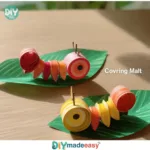
A fun and engaging craft for kids that creates a moving caterpillar using simple materials like construction paper and brads.
- Prep Time: 10 minutes
- Cook Time: 30 minutes
- Total Time: 40 minutes
- Yield: 1 moving caterpillar
- Category: Crafts
- Method: Crafting
- Cuisine: N/A
- Diet: N/A
Ingredients
- Construction paper or colored cardstock
- Kid-safe scissors
- Glue stick
- Brads or split pins
- Drinking straw
- Markers or crayons
- Googly eyes (optional)
- Tape (optional)
- Pencil
- Ruler (optional)
Instructions
- Cut several circles from the construction paper for the caterpillar body.
- Decorate each circle with stripes, dots, or patterns.
- Stack two circles and poke a small hole near their edges for the brad.
- Insert a brad through the circles to join them, leaving the prong loose.
- Continue adding circles with brads to form a chain.
- Slide a drinking straw behind the chain and tape it in place at the caterpillar’s head.
- Create a head by decorating one end with eyes and antennae.
- Test the movement and make adjustments as needed for smooth operation.
- Reinforce any loose joins with glue and allow to dry before playing.
Notes
Supervise kids with scissors and brads. Use a washable mat for easy cleanup.
Nutrition
- Serving Size: 1 child
- Calories: 0
- Sugar: 0g
- Sodium: 0mg
- Fat: 0g
- Saturated Fat: 0g
- Unsaturated Fat: 0g
- Trans Fat: 0g
- Carbohydrates: 0g
- Fiber: 0g
- Protein: 0g
- Cholesterol: 0mg