

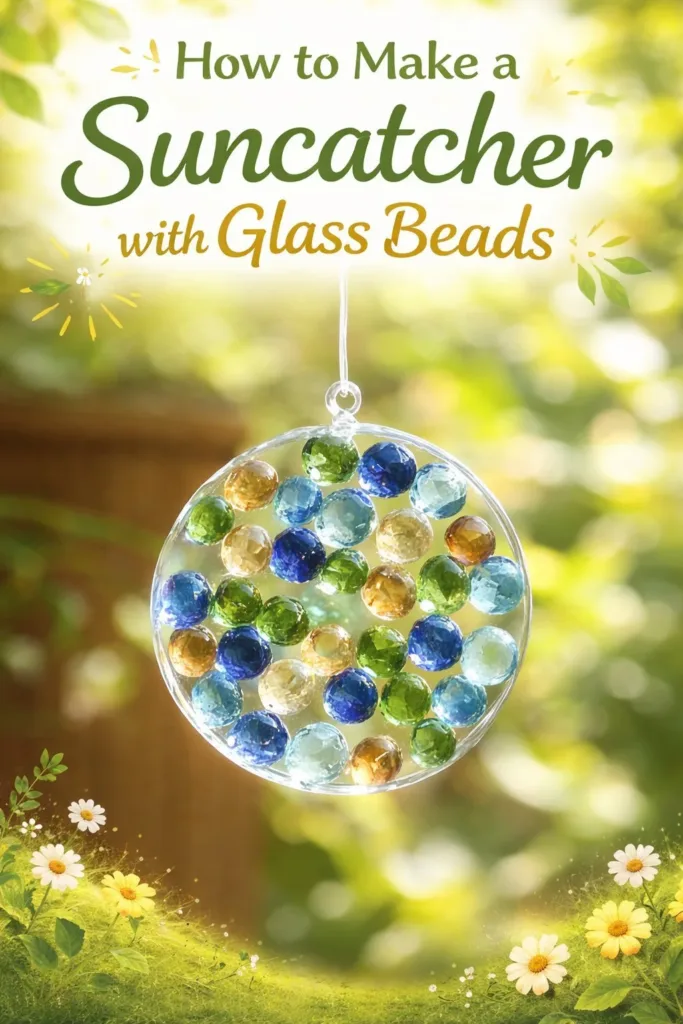
A busy afternoon, a kitchen table that needs a quick, joyful activity, and kids asking for something sparkly to do now. How to Make a Suncatcher with Glass Beads fits that exact moment. You only need a small selection of glass beads, a bit of thread or wire, and a calm place to sit together while light does the rest.
Set a towel or soft mat on the table, pull a small tray of beads out, and you have a low-prep craft that turns into a real reward when the sun hits the finished piece. If you like crafty, window-friendly projects you can start in under an hour, you might also enjoy our take on frozen bubbles winter activity for another simple, seasonal experiment.
Why This How to Make a Suncatcher with Glass Beads Works So Well
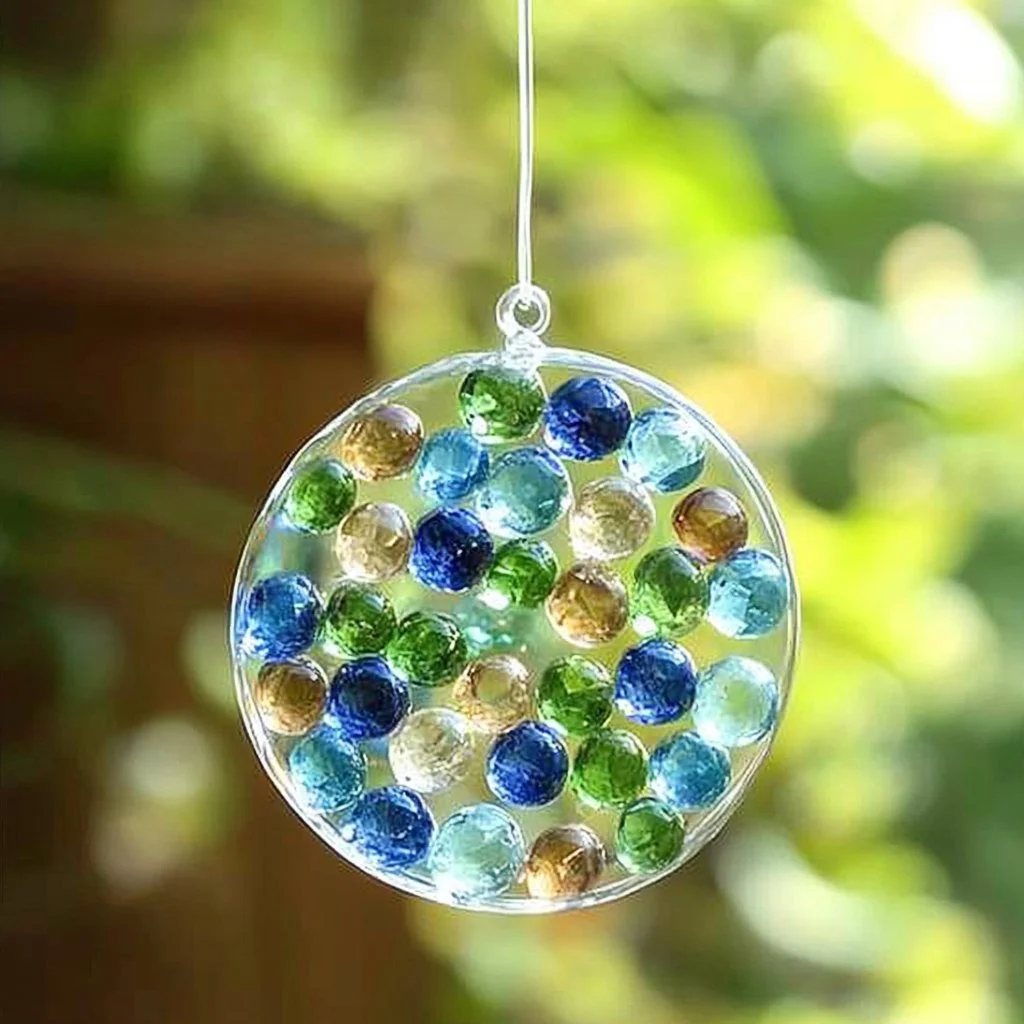
This project stays simple because the materials already live in many homes or in any craft drawer. Glass beads give instant color and shine without messy glues or paints. Thread or flexible jewelry wire holds everything together with a few knots or crimps. You get a visible reward quickly, which keeps kids interested and gives adults a satisfying finish with minimal fuss.
The steps match the way families actually work. You can split tasks: one person settles the bead choices, someone else cuts the line, and a child threads beads one by one. That flexibility keeps the project short but meaningful. You do not need special tools. A towel or soft mat protects the table, and a small dish keeps beads from rolling everywhere.
Because this craft shows results the moment you hold it up to light, it encourages small adjustments rather than perfectionism. It makes it easy to stop and return the next day, or to tweak a strand until the curve or color balance feels right. That low-stakes loop of try, see, and adjust is exactly why families pick this on busy afternoons.
A Quick Look Before You Begin
Gathering supplies takes less than five minutes. Lay a towel or soft mat on your workspace and set the bead tray nearby. This makes cleanup simple and gives a clear place for stray beads.
Plan for about 20 to 45 minutes, depending on how many suncatchers you make and how involved the pattern gets. For a single suncatcher with kids helping, expect about 30 minutes including setup and hanging.
Mess level stays low. Beads are the main thing to watch for. They roll; keeping them on a small tray or shallow dish and working on a cloth helps. The only cleanup is picking up dropped beads and putting tools away.
Adult involvement varies by age. Younger children need help threading or tying knots. Older kids can do most steps alone. If you want an extra safe option, use clear fishing line and keep the beads larger so small hands do not handle tiny pieces.
Materials You’ll Need
Glass beads in various sizes and colors
common craft supply that gives bright, lasting color
Strong nylon beading thread or flexible jewelry wire
choose the thread for softer, flowing hangs or wire for structured shapes
Small embroidery needle (optional)
helps with tiny bead holes and threading cleanly
Necklace clasp or small metal ring (optional)
easy way to add a finished hanging point if you want a metal loop
Scissors or wire cutters
scissors for thread, cutters if you use wire
Round-nose pliers (if using wire)
for making neat loops on wire ends
Small bead tray or shallow dish
keeps beads from wandering and makes cleanup faster
Clear fishing line or thin ribbon
for the actual hanging loop so the suncatcher floats against the window
A small piece of felt or cloth
lay beads on it to prevent rolling and protect the table
A towel or soft mat
work surface protection and easy cleanup
STEP-BY-STEP DIRECTIONS
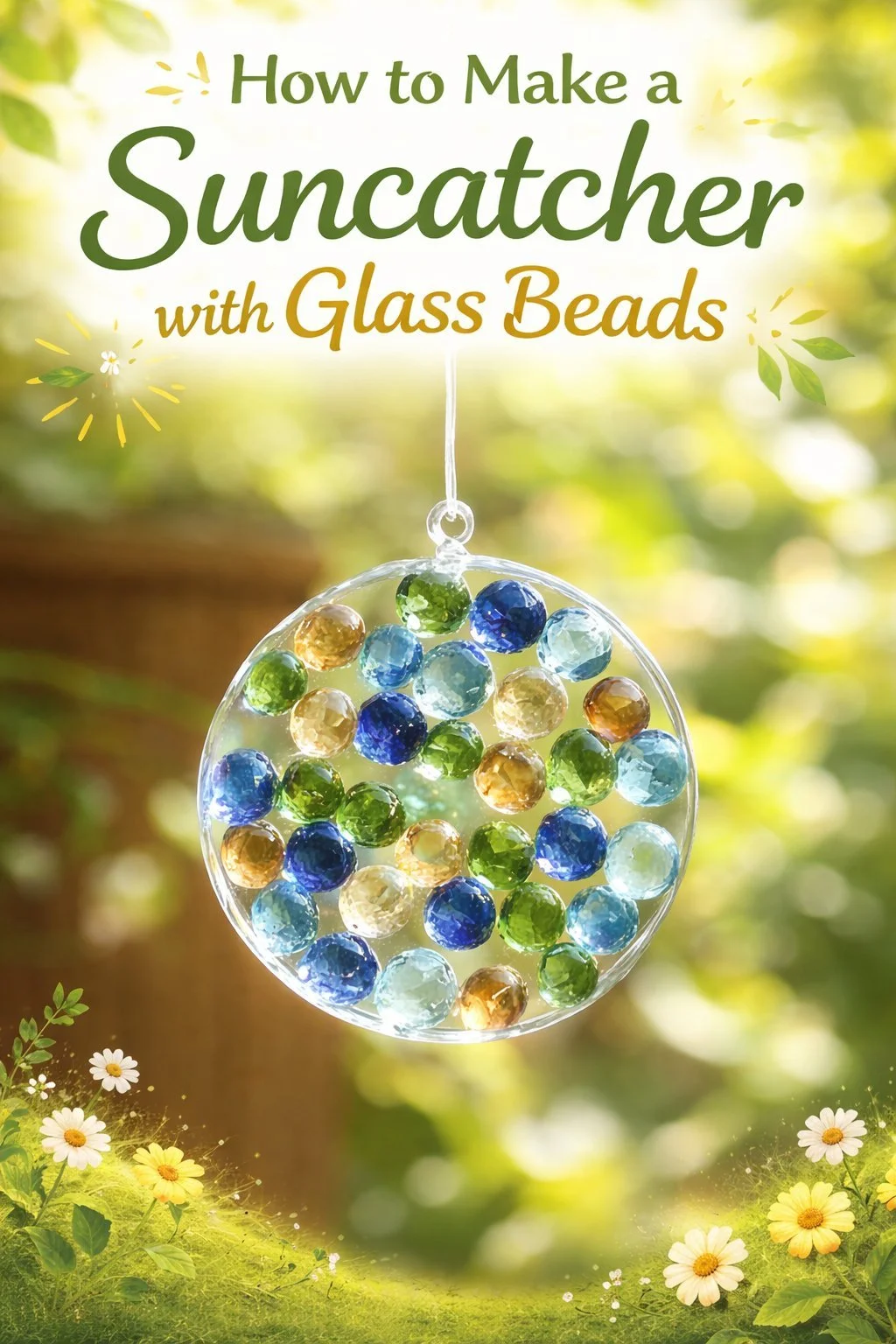
- Choose your bead palette and lay the beads on a soft cloth. Take three slow breaths and notice which colors draw you in. Arrange them in loose rows until the mix feels right.
- Cut your thread or wire to length, leaving extra for tying (20 to 30 inches recommended). Add a little more if you want loops or tassel details later.
- Secure one end with a temporary knot or bead stopper to hold the beads in place. This keeps the beads from sliding off while you work.
- Thread beads in your chosen order, one at a time, taking time to notice the click as each bead settles. Let the rhythm slow you down and enjoy the sound and texture.
- Test the curve or pattern by holding your piece to the light and adjust as necessary. Rotate it, step back, and swap a bead or two until the balance looks pleasing.
- Finish the end with a secure knot or crimp bead, and make a loop with pliers if using wire. Check the knot by tugging gently to make sure it holds.
- Add a hanging loop or clasp for your suncatcher to rest in sunlight. Attach clear fishing line or thin ribbon and tie a neat loop that fits your window hook.
- Hang your suncatcher near a sunny window and enjoy the colors as they shift. Move it a little to see how light changes across the day.
- Allow time for small adjustments to the design as your preferences change. Untie and swap beads or add extra charms when inspiration strikes.
What Kids Practice While Making This
This craft helps kids refine fine motor skills in a gentle, enjoyable way. Picking up small beads, pushing them onto thread, and tying knots work the fingers and build comfortable hand control. That small muscle work transfers to writing, cutting, and daily tasks.
They learn visual sequencing and planning. Choosing a color order and placing beads helps children see patterns and make choices. It also gives an early lesson in cause and effect: moving one bead affects the overall look.
Patience and attention develop naturally. When a bead slips off or a knot needs re-doing, kids learn gentle persistence. That moment of fixing a tiny mistake builds confidence more than a perfectly finished piece ever could.
If you want to extend learning, ask kids to describe why they chose certain colors or how sunlight changes the beads. For another hands-on project that encourages observation, try a step-by-step craft like how to make crystal eggshell geodes to compare how different materials react to light.
Troubleshooting Common Issues
Beads keep slipping off the thread.
If your beads slide, add a small temporary knot or bead stopper at the working end. Use a clip or a folded clothespin on the thread to hold things steady while you work.
Knots loosen after you tie them.
Wet the knot slightly with saliva or clear craft glue before tightening, then trim ends close. If you use wire, crimp beads make a cleaner, more secure finish.
The piece looks lopsided when hung.
Hold the suncatcher up to the light and look for weight imbalance. Move a larger bead toward the lighter side or add a small metal ring as a counterweight. Sometimes sliding one or two beads fixes it instantly.
Tiny beads are hard to thread.
Try an embroidery needle or switch to slightly larger beads for little hands. Working near a window with good light helps, and a small bead tray stops them from rolling away.
Beads scratch the window.
Most glass beads are safe, but avoid pressing them hard against delicate glass. Use a thin ribbon or fishing line to keep a small gap so beads do not rub constantly against the window surface.
Easy Variations to Try
Color gradient strand: Arrange beads from dark to light so the piece reads like a sunrise. This works well with 4 to 6 colors and appeals to older kids who enjoy sorting.
Clustered charm suncatcher: Make several short strands and tie them to a small metal ring or bamboo hoop for a mobile-style window decoration. This adds movement and extra sparkle.
Seasonal themes: Choose autumn tones, spring pastels, or holiday colors for quick seasonal swaps. You can change the hanging loop color to match each season.
Kid-friendly swap: Use larger beads and clear fishing line so toddlers can help drop beads onto the thread safely under supervision. Keep small beads out of reach for very young children.
Mixed-media accent: Add a small piece of stained wood or a flat mirror bead for extra reflection. Keep these as optional accents so the original simplicity stays intact.
Storing or Reusing This Project
Store unfinished strands by coiling them gently and slipping them into a small zip bag or a bead tray. Label the bag with the intended window or child so you can return to it without hunting for pieces.
Reuse beads as you like. If you decide to change colors, cut the thread and keep beads sorted by color in small containers. Glass beads store well and can become part of future projects.
Clean finished suncatchers with a soft cloth. A tiny bit of glass cleaner on a cloth will remove fingerprints without damaging knots. Avoid soaking pieces with glued knots unless you used waterproof knotting techniques.
When you take a suncatcher down, untie knots and reclaim beads. Small metal rings and clasps are reusable too. This reduces waste and keeps your craft stash fresh.
If you want to keep organized, create a small bead box with compartments for colors and sizes. That saves time next craft session and makes setup even faster.
FAQs About How to Make a Suncatcher with Glass Beads
What age is this activity good for, and do I need to supervise?
This activity suits a wide age range. Younger children need close supervision because beads are small. Elementary-age kids can do most of the threading with an adult nearby for knotting and scissors. Supervision keeps things safe and the project relaxed rather than rushed.
Will the beads scratch my window if I hang the suncatcher directly?
Glass beads rarely scratch if you let them hang freely and do not press them against the glass. Use a ribbon or fishing line that keeps the beads a tiny distance from the window surface. If you worry about delicate glass, place the suncatcher on a hook a few inches away from the pane.
Can I substitute materials if I do not have certain tools?
You can swap small items: use a folded clothespin to hold the thread instead of a bead stopper, or a blunt needle for tiny beads. Avoid substituting beads for non-glass items unless you want a different look. If you need larger beads for safety, they still create beautiful results.
What if my child loses interest midway through?
That happens. Let the threaded section stay on the towel or in a zip bag and return later. The design benefits from small adjustments over time, so a pause is fine. Consider making shorter strands so kids finish quickly and feel proud.
How long will a suncatcher last outside of direct sunlight?
Glass beads keep their color and shine for years. The knots and thread determine longevity. If you use nylon beading thread or jewelry wire and tie good knots or use crimps, your suncatcher will last. Replace thin ribbons or hung loops if they wear over time.
A Final Helpful Note
This is a forgiving craft. Expect a few beads to roll off, a knot to re-do, and design choices to change as you work. Those small fixes teach patience and make the final hang more meaningful. Keep the mood light, let kids make choices, and remember that a slightly uneven strand can look charming in the sun.
If you make more than one, arrange several suncatchers at different heights in the same window for a small, joyful display. The goal is to create a peaceful, colorful spot that brightens a room without fuss. You do not need perfection to get a big return on a small project.
Conclusion
For more project inspiration and a slightly different take on glass bead suncatchers, this step-by-step guide from another maker shows a clear method and beautiful photos: DIY Suncatchers with Glass Beads. If you want variations and a tutorial that focuses on hanging clusters and color play, this page offers helpful ideas and photos that pair nicely with the techniques here: DIY Suncatchers with Glass Beads – One Little Project.
PrintHow to Make a Suncatcher with Glass Beads

A simple and enjoyable craft project for kids to create colorful suncatchers using glass beads.
- Prep Time: 5 minutes
- Cook Time: 30 minutes
- Total Time: 35 minutes
- Yield: 1 suncatcher
- Category: Craft
- Method: Crafting
- Diet: None
Ingredients
- Glass beads in various sizes and colors
- Strong nylon beading thread or flexible jewelry wire
- Small embroidery needle (optional)
- Necklace clasp or small metal ring (optional)
- Scissors or wire cutters
- Round-nose pliers (if using wire)
- Small bead tray or shallow dish
- Clear fishing line or thin ribbon
- A small piece of felt or cloth
- A towel or soft mat
Instructions
- Choose your bead palette and lay the beads on a soft cloth. Arrange them in loose rows until the mix feels right.
- Cut your thread or wire to a length of 20 to 30 inches, leaving extra for tying.
- Secure one end with a temporary knot or bead stopper.
- Thread beads in your chosen order, one at a time.
- Test the curve or pattern by holding it up to the light and adjust as necessary.
- Finish the end with a secure knot or crimp bead.
- Add a hanging loop or clasp and attach clear fishing line or thin ribbon.
- Hang your suncatcher near a sunny window and enjoy.
- Make small adjustments to the design as preferences change.
Notes
Encourages fine motor skill development, visual sequencing, and patience in children. Ideal for various ages but requires supervision for younger kids.
Nutrition
- Serving Size: 1 suncatcher
- Calories: 0
- Sugar: 0g
- Sodium: 0mg
- Fat: 0g
- Saturated Fat: 0g
- Unsaturated Fat: 0g
- Trans Fat: 0g
- Carbohydrates: 0g
- Fiber: 0g
- Protein: 0g
- Cholesterol: 0mg