

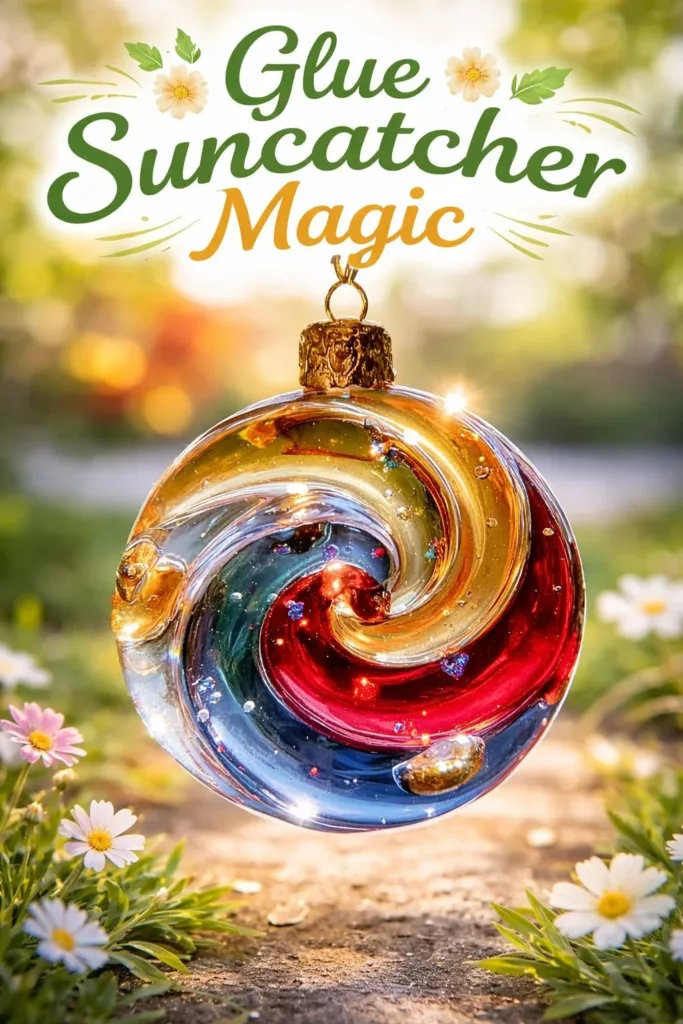
It was one of those rainy afternoons when the kids announced they wanted to make something right now and I had two minutes to pull together an activity. I spread a few paper towels on the kitchen table, grabbed a bottle of clear glue and some little things we had on hand, and turned a tiny mess into a bright batch of suncatchers. Glue Suncatcher Magic fits that exact moment: low fuss, very forgiving, and surprisingly pretty when it cures. It feels like play but gives a real, display-ready result that the whole family can be proud of.
Why This Glue Suncatcher Magic Works So Well
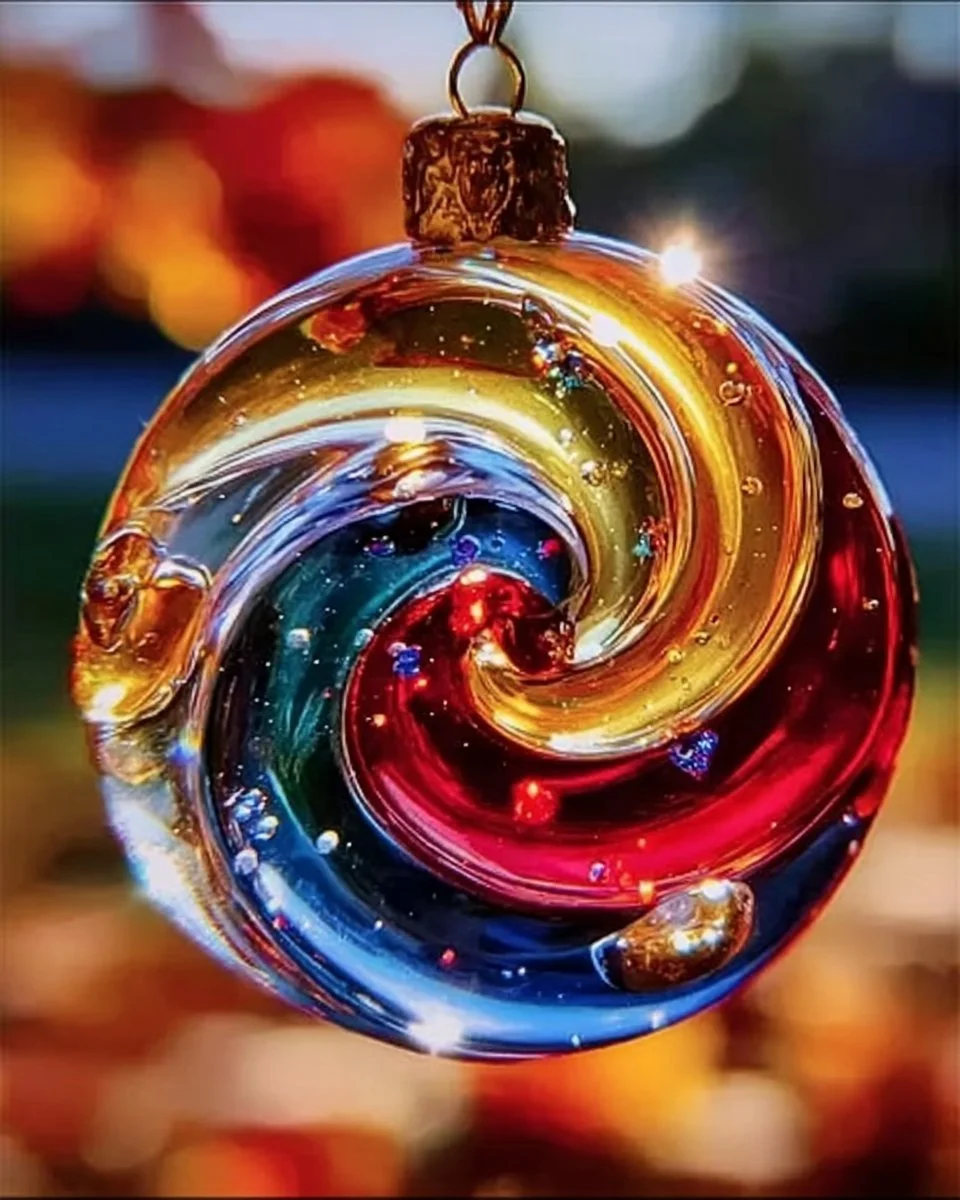
This project works because it keeps things simple from start to finish. Clear glue is a forgiving base. It flows easily into molds, traps sparkles and petals without fuss, and dries to a lightweight, translucent finish that catches light. You do not need precise measuring. A few drops of liquid watercolor or food coloring give a gentle tint, and glitter or tiny beads add sparkle without changing the chemistry.
It suits a busy schedule. The hands-on part takes about 20 to 40 minutes, then you let the pieces rest undisturbed for a day or two. Because the glue self-levels, small mistakes often smooth out on their own. That gives kids a sense of success even when their design is simple.
Parents and caregivers appreciate the low-prep cleanup. Paper towels and rubbing alcohol handle most spills. You can set materials on a tray and walk away while the glue cures. If you want a more polished result, a quick spray of clear sealer protects the finished piece. Overall, this project balances immediate play with a real, lasting outcome.
Explore Visual Creative Crafts
Get inspired by eye-catching projects. Browse our Visual DIY Creative Crafts and bring your creative ideas to life with simple, visual guides.
A Quick Look Before You Begin
Plan for 24 to 48 hours of curing time. The active work fits easily in an afternoon or evening, but the glue needs steady, flat rest to harden properly. Use a flat, level tray or board so your pieces dry without slumping.
Set expectations for mess. Clear glue can drip and stick. Lay down paper towels and wear a work apron or gloves if you prefer. Most spills wipe up with rubbing alcohol, and disposable mixing cups save time on washing.
Decide on adult involvement based on age. Younger children benefit from help pouring and from supervision with heat tools or scissors. Older kids can mix, pour, and decorate more independently. Keep a small heat source like a hair dryer nearby for quick bubble removal, and plan to be the knife-holding adult when trimming edges.
Materials You’ll Need
Clear school glue or craft glue
Disposable mixing cups
Stir sticks or wooden skewers
Liquid watercolor, acrylic ink, or food coloring (optional)
Silicone molds or firm wax paper template
Fine glitter, pressed dried flowers, or tiny beads (optional)
Clear sealer spray (optional)
Thin fishing line or ribbon
A small heat source (craft heat gun or hair dryer)
Flat, level tray or board
Protective gloves and work apron
Paper towels and rubbing alcohol
Each line above matches the supplies you will use. The optional items give you ways to change color or finish. Disposable cups and stir sticks keep cleanup quick. Silicone molds make demolding easier, and a level board helps pieces cure evenly.
Step-by-Step Directions
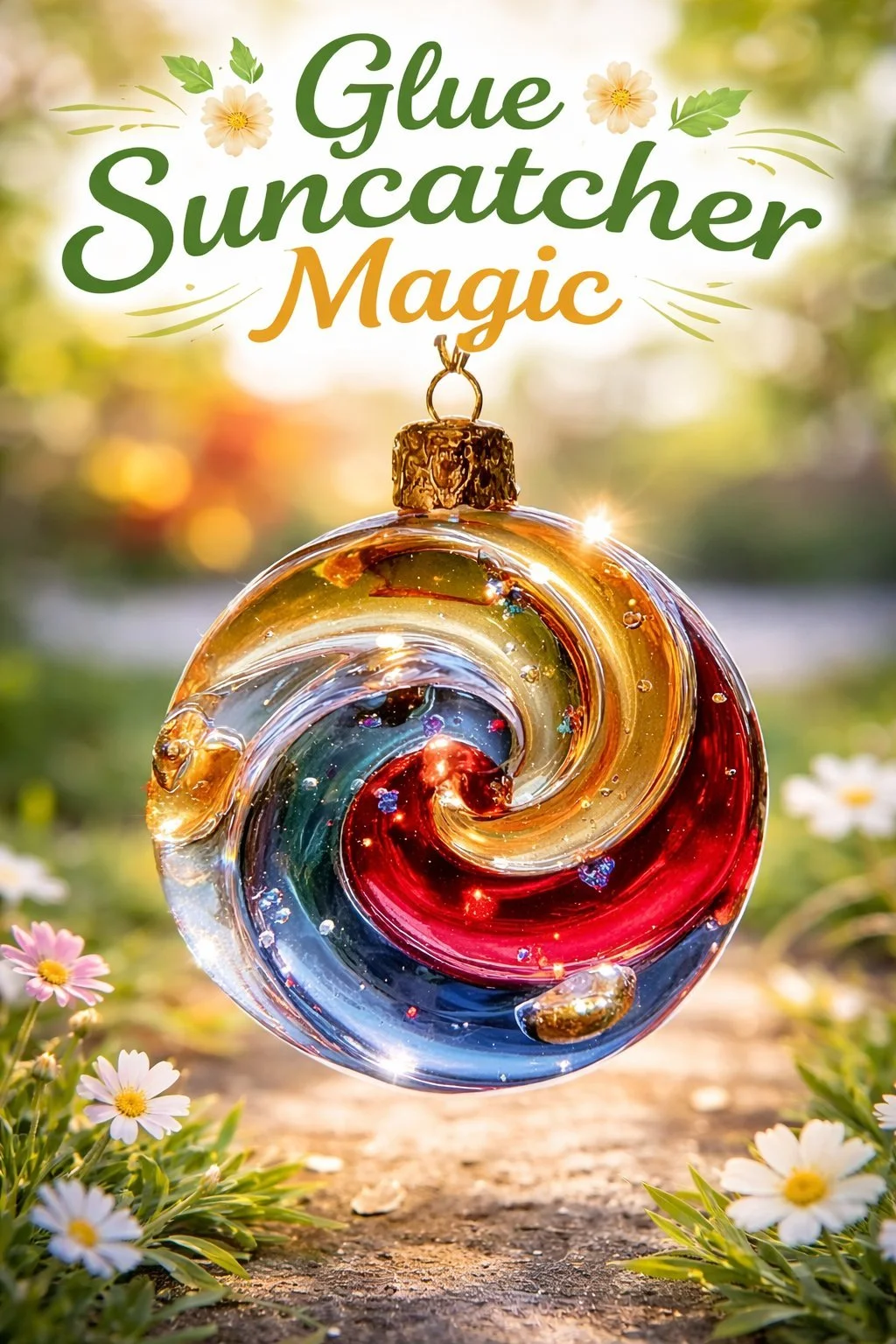
- Prepare your workspace and materials. Lay down paper towels and wear gloves if preferred.
Set everything within reach so you do not have to chase supplies mid-pour. Keep a tray ready to carry wet molds to a safe flat spot for curing. - Pour clear glue into a mixing cup to the desired depth for your mold.
Think in layers for thick molds: pour to half depth first if you plan multiple layers. For thin suncatchers, a shallow fill works well. - Add pigment a few drops at a time and stir slowly until you reach the desired shade.
Stir gently to avoid adding too many bubbles. The color will look slightly darker in the cup than in the mold once spread thin. - Transfer the colored glue to the mold by pouring gently near the center.
Pour slowly so the glue flows outward on its own. If you tilt the mold a little, let the glue settle back before you add inclusions. - Add layers and inclusions such as glitter or flowers, pressing gently if needed.
Place pressed flowers or beads near the surface if you want them visible. For layered color, wait until the first layer skins over a bit before adding the next. - Remove bubbles using a gentle heat source or a toothpick.
A quick pass with a hair dryer on low or a craft heat gun at a safe distance pops most bubbles. Use a toothpick to coax stubborn ones to the edge. - Let the glue cure fully for 24 to 48 hours on a flat tray.
Check after 24 hours for tackiness; thicker pieces often need the full 48. Keep the tray somewhere dry and undisturbed. - Once cured, gently demold the piece.
Silicone molds usually release easily. If you used wax paper, peel slowly and support the piece so it does not flex while still settling. - Trim and finish the edges if needed using scissors or a craft blade.
Work slowly to avoid cracking thin edges. Sanding is optional but works well on thicker pieces to smooth rough spots. - Optionally seal with a clear sealer spray and hang using fishing line or ribbon.
A light mist of sealer helps protect delicate flowers and makes the surface more durable. Tie fishing line through a small hole or loop a ribbon to hang.
What Kids Practice While Making This
Glue suncatchers teach small but useful skills. Hands-on mixing builds hand strength and control. Pouring into a mold helps kids learn steady movement and eye-hand coordination. Placing tiny decorations trains fine motor skills and focus.
The activity also shows cause and effect. Kids see how a few drops of pigment change a clear liquid into color, and how bubbles form when you stir fast. They watch the glue go from glossy and wet to solid and translucent, which reinforces patience and the idea that some good things take time.
Work choices teach decision making. Kids choose color, layering, and placement of inclusions. Those choices feel meaningful because they result in a display-ready piece to hang on a window.
Troubleshooting Common Issues
If bubbles keep coming back, you probably stirred too quickly. Stir slowly and tap the cup on the table once to release trapped air. Then use the heat source briefly to pop surface bubbles before curing.
If your suncatcher feels a bit sticky after 24 hours, give it more time. Thicker pieces need longer to cure. Move the tray to a warmer room if possible, but keep it flat and out of direct sunlight.
If inclusions sink, they were heavier than the glue layer. Try placing them after the glue has thickened slightly or press them gently toward the surface with a skewer. For very delicate flowers, lay them face up and pour thin layers around the edges.
If edges look rough after demolding, trim slowly with scissors or a craft blade. Small nicks smooth out with careful sanding or a light sealer spray. A second thin pour can also fill in gaps if you want a glossy finish.
If paint or pigment separates and forms streaks, you added too much liquid color or stirred unevenly. Start with one or two drops and test in a small cup before pouring into the main mold. Mild streaking can look intentional once the piece cures.
Easy Variations to Try
Try a layered rainbow effect by pouring thin bands of colored glue one at a time. Let each band thicken a little before adding the next so the colors stay distinct.
Make a pressed flower series. Press flowers for a few days ahead and arrange them deliberately near the top of the glue so they show through when you hang the finished piece.
Create a glitter galaxy. Mix a little fine glitter into the glue and add a few tiny beads for depth. Work in low light for dramatic sparkle when the piece dries.
Seasonal shapes work great. Use silicone molds in leaves, stars, hearts, or simple circles to make gifts, window hangers, or classroom decorations.
String small suncatchers together to make a mobile. Use thin fishing line and vary lengths. This turns single pieces into a moving display that catches light from different angles.
Storing or Reusing This Project
Store finished suncatchers flat and away from direct sun until fully cured. Once cured and sealed, hang them or store them flat between sheets of wax paper to prevent scratches.
Reuse leftover glue in small craft dishes for later projects within a few days. If it skins over, add a little rubbing alcohol to the rim and stir to loosen, or discard and use a fresh cup to avoid dust inclusion.
Clean disposable cups and stir sticks quickly if you plan to reuse them. Rubbing alcohol helps dissolve dried glue on tools. For silicone molds, wash with warm soapy water and dry before the next use.
Keep pigments and glitter in small, labeled containers. That saves time and reduces waste. If you have a little glue left and want to save it, cover the cup tightly and store in a cool place for a day or two only.
FAQs About Glue Suncatcher Magic
Will this project make a big mess? I worry about glue everywhere.
This project can stay tidy with a little prep. Lay paper towels under your work, use disposable cups, and keep a small bottle of rubbing alcohol nearby. Glue that drips onto a towel cleans up easily, and most spills on countertops wipe away with a damp cloth and a bit of rubbing alcohol.
Is this safe for young kids? What age should I try this with my child?
Kids love the mixing and decorating, but the small pieces and heat tool need adult oversight. I usually start supervising closely with ages 4 to 6, helping with pouring and pinch work. Older kids around 7 and up can do most steps independently, but an adult should handle trimming and any heat use.
Can I skip the pigment or use household food coloring?
Yes. Leaving the glue clear gives a frosted, ethereal look. Food coloring and liquid watercolor both work; add a few drops at a time. Food coloring can stain skin or clothing, so wear gloves or a smock. Liquid watercolor usually disperses more evenly in the glue.
What if my suncatcher cracks or bows while curing?
Cracking often happens when the piece cures too fast or unevenly. Keep your tray flat and in a room with steady temperature. If a piece bows slightly, place it under a quiet, flat weight once it has just set but before it fully hardens. Small cracks can look charming or be fixed with a thin bead of fresh glue and a bit more curing time.
How long will these last in a sunny window?
Finished, sealed suncatchers last for months to years in a window. Over long time, pigments may fade or delicate flowers may dry more. Using the clear sealer spray helps protect colors and makes the surface easier to clean.
A Final Helpful Note
You do not need perfect results to enjoy this project. Part of the fun is seeing how different pieces turn out. If something does not look like the picture, treat it as a new design. Keep the work simple, give yourself time for the glue to cure, and let kids make choices about color and placement. That confidence makes the whole activity feel easy and worth repeating.
Conclusion
Try a few different shapes and color mixes to see what your family loves, and check out this bright example for more inspiration at Colorful DIY Glue Suncatcher Craft – Mombrite. For a nature-focused twist and pressed flower ideas, this Simple Earth Suncatcher – Earth Day Craft – No Time For Flash Cards tutorial has useful tips.
PrintGlue Suncatcher Magic

An engaging and easy craft project where kids can create colorful, translucent suncatchers using clear glue and various decorative elements.
- Prep Time: 15 minutes
- Cook Time: 0 minutes
- Total Time: 1440 minutes
- Yield: Varies by mold size
- Category: Crafts
- Method: Crafting
- Cuisine: N/A
- Diet: N/A
Ingredients
- Clear school glue or craft glue
- Disposable mixing cups
- Stir sticks or wooden skewers
- Liquid watercolor, acrylic ink, or food coloring (optional)
- Silicone molds or firm wax paper template
- Fine glitter, pressed dried flowers, or tiny beads (optional)
- Clear sealer spray (optional)
- Thin fishing line or ribbon
- A small heat source (craft heat gun or hair dryer)
- Flat, level tray or board
- Protective gloves and work apron
- Paper towels and rubbing alcohol
Instructions
- Prepare your workspace and materials. Lay down paper towels and wear gloves if preferred.
- Set everything within reach so you do not have to chase supplies mid-pour. Keep a tray ready to carry wet molds to a safe flat spot for curing.
- Pour clear glue into a mixing cup to the desired depth for your mold.
- Add pigment a few drops at a time and stir slowly until you reach the desired shade.
- Transfer the colored glue to the mold by pouring gently near the center.
- Add layers and inclusions such as glitter or flowers, pressing gently if needed.
- Remove bubbles using a gentle heat source or a toothpick.
- Let the glue cure fully for 24 to 48 hours on a flat tray.
- Once cured, gently demold the piece.
- Trim and finish the edges if needed using scissors or a craft blade.
- Optionally seal with a clear sealer spray and hang using fishing line or ribbon.
Notes
This craft project is a great way for kids to practice fine motor skills and decision making while creating beautiful suncatchers that can be displayed.
Nutrition
- Serving Size: 1 suncatcher
- Calories: 0
- Sugar: 0g
- Sodium: 0mg
- Fat: 0g
- Saturated Fat: 0g
- Unsaturated Fat: 0g
- Trans Fat: 0g
- Carbohydrates: 0g
- Fiber: 0g
- Protein: 0g
- Cholesterol: 0mg