

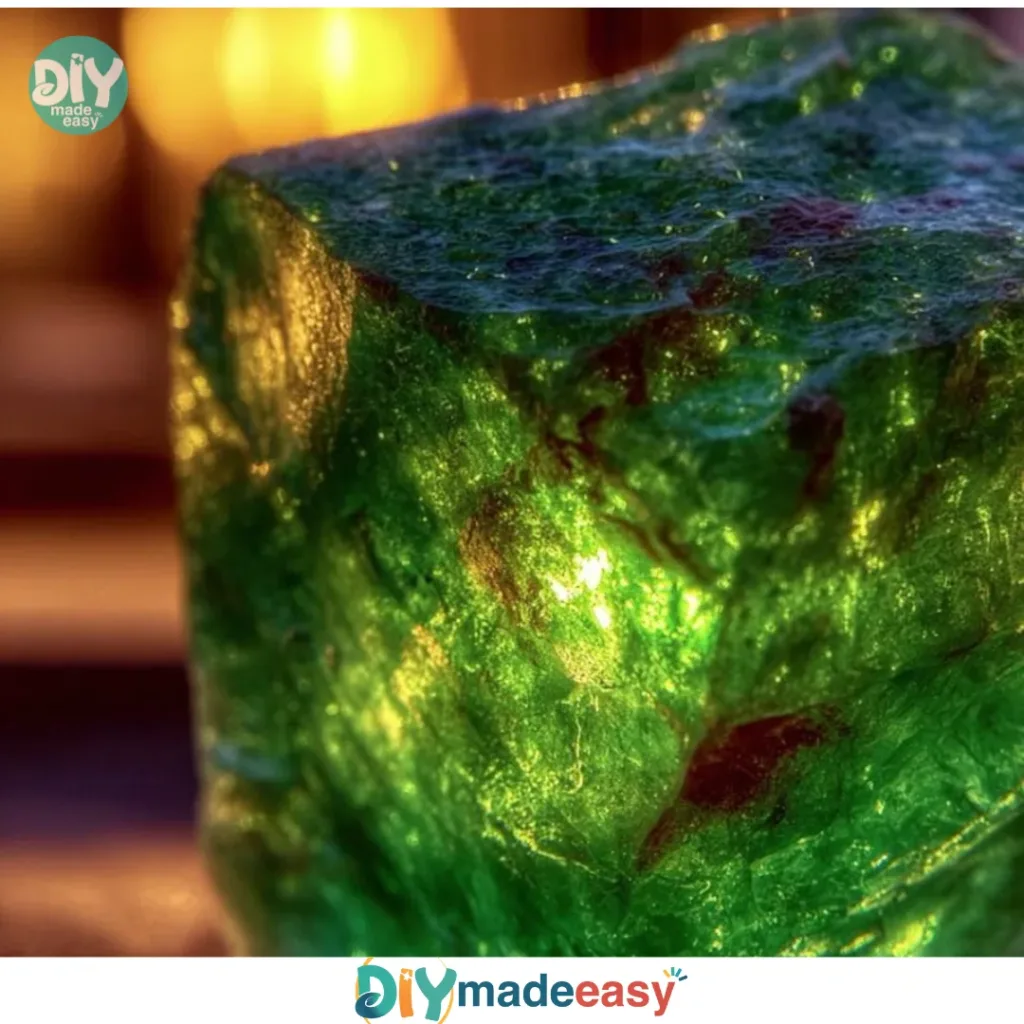
A busy afternoon, kids bouncing off the couch, and a quick kitchen setup is all you need to turn that restless energy into a small, satisfying craft. The Glow in the Dark Moon Rocks Recipe fits that exact moment. It uses one cup of baking soda, a little water, and glow-in-the-dark paint or glow pigment powder to make bite-size, moldable rocks that dry hard and light up after a quick charge under a lamp. I use this recipe when I need an easy project that keeps hands busy without a long cleanup. If your kids have loved our fizzing experiments before, like the baking soda and vinegar fireworks activity, they will recognize the fun texture and simple chemistry behind these moon rocks. Try that fizz activity for a companion experiment if you want more baking soda play afterward.
Why You’ll Love Making Glow in the Dark Moon Rocks Recipe
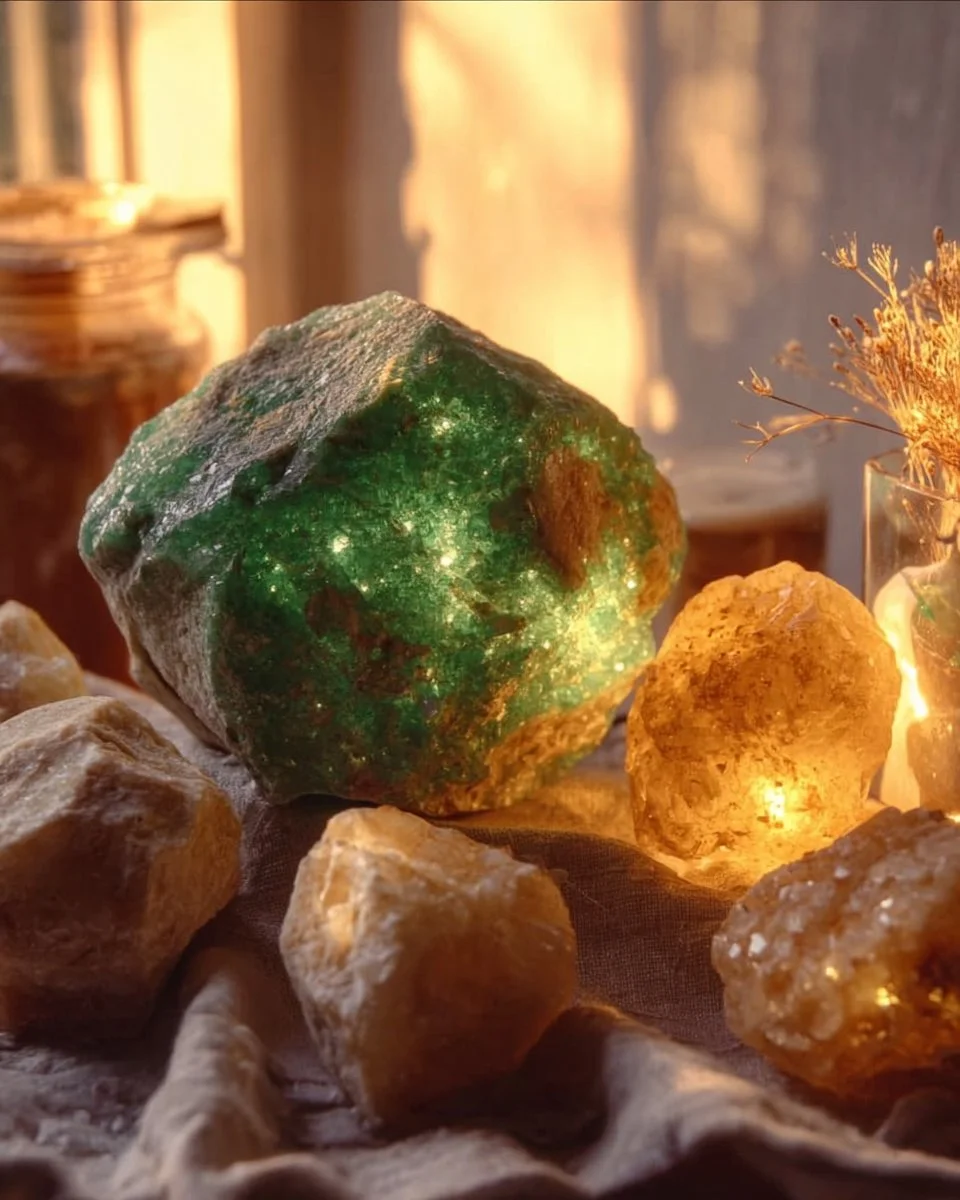
This project works well because it takes almost no prep and uses items you likely already have or can buy affordably. One cup of baking soda and a few teaspoons of glow pigment turn into a soft, moldable mix in under five minutes. The quick setup means you can start while dinner is still in the oven or after school snack time.
It also fits short attention spans. Mixing, shaping, and setting happen in short bursts. Kids get to shape things with their hands and see results the next day after drying. That makes it feel worth the tiny effort and gives a payoff that keeps their excitement: a dim room and a soft, ghostly glow.
You will like how forgiving the recipe is. If the mix feels too wet, add a touch more baking soda. If it falls apart, add a drop of water. The materials are non-toxic when using child-safe glow paint or pigment, which helps you relax while they play. This project lands in the sweet spot: dramatic glow, small mess, and real, simple results.
A Quick Look Before You Begin
This DIY takes about 5 minutes of active time and an overnight dry. The hands-on part is quick: mixing, adding water, stirring, and molding. Then the moon rocks need to sit on a tray overnight to firm up.
Setup is low key. You only need a small bowl, a spoon, and a tray or plate. Lay down newspaper or a washable mat to catch spills. Adult help is handy when measuring glow paint or pigment, and when supervising the initial molding with small children.
Plan for a little cleanup. Baking soda dust brushes off easily from counters and clothes. A damp cloth wipes up most mess. If your group loves play experiments, this is a calm follow-up to something a bit louder, like our baking soda volcano activity, where the tactile clean up feels familiar and manageable. Pair the projects for a themed afternoon and you will get both the messy excitement and the quieter craft satisfaction.
Materials You’ll Need
1 cup baking soda
- Common household item. The main base that gives the rocks body.
1/4 cup water (more if needed)
- Optional tiny extra. Use slowly; the texture is key.
Glow-in-the-dark non-toxic paint or glow pigment powder
- Child-safe glow paint works well. Pigment powder can give stronger glow when used carefully.
Glitter or food-safe coloring (optional)
- Adds sparkle or color. Food-safe coloring is gentler if little hands test tastes.
Small rocks or crumbled chalk (optional)
- Throw in for texture and weight. Optional for a more realistic feel.
Step-by-Step Directions
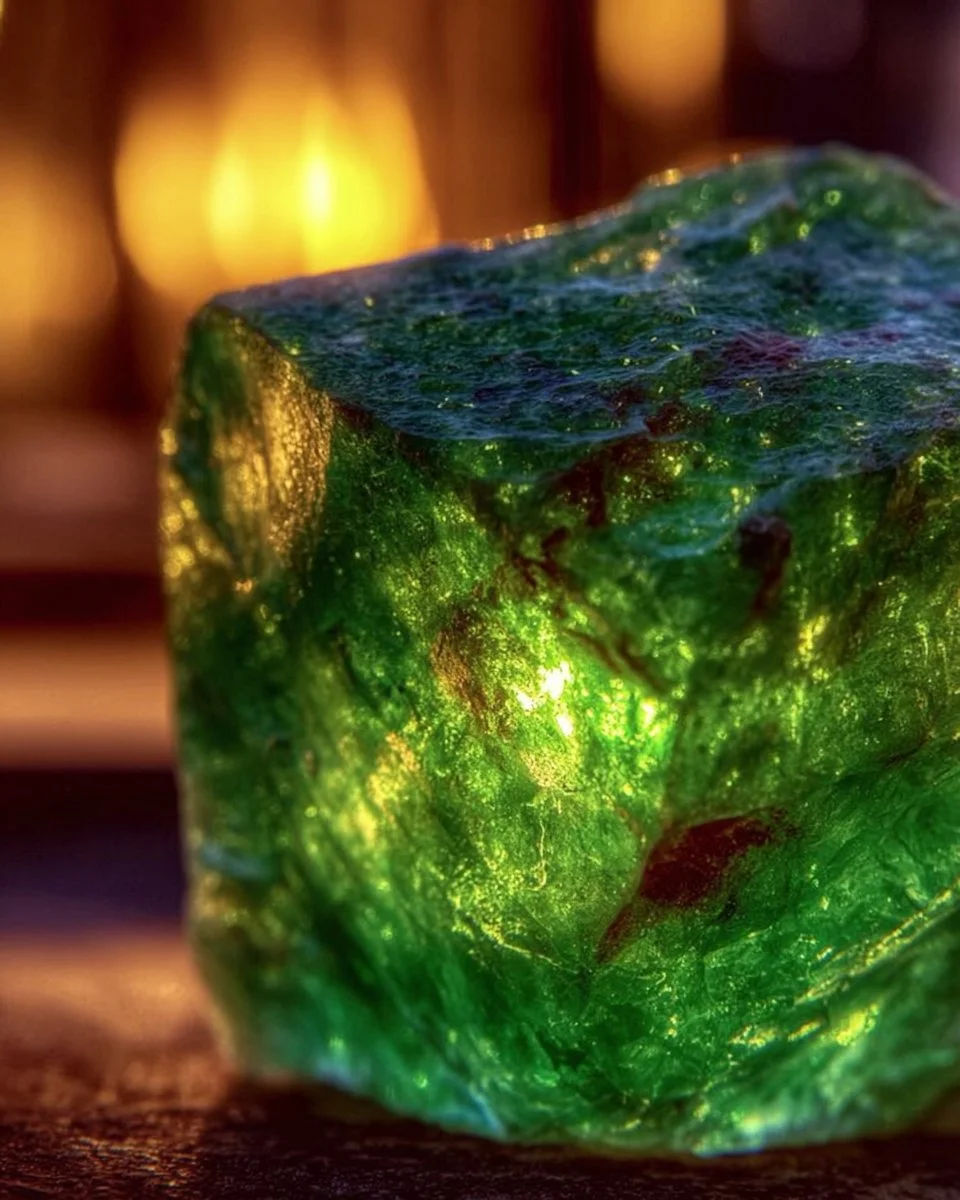
- In a bowl, combine 1 cup baking soda with a few teaspoons of glow-in-the-dark paint or glow pigment powder.
Stir well until the mixture is evenly colored throughout.
Watch for clumps of pigment and break them up with the spoon so the color spreads evenly. - Gradually add 1/4 cup of water while mixing until the texture resembles damp sand.
Adjust by adding more water or baking soda if necessary to achieve a moldable consistency.
Stop adding water once the mix holds together when squeezed but is not sticky. - Stir in optional glitter, food-safe coloring, or small rocks to add extra sparkle and texture.
Mix gently so the additives distribute without making the mix too wet.
A little glitter goes a long way; start with a pinch and add more if you like. - Use your hands to mold the mixture into small, irregularly shaped rocks.
Press firmly to pack material together so pieces dry solid.
Make several sizes for variety; smaller ones tend to dry faster. - Place the shaped moon rocks on a tray to air dry overnight.
Turn them once if you want even drying on the bottom.
Leave in a warm, dry spot out of direct sunlight for the best result. - Charge the dried moon rocks under a bright light source for several minutes, then turn off the lights to watch them glow.
A desk lamp or direct sunlight for a few minutes works well.
Expect a soft glow rather than a neon blast; recharge as needed for darker rooms.
The Learning Behind This DIY
Making moon rocks gives kids practice at measuring and mixing, which builds early math and following-directions skills. Pressing the damp mixture into shapes helps fine motor control and hand strength. The slight give of the mix is a great sensory cue: kids learn by touch when it feels ready to mold.
There is simple cause and effect at work. Adding water changes dry baking soda into a moldable paste, and drying returns it to a solid. The glow pigment stores light energy and releases it slowly, so kids can experiment with charging time and observe how brighter light gives a longer glow.
This activity also introduces the idea of trial and error in a safe way. A rock that crumbles shows the need for a touch more water or tighter packing. A rock that is sticky signals too much water. Those small adjustments teach patience and problem solving.
Troubleshooting Common Issues
If your mix looks powdery and will not hold shape, it needs more water or pressure. Add a few drops of water and knead until the texture changes to damp sand. Mix slowly so you do not over-wet it.
If the mix becomes too wet and sticky, scoop out a tablespoon and stir in more baking soda until it firms up. Work in small amounts so you do not swing too far the other way.
If the glow seems weak after drying, try charging the rocks for a longer time under a stronger light. Sunlight or a bright LED lamp will charge them faster. Remember that glow intensity varies by the pigment product; expect a gentle glow useful for bedrooms or night lights, not a bright spotlight.
If pieces crack while drying, they likely dried too quickly on the surface. Move them to a slightly cooler, less windy spot and let them finish drying more slowly. For small cracks, press the edges together while they are still slightly damp and smooth with a fingertip.
If kids handle the rocks roughly and they chip, encourage softer play. These are display and gentle-play items. For more durable pieces, pack them very tightly when molding and make slightly larger stones.
Easy Variations to Try
Try a galaxy batch by mixing a tiny amount of blue food-safe coloring with the glow pigment for a faint tinted glow. Keep the coloring light so it does not interfere with the glow.
Add small pebbles or bits of crumbled chalk into the center for a weighted feel. The little rocks create a realistic texture and make each piece unique.
Make mini sets for a scavenger hunt. Hide a few moon rocks around a dark room after charging them and let kids search with a low flashlight. Keep the hunt short and simple for younger children.
Experiment with different glow pigments. If you have a brighter pigment powder, use less paint and more powder to increase the glow while keeping the texture right. Always follow safety guidance on pigment labels and use non-toxic versions.
Create a daytime pretend play kit. Use the rocks in a planet-making game on a tray of sand or with small toys. They work well as props rather than rough play items.
I like the balloon baking soda experiment for a playful twist after crafting; it gives another way to enjoy the same baking soda magic and keeps the learning going. Try it next to keep the fun rolling if your crew wants a second activity.
Storing or Reusing This Project
Store finished moon rocks in a dry container. A small shoebox or a zip-top plastic bag keeps humidity out and extends their life. Avoid damp basements or bathrooms where moisture can soften them.
If a rock absorbs moisture and softens, dry it in a warm, dry place on a tray for a day or two. Small chips can be reformed by dampening the edges and pressing them back together before drying again.
Clean tools and bowls with water and a quick scrub. Baking soda rinses easily and will not clog drains. Wipe surfaces with a damp cloth to remove powder traces. If glitter was used, use a vacuum or a lint roller on fabric to remove stray sparkles.
If you want to reuse leftover mixture, press it into a single larger lump and let it dry. You can break it up later into new shapes or crush it to use as decorative pieces in jars.
PrintGlow in the Dark Moon Rocks
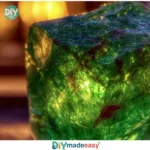
An exciting DIY project using baking soda, water, and glow-in-the-dark pigment to create fun, moldable rocks that dry hard and glow in the dark.
- Prep Time: 5 minutes
- Cook Time: 0 minutes
- Total Time: 60 minutes
- Yield: Varies
- Category: Craft
- Method: Crafting
- Cuisine: American
- Diet: Non-Diet Specific
Ingredients
- 1 cup baking soda
- 1/4 cup water (more if needed)
- Glow-in-the-dark non-toxic paint or glow pigment powder
- Optional: Glitter or food-safe coloring
- Optional: Small rocks or crumbled chalk
Instructions
- In a bowl, combine 1 cup baking soda with a few teaspoons of glow-in-the-dark paint or glow pigment powder.
- Stir well until the mixture is evenly colored throughout.
- Gradually add 1/4 cup of water while mixing until the texture resembles damp sand.
- Stir in optional glitter, food-safe coloring, or small rocks for added texture.
- Mold the mixture into small, irregularly shaped rocks and pack tightly.
- Place the shaped moon rocks on a tray to air dry overnight.
- Charge the moon rocks under a bright light source for several minutes before enjoying the glow in dark.
Notes
For best results, ensure that the rocks dry in a warm, dry area away from direct sunlight. Adjust the consistency of the mixture as needed.
Nutrition
- Serving Size: 1 rock
- Calories: 5
- Sugar: 0g
- Sodium: 1mg
- Fat: 0g
- Saturated Fat: 0g
- Unsaturated Fat: 0g
- Trans Fat: 0g
- Carbohydrates: 1g
- Fiber: 0g
- Protein: 0g
- Cholesterol: 0mg
FAQs About Glow in the Dark Moon Rocks Recipe
Will this make a huge glow like the toys I see in stores?
You can expect a gentle, pleasant glow, not a neon light. The pigment stores light and releases it slowly. Stronger pigments and longer charging under bright light make the glow brighter, but the effect is usually soft and lovely for small rooms. I make these for bedroom displays and kids always enjoy the glow, even if it is not as intense as factory-made plastic toys.
Is this safe for young kids to help with?
Yes, when you use non-toxic glow paint or pigment and supervise small children. Keep pigments out of mouths and eyes and wash hands after making. If you have a very young child who still puts things in their mouth, guide them with safe tasks like stirring or pressing rather than handling the pigment directly. I always keep a damp cloth and soap close by for quick cleanup.
How messy will this be and how do I clean it up?
You will get some baking soda dust, which brushes or wipes away easily. Lay down newspaper or a mat before you start. Use a damp cloth to wipe tables. Glitter will be the trickiest to clean, so use it sparingly and expect to vacuum any stray pieces. I do this at the kitchen table and finish with a quick wipe; the cleanup takes less time than the kids spend being delighted.
Can I use other ingredients if I do not have glow paint?
The recipe works only with a glow medium for the light-up effect. Without glow paint or pigment you will still get small white rocks that can be painted later. If you need a non-glow version today, leave out the glow medium and decorate with food-safe coloring or paint later as a separate craft.
How long will these last once made?
Properly dried and stored in a dry container, moon rocks can last months. They can chip with rough play, so I recommend gentle handling. If they soften from humidity, re-dry them on a tray and they will firm up again. I have kept batches for months and they still look good on a shelf.
A Final Helpful Note
You do not need perfection to make this fun. Expect a few crumbly pieces or slightly different shapes; that is part of the charm. Let kids explore the textures and make several sizes so drying times vary and everyone gets a piece they love.
Trust your hands to sense when the mix feels right; damp sand is the cue. Keep a tiny bowl of extra baking soda and a dropper of water nearby so you can adjust without slowing the fun. Take pictures of the glow in a dim room to capture that surprised look on their faces.
If time is tight, make a small batch. The recipe scales well so you can try a few rocks tonight and save the rest of your materials for another day. Small wins make this project feel doable on even busy days.
Conclusion
If you want a different glow craft idea with a paint-based twist, check out this Glow In The Dark Puffy Paint Moon Craft for simple alternatives and inspiration: Glow In The Dark Puffy Paint Moon Craft – No Time For Flash Cards. For a playful, themed take on glow beverages and creative presentations, this glow-in-the-dark cocktail tutorial offers ideas you can adapt for older teen or adult craft nights: GLOW-IN-THE-DARK HALLOWEEN GIN & TONIC COCKTAIL …