

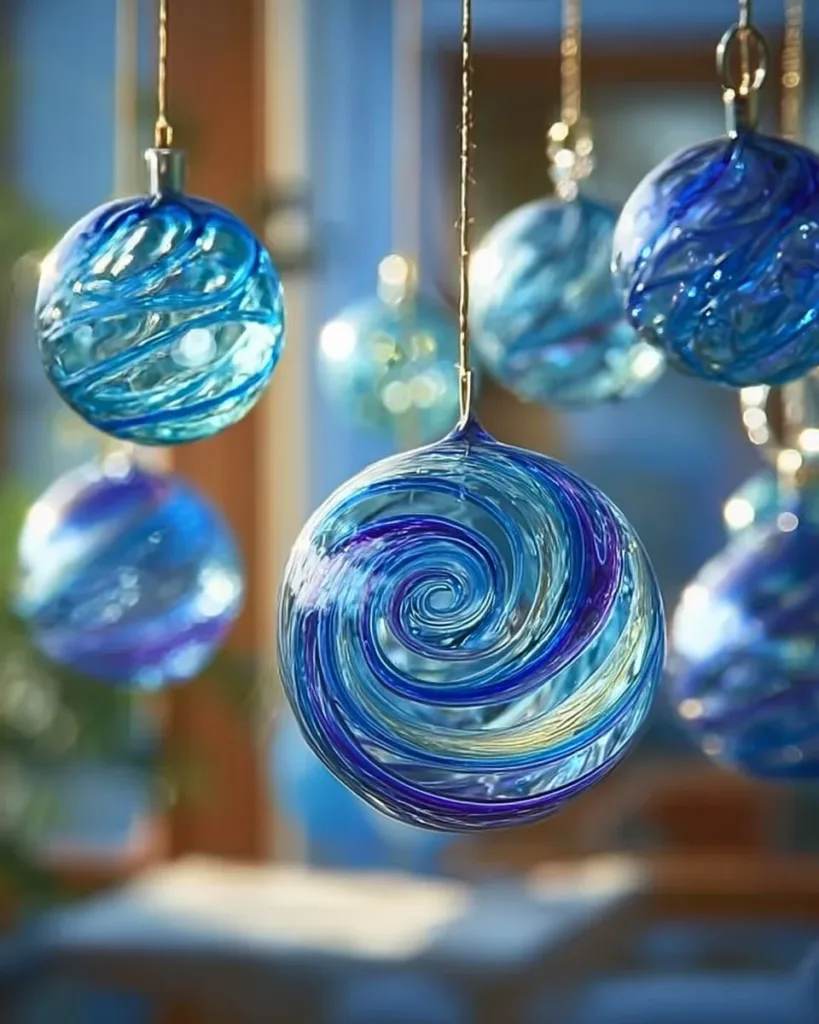
A busy afternoon. Little voices asking to make something now. You empty a crayon jar and spot a handful of blue bits that feel too pretty to toss. That moment led us to Enchanting Crayon Suncatchers – Blue Hues That Captivate Light, a simple project that turns leftover crayons into a glowing window display in under an hour. Set up on the kitchen table with an old dish towel, a low-heat iron, and a pair of scissors, this craft fits into grabbing snacks, folding laundry, or a quick after-school break. If you like projects that use what you already have and reward you with a real, displayable result, this one will feel like a small, satisfying win. If your kids enjoy pushing color around the light, you might also find inspiration in our rainbow light show project, which explores similar ideas with color and sunlight.
Why You’ll Love Making Enchanting Crayon Suncatchers – Blue Hues That Captivate Light
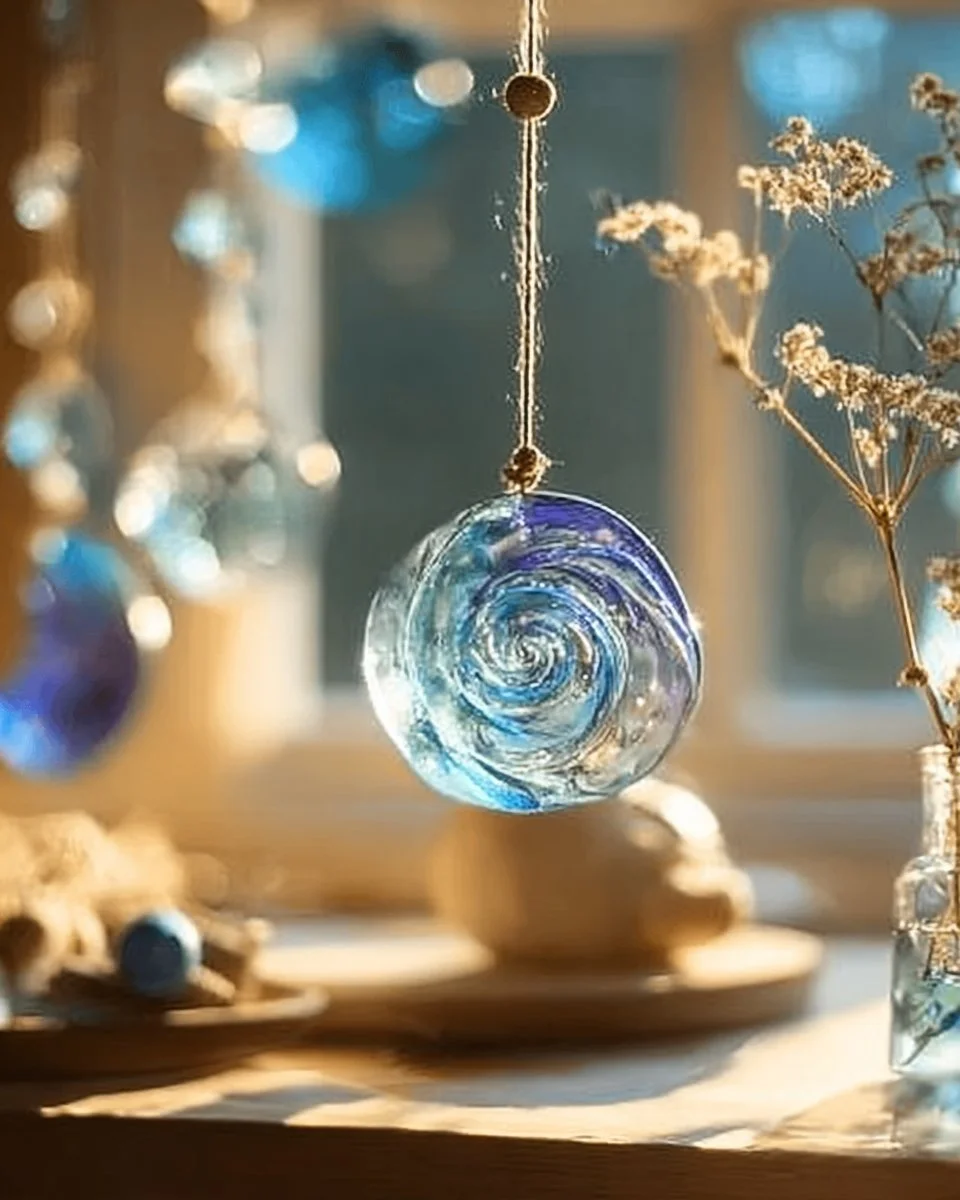
This craft works because it keeps things simple and focused on one thing: color and light. You need only a few common items and a little patience. Broken crayons make quick, glassy puddles of color when they melt, and blue hues scatter light in calm, pretty ways that suit bedrooms, porches, or classroom windows.
The project stays low-prep. You can gather materials in five minutes, and you do most of the work on a protected surface with an old dish towel or parchment. It suits a last-minute activity because kids can help at every stage, from sharpening the crayons to arranging shavings and cutting shapes. The whole process gives reliable, repeatable results: melted wax spreads predictably when the heat is steady, and cools into a translucent pane that catches light.
This activity adapts to real-life schedules. An adult can handle the heating step while older kids do the layout and cutting. Short chunks of attention work fine: a quick sharpening session, a five-minute arranging period, and then a supervised ironing step. The end product looks intentional even when you move fast. That makes it great for rainy afternoons, after-school wind-downs, or as a tidy way to use broken crayons.
A Quick Look Before You Begin
This craft takes about 30 to 60 minutes depending on how elaborate you get. Setup takes five to ten minutes to gather tools and protect the work surface. Melting and cooling take most of the time because you need to let the wax spread evenly and then firm up again.
Expect light mess. Crayon shavings can get under fingernails and on shirts, but they brush away easily from solid surfaces. Keep an old towel or parchment between the iron and the wax to protect the iron and the table.
Adult supervision matters for the ironing step. The iron runs on low heat, but it still gets hot. Aside from that, kids can join every stage and practice fine motor skills like sharpening, arranging, and cutting. If you want a quieter version, have the adult do the melting while kids do the layout and the final trimming.
Materials You’ll Need
Assorted pieces Blue Crayons (Any broken or leftover crayons work perfectly!) — common household item, budget-friendly.
2 sheets Wax Paper — easy substitute: parchment paper can work but wax paper gives better shine.
1 unit Pencil or Crayon Sharpener — handy for making shavings, common tool.
1 unit Iron (Set to low heat.) — adult use only, adjustable heat setting.
1 unit Scissors — child-safe scissors for kids, sharp scissors for adult trimming.
1 unit String or Thread (Adjust the length based on your preference.) — optional, for hanging.
1 unit Old Dish Towel or Parchment Paper (Protects work surface.) — protects table and iron.
1 unit Hole Punch (Optional) (To help you thread string through shapes.) — optional, makes threading easier.
How to Make Crayon Suncatchers
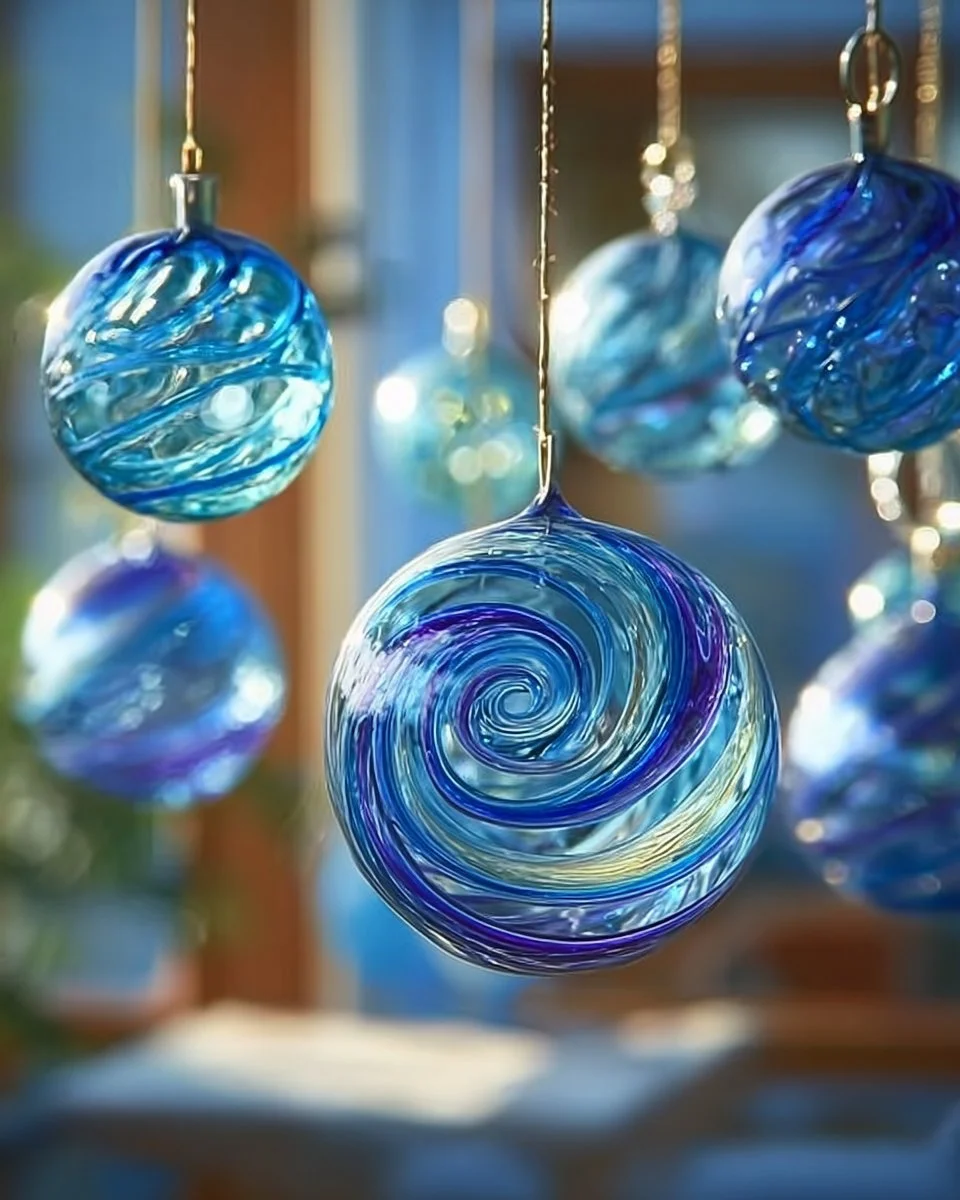
- Gather your blue crayon pieces and set a sheet of wax paper flat on the protected table. Arrange crayon pieces in one small pile where you will sharpen them; the wax paper gives you a place to catch shavings. You will see tiny colorful curls and dust build up under your sharpener.
- Sharpen the blue crayons over the wax paper to create shavings. Aim for a mix of light and dark blues for depth. The shavings should look like tiny curls and fine dust; that texture helps the wax melt evenly.
- Spread the shavings across the wax paper into the general shape you want. Keep them within a single layered area, not too thick in places. You want some thin spots so light can shine through.
- Place the second sheet of wax paper on top to sandwich the shavings. Smooth gently with your hands to keep shavings in place. The wax papers should touch at the edges so the melted wax will bind them together.
- Fold your dish towel or lay parchment on the iron-safe surface, then set the wax paper sandwich on top. Put another thin cloth over the wax paper to protect the iron. Heat the iron to low and press gently until the shavings melt and spread into a thin, even layer. Watch for the crayon colors to become glossy and run together.
- Let the wax cool completely on the counter for several minutes. The wax should harden flat and slightly bendable. If it feels sticky, give it another minute; it will firm up as it cools.
- Use scissors to cut shapes from the cooled wax paper. Trim edges carefully; the wax will cut cleanly if fully cooled. If the shape bends while cutting, let it sit a bit longer.
- Optional: Punch a hole near the top of each shape, or simply fold a small corner and attach the string, then thread string or thread through the hole and tie a knot. Adjust the length to suit where you will hang the suncatcher.
- Hang your suncatchers in a sunny window and enjoy the blue light. Change placement to see how different angles shift the color and brightness.
The Simple Science or Skills at Work
This project blends simple science and hands-on skills. When you heat crayon shavings, the wax melts and flows. That movement makes a thin, continuous film of pigment that lets light pass through while scattering it. Lighter blues let more light through and feel airy. Darker blues absorb more light and create richer tones.
Kids practice fine motor skills when they sharpen, arrange, and cut. Sharpening helps finger strength and coordination. Spreading shavings into a shape builds planning and visual judgment. Cutting cool wax teaches careful hand control and timing.
You also get a gentle lesson in cause and effect. Too much heat makes the wax run too thin or spread beyond the edge. Too little heat leaves clumps. Seeing those results helps kids learn to adjust pressure, heat, and timing.
Troubleshooting Common Issues
If the wax looks lumpy or uneven after ironing, you likely used uneven heat or pressed too hard. Put the sandwich back under the iron on low and press gently in slow, even strokes until the gloss spreads. Let it cool between presses to avoid over-melting.
If colors mix into a muddy gray, you probably used colors too close in value and layered heavily. For future batches, add more light-blue shavings and leave thin gaps between colors so each hue keeps its identity.
If the wax sticks to the iron, that means you either skipped the protective cloth or set the iron too hot. Turn the iron off and let it cool, then gently peel any wax with a soft cloth soaked in warm, soapy water. Always use the dish towel or parchment between the iron and wax next time.
If the finished piece cracks when you cut it, it probably cooled and set too thin or you used too much pressure while cutting. Let it warm to room temperature, then trim lightly with a sharp pair of scissors. Hold the piece flat on a hard surface while cutting to minimize bending.
If your kids lose interest while folding the wax paper, give them a small job like sorting different shades or counting shavings. Simple tasks keep them engaged and invested in the final result.
Easy Variations to Try
Try layered tones. Make several small suncatchers with different blue combinations and hang them together for a gradient effect. They look lovely in a row across a window.
Add texture with patterns. Scatter shavings in a ring or stripes instead of an even spread. When melted, the pattern softens but still reads as a design.
Make a mobile. Attach several different shapes to varying lengths of string and tie them to a wooden hoop or an embroidery hoop. This turns sunlight into a slow-moving, calming display.
Work with shapes for seasons. Cut wave shapes for summer or cloud shapes for a bedroom. The shapes keep the craft quick and give you themes for different times of year.
Combine with other small projects. Let older kids stitch a simple border with embroidery thread or glue small beads to the edge for weight. Keep beads minimal so they do not block too much light.
Storing or Reusing This Project
Store unused crayons and shavings in a small jar or envelope for future batches. This project uses little material, so keeping a stash of blue bits helps you make suncatchers on short notice.
If a suncatcher breaks, you can re-melt the pieces by sandwiching the bits between new wax paper and re-iron on low. The melted pieces will fuse into a new shape. Be careful and let an adult handle the heating.
Clean up wax from scissors or countertops by wiping with a paper towel and then washing with warm, soapy water. If wax cools and hardens, scrape gently with a plastic scraper before washing.
Hang finished pieces away from direct contact with heat sources like radiators or wood stoves. They will soften at high temperatures. In most homes, window light is safe and steady.
FAQs About Enchanting Crayon Suncatchers – Blue Hues That Captivate Light
How messy will this be if my preschooler joins? I have done this with small children and the mess is mostly crayon dust on the table and occasional bits on fingers. Keep a small tray to collect shavings, use an old dish towel under the work area, and have wipes on hand. If you want less cleanup, do the sharpening and the ironing yourself and let the child arrange the bigger shavings.
Is this safe for a ten-year-old to do alone? A ten-year-old can do most steps, but leave the ironing to an adult. The sharpening, arranging, and cutting feel safe for that age with supervision. If your child is confident with scissors and follows rules about not touching the iron, this becomes a largely independent activity.
Can I use other colors or substitute materials? Yes, you can use other crayon colors, but this guide focuses on blue hues to achieve a calming, ocean-like effect. Do not substitute wax paper with plastic wrap; plastic will melt. Parchment paper can work in a pinch, but wax paper gives better translucence.
What should I expect the finished piece to look like? Expect slight marbling where colors meet and a translucent, slightly glossy finish. The pieces will not be perfectly clear like glass, but they will let beautiful blue tones filter through. Imperfections add charm and show the handmade nature of the project.
Where can I hang these so they look best? Hang them in a sunny window, on a porch where morning or afternoon light hits them, or on a lightweight mobile above a bed. Changing the angle gently shifts the brilliance, so try a few spots before deciding.
Practical tips: If your household likes a science angle, you can talk about how light bends and scatters through thin layers of colored wax. For a quiet craft time, prepare several bags of blue shavings so kids can pick and choose without having to sharpen too much.
A Final Helpful Note
Trust the process and give yourself permission to play. The first few attempts teach you how much heat and pressure work for your iron and your wax mix. Expect small surprises like tiny bubbles or edges that curl a little. Those are normal and add character. Keep the setup simple, involve kids in the easy parts, and handle the hot steps. This project rewards patient, calm attention and gives you a displayable piece that uses materials you might otherwise throw away. If you want a quick variation next time, swap in a few green crayon bits for a sea-glass vibe. You will get better with each attempt.
Conclusion
If you want more ideas that play with light and color, check out this creative take on light and refraction with fairies for inspiration at Creating a Refraction-Wing Fairy OC: Inspiration from Light. For a holiday twist that uses similar suncatcher thinking with decorative shaping, see this seasonal guide to bubble lights and garland accents at Christmas Presents For Tween Girls Roman Gnome Bubble Light ….
PrintEnchanting Crayon Suncatchers – Blue Hues That Captivate Light
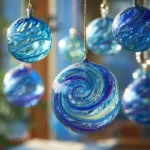
A simple project that transforms broken blue crayons into beautiful suncatchers that catch light.
- Prep Time: 10 minutes
- Cook Time: 30 minutes
- Total Time: 40 minutes
- Yield: 4 suncatchers 1x
- Category: Craft
- Method: Melting and Cutting
- Cuisine: N/A
- Diet: N/A
Ingredients
- Assorted Blue Crayons (broken or leftover)
- 2 sheets of Wax Paper (or parchment paper)
- 1 Pencil or Crayon Sharpener
- 1 Iron (set to low heat)
- 1 Scissors
- 1 String or Thread (optional)
- 1 Old Dish Towel or Parchment Paper
- 1 Hole Punch (optional)
Instructions
- Gather your blue crayon pieces and set a sheet of wax paper flat on the protected table.
- Sharpen the blue crayons over the wax paper to create shavings.
- Spread the shavings across the wax paper into your desired shape.
- Place the second sheet of wax paper on top of the shavings.
- Protect the iron by laying a towel over wax paper, then heat the iron and press gently until the shavings melt.
- Let the wax cool completely on the counter for several minutes.
- Use scissors to cut shapes from the cooled wax paper.
- Optional: Punch a hole near the top of each shape and thread the string through to hang.
- Hang your suncatchers in a sunny window.
Notes
Keep an old towel or parchment between the iron and the wax to protect surfaces. Adult supervision is required for the ironing step.
Nutrition
- Serving Size: 1 suncatcher
- Calories: N/A
- Sugar: N/A
- Sodium: N/A
- Fat: N/A
- Saturated Fat: N/A
- Unsaturated Fat: N/A
- Trans Fat: N/A
- Carbohydrates: N/A
- Fiber: N/A
- Protein: N/A
- Cholesterol: N/A