


A busy afternoon, a cupboard raid, and kids asking to make something now. That was the scene the first time I pulled together Snow Dough with two simple things from my pantry: baking soda and water. We cleared a corner of the kitchen table, set out a shallow bowl, and in ten minutes we had a soft, moldable dough and three proud little snowmen. If you want an easy, low-prep activity that feels like a mini project and cleans up quickly, this Snow Dough fits the bill and can save a restless hour. For a deeper version of this idea, I kept a link to our longer snow dough recipe nearby while testing the texture and shapes with the kids.
Why You’ll Love Making Snow Dough
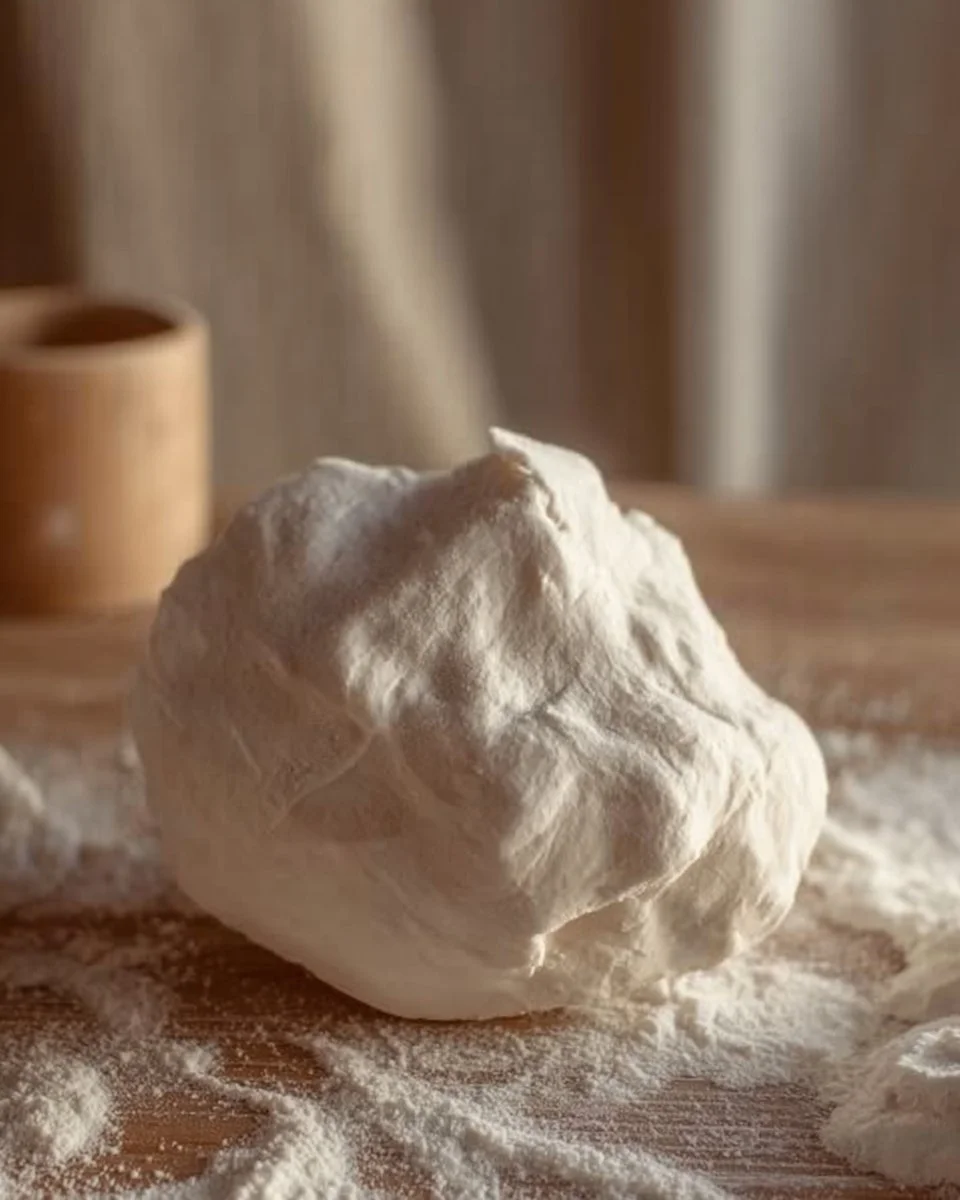
This project works because it uses things you already have. No special ingredients or long prep time. You scoop baking soda, add a little water, and the texture changes right in front of you. That makes it perfect for last-minute fun.
It feels approachable. Kids see the change from powder to dough and want to keep going. The results look good quickly. Even small hands can shape a basic snowman without hours of effort.
It also fits real life. You can start this on a rainy afternoon, during a snack gap, or as a calm-down activity after school. It takes about ten minutes to make and a short play session to enjoy. That low time commitment makes it reliable for busy families.
This Snow Dough stays predictable. You do not need exact science to get a good result. Little adjustments of water or scoops of baking soda fix most problems. That reliability helps you relax and enjoy the moment with the kids.
A Quick Look Before You Begin
This activity takes about 5 to 15 minutes to prepare and then as long as you want to play. Setup means a clean surface, a bowl, and the two ingredients. You can do it at the kitchen table with a towel underneath.
Mess level stays low. The mixture behaves like a soft dough, not a sticky paste, and most crumbs brush off easily. If kids like to explore textures, keep a wet cloth nearby for quick hands and table wipes.
Adult involvement depends on age. Toddlers need a lot of help with measuring and shaping. Older kids can mix and mold with brief supervision. Stay close for safety and encouragement, but you do not need to hover.
Have a few minutes for cleanup after play. The baking soda rinses off with water and a wipe, and the dough breaks apart easily. That short cleanup time makes this activity repeatable in the same day if the kids want to play again.
Materials You’ll Need
Baking soda
common household item, powdery base that gives the dough body
Water
budget-friendly, easy substitute is tap water, add it slowly
STEP-BY-STEP DIRECTIONS
- In a bowl, add a few spoonfuls of baking soda. Start small so you can adjust texture as you go. You will see a soft white pile that looks like fine snow.
- Slowly pour in a little water while stirring. Add just a spoonful at a time so you do not make it watery. The mix will clump up as you stir.
- Mix baking soda and water until you reach a soft, dough-like consistency. Press the mixture with your fingers; it should hold shape without feeling slimy. If it feels dry, add one more small splash of water.
- Use this dough to shape snowmen or other figures as desired. Pinch out small balls and stack them for a snowman, or press flat shapes for snow cookies. The dough keeps its shape for play.
- If pieces crumble while shaping, press them gently together with a little moisture from your finger. That extra touch melts the edges and helps pieces stick.
- When playtime ends, let figures dry on a tray if you want keepsakes, or crumble the dough and rinse it down the sink with plenty of water to avoid clogging. For inspiration while you shape, try an easy related winter craft like our magical snowstorm craft for a short follow-up activity.
The Simple Science or Skills at Work
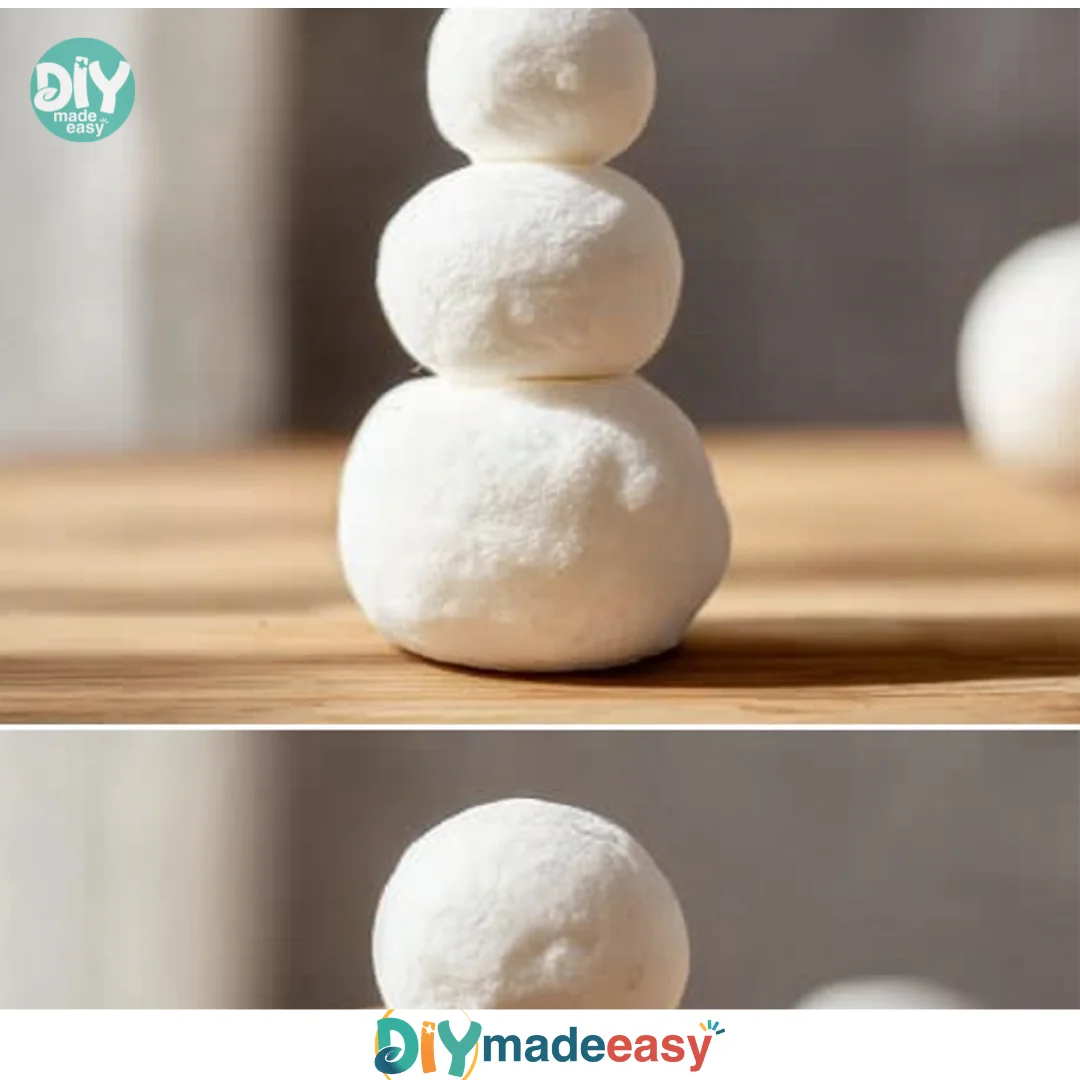
This Snow Dough shows simple cause and effect. When you add water to baking soda, the powder changes texture. The water makes the particles stick together into a moldable mass. You do not need any chemical reaction for the basic play effect, so it feels safe and predictable.
Kids practice fine motor skills as they roll little balls, pinch shapes, and press details. Those small movements help hand strength and coordination. Mixing the dough teaches measurement basics and sensory awareness—how much liquid makes the dough soft but not wet.
The activity also supports planning and focus. Building a little snowman requires a plan: a base, a middle, and a head. Kids learn to judge sizes and balance shapes. Those choices build problem solving in a gentle, playful way.
Troubleshooting Common Issues
If the dough is crumbly, it needs a touch more water. Add a tiny bit, mix, and test again. A teaspoon at a time prevents overshooting.
If the dough gets sticky or watery, sprinkle in a little more baking soda and knead it gently. Let it rest for a minute; sometimes it firms up on its own.
If small pieces do not stick when you build, press the joining edges with a moistened finger. That softens them enough to bond without making the whole figure soggy.
If kids try to taste the dough, remind them gently that baking soda is not food. Offer a safe snack or a small taste-safe craft alternative for sensory play, like peeled grapes or a cold slice of apple, so they can still enjoy a taste moment without risk.
If cleanup feels like a chore, sweep dry crumbs first, then wipe with a damp cloth. Do not pour large globs down the sink without breaking them up; rinse with running water to avoid clogs.
If a figure dries and cracks, that is normal. You can glue dried pieces for a keepsake, or crumble and store the powder for another play session.
Easy Variations to Try
Add simple textures by pressing a small plastic cap into the dough to make a pattern. No extra ingredients required, just use items from your drawer.
Make tiny snowball sets by measuring out equal scoops. Challenge older kids to stack the tallest snowman they can build without falling.
Try a timed sculpting game. Set a two-minute timer and let kids make their best snow figure. Celebrate the effort, not the perfection.
Use the dough for imprint art. Press leaves, cookie cutters, or small toy animals into flat disks to make nature prints.
For a quiet sensory session, let kids slowly crumble the dough and feel the change from firm to powder. It calms fidgety hands and helps focus.
For more winter-themed activities that pair well with this project, check our detailed snow dough variations for ideas you can try later.
Storing or Reusing This Project
If you plan to reuse the dough that stays soft, store it in an airtight container for a day or two in the fridge. Check texture before giving it back to kids; if it dries out, add a little water and knead.
If you want to keep shapes as decorations, let them air dry on a tray for a day or two. They will harden and make light keepsakes. Paint or glue on small details once they are fully dry.
If you do not save it, crumble the dough into small bits and rinse them under running water. Do not flush large clumps down the drain. Wipe the bowl and tools with a damp cloth and a bit of dish soap if needed.
To reduce waste, reuse any leftover dry baking soda in cleaning tasks if it has not mixed with other ingredients. The powder still works for scrubbing or freshening as long as it stayed dry.
FAQs About Snow Dough
Is this safe for preschoolers?
Yes, but stay with them. Baking soda is common and not poisonous in tiny amounts, but it is not food. I keep small kids close and offer a snack if they seem interested in tasting. If a child puts a lot in their mouth, stop the activity and rinse their mouth, then call a health professional if you worry.
How messy will it be?
Expect a little powder on the table and some fingerprints. The dough wipes off most surfaces. If kids like to explore, lay down a towel under your workspace. I find that a short sweep and one damp cloth wipe finishes cleanup in minutes.
Can I swap ingredients if I do not have baking soda?
This version relies on baking soda and water only. Other recipes use different ingredients, but for this activity stick with the two items listed. If you want a different texture later, try a different recipe from our site when you have time.
Will the figures fall apart quickly?
They will hold for play, but not forever. Press joins with a moist finger to help them stick. If you want a long-lasting decoration, let the pieces dry fully and handle them carefully after they harden.
How long can I store leftover dough?
Store in an airtight container for a day or two in the fridge. If it dries, add a little water and knead. If it smells off or changes color, throw it out and make a fresh batch.
A Final Helpful Note
Give yourself permission to keep this simple. The charm of Snow Dough comes from the quick change in texture and the chance to shape something together. You do not need perfect finishing touches. If a snowman leans or a hat falls off, laugh, fix it, and let the kids try again. The best part is the shared moment, not museum-worthy sculptures.
If you want a step-by-step photo guide or more winter sensory ideas, these two resources offer great inspiration: Snow Dough Recipe for Winter Sensory Play! and 2-Ingredient Snow Dough – The Natural Nurturer.
PrintSnow Dough
An easy and fun activity to make moldable dough using just baking soda and water, perfect for kids to create their own snowmen.
- Prep Time: 5 minutes
- Cook Time: 0 minutes
- Total Time: 5 minutes
- Yield: 1 batch
- Category: Activity
- Method: Mixing
- Cuisine: N/A
- Diet: N/A
Ingredients
- Baking soda
- Water
Instructions
- In a bowl, add a few spoonfuls of baking soda. Start small so you can adjust texture as you go.
- Slowly pour in a little water while stirring, adding spoonfuls at a time to avoid making it watery.
- Mix until you reach a soft, dough-like consistency. If it’s too dry, add a small splash of water.
- Shape the dough into figures like snowmen or other shapes as desired.
- For crumbling pieces, gently press them together with a moistened finger.
- Let figures dry for keepsakes or crumble and rinse down the sink after playtime.
Notes
Make sure to supervise younger kids and keep a wet cloth handy for easy cleanup. If dough gets sticky, add more baking soda.
Nutrition
- Serving Size: 1 batch
- Calories: 45
- Sugar: 0g
- Sodium: 10mg
- Fat: 0g
- Saturated Fat: 0g
- Unsaturated Fat: 0g
- Trans Fat: 0g
- Carbohydrates: 9g
- Fiber: 0g
- Protein: 0g
- Cholesterol: 0mg