

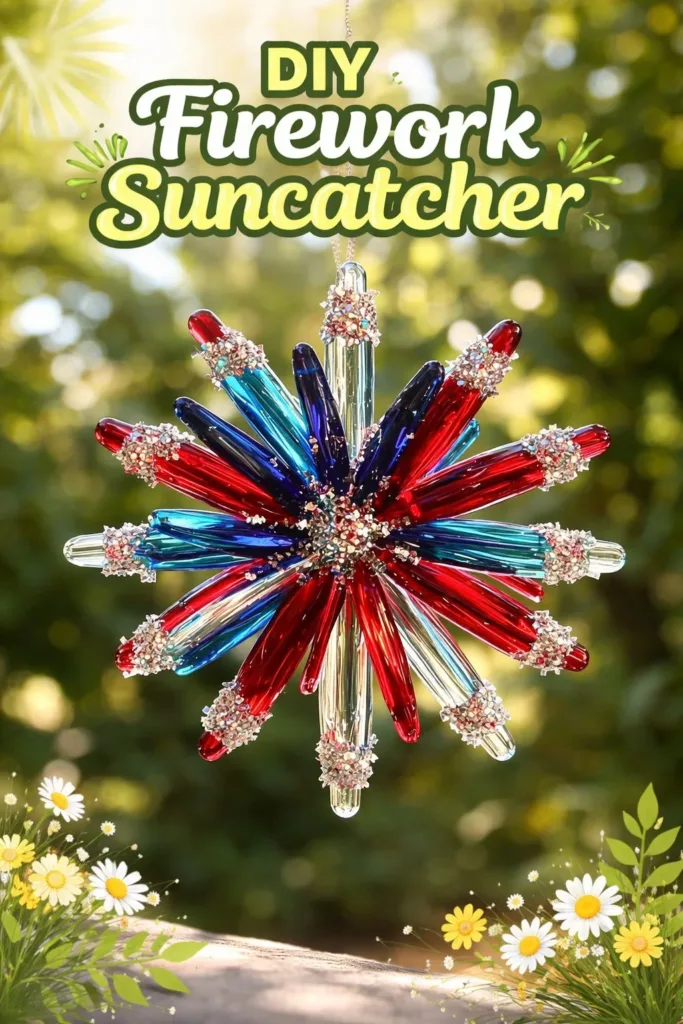
A busy afternoon, the kids asking for something to do, and a quick kitchen clearing to make space. That is how this DIY Firework Suncatcher often starts at my house. I pull out a baking tray, a sheet of clear plastic or a bioplastic sheet, and a few small tools. We set a low oven, sprinkle a little pigment, and in an hour we have bright, light-catching shapes to hang in the window. It feels like a small, doable celebration in the middle of a normal day. DIY Firework Suncatcher works well when you need a low-stress craft that looks special, uses simple things you might already have, and finishes with something you can hang up and be proud of.
Why You’ll Love Making DIY Firework Suncatcher

This project works because it asks for very little time and gives a lot of reward. You do not need a big supply list or fancy tools. A single sheet of clear plastic and a bit of pigment transform into colorful shapes that glow in sunlight. That keeps prep small and the results striking.
It fits real life. You can set it up while dinner simmers or while supervising homework. The oven time is short and mostly hands-off. Kids can do safe parts like sprinkling pigment, cutting warm shapes with supervision, and choosing colors.
It is forgiving. If a shape looks uneven or a color sits in one spot, you can press, layer, or cut again. That means fewer frustrated faces and more chances to try a slight change and like the result.
This project also scales. Make one small suncatcher with a preschooler, or an entire string of shapes with older kids and teens. The steps work the same. You can keep it calm, or make it a lively craft day.
A Quick Look Before You Begin
This project takes about 30 to 60 minutes from setup to hanging. Most of that is waiting for plastic to warm and cool. Active hands-on time usually runs 15 to 25 minutes.
Setup is simple. Cover a flat tray with parchment or a baking mat, lay the plastic, and have pigments and tools ready. A clean counter and a small rule about the oven make a big difference.
Mess level stays low if you prepare a work station. Powdered pigment can dust, so keep a cloth nearby and work over the mat. Kids can wear craft smocks or old shirts to avoid tiny stains.
Adult involvement matters for safety and timing. An adult should handle the oven or heat gun and help with cutting while the plastic is warm. Children can do safe parts like sprinkling pigment, choosing shapes, and threading the hanging .
Create with the Seasons
Celebrate every time of year with hands-on ideas. Explore our Seasonal DIY Projects and enjoy creative crafts perfect for holidays and seasonal moments.
Materials You’ll Need
Bioplastic sheet or recycled clear plastic
common household item, clear and flexible
Powdered pigments or mica powder (optional)
optional, adds color and shimmer, small amount goes far
Small cookie cutters or paper stencils
easy shapes help keep edges neat
Sharp scissors
needed for cutting warm plastic, use caution
Parchment paper or silicone baking mat
protects tray and keeps plastic from sticking
Baking tray
flat tray works best for even warming
Oven or heat gun
oven is steady; heat gun works for spot softening
Thin wire or thread for hanging
choose a strong but thin line for light weight
Small hole punch or awl
makes a neat hole without cracking edges
Tweezers and flat tool for pressing layers
helps position warm pieces safely
Metal spatula or flat-edge tool
spreads pigment and flattens if needed
Clean, dry cloth
for small cleanups and final polish
STEP-BY-STEP DIRECTIONS
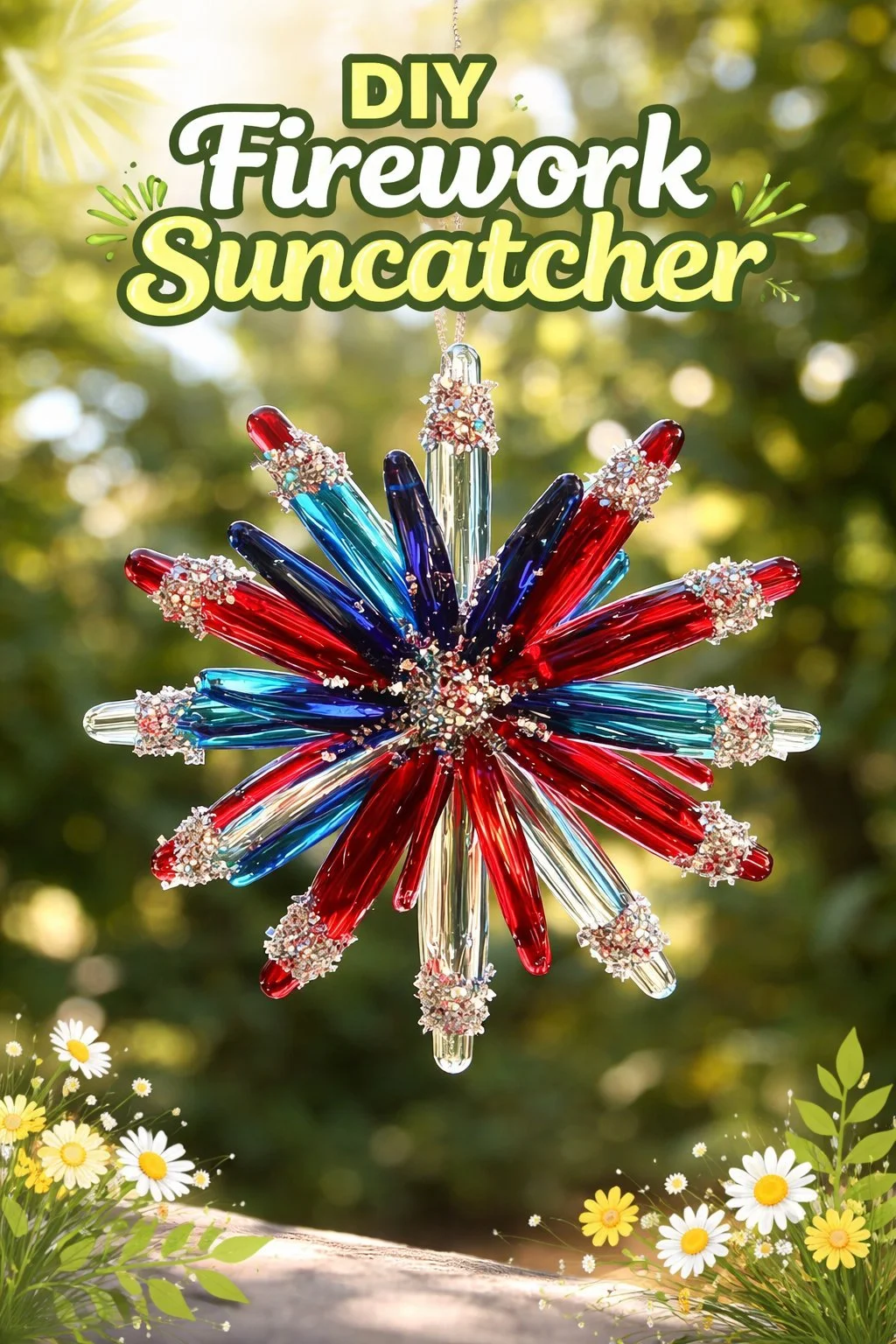
- Preheat your oven to 275-300°F.
Set the oven early so it reaches temperature before the plastic goes in.
Use the lower end for thinner sheet and the higher end for slightly thicker plastic. - Place the plastic sheet on parchment or silicone mat in a flat tray.
Make sure the plastic lies flat without folds.
Trim edges first if the sheet is very large so it fits the tray comfortably. - Sprinkle powdered pigment onto the plastic.
Start light; a little pigment spreads well when warm.
Use tweezers for precise spots or a small spoon for an even dusting. - Warm the tray in the oven until plastic softens.
Watch through the oven window and check after a minute or two.
You want the sheet soft and glossy, not bubbling or collapsing. - Press gently with a flat tool to spread color.
Use a metal spatula or flat tool to move pigment into a burst pattern.
Work quickly but gently so the plastic stays warm and workable. - Cut into shapes while warm.
Use small cookie cutters or scissors to cut shapes while the plastic is still pliable.
If a cutter sticks, lift with a spatula rather than tugging. - Layer additional pieces if desired.
Place smaller shapes onto larger warm pieces and press with a flat tool.
Tweezers help position small bits; press enough for a light seal but not so hard you warp the piece. - Punch a small hole for hanging.
Use a hole punch or awl while the piece is still warm for a clean hole.
Hold the piece steady with tweezers or a cloth so it does not twist. - Allow to cool completely.
Move the tray to a safe surface and let the pieces harden for 10 to 20 minutes.
Do not try to bend or hang them until they are cool to the touch. - Attach wire or thread and hang in a sunny spot.
Thread thin wire or clear thread through the hole and make a secure knot.
Hang one piece or a string of shapes where they will catch sunlight.
What Kids Practice While Making This
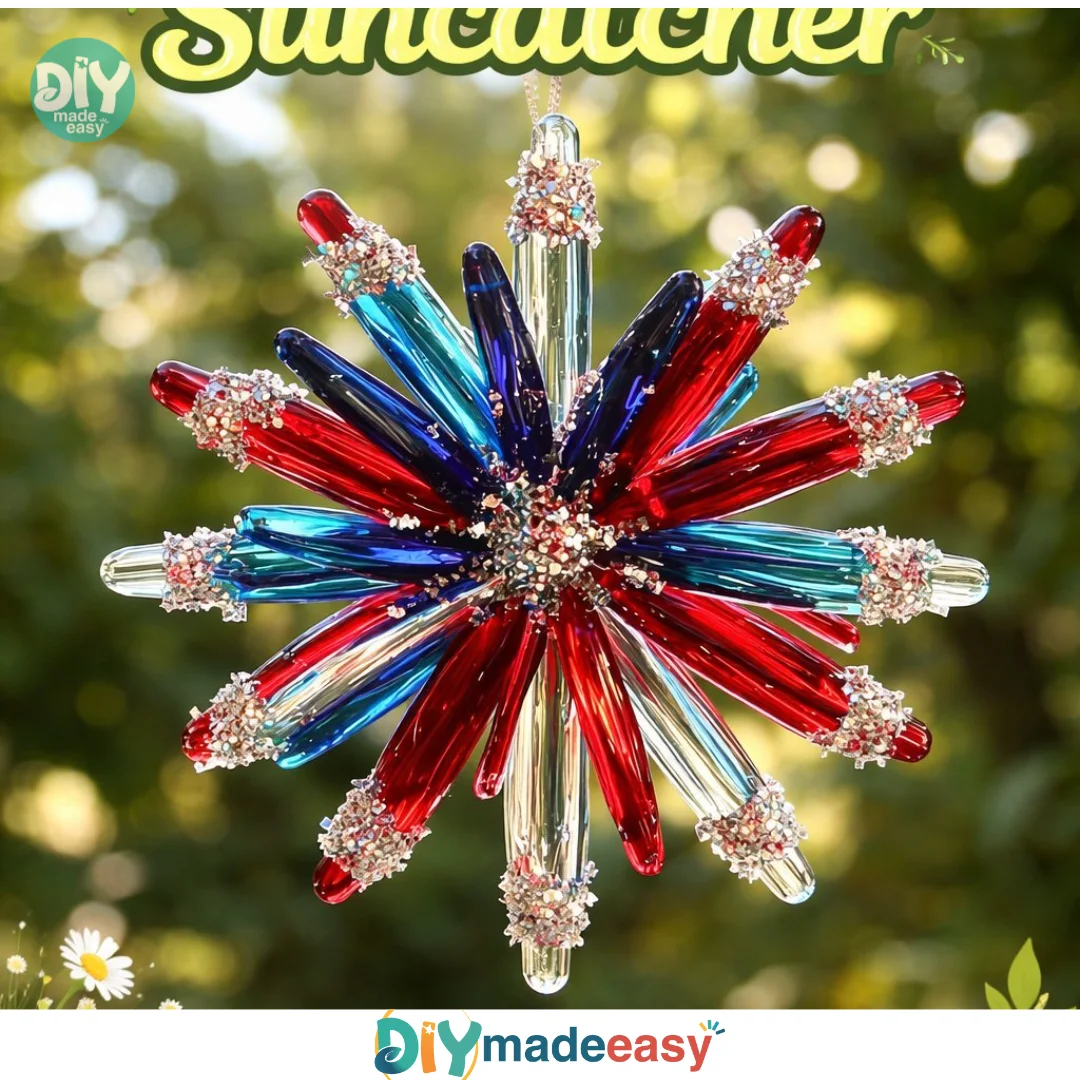
This activity builds fine motor control in small, clear ways. Sprinkling pigment and placing little pieces teaches gentle hand motions. Cutting warm plastic with caregiving supervision refines scissor skills and timing.
Children learn cause and effect. They see how a tiny powder can spread into a streak, how warmth makes plastic soft, and how pressing changes shape. Those simple cause and effect moments feel immediate and satisfying.
This craft also teaches safe tool use. Kids practice asking for help to use the oven or a punch, and they learn how to hold tools steady. That builds confidence for other small kitchen tasks.
Finally, this project supports creative choice. Picking colors, arranging layers, and deciding where to hang give kids useful practice in planning and finishing a short, tidy project.
Troubleshooting Common Issues
If pigment clumps and does not spread, the plastic may be too cool.
Warm the tray a bit longer and press gently with your flat tool.
A few extra seconds of heat usually softens the sheet enough to flatten pigment.
If the plastic bubbles or curls, the oven was too hot or the sheet was too close to a heat source.
Remove the tray, let it cool, and try again at the lower temperature.
Work in smaller pieces next time if bubbling repeats.
If a cutter sticks to the plastic, it can tear when pulled.
Lift the edge with a spatula and slide it free, or cut with scissors instead of forcing the cutter off.
A little talc or a nonstick surface under the cutter helps on repeat runs.
If a hole cracks when you punch it, the piece may be too cool or too thin at the edge.
Punch while slightly warm for a clean hole.
If the hole breaks, trim the edge and make a new hole a little further in.
If colors look washed out when cool, you used too little pigment or spread it too thin.
Try a second, small layer while the piece is warm, or choose a more saturated pigment next time.
Mica powder gives a bit more light reflection if you want shimmer.
Easy Variations to Try
Make a sunburst string: Cut several circle shapes and layer small star or dot pieces on top to create a radiating look. Thread them close together for a small mobile or far apart for a window garland.
Try a color fade: Sprinkle heavier pigment at one end and less at the other, then press gently to blend. When warm, the soft plastic makes a smooth gradient that looks like a tiny sunset.
Add mixed textures: Press small bits of recycled clear plastic or thin film between layers for a stained-glass feel. Use more than one translucent pigment to catch light differently.
Seasonal shapes: Use cookie cutters with holiday themes for quick themed suncatchers. Let kids pick the theme and colors for a simple holiday craft.
Tiny frames: Cut thin rings or frames and fill the middle with tiny shards of colored plastic or glitter. Seal with a light press to create little framed catches of light.
Storing or Reusing This Project
If you have leftover pigments, store them in small, labeled jars or bags.
Keep them dry and away from direct sun to protect color.
Leftover plastic bits store flat in a box or envelope.
Stack similar sizes together and store on a shelf; they will be ready to press or layer in another session.
Clean your tray, spatula, and tools soon after use.
Warm residue wipes away with a cloth while it is still warm or with soapy water once cool.
A quick wipe prevents buildup and makes the next session smoother.
If a finished suncatcher gets dusty, wipe it gently with a clean, dry cloth.
Avoid harsh cleaners that can dull mica or pigment finish. For stubborn smudges, use a damp cloth and dry immediately.
If a piece breaks, see if you can press a small scrap on top while warm to mend it, or recycle the pieces into new layered shapes.
FAQs About DIY Firework Suncatcher
Will this make a big mess?
I have small kids and worry about powder everywhere. A little pigment dust can travel, but it stays easy to manage. Work over a parchment or silicone mat and keep a damp cloth nearby. Have kids sprinkle over the mat and use tweezers or a small spoon to limit spills. If some dust gets on the counter, wipe it up right away and wash hands. I do this with little ones often and a quick clean at the end keeps things relaxed.
Is this safe for young children?
What age should supervise the oven? Young children can do most of the hands-on parts safely, like choosing colors and placing shapes. An adult must handle the oven or a heat gun and do the cutting and hole punching while pieces are warm. For preschoolers, keep them at the table for the creative stages and have one adult manage the hot parts. With older kids, you can teach oven safety and guide them while they practice with support.
Can I use any recycled plastic?
What works best? Clear, flexible plastic works best. Bioplastic sheets and some packaging films are good choices. Avoid thick plastics that do not soften evenly and avoid anything printed on the surface that might smear or release odor when heated. If you try a new kind of plastic, test a small scrap first so you know how it behaves in your oven.
What if my shapes look cloudy or dull after cooling?
Cloudiness can happen if the plastic cools too quickly or if pigment sits in thick spots. You can gently rub with a clean, dry cloth to brighten the surface. Next time, try a slightly lower oven temperature and a gentler press to keep the surface smooth. Layering a thin clear piece on top while warm can also restore shine.
How long will the suncatchers last in a sunny window?
They last for many months if hung out of direct rain and away from very hot, direct afternoon sun that can stress some plastics. Over time some pigments may fade slightly. Bringing them in for a week in very hot weather helps preserve color. If a piece shows stress, you can recycle it into a new shape.
A Final Helpful Note
Start small and treat the first few pieces as practice. One or two test shapes teach you how your plastic responds to your oven. I always do a single test shape on a scrap first. That way I know how long to heat the tray and how the pigment spreads. Be flexible with the timing. If something looks too soft, take it out and let it sit a moment. If it feels stiff, warm it a little more.
Trust your hands. Pressing too hard can warp thin pieces, and pressing too softly can leave pigment sitting. A confident, light press usually gets the best result. Most of all, enjoy the surprise of how simple materials catch the light. You will end up with small pieces that brighten a window and bring a little sparkle to ordinary days.
Conclusion
If you want ideas for applying colorful decals and small accents to your projects, this guide from Let’s Make Custom Decals! – Rainbow Symphony has useful inspiration for working with bright pigments and small clear shapes. For seasonal style and simple decorating ideas to pair with your suncatchers, check out the summer-themed collection at Flipflops & Fireworks – The Rustic Rhode.
PrintDIY Firework Suncatcher

A fun and easy craft for kids to create colorful suncatchers using clear plastic and powdered pigments.
- Prep Time: 15 minutes
- Cook Time: 30 minutes
- Total Time: 45 minutes
- Yield: Various sizes/shapes
- Category: Craft
- Method: Baking
Ingredients
- Bioplastic sheet or recycled clear plastic
- Powdered pigments or mica powder (optional)
- Small cookie cutters or paper stencils
- Sharp scissors
- Parchment paper or silicone baking mat
- Baking tray
- Oven or heat gun
- Thin wire or thread for hanging
- Small hole punch or awl
- Tweezers and flat tool for pressing layers
- Metal spatula or flat-edge tool
- Clean, dry cloth
Instructions
- Preheat your oven to 275-300°F.
- Place the plastic sheet on parchment or silicone mat in a flat tray.
- Sprinkle powdered pigment onto the plastic.
- Warm the tray in the oven until the plastic softens.
- Press gently with a flat tool to spread color.
- Cut into shapes while warm.
- Layer additional pieces if desired.
- Punch a small hole for hanging.
- Allow to cool completely.
- Attach wire or thread and hang in a sunny spot.
Notes
Supervise children when handling the oven and sharp tools. Use old shirts to protect from stains.