

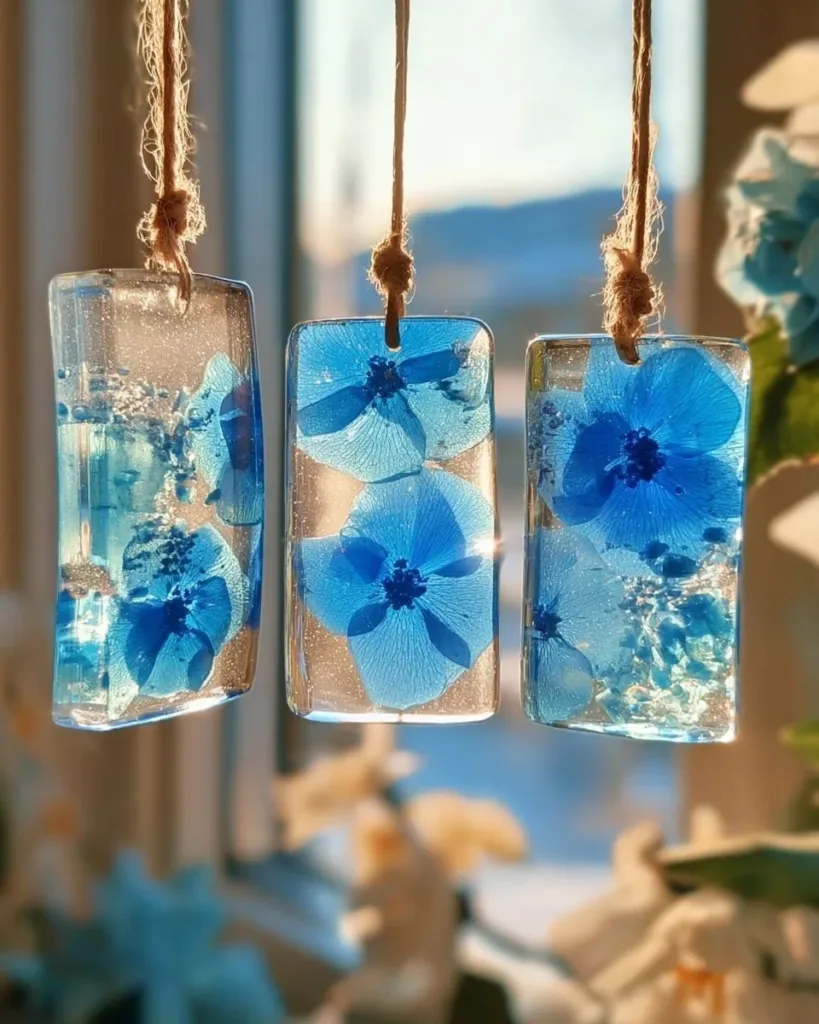
A busy afternoon looms, the kids call out for something to do right now, and the kitchen counter still holds a few half-finished snacks. That is exactly the moment DIY Blue Crayon Suncatchers shine. This project comes together fast, uses crayons you already have, and turns a handful of simple actions into bright, translucent shapes that catch the light. If you want a calm, doable craft that gives kids a little hands-on science and a proud hanging piece at the end, these blue crayon suncatchers fit the bill. For a slightly different crayon suncatcher idea using similar steps and supplies, see our longer guide to enchanted crayon suncatchers, which pairs well if you make several colors on a slow afternoon.
Why You’ll Love Making DIY Blue Crayon Suncatchers
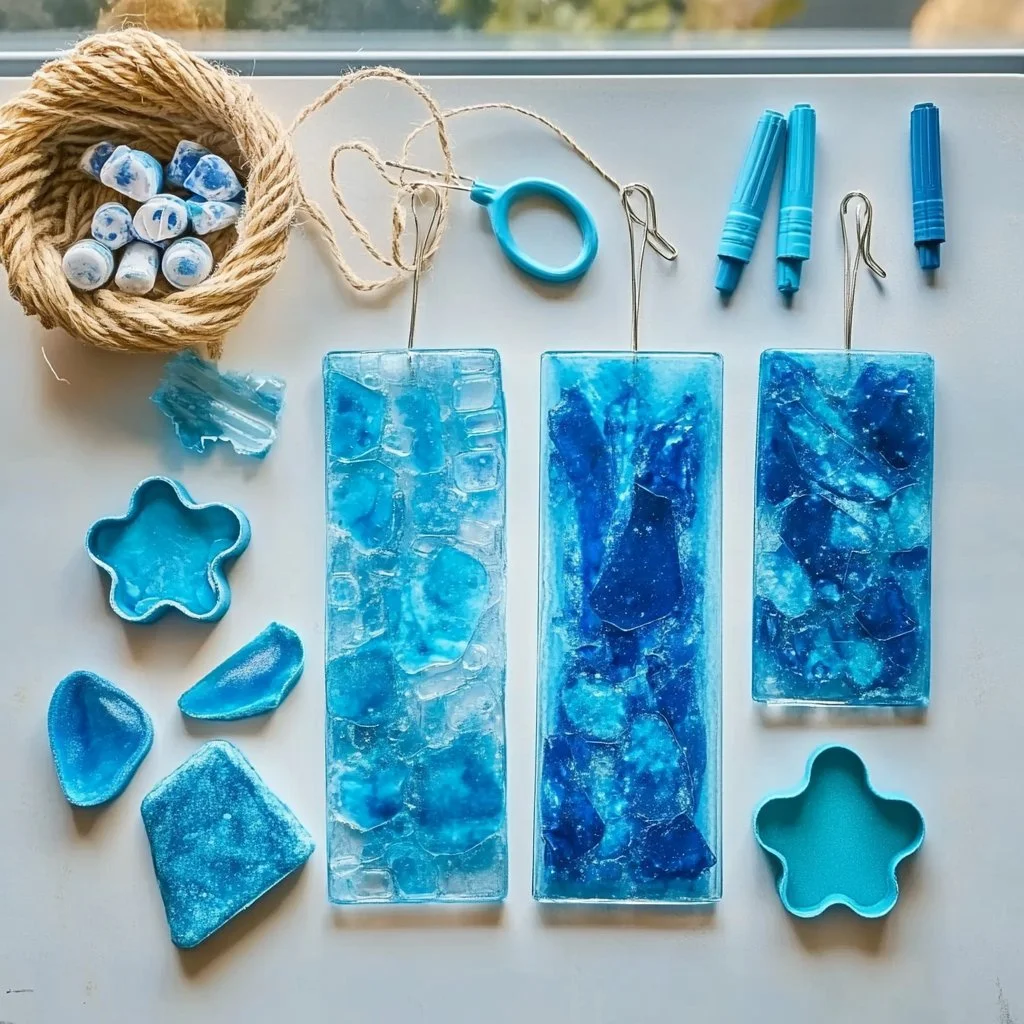
This project feels low-prep because the main supplies live in most homes: crayons, a mold, and an oven. You do not need special dyes or chemicals. You peel the wrappers, shave or chop a few crayons, and arrange the bits in a mold. That simplicity saves time and lowers the barrier to getting started.
This activity stays approachable for mixed ages. Little hands can help peel wrappers and place shavings, while older kids or adults manage the oven step. The steps work in a short window. From setup to finished cooling, you will spend most of the time waiting for wax to melt and then cool. That makes the project easy to fit into nap time, after school, or a quiet evening.
This method gives reliable results because wax melts predictably at low oven temperatures. The melted wax spreads to fill small gaps and settles clear and glossy when cooled. The process feels forgiving. If a spot looks unmelted, a quick nudge with a skewer smooths it out. If edges get a bit rough, a small trim cleans the look. Those little fixes keep frustration low and results pleasing.
The project works for real-life schedules. You can prep everything in 10 minutes, pop the tray into the oven for about 10 minutes or less, and then let the pieces cool while you tidy up or make snacks. The overall time still feels short, and you end with a keepsake the kids can hang in a sunny window.
A Quick Look Before You Begin
Plan on about 20 to 45 minutes total, most of which is waiting while wax melts or cools. Setup only needs a heatproof towel, a parchment sheet or silicone mat, and a tray for the oven. Expect a small mess of crayon shavings on the counter. It dusts up easily and brushes into a bin or wipes away with a damp cloth.
The adult needs to handle the oven step. Kids can do the wrapper peeling, shaving, and arranging, but keep them back from the hot tray. If you want a quieter version, prepare the shavings ahead and let kids arrange and hold the finished pieces once cooled.
This project sits between craft and kitchen science. You see color blend, wax change texture, and heat transform a solid into a smooth, shiny shape. For other hands-on kitchen science activities that work well as back-to-back projects, try a quick reaction experiment like our DIY salt volcano science experiment for a short, dramatic follow-up after clean up.
Materials You’ll Need
Crayons in shades of blue, peeled and chopped or shaved.
common household item
A silicone mold or an oven-safe shallow tray.
easy substitute: a flat metal baking tray lined with parchment
Parchment paper or a silicone mat (optional).
optional, keeps cleanup easy
A sharp knife, peeler, or grater for creating shavings.
kid-safe option: use a crayon crayon peeler while an adult handles the knife
An oven, toaster oven, or heat source with a reliable low temperature.
adult-only step
A small metal spoon or wooden craft stick for arranging wax.
budget-friendly and multipurpose
A toothpick or skewer for nudging small bits and releasing air bubbles.
common household item
Thin string, ribbon, or fishing line for hanging (optional).
optional, for display
A hole punch tool or a metal skewer for making hanging holes once set (optional).
optional, adult use for neat holes
A towel and a heatproof surface for cooling.
essential safety step
If you want more ideas for keeping craft time tidy and playful, our mess-free play dough idea shares similar tips on quick cleanup and sensory play.
Step-by-Step Directions
- Preheat your oven or toaster oven to a low setting (around 200-225°F).
Keep an eye on the dial and let the oven reach temperature before you put in the tray.
Low heat prevents charring and keeps the wax clear rather than cloudy. - Prepare your workspace with a heatproof towel and lay down parchment or a silicone mat.
Place the silicone mold or tray on the mat so spills stay contained.
Have a damp cloth nearby for small shavings and quick cleanup. - Peel crayon wrappers and shave or chop crayons into small pieces.
Work over a bowl to catch shavings and scraps.
Smaller pieces melt more evenly and reduce the chance of unmelted pockets. - Arrange blue shavings in the mold in a single layer, leaving tiny gaps.
Place bits loosely so the melted wax can flow between them.
A single layer keeps the shape translucent and lets light pass through nicely. - Add a second layer if desired.
A second layer deepens color but keeps translucency if you keep pieces small.
Avoid packing the mold too tight or the wax will stay chunky rather than smooth. - Place the mold on a tray and slide it into the oven, checking every 3-5 minutes.
Watch for the wax to soften and the surface to look glossy.
A tray keeps the melt contained and makes moving the mold safer. - Use a spoon or skewer to nudge unmelted bits for even spread.
Work quickly but carefully; the wax moves fast once soft.
A toothpick helps dislodge air pockets and produces a smooth finish. - Remove the mold when the wax looks smooth and shiny.
Use oven mitts and set the tray on your heatproof towel.
If you still see small lumps, gently tap the mold on the towel to level the wax. - Let the wax cool fully until solid.
Cooling on a flat surface prevents warping.
It may take 20 to 40 minutes depending on thickness; do not rush with the freezer. - Trim rough edges and attach string or ribbon for hanging.
Use scissors or a small craft knife to neaten edges once fully cooled.
Make a hole with a skewer or punch, thread your string, and hang in a sunny window.
What Kids Practice While Making This

This craft supports fine motor skills. Peeling wrappers, shaving crayons, and placing tiny bits in the mold ask kids to use gentle finger control. That practice translates to better scissor use and neater coloring.
This activity teaches cause and effect. Kids see that heat changes wax from hard to soft and then to a shiny solid again. They learn that smaller pieces melt faster and that leaving tiny gaps lets melted wax spread.
This project builds simple planning skills. Kids pick colors, choose how many layers they want, and decide where to place shavings. Those choices feel creative and concrete. The immediate visual feedback color blending, gloss, and smoothness reassures them that their choices made a difference.
This work also encourages patience. The longest part is cooling, and waiting teaches kids to plan a little ahead and sit with a slow result. You can use that time to talk about what else to make, how the window light changes the suncatcher, or which colors blend best.
Troubleshooting Common Issues
If the wax looks cloudy after cooling, it probably got too hot. This happens when the oven runs higher than 225°F. Fix it next time by lowering the temperature and checking earlier. The next batch will look clearer.
If you find unmelted bits or small bumps, you likely packed the mold too tightly or used large chunks. Pop the mold back in the oven briefly and nudge the pieces with a toothpick. The bits will flatten and the surface will smooth.
If the piece sticks to the mold, let it cool completely before removing it. Try flexing the silicone gently to release the edges. For stubborn spots, warm the back briefly with your hands or touch a warm cloth to the bottom to loosen it just enough to pop free.
If edges look rough or uneven, trim after full cooling. A small craft knife or clean scissors work well. If you want a softer edge next time, pour slightly less wax and keep the shavings away from the mold rim.
If a hanging hole cracks when you make it, you made the hole too close to the edge or the piece was too thin. Choose a slightly thicker area or punch the hole earlier while the wax is just warm but not hot. Always let it cool fully before hanging to avoid tears.
Easy Variations to Try
Make layered blues. Add light blues first, then darker shades for a gradient that mimics ocean or sky. Keep layers thin so light can still pass through.
Try mixing textures. Use a mix of shaved crayon and a few small chunk bits for a marbled look. Heat carefully and use your skewer to swirl gently once the wax softens.
Use different mold shapes for themes. Hearts for a gift, raindrops for a themed window display, or circles for a simple modern look. If you plan a seasonal mix, keep the main process identical for reliability.
Add small translucent bits like thin plastic confetti made for crafts if you have them. Only use items that do not melt at the wax temperature. Place them flat so they sit inside the wax without creating big air pockets.
Turn suncatchers into gift tags. Make a small, thin shape, trim neatly, and punch a hole before wrapping a present. These little keepsakes make simple gifts feel thoughtful.
Treat these variations as friendly experiments. They do not need to be perfect to look charming, and small surprises often make the pieces more interesting.
Storing or Reusing This Project
Store finished suncatchers somewhere cool and flat until you hang them. Heat softens wax, so avoid windows that get direct hot sun in summer when storing stacked pieces. Wrap in tissue paper if you keep several together to prevent scratches.
Reuse leftover crayon bits by saving them in a small jar. Reuse that jar for next time. If you collect mixed colors, you can remelt them into a new batch for a more mottled look.
Clean up wax drips by letting them harden and then scraping gently with a plastic scraper. Warm, soapy water removes residue from tools and trays. For stubborn wax on metal trays, place the tray in the freezer for a short time and then pop the wax off.
If a suncatcher chips, you can glue small pieces back with a very small spot of clear craft glue. That fix keeps the piece usable and lets kids take pride in repairing their work.
Reduce waste by working over a tray and using scrap paper to catch shavings. Small habits like this make the craft easier to repeat and more family-friendly.
FAQs About DIY Blue Crayon Suncatchers
Will this craft make a big mess?
I worry about shavings and melted wax. Small messy moments happen, but they stay small. Work over a sheet of paper or a tray and the shavings collect neatly. Wipe counters with a damp cloth after the project. Melted wax stays on the silicone mold or parchment, so cleanup mainly means washing a few tools in warm, soapy water. It takes a gentle effort, not a full deep clean.
Is this safe for my preschooler?
Yes, with supervision. Let younger kids do peeling and placing while an adult handles the oven. Keep hands away from hot trays and tools. Use kid-safe peelers or developmentally appropriate tasks to involve little ones without exposing them to heat.
Can I use other colors or crayons?
You can, but results change. Blue shades give a cool, translucent look that behaves predictably. Mixing in darker or very bright pigments may reduce translucency. If you want a multi-color result, try one small test piece first to see how the colors blend.
What if my suncatcher cracks when I make a hole to hang it?
That can happen if you punch too close to a thin edge or use force. Make the hole where the wax is a little thicker, or use a skewer to warm and push a small hole gently while the piece is slightly warm, not hot. Wait until it cools fully before hanging to avoid breaking.
How long will these last in a sunny window?
They look great for many seasons but avoid very hot windows that bake the wax in strong summer heat. If the piece softens, take it down and store it flat in a cool place. Small scratches or clouding do not ruin the look; they add character and a story.
A Final Helpful Note
You do not need perfect tools or perfect timing to make something you love. The simple routine of peeling, arranging, melting, and cooling gives a calm rhythm to the afternoon. Keep the setup small, involve the kids in safe steps, and treat any hiccups as part of the making story. The best results often come from small experiments and a relaxed pace. Trust the process, and enjoy the little proud faces when suncatchers go up in the window.
Conclusion
If you want another raindrop-shaped idea to compare techniques or to web-pilot a different shape, the Raindrop Sun Catchers | Family Art Night | OMAM tutorial gives a lovely complementary approach. For a step-by-step craft that pairs crayons and simple shapes in a classroom-friendly format, see the Raindrop Suncatcher – Crafts – Crayola page for more inspiration.
PrintDIY Blue Crayon Suncatchers

Create beautiful and translucent blue crayon suncatchers that catch the light and brighten your windows using easy, kid-friendly steps.
- Prep Time: 10 minutes
- Cook Time: 10 minutes
- Total Time: 45 minutes
- Yield: Several suncatchers
- Category: Craft
- Method: Baking
- Cuisine: N/A
- Diet: N/A
Ingredients
- Blue crayons (peeled and chopped or shaved)
- A silicone mold or oven-safe tray
- Parchment paper or silicone mat (optional)
- A sharp knife, peeler, or grater for shaving crayons
- An oven or toaster oven (for melting)
- A small metal spoon or wooden stick for arranging wax
- A toothpick or skewer for nudging bits
- Thin string, ribbon, or fishing line for hanging (optional)
- A hole punch or metal skewer for making hanging holes (optional)
- A towel and heatproof surface for cooling
Instructions
- Preheat your oven or toaster oven to a low setting (around 200-225°F).
- Prepare your workspace with a heatproof towel and lay down parchment or a silicone mat.
- Peel crayon wrappers and shave or chop crayons into small pieces.
- Arrange blue shavings in the mold in a single layer, leaving tiny gaps between them.
- Add a second layer of shavings if desired.
- Place the mold on a tray and slide it into the oven, checking every 3-5 minutes.
- Use a spoon or skewer to nudge unmelted bits for an even spread.
- Remove the mold when the wax looks smooth and shiny.
- Let the wax cool fully until solid.
- Trim rough edges and attach string or ribbon for hanging.
Notes
This craft supports fine motor skills and teaches kids about cause and effect. Supervise kids closely during the oven step.
Nutrition
- Serving Size: 1 suncatcher
- Calories: 0
- Sugar: 0g
- Sodium: 0mg
- Fat: 0g
- Saturated Fat: 0g
- Unsaturated Fat: 0g
- Trans Fat: 0g
- Carbohydrates: 0g
- Fiber: 0g
- Protein: 0g
- Cholesterol: 0mg