

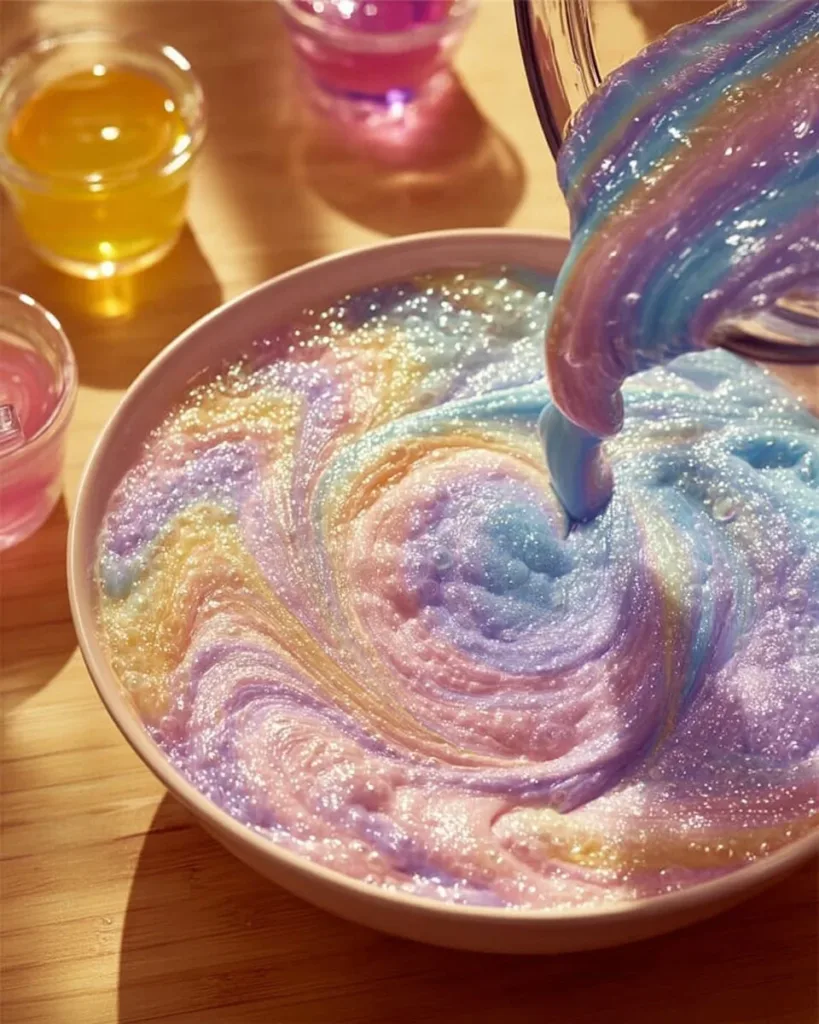
A busy afternoon, a sink full of dishes, and two kids at the table asking for something to make now. That was my last-minute moment when I pulled out simple pantry staples and mixed up Cornstarch and Dish Soap Bubble Dough. It took under five minutes to combine 1 cup cornstarch and 1/2 cup dish soap, and suddenly we had a soft, moldable dough that kept hands busy while dinner finished cooking. Little hands pressed shapes, teens poked and rolled, and everyone loved the light, slightly soapy texture. If you want more quick kitchen science for a spare half hour, try our baking soda and vinegar fireworks activity next time; it uses the same simple, cheerful approach to learning at home.
Why You’ll Love Making Cornstarch and Dish Soap Bubble Dough
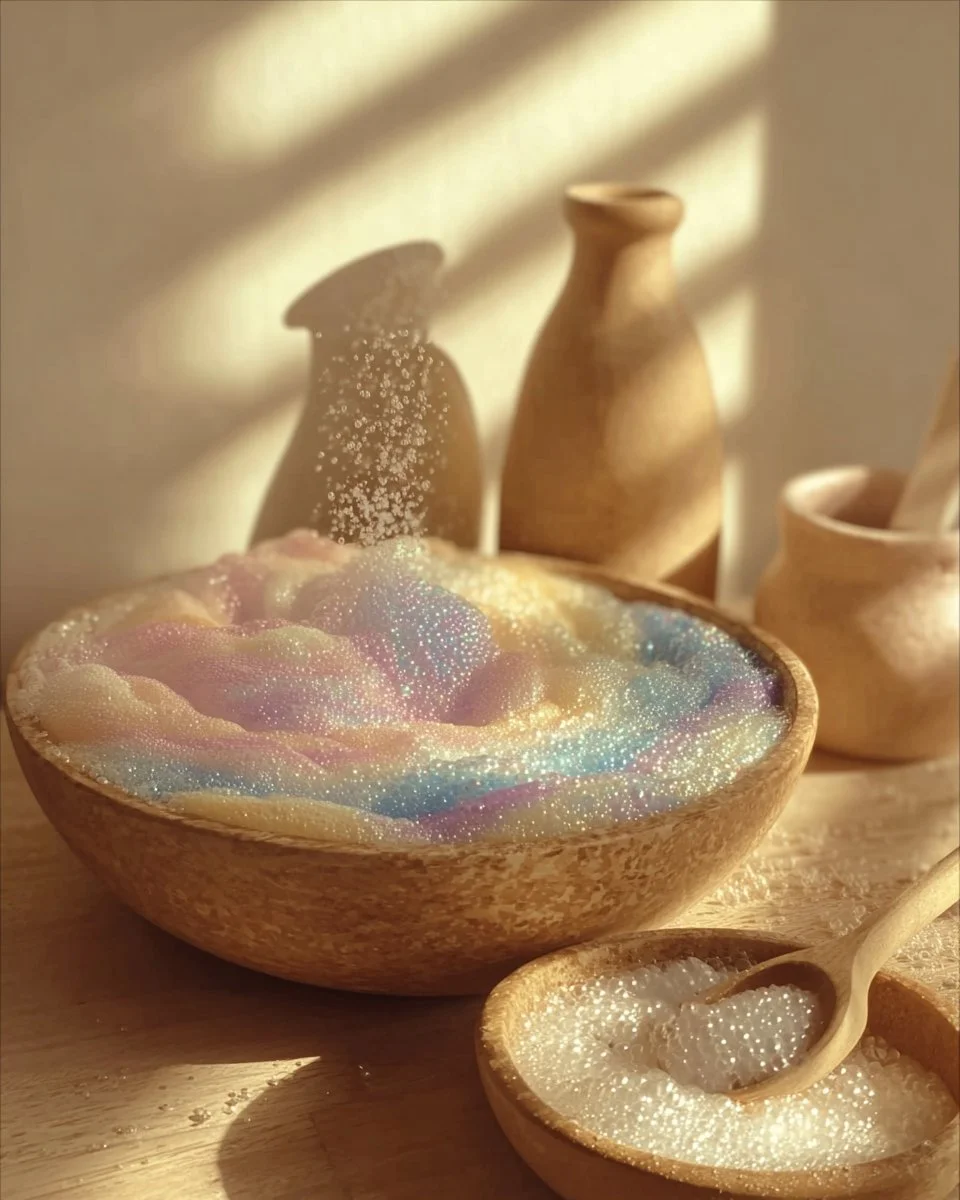
This project wins for how little it asks for and how much it gives back. You need one common pantry item and one common cleaning item. That means no last-minute trips to the store, no measuring fuss, and a ready activity you can start between appointments.
The prep takes about five minutes. The mess stays small if you plan a protected surface. Kids can handle most steps with a little supervision. It fits easily into nap time, a rainy afternoon, or a short break from screen time.
It also feels forgiving. If the dough starts sticky, add a pinch more cornstarch and knead it in. If it feels dry, press a few more drops of dish soap into the mix and knead until it comes together. The results are consistent: a soft, slightly elastic dough that molds well and invites sensory play.
A Quick Look Before You Begin
This is a low-commitment activity. Count on about five minutes to mix and five to twenty minutes of active play, depending on attention spans.
Set up on a kitchen counter, at a small table, or inside a shallow bin to contain any stray crumbs. Use a bowl that you do not mind getting a bit soapy. Keep a damp cloth nearby for quick cleanup.
Adult supervision only needs to be nearby. Kids can mix and squish under light guidance. You may want to show younger children how to handle the dough gently so it does not end up under nails or on clothes.
Materials You’ll Need
What You’ll Use for This DIY
Simple Supplies From Home
1 cup cornstarch
common household item
easy pantry staple, inexpensive
1/2 cup dish soap
common household item
pick a gentle dish soap; any brand works
Step-by-Step Directions
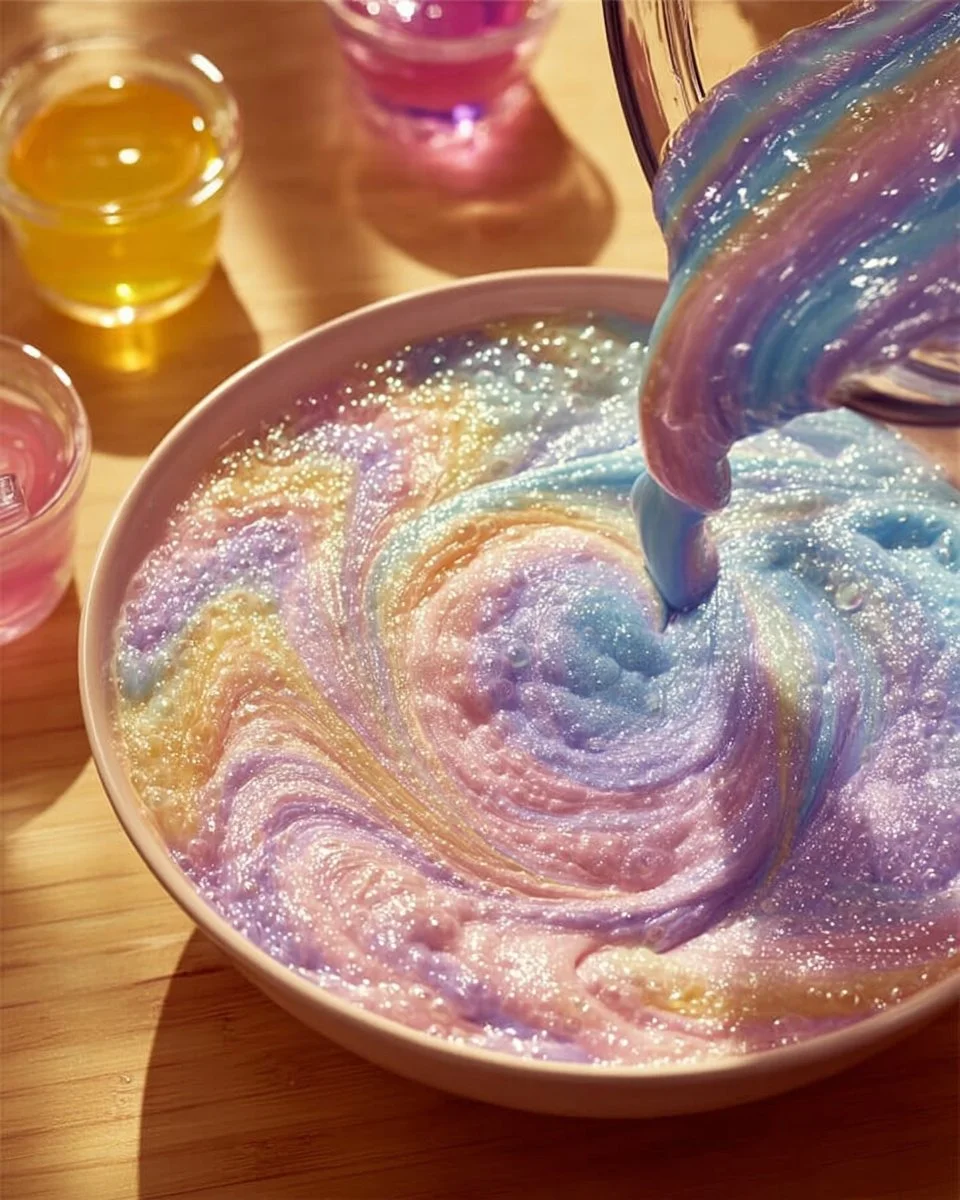
- In a bowl, mix together the cornstarch and dish soap until a soft dough forms.
Press the cornstarch into the dish soap and start folding with your fingers or a spoon.
Mix until you see a soft, pliable mass gather in the center of the bowl. - If the dough is too sticky, add more cornstarch a little at a time.
Sprinkle a spoonful of cornstarch, knead briefly, and check the feel.
Stop adding when the dough holds together without sticking to fingers. - Once you achieve a dough consistency, you can mold it into shapes and enjoy sensory play.
Press it into cookie cutters, roll it between your palms, or make small animals.
When play time ends, store or discard based on the section below.
The Simple Science or Skills at Work
This dough teaches hands-on cause and effect while being fun. Cornstarch adds bulk and a powdery texture that absorbs and holds the liquid from the dish soap. The soap provides stretch and a slippery feel that makes the dough soft and moldable.
Kids practice fine motor skills, like pinching, rolling, and pressing. These actions strengthen small hand muscles that help with writing and buttoning clothes later.
The activity also shows simple measurement and prediction. Kids learn that a little extra cornstarch changes texture, and they feel the difference when they test the dough. That tactile feedback is an early scientific step: make a small change, observe what happens, and try again.
Troubleshooting Common Issues
If the dough looks crumbly or falls apart, it needs more soap. Add a tiny bit of dish soap, press it in, and knead until the bits come together.
If the dough sticks to everything, it needs more cornstarch. Add a small sprinkle, work it in, and check again. Avoid big scoops at once. Small additions let you control the feel without over-drying.
If the dough feels slimy or too soapy, it can be rinsed briefly under cool running water and patted with a towel, then reworked with a little cornstarch. This rarely happens if you measure the 1/2 cup closely, but soap brands vary, so trust your hands.
If the color or smell bothers you, switch brands next time. Scented dish soaps will carry fragrance into the dough. A gentle, unscented soap gives a calmer sensory experience.
Easy Variations to Try
Color play: Add a drop or two of food coloring if you want colored dough. Mix it into the soap before adding cornstarch so the color spreads evenly. Use gloves or a well-washed bowl to avoid staining hands or counters.
Tool time: Offer household tools like plastic cups, cookie cutters, or small rolling pins. These simple items expand the possibilities without changing the recipe.
Texture mix: Press small items like rice or dry pasta into cooled dough pieces for extra tactile interest. These make interesting patterns and are easy to remove.
Seasonal themes: Shape the dough into leaves, eggs, or snowballs to match seasons. If you like winter sensory play, the feel is similar to our how to make frozen bubbles activity in the way it invites careful touch and observation.
Storing or Reusing This Project
Short term: Store the dough in a sealed plastic bag or airtight container. Press out excess air and keep it in the fridge if you plan to reuse it within a week. Cooling slows any tiny changes from moisture and keeps the texture steady.
Long term: This dough does not last forever. Toss it if it develops an off smell, odd color, or mold. It is usually best used fresh or within a few days.
Cleanup: Wipe surfaces with a damp cloth. Small bits of dough can be collected and thrown away with the trash. If any residue stays on bowls, a quick wash with warm water and soap removes it easily.
Reuse idea: Press small shapes and let them dry on a nonstick surface for a day or two. The dried pieces make simple decorations for crafts that last a short time. If you like a similar moldable texture you can keep experimenting with our snow dough recipe for longer lasting play textures.
FAQs About Cornstarch and Dish Soap Bubble Dough
Can young children play with this dough safely?
Yes, with supervision. It uses food-safe cornstarch and common dish soap. Still, watch for mouthing in toddlers. If a child puts the dough in their mouth, remove it and rinse their mouth. Keep the activity at a table and remind children that this is for hands and not for eating. I have used this with preschoolers under close watch and it worked well when we made clear rules up front.
How messy will this get and how do I reduce cleanup?
The mess is low compared with paint or glitter. The biggest issue is sticky dough on surfaces or clothes. Lay down a placemat or use a shallow bin. Keep a damp cloth at hand to wipe hands between changes. I once had a spill where dough met a sleeve; it scraped off with a spoon and a quick wash in warm water sorted it out. Expect a little wiping, but nothing extreme.
Can I substitute anything if I run out of cornstarch or soap?
I stick with the exact list: 1 cup cornstarch and 1/2 cup dish soap. Other powders do not behave the same way. If you do not have cornstarch, try an alternative activity instead. I prefer honest guidance over guessing substitutions because small changes often change the feel completely.
How long will the dough last once made?
Use it fresh for the best texture. Stored in an airtight container in the fridge, it will usually stay usable for a few days. If it smells or shows spots, throw it away. I aim for short sessions and make new batches rather than pushing reuse too far.
What if the dough turns out too sticky or too dry on the first try?
This is normal and easy to fix. If it is sticky, sprinkle in cornstarch a little at a time and knead. If it is dry or crumbly, add a drop of dish soap and work it in. You will quickly learn how your brand of soap and the humidity where you live affect the feel. A small tweak usually fixes things.
A Final Helpful Note
This recipe works best when you relax and let the kids take small hands-on risks. Keep a clear surface, a small towel, and an open mind. Expect some experimentation. The first few tries may need minor adjustments, and that is part of the learning.
If a batch does not feel right, remember you can adjust by touch. The goal is satisfying play, not perfection. Celebrate the shapes your kids make and the conversations that come up during play. That is the real win.
Conclusion
This Cornstarch and Dish Soap Bubble Dough is a fast, friendly way to bring hands-on play into a busy day. For another take on bubble dough from a long-running family blog, see Shannon’s Tot School bubble dough, and for a thoughtful creative approach with variations, read the piece at Gift of Curiosity on bubble dough.
PrintCornstarch and Dish Soap Bubble Dough

An easy, quick DIY dough made with just cornstarch and dish soap, perfect for sensory play.
- Prep Time: 5 minutes
- Cook Time: 0 minutes
- Total Time: 5 minutes
- Yield: 4 servings 1x
- Category: Activity
- Method: Mixing
- Cuisine: N/A
- Diet: N/A
Ingredients
- 1 cup cornstarch
- 1/2 cup dish soap
Instructions
- In a bowl, mix together the cornstarch and dish soap until a soft dough forms.
- If the dough is too sticky, add more cornstarch a little at a time until it holds together without sticking to your fingers.
- Once the dough reaches the desired consistency, mold it into shapes and enjoy sensory play.
Notes
Use a protected surface for play. Supervise children while they play with the dough.
Nutrition
- Serving Size: 1 serving
- Calories: 50
- Sugar: 0g
- Sodium: 0mg
- Fat: 0g
- Saturated Fat: 0g
- Unsaturated Fat: 0g
- Trans Fat: 0g
- Carbohydrates: 12g
- Fiber: 0g
- Protein: 1g
- Cholesterol: 0mg