

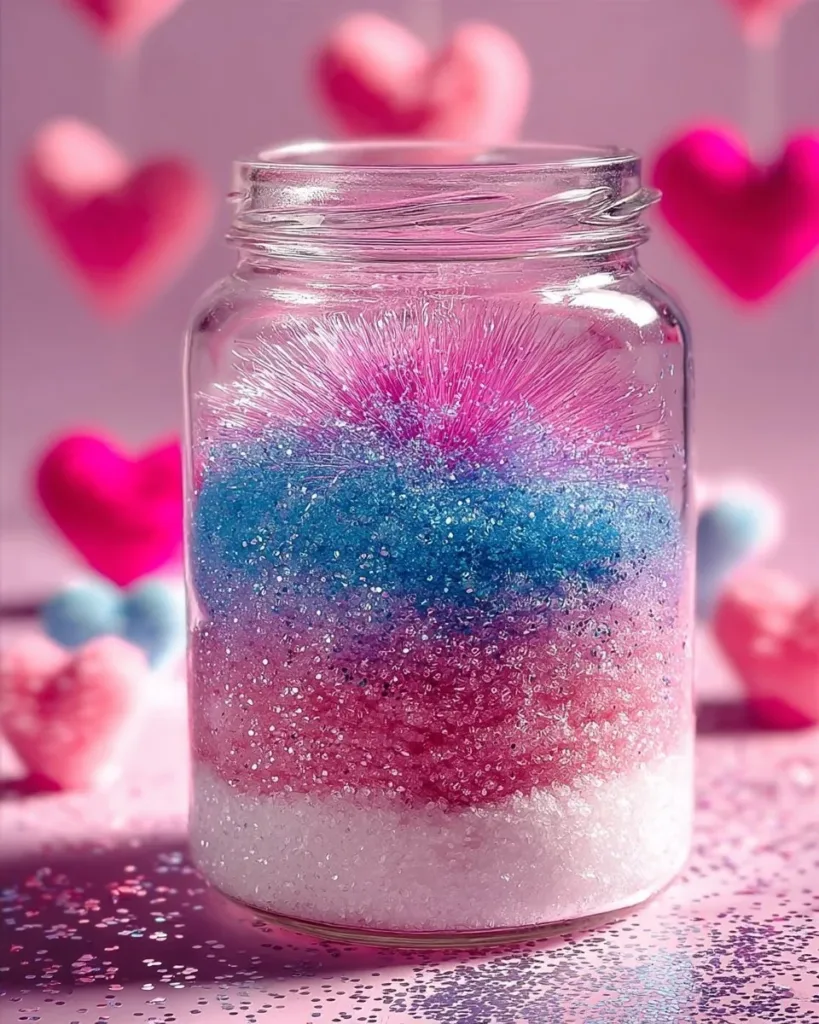
A rainy afternoon, a quick search for something the kids can do right now, and a kitchen table cleared in five minutes. You set a tray down, pull out baking soda and vinegar, and in less than ten minutes you have a Colorful Baking Soda and Vinegar Reaction that lights up faces and fills the room with fizz. It works as a last-minute activity when the kids want to make something now, and it teaches a little science without the fuss. If you like fizzing experiments, try our baking soda fireworks for another bright, low-prep idea that uses the same basics.
Why This Colorful Baking Soda and Vinegar Reaction Works So Well
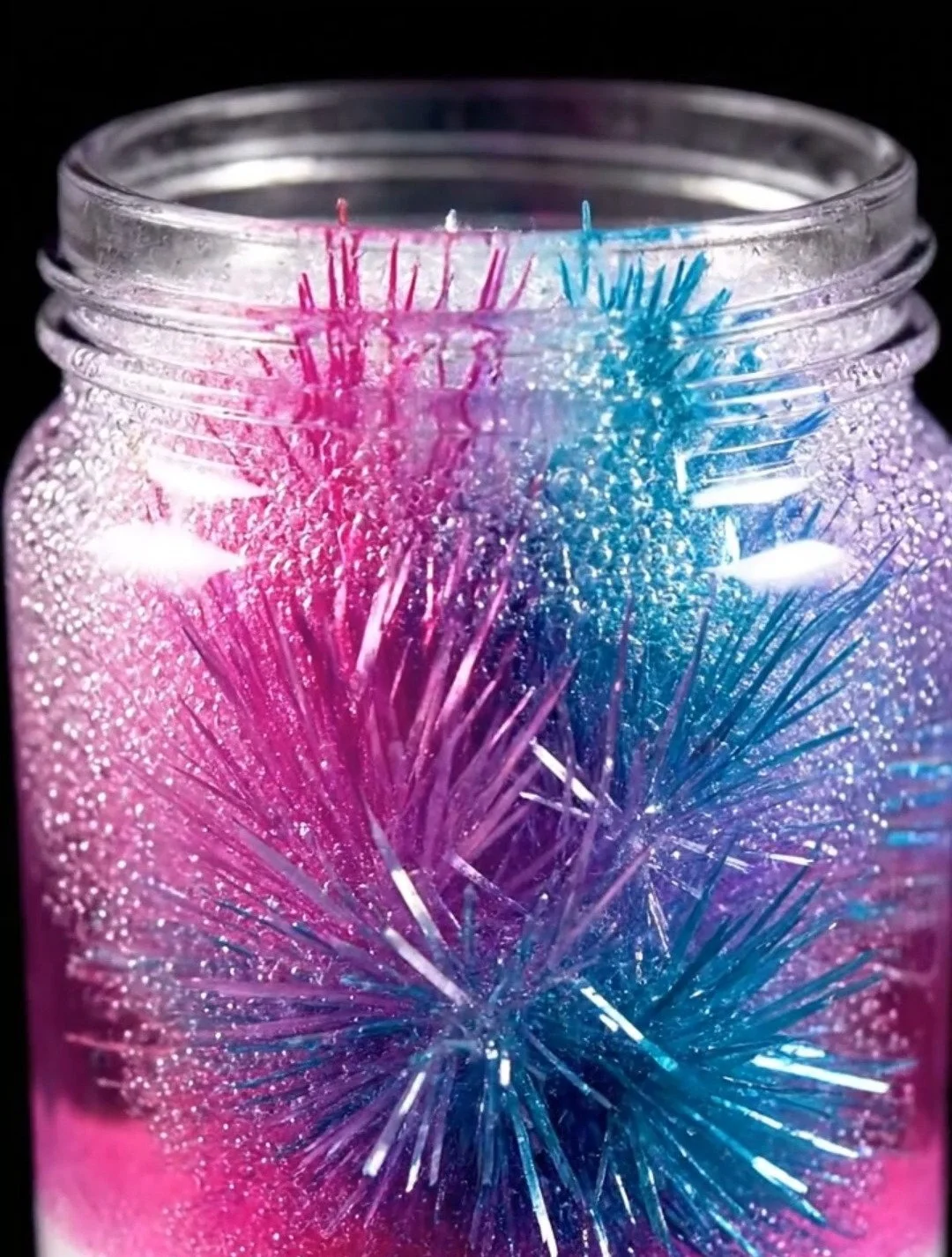
This activity wins because it stays simple and gives fast payoff. You use things that live in most kitchens. The setup takes minutes. The results come in seconds. That makes it perfect for busy afternoons or when patience runs low.
Parents like it because it feels controlled. A tray keeps the mess in one place. Small cups and droppers let kids experiment without dumping everything. The materials do not require special handling, and cleanup is straightforward.
It also rewards curiosity. Each drop makes a visible change. The colors blend in surprising ways. The fizz acts like a tiny, repeatable surprise that kids can predict and then test. That combination of quick success and safe science keeps kids engaged without needing a long stretch of adult time.
A Quick Look Before You Begin
This project fits into about 20 to 30 minutes from start to tidy. Most of that time is watching and experimenting. Setup is five to ten minutes. Cleanup is another five to ten minutes, depending on how much the kids explore.
Expect a low to medium mess level. The tray captures most splashes. Colored vinegar stains some surfaces if left, so work on washable surfaces or outside if you want to be extra cautious. Adults should stay nearby for little hands and for filling droppers safely.
You do not need perfect tools. Squeeze bottles make controlled streams, but droppers or even teaspoons work. If a child wants to pour, plan for a little extra cleanup. The activity scales easily: one child, two children, or a classroom of curious kids.
Materials You’ll Need
Baking soda
common household item
White vinegar
common household item
Food coloring or liquid watercolors
easy substitute: either works
Small containers or bowls
budget-friendly
Squeeze bottles or droppers (optional)
optional; droppers work well for small kids
A tray or washable surface
keeps mess contained
Small spoons or measuring spoons
for scooping mounds
Paper towels or a damp cloth
for quick cleanup
Step-by-Step Directions
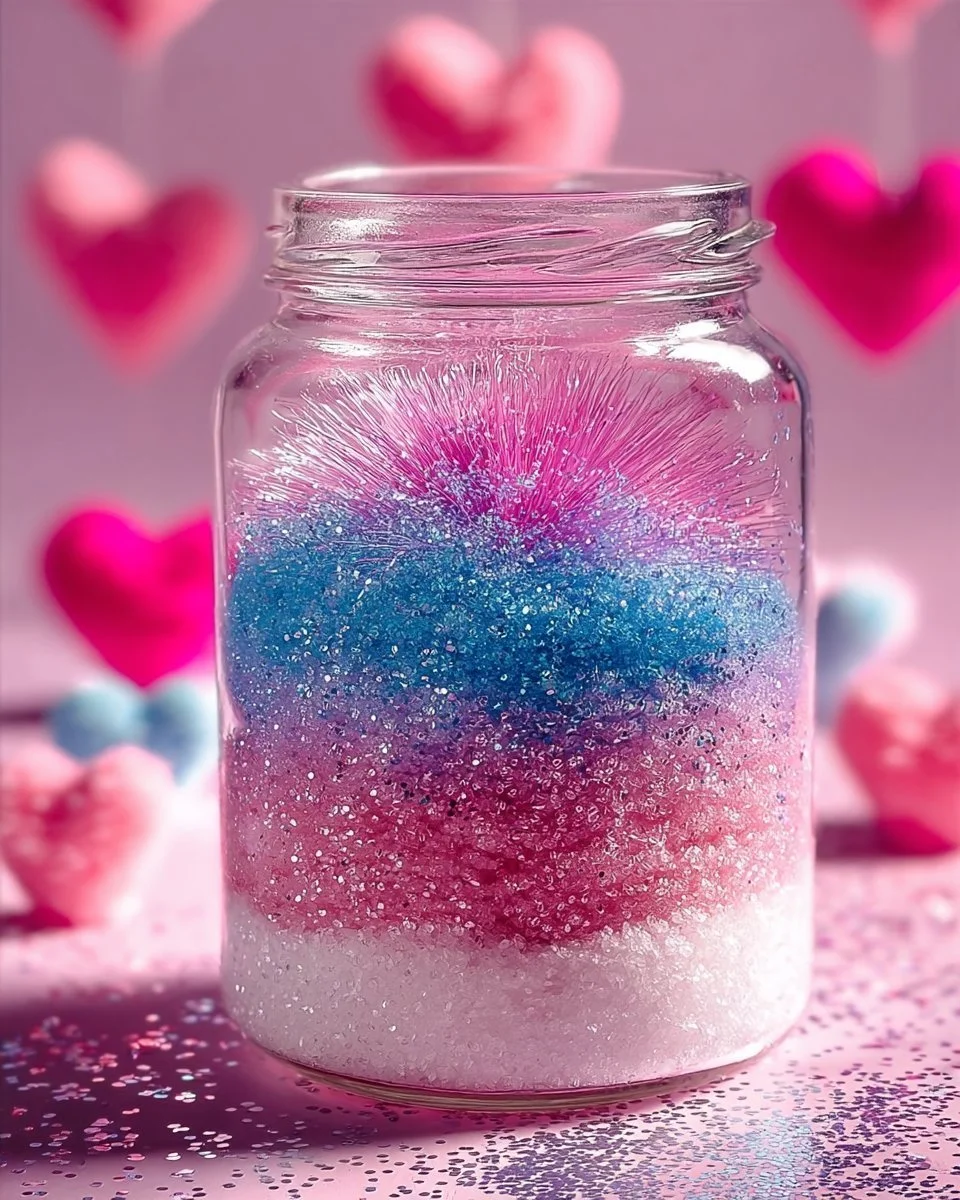
- Set your space: Place a tray on a stable table and arrange your bowls and tools within easy reach.
Keep the tray near a sink if you can. Place cups of colored vinegar at one end and a damp cloth nearby. - Make soft hills: Scoop baking soda into 6 to 8 small mounds across the tray.
Make them about the size of a walnut. They should be soft and not packed tight. - Color the vinegar: Pour vinegar into small cups and add a few drops of dye, stirring slowly.
Less dye keeps colors bright but not muddy. Stir until the color blends. - Load your droppers: Fill droppers or squeeze bottles with the colored vinegar.
If kids fill droppers, show them to squeeze gently. Keep the dropper tips close to the baking soda. - Start with a single drop: Bring the dropper tip close to a mound and let one drop fall, watching and listening to the reaction.
The drop will fizz and make foam that carries the color. Ask kids what they hear and see. - Explore pace and size: Try one slow drop, then a quick stream.
A slow drop creates a neat burst. A quick stream makes more foam and carries color further. - Layer colors slowly: Add a second color when the first foam softens.
Let the first foam calm before adding another color. Watch how the colors sit and mix on the surface. - Pause and observe: Run your finger through a cooled patch of mixture for texture.
The cooled area feels grainy and slightly damp. Encourage kids to describe the texture. - Tidy gently: Scoop larger clumps into compost or trash, wipe the tray and rinse cups.
Use a damp cloth to wipe remaining residue. If you used food coloring, rinse soon to avoid faint staining. - Reflect: Sit moment and notice how your hands feel and recall the sensory experience.
Ask: Which color fizzed most? Which mound surprised you? Take a breath and enjoy the small victory.
The Learning Behind This DIY
Kids practice a lot while they play with this fizzing experiment. They see cause and effect clearly. When acid in vinegar meets base in baking soda, bubbles form. Those bubbles lift the colored liquid and foam up. You do not need the chemistry words for a child to notice that a drop makes a steady change.
Fine motor skills improve when children squeeze droppers, scoop mounds, and aim drops. That small coordination also teaches patience. They learn to wait for the foam to settle if they want to add a second color.
This activity also supports observation skills. I ask kids to name the sounds, colors, and textures. They learn simple scientific habits: hypothesize, test, and notice results. You get the teaching moment without heavy talk or formal setup.
Troubleshooting Common Issues
If the foam barely appears, the vinegar might be too old or too diluted. Use a fresh bottle and try a slightly larger drop. If kids pack the baking soda hard, the reaction slows. Break the mound gently with a spoon to make it softer.
If colors look muddy, you used too much dye or layered too quickly. Let each color settle a bit before adding the next. Use fewer drops of food coloring for clearer tones.
If the tray fills with running colored liquid, your drops or streams were too large. Try smaller drops or work in shorter bursts. Squeeze bottles are great for streams, but practice on the edge of the tray first.
If stains appear on hands or surfaces, rinse them quickly. Food coloring rinses off most surfaces with soap and warm water. A damp cloth wiped promptly prevents long-term stains.
Easy Variations to Try
Try a monochrome gradient. Use three cups with the same color but different strengths of dye. Watch how the same hue looks different across the tray.
Use ice cube trays to freeze colored vinegar and drop a cube on the baking soda to watch a slow melt-and-fizz effect. This adds a gentle pace for younger kids.
Limit colors for a pattern challenge. Ask children to only use two colors and make a repeating pattern across the mounds.
Turn it into a counting game for preschoolers. Count mounds, drops, or colors as you go to combine learning with play.
For a calmer version, let kids brush diluted colored vinegar over the baking soda with a paintbrush to make softer foam that spreads slowly.
Storing or Reusing This Project
Keep leftover baking soda in a closed container for future activities. It stores well on a pantry shelf. White vinegar keeps indefinitely at room temperature, so you can use the same bottle again.
If you have small amounts of colored vinegar left, rinse and reuse the cups for another round or for a different experiment. Color will fade with exposure, so store leftover mixes in closed containers if you plan to reuse them within a day.
Compost any larger clumps of baking soda and organic matter when possible. If you used non-toxic food coloring, small amounts in compost usually do not cause issues, but check your compost rules.
For supplies you want to keep, rinse droppers and squeeze bottles right away. Let them air dry. Clean the tray with warm, soapy water and let it dry before the next use.
FAQs About Colorful Baking Soda and Vinegar Reaction
Will this stain my table or clothes?
It can stain porous surfaces if left. I accidentally left a drop of colored vinegar on an oak table once and had to wipe it twice. If you work on a washable surface and have a damp cloth nearby, the risk drops a lot. Kids wearing play clothes or aprons removes most worry.
What age is this okay for?
This works well for preschoolers with close supervision and for older kids who can handle droppers. I usually stay within arm’s reach until I know a child can squeeze gently and aim. The reactions are safe, but vinegar tastes sour and is not for drinking.
Can I use juice or something else instead of vinegar?
Vinegar gives a reliable fizz with baking soda. Other liquids do not react the same way. If you need a milder smell, use white vinegar in a well-ventilated space and do small amounts. I do not recommend replacing vinegar with other household liquids for the reaction.
How messy will cleanup be, really?
Expect a bit of rinsing and wiping but nothing dramatic. I sometimes let kids play longer and then the tray needs a quick soak. Paper towels pick up most spills. If you rinse cups and droppers right away, cleanup feels quick.
Can I save the colored foam or reuse it later?
The foam deflates and dries. It does not keep well, so plan to enjoy the fizz in the moment. You can save some colored vinegar for another short session the same day, but once the reaction happens, it ends.
A Final Helpful Note
This project is forgiving. If a child pours too much vinegar, the fizz will be big for a minute and then calm down. If colors mix into brown tones, point out the new shade and call it an experiment result. The goal is curiosity, not perfection.
Trust your setup. A tray, a rag, and the few supplies on hand will carry you through. Small adjustments make a big difference: softer mounds, smaller drops, and a steady pace create clearer colors and quieter moments. Enjoy the process and the small discoveries.
Conclusion
If you want a few extra ideas to build on today’s activity, the Baking Soda and Vinegar “Fizzing Colors” Experiment has great photos and simple spins that work well with preschoolers. For more ways to explore color and fizz together, check out Exploring Colors with Baking Soda and Vinegar – Buggy and Buddy which offers gentle variations and ideas you can try right away.
PrintColorful Baking Soda and Vinegar Reaction
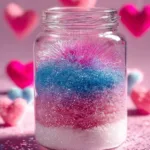
A fun and engaging science experiment with kids using baking soda and vinegar that creates colorful fizzing reactions.
- Prep Time: 10 minutes
- Cook Time: 20 minutes
- Total Time: 30 minutes
- Yield: Variable depending on the number of participants
- Category: Activity
- Method: Experiment
- Cuisine: N/A
- Diet: N/A
Ingredients
- Baking soda
- White vinegar
- Food coloring or liquid watercolors
- Small containers or bowls
- Squeeze bottles or droppers (optional)
- A tray or washable surface
- Small spoons or measuring spoons
- Paper towels or a damp cloth
Instructions
- Set your space: Place a tray on a stable table and arrange your bowls and tools within easy reach.
- Make soft hills: Scoop baking soda into 6 to 8 small mounds across the tray.
- Color the vinegar: Pour vinegar into small cups and add a few drops of dye, stirring slowly.
- Load your droppers: Fill droppers or squeeze bottles with the colored vinegar.
- Start with a single drop: Bring the dropper tip close to a mound and let one drop fall.
- Explore pace and size: Try one slow drop, then a quick stream.
- Layer colors slowly: Add a second color when the first foam softens.
- Pause and observe: Run your finger through a cooled patch of mixture for texture.
- Tidy gently: Scoop larger clumps into compost or trash.
- Reflect: Notice how your hands feel and recall the sensory experience.
Notes
This activity teaches kids about cause and effect and helps develop fine motor skills. It is best done with adult supervision.
Nutrition
- Serving Size: 1 experiment per child
- Calories: 0
- Sugar: 0g
- Sodium: 0mg
- Fat: 0g
- Saturated Fat: 0g
- Unsaturated Fat: 0g
- Trans Fat: 0g
- Carbohydrates: 0g
- Fiber: 0g
- Protein: 0g
- Cholesterol: 0mg