

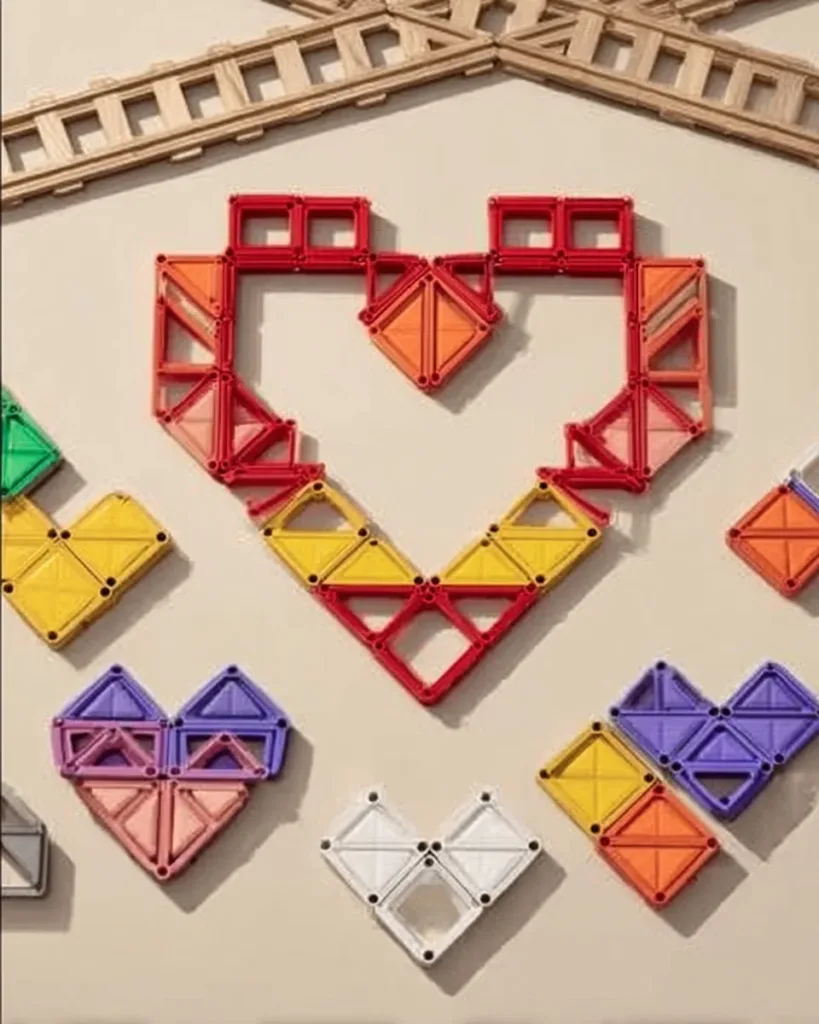
A busy afternoon, kids buzzing with energy, and you need a quick, hands-on activity that turns a little chaos into a proud moment. The Build a Heart STEM Challenge – Affordable Fun for Boys and Girls fits that moment perfectly. I set this up on a kitchen table with a paper towel for easy cleanup, and the kids jumped right in. They liked that the materials were simple and that they could test their designs quickly. If you want a short, satisfying project that teaches design thinking and gives a clear test at the end, this challenge works. If you need a crafty break after a messy science experiment, try pairing this with an earlier activity like our No Curl Swirled Heart Suncatchers for a creative afternoon that mixes art and engineering.
Why This Build a Heart STEM Challenge – Affordable Fun for Boys and Girls Works So Well
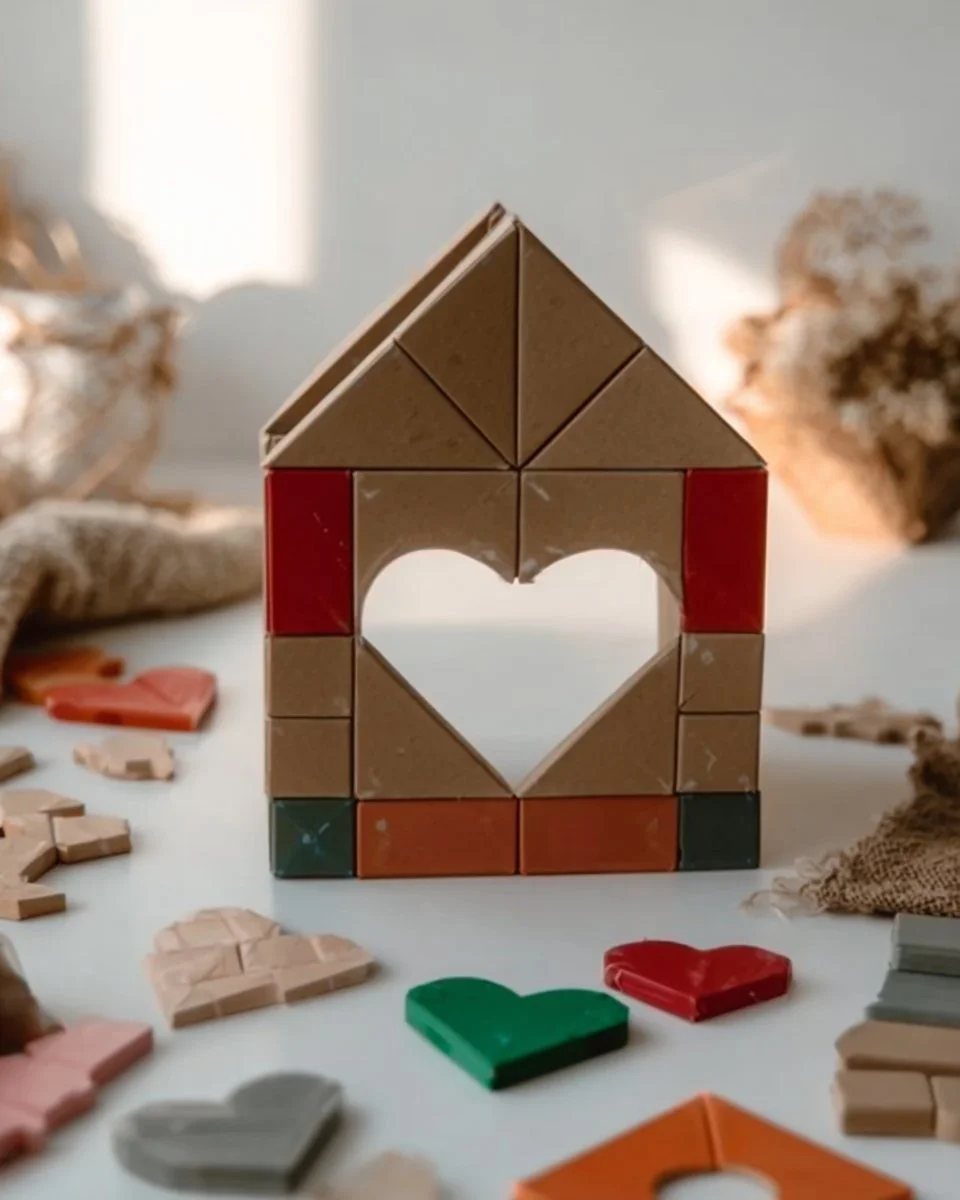
This activity takes very little prep. You can clear a small corner of the table, pull together a handful of everyday items, and be ready in minutes. The materials are familiar and budget friendly, so you do not need a special trip to the store to get started.
It is approachable for a wide age range. Younger kids can focus on shaping and decorating, while older kids can plan, measure, and test different structures. That makes it a calm fit for siblings who want to work together without needing constant adult help.
It gives reliable, quick feedback. You build a heart shape, then test it with small weights or candies. You see what holds and what bends. That immediate result helps kids learn by doing rather than by reading instructions.
It suits real-life schedules. You can run one round in 20 minutes or stretch it into an hour with redesigns. Cleanup stays light if you place a paper towel or tray under the work area. The project does not require long drying times or complicated steps, so you get a finished activity and a chance to celebrate success within the same sitting.
A Quick Look Before You Begin
Before you jump in, here is what to expect. Plan for 20 to 45 minutes depending on how many rounds you do. Set a work area you do not mind getting a little messy. Paper scraps and tape ends are normal and easy to sweep up.
This is low mess. Most pieces are dry and small. You may have a few scraps of paper, tape bits, or a sprinkle of pennies. Put a small bowl nearby for loose items to keep them from rolling away.
Adult help is optional. Younger children benefit from help cutting or folding. Older kids can run the whole thing on their own. You will likely enjoy watching the attempts and offering suggestions rather than constant instruction.
If you want a little science tie in before starting, try a short, fizzy warm-up experiment like the classic baking soda and vinegar reaction for a quick pre-challenge cheer. It only takes a few minutes and wakes everyone up for building. Here is a simple activity you can do right before building: Baking Soda and Vinegar Fireworks.
Materials You’ll Need
Cardstock or sturdy paper
common household item; makes a solid base for folding and cutting
Scissors
household scissors; adult supervision advised for younger kids
Tape
clear tape or masking tape; helps hold joins
Straws
paper or plastic straws; flexible connector material
Pipe cleaners
easy to bend; good for shaping and tying connections
Craft sticks or wooden skewers
optional; adds stiff supports
Paper clips
small metal clips; useful as connectors or hinge points
Penny or small weights
use real coins or small objects to test strength
Pencil and ruler
for marking and measuring
Markers or stickers
optional for decorating and rewards
String or yarn
optional; for hanging or testing tensile strength
STEP-BY-STEP DIRECTIONS
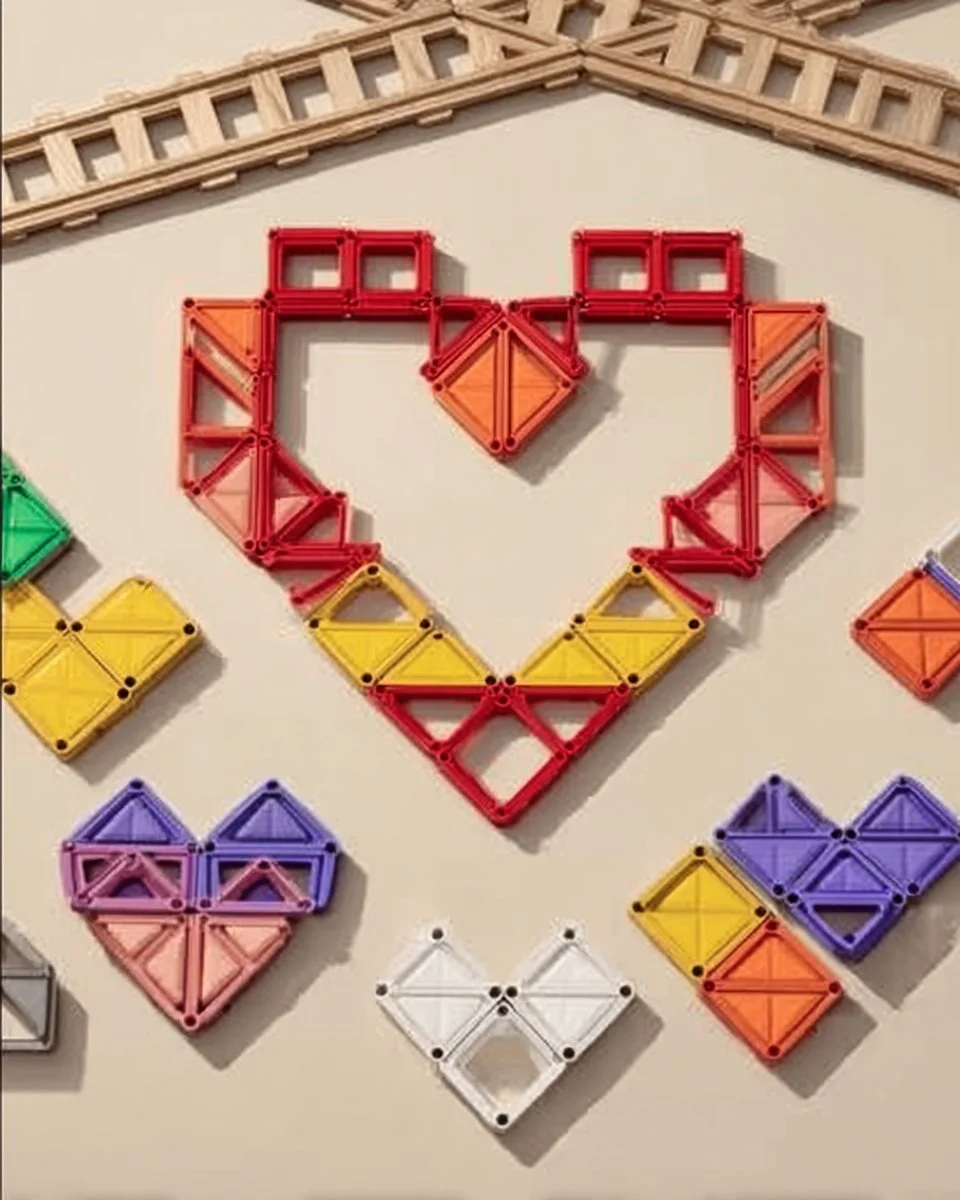
- Prepare your workspace and materials. Lay out a paper towel or placemat to catch scraps and gather all the items listed. Keep tape, scissors, and a small bowl for loose pieces within reach.
- Draw a heart outline on cardstock and cut it out. This becomes your initial challenge target and visual guide. Younger kids can trace a heart template while older kids measure proportions for a balanced shape.
- Decide what part of the heart will carry weight. Mark the top points, bottom point, and the center with a pencil. These marks guide where to place supports and connectors.
- Build a simple frame using straws and pipe cleaners. Thread pipe cleaners through the straws or wrap them around joints to form a heart-shaped frame. Leave small overlapping sections at joints for taping.
- Reinforce key points with tape or craft sticks. Add short pieces of tape at each joint or use a craft stick across the back to keep the shape from folding. Feel the joints; they should feel snug but not stiff.
- Test the heart with a penny. Start by resting a single penny at the center or on a flat part of the heart. Watch how the frame reacts. If it sags, add a small support beneath or a crosspiece across the sagging area.
- Add weight gradually until the heart bends or collapses. Keep count aloud to make the challenge playful. Note which parts fail first so you can redesign intentionally.
- Tweak the design and try again. Use what you learned from the test to change a joint, add tape, or swap straws for craft sticks. Encourage teamwork on redesigns and celebrate small wins.
- Decorate and reward success. Once the build holds a few pennies or candies, let the kids decorate with markers and stickers. Take a photo to capture the design and talk about what made it stronger.
- Wrap up and sort materials for reuse. Place reusable pieces like straws, pipe cleaners, and craft sticks into a labeled container for the next challenge.
What Kids Practice While Making This
This challenge teaches practical engineering ideas using simple language kids and parents both understand. Kids try different shapes and learn that triangles and cross braces often hold up better than flat shapes.
They practice fine motor skills while bending pipe cleaners, cutting cardstock, and taping joints. Those small actions help build hand strength and coordination.
Kids notice cause and effect. When a joint gets taped differently, it may hold more weight. When a piece is too long, the heart flops. Observing these changes encourages problem solving in a hands-on way.
The activity also supports planning and following a simple design loop. You build, test, observe, and change. That loop feels natural when you test with pennies and see immediate results.
If Something Doesn’t Go as Planned
If the heart sags right away, the joints are usually the issue. Loose tape or poorly wrapped pipe cleaners let the shape unfold. Tighten the joint by adding a small piece of tape or wrapping another pipe cleaner around the connection. You should feel a firmer join.
If the whole heart bends under a single penny, add internal supports. Short crosspieces or a craft stick glued along the back often helps. If you do not want glue, tape works fine to hold a small stick in place.
If materials slip or pieces slide, set the frame on a thin strip of double tape, or hold the base down with an extra penny while you attach supports. That keeps small parts from moving during adjustments.
If scissors are a bottleneck or cutting feels tricky, pre-cut a few shapes before kids arrive. That keeps the activity flowing and reduces frustration, especially with younger hands.
Easy Variations to Try
Add a patience-focused twist by setting a time limit for the first build and then giving 10 more minutes for a redesign. This encourages fast thinking followed by thoughtful improvement.
Try a decoration-based reward. Use small candies as both weight and prize. Each coin or candy the structure holds earns a sticker or a minute of chosen music. This combines engineering with playful incentive.
Scale the challenge for ages. For preschoolers, make large, easy-to-hold hearts from cardboard and limit testing to soft objects like cotton balls. For older kids, introduce a rule: use only three connectors. That raises the puzzle and stretches creative problem solving.
Seasonal tweaks work well. For Valentine week, make a mini contest: who can build the most decorative heart that also holds the most weight? For spring, use pastel pipe cleaners and light ribbons as decorative elements.
Team builds are great for siblings. Have teams plan and assign roles: one designer, one builder, one tester. Team rules keep kids focused and teach collaboration.
Storing or Reusing This Project
Most of the materials store easily and come back for another round. Keep straws, pipe cleaners, craft sticks, and paper clips in a small shoebox or plastic bin labeled STEM supplies. Reusing materials reduces waste and saves time.
Cardstock or paper pieces that get crumpled can become templates for future projects or be recycled. Small tape pieces and candy wrappers go in the regular trash.
If you want to keep a record, take photos of the best builds and store them in a digital folder. That way kids can look back and feel proud of their progress without keeping every fragile heart.
If you plan to repeat the challenge, make a small kit with the core items. Add a simple rules card and a small booklet for recording how many pennies each build held. This makes it easy to pull the activity out for rainy days or quick afternoon science.
FAQs About Build a Heart STEM Challenge – Affordable Fun for Boys and Girls
Will this be too messy for a small table and a baby in the house?
It stays mostly tidy. You may have small bits of tape and a few scrap papers, but those clean up in a minute with a dustpan or paper towel. I do place a mat under the work area when a baby might reach, and I put tiny items like pennies out of reach between rounds. Keep a small bowl for loose pieces to reduce the risk of little hands grabbing them.
Is this safe for younger kids or do I need to watch scissors and small parts?
This is a hands-on activity that needs adult supervision for preschoolers. Scissors and pennies are the main safety items. If you want to avoid small choking hazards, use larger tokens or soft weights such as small bean bags. For cutting, offer assistance or pre-cut templates so kids can focus on building and decorating.
Can I swap materials if I do not have pipe cleaners or straws?
Yes. You can use yarn wrapped around craft sticks or bendable floral wire if available. If you do not have anything similar, focus on reinforcing joints with extra tape and cross braces of cardstock. Expect different results as substitution changes flexibility and strength.
How realistic are the results? Will my child build a perfect heart that holds a lot?
Results vary, and that is normal. Many first attempts hold a few pennies and then bend. That is the point. The test teaches what to change and gives a clear measure to improve. Celebrate small successes and redesigns. Perfection does not matter. Learning does.
How long will the materials last if I want to repeat this challenge?
Most items like straws, pipe cleaners, and craft sticks will last many rounds if kept dry and stored in a small container. Cardstock may crease after a few uses, but you can cut new pieces easily. I recommend building a small kit so you can do this in a few minutes next time without re-gathering everything.
A Final Helpful Note
Start simple and build confidence by testing early and often. The first build is a learning build. Expect changes and celebrate them. If things go wrong, step back, look at the joints, and try one small change rather than a complete redesign. That steady, small-step approach keeps the project fun and doable, even on busy days. If you enjoyed this challenge and would like more hands-on fun with a low-prep setup, check out other backyard and kitchen STEM ideas.
Conclusion
If you want more ideas and step-by-step inspiration from the original source of this challenge, browse the STEM Activities Archives – Frugal Fun For Boys and Girls for many easy, family-friendly builds. For a quick supply boost or to see curated kits and tools that can make repeat play smoother, visit Frugal Fun for Boys and Girls’s Amazon Page.
PrintBuild a Heart STEM Challenge
An engaging STEM activity where kids design and build a heart shape using everyday materials, testing its strength with weights.
- Prep Time: 5 minutes
- Cook Time: 0 minutes
- Total Time: 45 minutes
- Yield: Multiple builds
- Category: Activity
- Method: Crafting
- Diet: N/A
Ingredients
- Cardstock or sturdy paper
- Scissors
- Tape
- Straws (paper or plastic)
- Pipe cleaners
- Craft sticks or wooden skewers (optional)
- Paper clips
- Penny or small weights
- Pencil and ruler
- Markers or stickers (optional)
- String or yarn (optional)
Instructions
- Prepare your workspace and materials, laying out a paper towel or placemat.
- Draw a heart outline on cardstock and cut it out.
- Mark the points on the heart that will hold weight.
- Build a simple frame using straws and pipe cleaners.
- Reinforce joints with tape or craft sticks.
- Test the heart with a penny to see how much weight it can hold.
- Gradually add weight to test the strength of the structure.
- Tweak the design based on observations and test again.
- Decorate the successful heart with markers and stickers.
- Sort materials for reuse after the activity.
Notes
This challenge promotes teamwork and problem-solving skills while allowing for creative freedom and exploration.
Nutrition
- Serving Size: 1 group
- Calories: 0
- Sugar: 0g
- Sodium: 0mg
- Fat: 0g
- Saturated Fat: 0g
- Unsaturated Fat: 0g
- Trans Fat: 0g
- Carbohydrates: 0g
- Fiber: 0g
- Protein: 0g
- Cholesterol: 0mg